Kyoto Craft
- 26.00
- 3.3
- Installs
- 5.00M
- Price
- Free

Screenshots
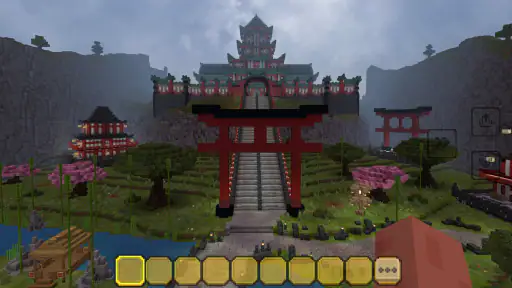
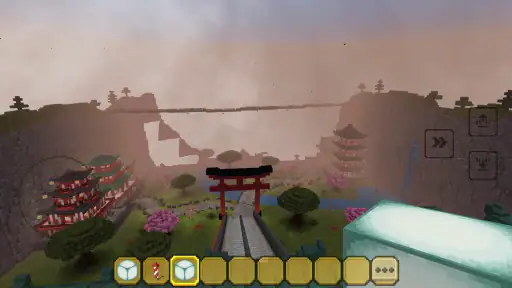
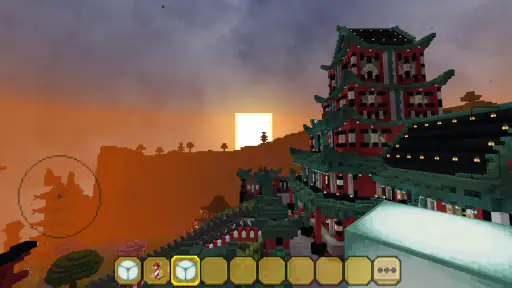
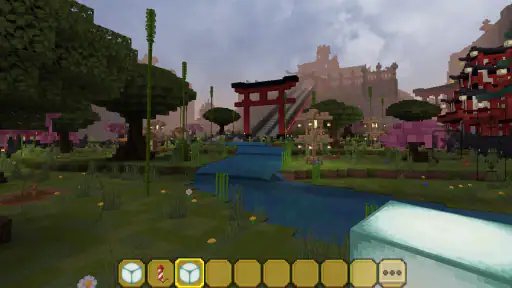
Analysis by Reviewed
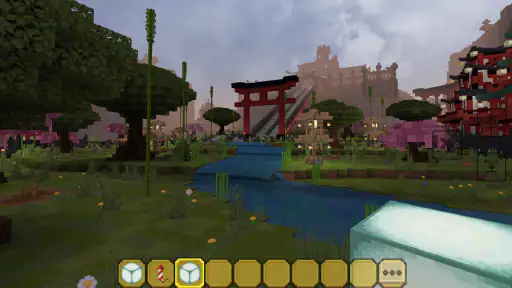
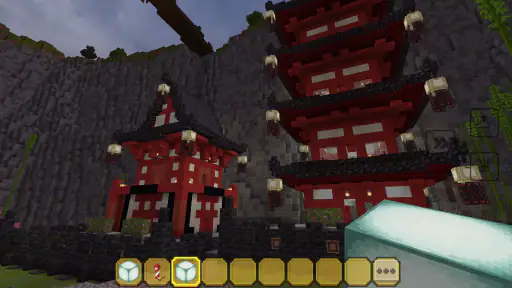
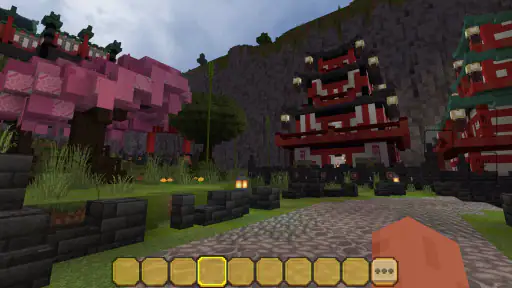
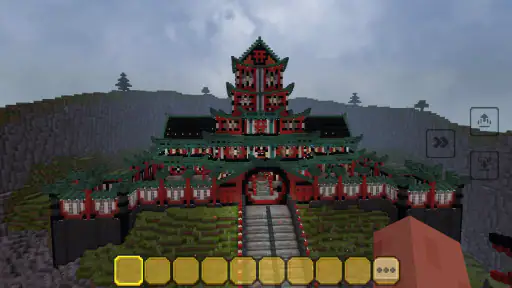
I’d approach Kyoto Craft as a quiet creative game, not as a guided course in Japanese building. The idea is to explore and create traditional-style architecture, so the satisfying part is deciding what to try and seeing your choices take shape. If you enjoy making your own goals in a simulation, that can be a welcome change from games that constantly push you toward the next task. If you need a clear objective from the first minute, it may feel less immediately rewarding.
A Small Plan Makes the First Session Easier
When I open a sandbox-style building game, I get more out of it if I start with one modest idea rather than trying to design an entire setting at once. With Kyoto Craft, that could mean choosing a single structure as the focus and treating the first session as a chance to learn the building rhythm. The point is not to produce a perfect result; it is to find out whether experimenting with traditional Japanese architecture is enjoyable for you.
That approach also helps answer a practical question: do you need to know how to build before starting? I wouldn’t assume so. A newcomer can begin with curiosity and make decisions as they go, while someone who already likes designing spaces can bring a more deliberate plan. Either way, a small first attempt is a low-pressure way to judge whether the creative loop feels natural.
Choosing It Over a More Structured Simulator
Compared with the usual alternatives in simulation games, Kyoto Craft appears aimed more at personal exploration than at managing a complex operation or following a long sequence of objectives. I’d choose it when the theme and freedom to shape a design matter more than economic systems, detailed construction rules, or a campaign with constant milestones. A more management-focused simulator is likely a better fit if you want resources to balance and decisions that affect a larger system.
The architectural theme also gives the game a particular mood. It can suit someone looking for a gentle creative activity after work or school, especially when they want to focus on one visual idea rather than compete or keep up with a fast pace. That is a use case, not a guarantee that every session will feel relaxing: open-ended play can become aimless if you sit down without even a rough idea of what you want to explore.
A Realistic Way to Fit It Into the Day
For example, I might open the game during a short break, spend a little time exploring, then leave a larger building idea for later when I can concentrate. That split avoids turning a casual session into an unfinished project I feel I must complete immediately. It also gives the next visit a simple purpose: return to the design, adjust it, or set it aside and try a different concept.
If you share the device or play alongside someone else, the game’s open premise can invite conversation: one person can suggest a style or structure, and the other can see what they can make of the idea. I’d keep expectations modest, though. The appeal here is the shared act of imagining and building, not a promise of a dedicated multiplayer or collaboration mode.
More From Our News Desk

Weather by Xiaomi Review: Clear at a Glance, Less Clear Up Close

X Under Pressure: Can It Recover When Posting Goes Wrong?

Clash of Clans Is Won Between the Battles

Android Auto Makes the Case for Quieter Car Software

MobiOffice: Transforming Mobile Productivity with Seamless Integration

EA SPORTS FC™ Mobile Soccer: Redefining Mobile Sports Gaming
What to Consider Before You Commit
The game is free, which makes trying it an easy decision for someone curious about the theme. It is developed by CraftKing Studio and rated Everyone, and its audience has grown to over 5 million installs. Its average rating is 3.3 from around 2.6 thousand ratings, so I’d treat that as a cue to sample it with realistic expectations rather than assume it will suit every player. Its listed release date is January 16, 2025, and version 1.20.0.1-close-beta supports Android 5.0 and later.
The close-beta version label is worth keeping in mind if you care about a settled, predictable experience. I’d try a small design first and see how the game feels on your device before investing a lot of time in a detailed plan. That is also a useful way to decide whether its freedom is a strength for you or a source of friction. Players who want a polished, tightly directed building campaign may be happier with an established title that puts its goals and progression front and center.
One question I’d ask before downloading is whether I want to build freely or be taught a specific craft. Kyoto Craft is a game about architectural exploration, so I would not choose it expecting real-world instruction or a substitute for a design reference. If I wanted practical guidance for making traditional structures, I’d look for a dedicated educational resource; if I wanted to experiment inside a game, this is the more relevant option.
I’d also decide what would make a session feel complete. Without a personal target, such as exploring a design idea or returning to a structure, open-ended play can blur into wandering. Setting a small intention gives the experience shape without imposing a complicated checklist. It is a simple habit, but it helps separate a satisfying short visit from one that ends because you have run out of things to do.
Imagine having a free half-hour on a quiet evening and wanting something creative but undemanding. I’d start with a compact architectural idea, see how the game lets me express it, and stop when I have reached a natural pause. If I am enjoying the process, I can return another day with a fresh plan; if I am waiting for the game to supply the next task, that is a sign a more structured simulator may suit me better.
That distinction matters more than the theme alone. Traditional Japanese architecture may catch your eye, but the lasting appeal depends on whether you like making your own decisions and judging the result for yourself. I would recommend giving it a brief, focused trial rather than committing to a long session on the strength of its premise. The first build is a better test of fit than any expectation about what the game might eventually become.
Imagine this: you’re strolling through the charming streets of Kyoto, sipping on some matcha and soaking in the rich culture. Now, what if you could experience a slice of that right on your phone? Enter Kyoto Craft, an app that brings the essence of Japanese craftsmanship and tradition to your fingertips. I recently had the pleasure of diving into this app, and let me tell you, it’s like having a little piece of Kyoto in your pocket.
Discover the Soul of Kyoto
Upon launching Kyoto Craft, you're greeted with a visually stunning interface that immediately sets the tone. The app offers a plethora of features, each designed to immerse you in the world of Kyoto’s traditional arts. From exquisite pottery to delicate textiles, there’s something for every art enthusiast. The app even offers virtual workshops where you can try your hand at creating your own masterpiece—without the mess!
Intuitive Navigation and Engaging Content
One of the first things I noticed about Kyoto Craft is how easy it is to navigate. The developers have done a fantastic job at ensuring it is user-friendly, making it a breeze to explore different crafts. Each section offers detailed descriptions, accompanied by high-quality images that make the art come to life. The content is rich and engaging, with fascinating backstories that give you a deeper appreciation for each craft.
What’s really cool is the inclusion of video tutorials. These are not your average how-to videos; they’re beautifully shot, with step-by-step guidance from actual Kyoto artisans. It’s like having a personal sensei guiding you through the intricacies of each craft. If you’re someone who learns by doing, this feature is a game-changer.
A Journey Worth Taking
As I spent more time with Kyoto Craft, I found myself getting lost in the details and stories behind each craft. The app does a wonderful job of capturing the spirit of Kyoto, making it more than just an app—it’s an experience. Whether you’re a seasoned artist or a curious beginner, there’s plenty to explore and learn.
In conclusion, Kyoto Craft is a must-have for anyone interested in traditional Japanese arts and culture. It’s a beautifully crafted app that offers a unique blend of education and entertainment. So, if you’re looking to add a touch of Kyoto to your day, give Kyoto Craft a try. You won’t be disappointed!
What the Crafting Loop Feels Like
There is one important distinction to make before choosing it: Kyoto Craft is a simulation game, not a reference app or a set of real-world art lessons. Its premise is exploring and building traditional Japanese architecture. That makes the most useful way to approach a session less like browsing a museum and more like choosing a small building project: decide what you want to shape, place your attention on the design, then look at the result and decide whether to keep refining or start another idea.
The appeal is in that simple cycle of action, visual feedback, and a fresh reason to build again. A quiet evening session could mean trying a new layout or revisiting a structure with a different design in mind; a shorter break might be better spent exploring rather than committing to a larger project. I find that kind of open-ended play relaxing, but it also means the reward is largely personal satisfaction. Players who need missions, explicit goals, or frequent unlocks to stay engaged may find the loop too loose.
Small Choices That Make a Session Better
For a more satisfying first session, I’d avoid trying to make an elaborate build immediately. Start with a compact idea and treat it as a test: learn how the building process responds to your choices, then expand only after you understand the rhythm. That approach makes it easier to notice whether the game’s creative freedom suits you, without turning a casual experiment into a project you feel obliged to finish.
Another useful habit is to give each session a specific purpose. You might explore when you want inspiration, or build when you have the patience to compare details and revise your plan. This keeps the experience from becoming aimless, especially if you enjoy creative sandboxes but can lose interest when there is no obvious next objective. The trade-off is that players who prefer a clear campaign or a constant stream of challenges will likely get more direction from a mission-led building game.
Who It Suits, and What to Expect
Kyoto Craft is a good fit for people who enjoy architectural themes, calm experimentation, and making something at their own pace. It may also work well as a shared idea for a relaxed moment: one person can suggest a building concept while another experiments with how to put it together. If you are looking for a realistic construction simulator, a deep management game, or a tightly guided progression system, I’d choose a different title in the simulation category instead.
It is free to play, developed by CraftKing Studio, and rated for Everyone, so it is easy to consider for a broad range of players. Its average rating is 3.3 from around 2.6 thousand ratings, while more than 5 million installs show that it has reached a sizeable audience. I would take the rating as a reason to keep expectations measured rather than as a verdict: the game’s open creative focus will naturally appeal more to some players than to those who want stronger structure. It was released on January 16, 2025, and version 1.20.0.1-close-beta is listed for devices running Android 5.0 or later.
Because it is identified as a close-beta version, I’d approach it as a game whose current feel may not be as settled as a long-established release. That matters if you are planning a detailed build and expect every session to feel polished and predictable. It is still a reasonable try for someone curious about Japanese-inspired architecture, especially if they are happy to explore without needing a guaranteed sequence of goals. The practical question is whether creating and revisiting your own designs is enough motivation; if yes, the core loop has room to be calming and personal.
When to Come Back for Another Build
The best reason to return is not a promise of a new reward each time, but the chance to see a different idea take shape. I’d use Kyoto Craft when I want a low-pressure creative break and stop when I have reached a natural point, rather than forcing a long session. That makes its reset feel simple: put one design aside, come back later with another plan, and let curiosity provide the next objective. If you need a game to tell you exactly what to do next, this probably is not the right choice; if you like deciding that for yourself, it is a more appealing proposition.
Kyoto Craft Frequently Asked Questions
What is Kyoto Craft and what makes it unique compared to other crafting games?
Kyoto Craft is an immersive crafting game that transports players to the tranquil world of traditional Japanese culture. Unlike other crafting games, Kyoto Craft emphasizes the art of creating authentic Japanese artifacts and structures, allowing players to explore ancient Japanese architecture, traditional crafts, and cultural aesthetics. Its unique blend of cultural education and creative freedom sets it apart, offering a serene and enriching experience.
Is Kyoto Craft available on both Android and iOS platforms?
Yes, Kyoto Craft is available for download on both Android and iOS platforms. Players can enjoy the game on a wide range of devices, ensuring that everyone has access to the captivating world of Kyoto Craft, whether they are using a smartphone or a tablet. The game is optimized for both operating systems, providing a smooth and enjoyable gaming experience.
What are the key features of Kyoto Craft that enhance gameplay?
Kyoto Craft boasts a variety of features that enrich the gameplay experience. Players can engage in crafting traditional Japanese items, exploring a beautifully rendered world inspired by Kyoto's historic sites. The game offers diverse challenges and quests, along with a vibrant community for sharing creations. Its intuitive controls and stunning graphics further enhance the immersive experience, making it a must-try for crafting enthusiasts.
Are there in-app purchases in Kyoto Craft, and are they necessary to progress in the game?
Kyoto Craft does offer in-app purchases, which provide players with additional resources, decorative items, and customization options to enhance their experience. However, these purchases are not mandatory to progress in the game. Players can enjoy the full breadth of content and complete quests without spending money, as the game is designed to be accessible and enjoyable for all players, regardless of their spending preferences.
How does Kyoto Craft incorporate educational elements into the gameplay?
Kyoto Craft integrates educational elements by allowing players to learn about traditional Japanese culture and crafts as they play. The game includes informative content about the history and significance of the items being crafted, as well as tips on traditional techniques. This educational approach not only enriches the gaming experience but also provides players with a deeper understanding and appreciation of Japanese heritage, making it both fun and informative.
Pros
- Immersive Kyoto-inspired graphics
- Smooth crafting mechanics
- Engaging storyline
- Variety of crafting options
- User-friendly interface
Cons
- Limited free resources
- Occasional in-app purchase prompts
- Requires internet connection
- High battery consumption
- Infrequent updates
- Category
- Simulation
- Version
- 1.20.0.1-close-beta







