Infinity Kingdom
- 6.60K
- 4.5
- Installs
- 5.00M
- Price
- Free

Screenshots
Analysis by Reviewed
When I judge a strategy game, I pay attention not only to what it asks me to manage but also to how comfortably I can follow its screens and play in the situations I actually have time for. Infinity Kingdom combines a fantasy setting with kingdom management, heroes, dragons, and battles. Its busy presentation can be appealing, but it also makes clear reading and a little patience important, especially when several activities compete for your attention.
Reading the kingdom at a glance
The opening tutorial is brief and gets me into the central routines without keeping me in a long sequence of instruction screens. That is helpful if, like me, you prefer to learn by trying things. The trade-off is that a quick introduction leaves some of the longer-term choices for you to work out as you go. I would take a moment to read a building’s purpose before committing to an upgrade, rather than tapping through every prompt just to move ahead.
The fantasy world is visually busy: castles, landscapes, characters, and battle effects all compete for attention. I find that vivid style part of the appeal, but it is not the same as a clean, quiet interface. Players who find dense screens tiring may want to approach one activity at a time instead of trying to inspect the kingdom, roster, and battle options all at once. For me, pausing between tasks makes it easier to understand what a choice is meant to accomplish.
As a cartoon-style strategy game from Yoozoo (Singapore) Pte. Ltd, it has a more colorful presentation than many of the restrained, map-focused strategy games people may already know. That can make its characters and fantasy theme inviting, while the number of systems still asks for attention. It is free to start, with in-app purchases ranging from $0.99 to $99.99 per item, so I would decide in advance whether I am comfortable with optional spending rather than treating purchases as part of the basic experience.
Comfort, pace, and different ways to play
The battles are turn-based, which gives me time to think about heroes and dragon support instead of demanding quick reactions throughout combat. That is a meaningful advantage for players who prefer planning to fast, precise tapping. It does not make every part of a strategy game effortless, though: navigating between kingdom tasks and preparing a lineup still involves keeping track of several choices. If rapid visual changes or a crowded screen are uncomfortable for you, the game’s animated battles and richly illustrated setting may feel like more stimulation than you want.
A practical way to reduce that pressure is to give each session a simple goal: check one building plan, review a team, or take part in a battle, then stop. I find that approach more manageable than opening the game without a plan and bouncing between every available activity. It also helps if you are playing in a noisy or interrupted setting; turn-based combat is easier to return to thoughtfully than a mode built around split-second responses, but interruptions can still make it harder to remember your intended strategy.
The game is rated Everyone 10+, and it has a 4.6 average from around 257,000 ratings. Those figures give a sense of its broad audience, but they cannot tell me whether its visual density or multiplayer expectations will suit a particular player. I would choose it for someone who enjoys fantasy character collecting alongside kingdom decisions, not for a player looking for a quiet puzzle or a purely solo experience.
More From Our News Desk

 Instagram
’s Power Comes From Its Place in Your Phone
A close look at how Instagram turns Meta’s reach, recommendation systems and everyday camera habits into durable platform power—and what that costs users.

 Gmail
Gmail in a Busy Inbox: Who Benefits Most?
From first account to crowded workday, Gmail earns its place through dependable search and flexible sorting—but its best fit depends on how much inbox maintenance you can tolerate.

 Prime Video
Switching to Prime Video: What Changes in Your Viewing Routine
Prime Video can make a compelling second home for streaming, but switching means learning a different catalog, rental layer, and route from browsing to playback.

 Universal TV Remote Control
 Works Best as a Reliable Backup
A phone remote earns its place through quick setup and reliable habits. Here is how to get more from Universal TV Remote Control—and where its limits show.

 Weather - By Xiaomi
Weather by Xiaomi Review: Clear at a Glance, Less Clear Up Close
Xiaomi’s weather app makes everyday forecasts quick to scan, but its calm surface can leave useful details and recovery paths harder to find than they should be.

 X
X Under Pressure: Can It Recover When Posting Goes Wrong?
A resilience-focused review of X, examining setup, mistaken posts, interruptions, weak connections, and the gaps that matter when recovery needs to be dependable.
Latest News



Making steady progress without rushing
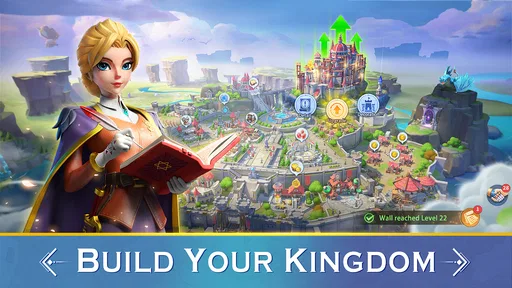
Kingdom building asks you to balance buildings for training, research, and resources. I would avoid upgrading whatever happens to be in front of me simply because it is available. Instead, I’d look at what I want to do next—strengthen a lineup, explore research, or keep resources flowing—and let that goal guide the next building decision. This small habit makes the management layer feel more deliberate and helps prevent a session from becoming a string of unrelated taps.
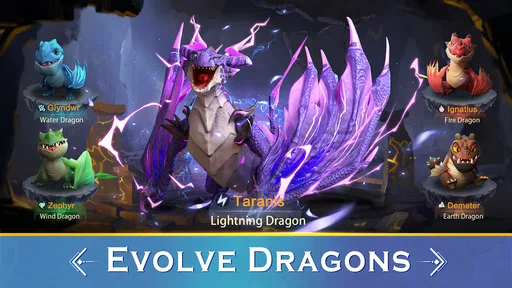
The elemental affinities of heroes and dragons add another planning step. Rather than assuming the rarest or newest character automatically belongs in every lineup, I’d compare the available affinities and think about how the group works together. That is one of the game’s more useful strategic wrinkles: roster building is not only a collecting exercise. It also means that players who dislike experimenting with team combinations may find the preparation more demanding than the tutorial suggests.
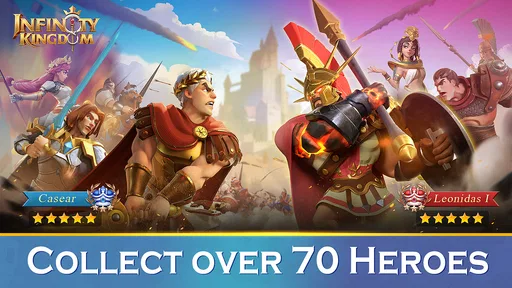
Recruiting legendary figures and training dragons supply a clear reason to keep exploring the roster. I enjoy having distinct characters to try, but the appeal is strongest if you like gradually developing a team rather than reaching a fixed endpoint quickly. A useful personal rule is to focus on a small set of heroes and dragons you actually want to use before spreading attention across every new possibility. That keeps roster decisions connected to battles instead of turning collection into its own source of clutter.
Getting Started with Your Kingdom
Once you install Infinity Kingdom, you're immediately thrust into a world brimming with magic, dragons, and legendary heroes. The game kicks off with a brief but engaging tutorial that gets you up to speed with the basics. Unlike some other games, the tutorial here is quick and to the point, which I really appreciated. You're not stuck in endless screens of instructions—just learn the ropes and dive right in.
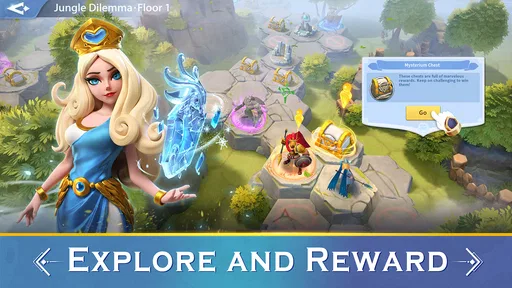
One of the first things you'll notice is the stunning graphics. The developers really nailed the fantasy theme. From the intricate details on the castles to the captivating landscapes, it's visually impressive. And let’s not forget about the animations during battles—they're fluid and add an exciting flair to the combat scenes.
Building and Expanding
Building your kingdom is where the strategy really kicks in. You start with a modest base and gradually expand by constructing various buildings. Each structure serves a purpose—whether it’s training your troops, researching new technologies, or harvesting resources. The balancing act of managing resources and upgrades is what keeps the gameplay engaging.
The game also introduces a unique twist with its elemental system. You have to strategically choose your heroes and dragons based on their elemental affinities to maximize your combat effectiveness. It’s a clever system that adds depth and requires you to think a few steps ahead.
Legendary Heroes and Fierce Dragons
Let’s talk about the heroes and dragons, because honestly, they’re the stars of the show. You can recruit legendary figures from history and mythology, each with their own unique abilities. The variety is impressive—there’s always a new hero to unlock and experiment with in your lineup.
And the dragons? Oh, they’re just as epic as you’d hope. Training and evolving your dragons is incredibly satisfying. Watching them grow from little hatchlings into mighty beasts ready to rain down fire on your enemies is one of the game’s highlights.
Engaging in Epic Battles
Battles in Infinity Kingdom are where your strategic planning pays off. Whether you’re defending your kingdom from invading forces or launching attacks on rival players, each battle requires careful consideration of your hero roster and dragon support. The game’s combat system is turn-based, which gives you the time to plan your moves and counter your opponent’s strategy.
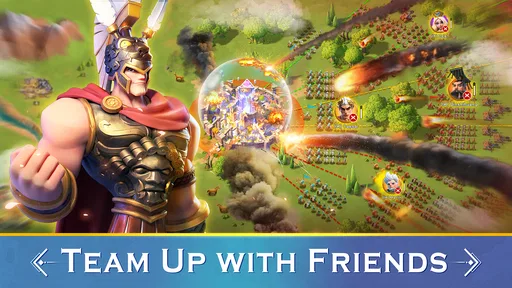
The multiplayer aspect is also exciting. Joining an alliance opens up a whole new layer of gameplay, from cooperative battles to alliance wars. Teamwork is essential, and the community is active, making it a vibrant experience.
Choosing it for the right kind of strategy fan
Compared with a compact tactical game focused on a handful of carefully staged encounters, this one spreads its attention across a growing kingdom, a developing roster, and multiplayer play. I’d pick it when I want several connected layers to think about, not when I want a short, self-contained puzzle with no ongoing management. The alliance element also changes the feel: playing with others can make the strategic world more lively, but it is less suited to someone who wants every part of the experience to stay entirely personal and self-paced.
For an ordinary evening, I might check a building goal after dinner, make a considered lineup choice, and then spend a focused stretch on battles or alliance activity. If I only have a brief break, I would avoid starting a complicated round of kingdom planning and instead choose one small task. That is not a special feature; it is simply a sensible way to handle a game whose appeal comes from several systems sharing your attention.
It has attracted over five million installs, and its current version is 2.9.0. It is free, though the range of in-app purchase prices means players should be comfortable deciding for themselves where, if anywhere, spending fits. The minimum operating system requirement is Android 6.0, and the game is also available on iOS. Those practical details matter most if you are choosing a device for a family member or checking whether an older Android phone can run it; the age rating is Everyone 10+.
Remaining barriers and practical trade-offs
One question I would ask before installing is whether I want a game that keeps giving me reasons to return, or one I can finish and put aside. The kingdom, roster, and alliance components suit the first preference. They create continuity, but they also mean progress is spread across several parts rather than delivered through a neat series of self-contained levels. If that ongoing structure sounds like an obligation rather than a pleasure, a standalone tactical game is likely a better fit.
Another practical consideration is how much attention I can give a session. The turn-based battles leave room to think, but they do not remove the need to follow the team setup and the wider management choices. I would not choose it for a tiny screen or a moment when I can only glance at my phone repeatedly; a calmer stretch makes it easier to read the colorful scenes and remember why I chose a particular lineup. The same advice applies to players who benefit from taking visual breaks: handling one task and then stepping away is more comfortable than trying to clear every available activity at once.
It is also worth being realistic about spending. The game costs nothing to begin, but its optional purchases span from under a dollar to just under a hundred dollars per item. I would set a personal limit before playing, especially if I enjoy collecting heroes and dragons, since that collecting loop can make optional offers more tempting. A free start should not be mistaken for a promise that every route to progress feels identical, so I would judge the experience by whether I enjoy its ordinary planning and battles without buying anything.
For families, the Everyone 10+ age guidance is a useful starting point, not a substitute for deciding whether the busy fantasy presentation and multiplayer elements suit the person who will play. I would try the opening together, look at how easily they can follow the screens, and talk about in-app spending before handing over a device. That is a more helpful check than relying on the rating alone, particularly for someone who finds animated effects or crowded menus tiring.
Who will feel at home here
I think the strongest match is someone who likes to make small plans and see them connect: choose a building priority, shape a team around elemental affinities, then take that team into a turn-based fight. It is also a good pick for a player who enjoys the social dimension of alliances and does not mind a persistent world asking for periodic attention. If you like colorful fantasy more than austere military maps, its presentation gives the strategy a distinct personality.
I would steer away from it if you want quiet screens, a purely solo campaign, quick reflex action, or a short game with a clear finish. The vivid battles may be less comfortable for sensory-sensitive players, while the number of systems can be a lot to track if you prefer minimal menus. There is no shame in choosing a slower puzzle or a single-player tactics game instead; those alternatives can be kinder to limited time and attention.
Final Thoughts
After spending some quality time with Infinity Kingdom, I can confidently say it’s a game that stands out in the crowded strategy genre. The combination of stunning visuals, engaging gameplay, and a vibrant community makes it a worthy addition to any gamer’s library.
If you’re a fan of strategy games with a fantasy twist, give it a shot. It’s not just about building an empire; it’s about crafting a legacy with your heroes and dragons by your side. Download it and start your adventure today!
Infinity Kingdom Frequently Asked Questions
How much space and mobile data should I plan for when installing Infinity Kingdom?
Infinity Kingdom is a mobile strategy game, so it is sensible to have a reliable connection for downloading it and playing its online features. Before installing, check the available storage on your device and consider using Wi-Fi for the download. Keeping some free space can also help your phone handle app updates and other content comfortably.
Does Infinity Kingdom require an internet connection?
Infinity Kingdom is an MMO strategy game, with multiplayer play and alliance activities at its heart, so expect to need an internet connection to take part in its main features. A stable connection is especially useful when coordinating with other players or joining battles. If you often play away from Wi-Fi, consider whether your mobile data plan suits that style of play.
Who develops Infinity Kingdom, and what kind of game is it?
Infinity Kingdom is a strategy game developed by Yoozoo (Singapore) Pte. Ltd. Its cartoon-style presentation gives its kingdom-building and battle-focused gameplay a colorful look. The game combines managing a growing realm with tactical decisions, making it a fit for players who enjoy planning, developing a base, and engaging with other players in an MMO setting.
Is Infinity Kingdom suitable for younger players?
Infinity Kingdom has an Everyone 10+ content rating, so families can use that as a guide when deciding whether it is suitable for a younger player. It is a cartoon-style strategy game centered on building a kingdom and taking part in battles. Parents may also want to consider its online multiplayer and optional in-app purchases when making that decision.
What should I know about the game’s in-app purchases before downloading?
Infinity Kingdom is free to download and play, but it offers optional in-app purchases priced from $0.99 to $99.99 per item. The published description of the game’s purchases mentions resources, special items, or boosts that may help players progress faster. You can play without buying them, but it is worth reviewing purchase settings if you share a device or want to manage spending.
Pros
- Engaging strategy gameplay with rich graphics.
- Diverse heroes add depth to battles.
- Regular updates keep content fresh.
- Global chat fosters community interaction.
- Easy to learn for strategy game newcomers.
Cons
- Resource management can feel tedious.
- In-app purchases can be pricey.
- Occasional server lag issues.
- Limited offline play options.
- Some heroes feel unbalanced.