Idle Pocket Crafter 2
- 77.00
- 4.4
- Installs
- 100.00K
- Price
- Free

Screenshots
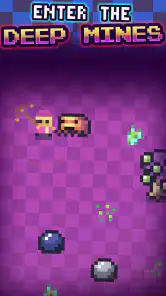



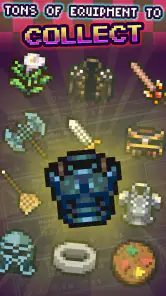


Analysis by Reviewed
I went into Idle Pocket Crafter 2 expecting a lightweight mining game for spare minutes, and that is exactly where it makes its best first impression. It belongs to the adventure category, but its appeal is less about fast reactions or dramatic exploration and more about the steady satisfaction of collecting materials, improving a small crafting routine, and checking what has changed since the last visit. The loop is easy to understand: mine, gather, craft, and return to do it again.
That simplicity is useful on a phone. I can open it while waiting for an appointment, make a few decisions, close it, and come back later without needing to remember a complicated story or a long chain of objectives. The developer, Iron Horse Games LLC, has aimed this sequel at players who enjoy incremental progress rather than demanding action. After spending time with it, I think that description is fair, although the same relaxed pace that makes the game approachable can also become its biggest weakness.
Why the first week feels so satisfying
The opening stretch works because every small action appears to feed the next one. Mining gives the session a clear purpose, crafting turns collected materials into visible progress, and the incremental structure means that even a short visit feels worthwhile. I never needed a long uninterrupted session to understand what I was doing. That makes it a comfortable choice for someone who likes games that can be played in fragments rather than requiring a dedicated evening.
What I particularly like is the low-pressure rhythm. There is no need to treat every minute as a competition. I can play actively for a while, leave the game alone, and return with the feeling that my earlier effort still mattered. That is the central pleasure here: not a spectacular moment, but the gradual sense that a modest operation is becoming more capable.
The crafting side also gives the mining loop a little more purpose than simply tapping through a resource screen. Materials are not just collectibles to watch accumulate; they are part of a repeatable process. I found myself thinking about whether to continue gathering or move on to the next useful improvement. Those decisions are not deeply strategic, but they stop the game from feeling completely passive during the first few sessions.
For a free game, the initial commitment is easy to justify. The age rating is Everyone 10+, which fits the accessible tone and makes it suitable for younger players who already enjoy simple resource and crafting games. The game is free to start, while optional purchases range from small amounts to larger bundles. I would still approach those purchases carefully, especially if the appeal for you is the calm pace rather than accelerating it.
The first-week question is not whether the basic loop is entertaining. It is. The more important question is whether mining and crafting continue to offer meaningful choices once the novelty of the opening progress has faded. That depends heavily on what you want from an incremental game. If you enjoy watching a routine become more efficient, the early hours have a pleasant pull. If you need frequent surprises, character-driven storytelling, or hands-on adventure, the experience may already feel too quiet.
A useful routine for short sessions
I found the game easier to enjoy when I treated each visit as a small task instead of trying to force a long play session. Before closing it, I would decide what I wanted the next visit to accomplish: collect a particular material, finish a crafting step, or simply check whether the current progress justified another upgrade. This approach makes the idle structure feel intentional rather than like a screen that is merely waiting for me.
That is one of the less obvious strengths of this kind of design. The game can fit around real life because it does not demand that I clear a large block of time. A person commuting, taking a lunch break, or relaxing before bed can use it as a compact routine. The trade-off is that the game rewards consistency more than intensity. If you only play occasionally, its gradual systems may not feel as rewarding.
What remains after the opening novelty
After the first burst of discovery, the experience becomes a test of personal tolerance for repetition. Mining, crafting, and returning to improve the process are still coherent, but they no longer feel new. At that point, I stopped asking whether the next action was fun in isolation and started judging whether the overall rhythm deserved a permanent place on my phone.
For me, the answer is conditional. It works well as a background game that I can revisit without pressure. It is less convincing as my main adventure game because the core activity does not provide the variety or emotional momentum I normally expect from that label. The store summary calls it a relaxing incremental mining game, and that is a better guide to the actual experience than the broader category alone.
The sequel branding may attract people who already know the first game, but newcomers do not need to approach it as a complicated continuation. Its appeal is understandable on its own: a compact crafting-and-mining loop with an idle foundation. Still, players looking for a major change of pace from other incremental games should keep expectations modest. The strength is refinement of the routine, not a transformation into a different genre.
Month-to-month value, maintenance, and fatigue
Long-term value in an idle game comes from the habit it creates. I can imagine keeping this installed when I want something undemanding to check once or twice during the day. The current version is 1.3.402, and the game has reached over one hundred thousand installs with a 4.4 average from 387 ratings. Those figures suggest that the straightforward loop has found an audience, but they do not change the central question: will the routine still feel useful after the next few weeks?
My answer is that the game earns recurring attention when I use it as a small companion rather than as a destination. It is good for filling gaps, especially when I do not want sound, complex controls, or a demanding narrative. It is not the sort of title I would recommend as the only game on a long trip unless I already knew that incremental progress was enough to hold my interest.
The maintenance burden is low in terms of controls and mental effort, but it is not zero. A successful idle game asks the player to remember when to return, decide what to prioritize, and tolerate periods where progress feels incremental in the literal sense. If you enjoy setting a modest goal and checking it later, that maintenance feels like a pleasant habit. If notifications and unfinished loops make you feel obligated to play, the same structure can become another chore.
One practical way to reduce that burden is to give each session a stopping point. I would avoid opening the game simply to collect everything available, because that can turn a relaxing loop into repetitive housekeeping. Instead, I would choose one purpose for the visit and leave once it is complete. This keeps the game from expanding into a daily obligation and makes its small gains easier to appreciate.
Another useful trade-off is deciding whether to play actively or let the idle side carry more of the experience. Active attention gives the mining and crafting process more texture, while passive progress is convenient when the game is competing with work, television, or another game. Neither approach is automatically better. The right balance depends on whether you enjoy making frequent small decisions or mainly want a gentle accumulation system in the background.
Where the routine begins to wear thin
The main source of fatigue is repetition without enough personal variation. Once I understood the basic pattern, the satisfaction depended on the next improvement feeling worthwhile. When it did, returning was easy. When it did not, another round of mining could feel like maintenance rather than play. This is not a flaw unique to this title, but it matters because the entire design is built around repeating a small number of actions.
The absence of pressure is both a strength and a limitation. There is less stress than in competitive adventure games, but also less urgency. Players who want timed challenges, tactical danger, or a strong sense of discovery may find the relaxed structure too flat. I would choose a more active mining or crafting game for someone who wants direct control and constant feedback. I would choose a narrative adventure for someone who needs characters and plot to sustain long-term interest.
In-app purchases can also affect how the experience feels over time. The available items cost from $0.49 to $39.99 each, so the game can remain free for a cautious player, but the presence of optional spending means I would pay attention to whether convenience starts competing with patience. My advice is simple: decide in advance whether you are here for the slow progression. If you are, do not let the temptation to speed up the loop redefine the reason you installed it.
That recommendation is especially relevant for younger players. The Everyone 10+ rating makes the game broadly approachable, but a free download with optional purchases still deserves sensible device and account controls. Parents should treat it like any other game that offers paid items: agree on expectations before play rather than relying on the child to make every spending decision alone.
Who should keep it installed
I would recommend it to players who like incremental games, crafting loops, and progress that can be checked in brief visits. It suits people who enjoy watching a routine become more productive and who do not need constant novelty. It is also a good fit for anyone who wants an adventure-flavored game without the intensity usually associated with action-heavy adventures.
I would be more cautious recommending it to players who dislike idle mechanics or feel that repeated resource collection quickly becomes work. It is also not the best choice for someone seeking a deep crafting simulator, a large story, or a game built around reflexes. The title may sit in the adventure section, but its lasting appeal comes from management of a gentle loop, not from dramatic exploration.
Compared with a typical action adventure, this game asks less from the player and gives progress in smaller, steadier portions. Compared with a traditional crafting sandbox, it offers a more focused routine and less freedom to build an elaborate personal project. Compared with other idle games, its mining theme gives the repetition a clear identity, but players who need constant system changes may eventually prefer a more varied alternative.
My long-term verdict
After the novelty fades, Idle Pocket Crafter 2 remains worthwhile for a specific kind of player: someone who wants a calm, repeatable mining and crafting habit that fits into spare moments. I like that it does not demand a large time commitment, and I appreciate the clear relationship between gathering and making progress. The game is at its best when I treat it as a small daily ritual rather than a full-scale adventure.
Its limitations are equally clear. The loop can become predictable, active play may feel thin once the first improvements are familiar, and optional purchases make it important to decide how much patience you want the free experience to require. Those are not reasons to dismiss it, but they are reasons to install it with the right expectations.
Iron Horse Games LLC has delivered a compact title that understands the appeal of incremental progress. I would keep it on my phone if I wanted a low-pressure game for short check-ins, especially during periods when more demanding games feel tiring. I would remove it if I began opening it from obligation instead of interest. The real test is whether its routine supports your day rather than asking your day to support the routine.
Overall, I see it as a pleasant free adventure game with a narrow but genuine purpose. It earns lasting space when you enjoy mining, crafting, and gradual improvement for their own sake. If you need a richer world or more active challenges, another genre will serve you better. For relaxed incremental play, though, this is an easy game to try and a reasonable one to return to—as long as you are comfortable with repetition being the main feature, not a temporary phase.
Pros
- Simple idle gameplay is easy to understand and start playing.
- Progress continues while you are away from the game.
- Crafting and upgrades provide a satisfying sense of progression.
- Runs smoothly on most modern Android and iOS devices.
- Short play sessions make it convenient for casual players.
Cons
- Progress can feel slow without regular upgrades or extended playtime.
- Repetitive tasks may reduce long-term variety for some players.
- Some upgrades may require considerable in-game resources.
- The game may include frequent advertisements or optional purchases.
- Players seeking deep strategy may find the mechanics too simple.

- Category
- Adventure
- Version
- 1.3.402