HorrorCraft: Dark Realms
- 48.00
- 3.8
- Installs
- 1.00M
- Price
- Free

Screenshots
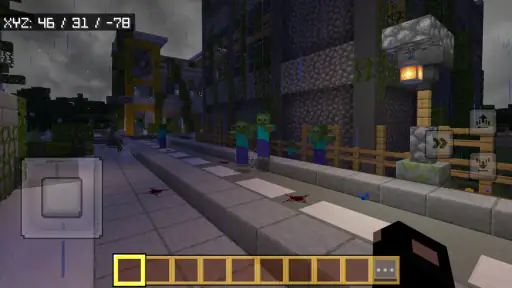
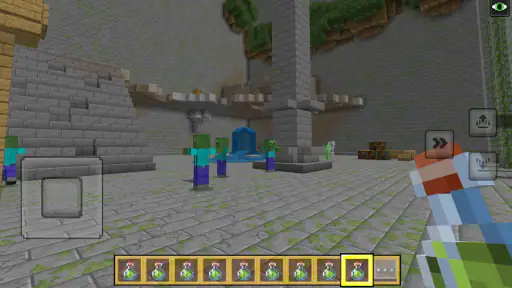
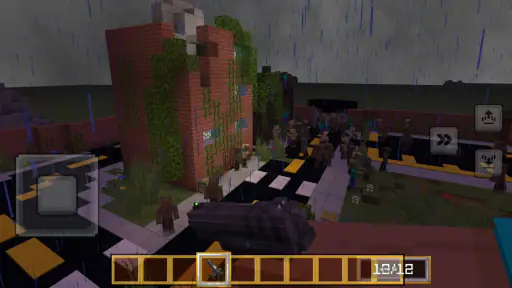
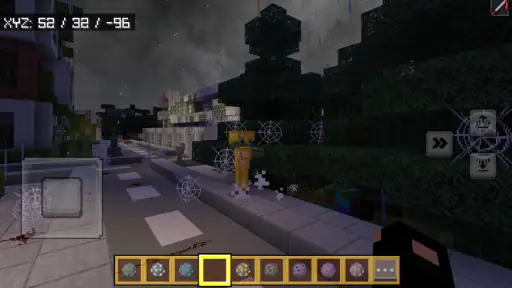
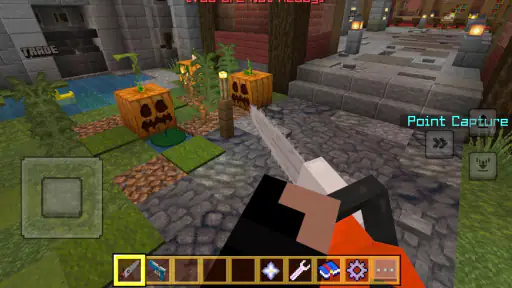
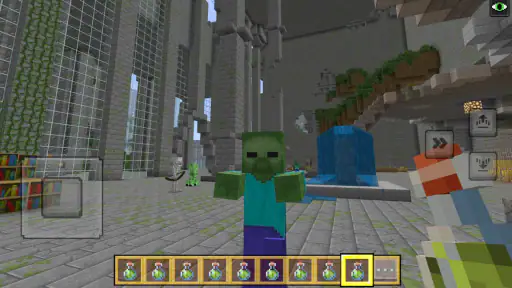
Analysis by Reviewed
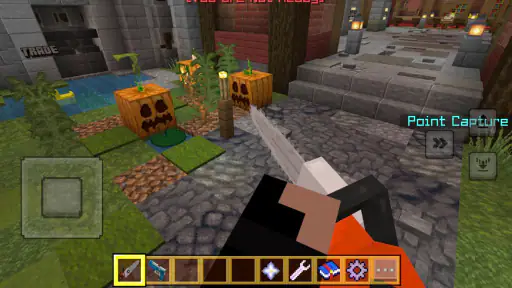
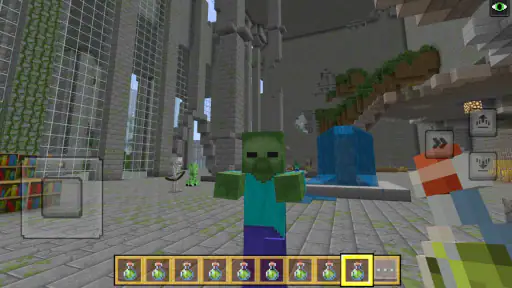
HorrorCraft: Dark Realms is a free simulation game built around a simple but effective idea: exploring horror-themed lands recreated in a block-based world. I found that its strongest quality is not a complex story or a long list of systems, but the way familiar-looking environments become uneasy when the lighting, space and atmosphere suggest that something is wrong. It feels approachable at first, yet it asks me to explore carefully rather than rush through every area.
That combination makes it an interesting choice for players who like horror but do not necessarily want a relentlessly intense experience. The game is available for everyone, and SimulationCraft Studios presents it as an exploration-focused title rather than a conventional action game. My overall impression is that it works best when I treat each recreated land as a place to investigate, not as a level to clear as quickly as possible.
Exploring recreated lands is the game’s defining strength
The central capability here is the recreation of recognizable-looking lands inside a horror setting. That choice changes how I read the environment. A path, room or open area is not merely decoration; it becomes a question. Why is this space arranged this way? What might be waiting beyond the visible section? Even when the visual style remains simple, the contrast between a familiar structure and a dark mood gives exploration a distinct purpose.
The real appeal is the tension created by ordinary spaces that no longer feel safe. In many horror games, fear depends on highly detailed graphics, dramatic sound design or carefully scripted surprises. HorrorCraft: Dark Realms takes a more accessible route. Its recreated lands encourage me to build suspense in my own head, which can be more effective for players who enjoy imagining what could happen next.
This also explains why the game fits the simulation category in an unusual way. I am not simply managing a city, vehicle or household. Instead, I am interacting with a world that invites observation and movement. The simulation-like pleasure comes from examining the environment and learning its shape, while the horror theme gives that process uncertainty and pressure.
The concept is especially suitable for short sessions. I can open the game when I want a little atmosphere without committing to a large role-playing campaign. At the same time, the recreated-land approach gives me a reason to return, because remembering a place is not the same as understanding every detail within it. A second visit can feel different once I know which areas deserve more attention.
How the recreation changes the way I play
In practice, I approach each area more slowly than I would approach a typical casual game. I look at the route ahead, check corners before moving forward and pay attention to transitions between open and enclosed spaces. This may sound basic, but it is the main way the game’s horror focus becomes meaningful. The environment is not just something I pass through; it is the tool that controls my expectations.
More From Our News Desk
Weather by Xiaomi Review: Clear at a Glance, Less Clear Up Close

X Under Pressure: Can It Recover When Posting Goes Wrong?

Clash of Clans Is Won Between the Battles

Android Auto Makes the Case for Quieter Car Software

MobiOffice: Transforming Mobile Productivity with Seamless Integration

EA SPORTS FC™ Mobile Soccer: Redefining Mobile Sports Gaming
One useful habit is to divide an unfamiliar land into small sections. I first identify a safe-looking starting point, then choose one direction and remember the landmarks I pass. If I move randomly, the setting can become confusing and the tension turns into frustration. If I explore with a loose plan, the uncertainty remains enjoyable because I can tell whether I am discovering something new or simply circling back.
I also recommend resisting the urge to inspect everything immediately. The best moments come when I leave some areas unresolved and continue with a clear idea of what I have already seen. Returning later gives the environment more weight. This is a small but important trade-off: the game rewards curiosity, but curiosity works better when it is paced rather than constant.
Because the experience is based on recreated lands, visual memory matters more than reflexes. I pay attention to unusual layouts, isolated structures and changes in the surrounding mood. That makes the game a better fit for players who enjoy environmental discovery than for people looking for fast combat or tightly timed challenges.
A practical evening use case
A realistic way to use the game is during a short evening break. I might have a limited amount of time and want something more engaging than scrolling through a feed, but I may not want to start a large adventure game. HorrorCraft: Dark Realms suits that moment because I can focus on one area, explore at my own pace and stop after reaching a natural pause.
For the best result, I would play with distractions reduced and avoid treating the session like a checklist. The atmosphere depends on attention. If I am switching between the game and messages, the recreated land becomes a background image instead of a place I am actually reading. A quieter setting makes the environmental details more noticeable and lets the horror theme do more of its work.
It can also work as a shared experience. One person can explore while another watches and comments on where to go next. That turns uncertainty into conversation, especially when neither player knows whether an apparently harmless route is worth following. It is not the same as a competitive multiplayer session, and I would not choose it for that purpose, but it can be a pleasant way to share a spooky game without requiring advanced gaming skills.
Parents should still remember that the age label is Everyone, while the word “horror” may mean different things to different players. The game is positioned as accessible, but a child who is sensitive to dark environments or suspense may not enjoy the mood. I would judge it by the individual player rather than assuming that the age category guarantees a comfortable experience for everyone.
Small techniques that make exploration clearer
My first practical tip is to use landmarks as anchors. Instead of trying to memorize an entire recreated land, I remember three points: where I started, the most unusual structure I saw and the last place where the route divided. This reduces aimless wandering and helps me decide whether to investigate a branch now or return to it later.
My second tip is to separate discovery from completion. I do not try to understand every part of a location in the first pass. The initial visit is for learning the broad layout and noticing what feels significant. A later pass is better for checking side paths or overlooked corners. This approach preserves the unsettling feeling while preventing the game from becoming a repetitive search.
My third tip is to use the game as an atmosphere-first experience rather than expecting constant events. The recreated lands are the reason to continue, so I get more from observing how a familiar setting is presented than from waiting for a dramatic moment every few seconds. Players who appreciate environmental storytelling will likely understand this immediately; players who need continuous action may find the pace too quiet.
Where the experience can feel limited
The same focus that gives the game its identity also narrows its appeal. Exploration alone may not satisfy someone who wants a deep progression system, detailed character development or a large amount of strategy. I would not choose this as a replacement for a full survival game or a story-heavy horror adventure. Those alternatives are better when I want a stronger sense of progression and a more defined reason to keep playing.
The block-based presentation can also create distance from the horror. Some players will enjoy the contrast, while others may find it difficult to feel genuinely threatened by simplified surroundings. The atmosphere depends heavily on personal imagination, so the game’s effect is less predictable than that of a visually realistic horror title.
Another possible source of friction is navigation. A recreated environment can be interesting to study, but it can also become tiring if I lose track of where I have already been. That is why the landmark method matters. The game is more enjoyable when I take responsibility for my route instead of expecting the experience to guide me through every discovery.
Players who prefer immediate objectives should think carefully before choosing it. The store summary emphasizes exploring recreated lands, and that is a useful description of the experience’s center of gravity. I should not install it expecting a conventional mission-based game. Its value comes from mood, curiosity and the gradual process of becoming familiar with an unfamiliar place.
How it compares with familiar alternatives
Compared with a standard simulation game, this title offers less emphasis on construction, management or optimization and more emphasis on atmosphere. I am not primarily solving an economic problem or improving a system. I am interpreting a space. That makes it a better choice when I want a simulation-adjacent experience that feels mysterious rather than productive.
Compared with a traditional horror game, it feels more approachable because the recreated-world concept softens the presentation. A player who avoids realistic horror may find the visual style easier to enter. On the other hand, someone seeking intense scares, elaborate narrative twists or highly directed set pieces may prefer a dedicated horror adventure.
Compared with a casual exploration game, the horror framing gives ordinary movement more purpose. I am not just looking for attractive scenery. I am wondering what the setting is encouraging me to notice and whether the next area will change the mood. That tension makes the game more memorable, although it also means that relaxed players may prefer to play in short sessions instead of treating it as a background activity.
Who gets the most from it
I think the best audience is made up of players who enjoy exploring unusual environments, forming their own theories and letting atmosphere build gradually. It is also a sensible option for someone who wants a free horror-themed game without committing to a highly demanding title. Since it supports the minimum Android requirement of version 7.0, it is accessible to people using older compatible devices as well as newer phones.
The game has reached over a million installs, and its average rating is 3.8 from around 2.9 thousand ratings. I read that combination as a sign of broad interest with room for personal preference: many people are willing to try the concept, but the slower exploration style will not suit every player.
The current release is version 1.50.1.6-beta. The beta label is worth keeping in mind when setting expectations. I would approach it as an evolving experience rather than a perfectly finished, feature-complete game. That does not cancel out its central appeal, but it makes patience more important, especially for players who are sensitive to rough edges or changes between updates.
SimulationCraft Studios has chosen a focused concept instead of trying to combine every horror and simulation idea in one package. I appreciate that decision. The game knows that its recreated lands are the main attraction, and the strongest sessions are the ones where I explore them thoughtfully rather than search for a more conventional game loop.
My recommendation after spending time with it
I would recommend HorrorCraft: Dark Realms to a friend who likes block-based worlds, quiet suspense and exploration that leaves room for imagination. It is free to play, carries an Everyone content rating and is easy to understand from the first session. More importantly, it offers a specific mood: familiar-looking places made uncomfortable through uncertainty.
I would skip it if my priority were fast action, deep management, competitive play or a heavily scripted horror story. In those cases, another game in the category would probably provide a clearer match. I would also avoid judging it after only a rushed few minutes, because its main strength appears when I slow down enough to read the environment.
For me, the best way to approach it is as a compact exploration game with horror coloring, not as a complete replacement for larger survival or adventure titles. If you enjoy discovering why a place feels wrong, rather than simply defeating what is inside it, this is where the game earns its recommendation. Its limitations are real, but its focused idea gives it a personality that many generic simulation games lack.
HorrorCraft: Dark Realms Frequently Asked Questions
Is HorrorCraft: Dark Realms free to download?
HorrorCraft: Dark Realms is free to download, so you can try its horror-themed exploration without paying upfront. Before installing, check the current store page for any optional purchases or advertising details, as those can affect how the game is presented. It is a simulation game developed by SimulationCraft Studios, and its free price makes it easier to see whether its eerie style suits you.
How much space and internet access should I plan for before installing?
It is sensible to have some free storage available and a reliable internet connection when downloading or updating HorrorCraft: Dark Realms. The game may need to retrieve installation files or updates, and a stable connection can help avoid interrupted downloads. Once installed, your experience may vary depending on the device and version, so launching the game after installation is a practical way to finish any setup before playing.
What is HorrorCraft: Dark Realms about?
HorrorCraft: Dark Realms is a horror-themed adventure experience that combines block-based exploration, unsettling environments, survival challenges, and frightening encounters. Players investigate dark locations, search for useful resources, solve environmental objectives, and try to survive threats that may appear unexpectedly. Its presentation is aimed at players who enjoy suspense, eerie sound design, and a Minecraft-inspired visual style with a much darker atmosphere.
Is HorrorCraft: Dark Realms suitable for children?
Although the game uses a stylized, blocky visual design, its atmosphere is built around horror, danger, sudden scares, and disturbing environments. Younger players or people who are sensitive to frightening imagery, tense audio, or chase sequences may not enjoy it. Parents should review the store rating, screenshots, and content description before allowing children to download it, especially if the device is shared with younger users.
Can HorrorCraft: Dark Realms be played offline?
The availability of offline play may depend on the specific version and platform, so it is worth checking the current store listing before downloading. Some parts of the experience may work without an internet connection, while advertisements, updates, online features, analytics, or certain content can require connectivity. For the most reliable experience, launch the game once while online and allow any required files to finish downloading.
Pros
- Atmospheric lighting and sound design create an immersive horror experience.
- Exploration rewards curious players with hidden areas and secrets.
- Dark fantasy visuals give the game a distinctive identity.
- Progression encourages repeated playthroughs and experimentation.
- Works well for players who enjoy tense
- story-driven adventures.
Cons
- Some encounters may feel repetitive after extended play sessions.
- The dark visuals can make navigation difficult on smaller screens.
- Difficulty spikes may frustrate players unfamiliar with horror games.
- Limited guidance can leave objectives unclear at times.
- Performance may vary on older Android and iOS devices.
- Category
- Simulation
- Version
- 1.50.1.6-beta