Gugu Gaga Penguin Escape
- 7.00
- 4.4
- Installs
- 1.00M
- Price
- Free

Screenshots


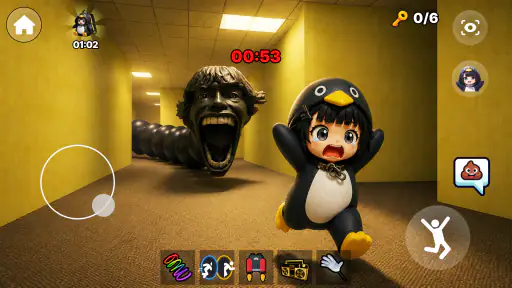

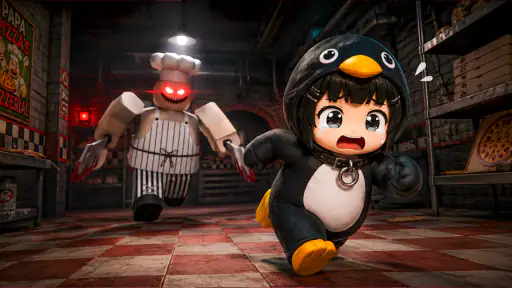
Analysis by Reviewed
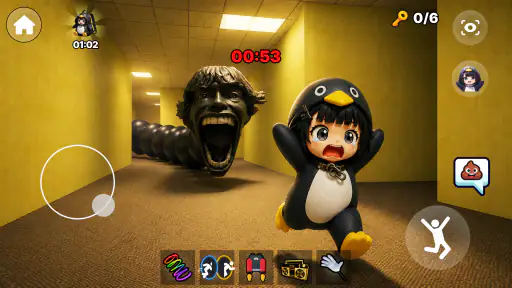
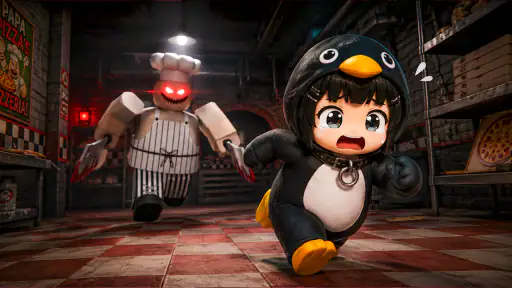
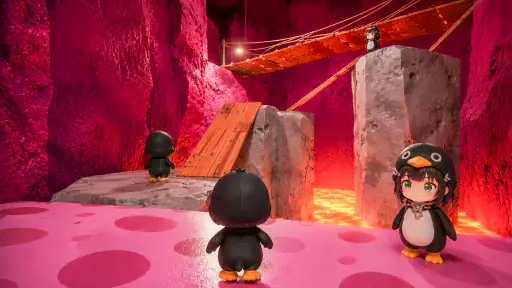
I can see the appeal of Gugu Gaga Penguin Escape right away: it takes the familiar urge to break out of a prison and puts it in a setting where a penguin has to get past a frightening monster and parkour-style obstacles. That blend makes it easy to understand what you are meant to do, while the creature gives the escape a more playful, uneasy edge than a standard obstacle course. I’d recommend giving it a try if you enjoy short, straightforward adventure games and don’t need a deep story to keep you moving.
What makes a first session appealing
The hook is the contrast between the penguin and the scary setting. A prison escape gives each stretch of movement a clear purpose: get out, avoid danger, and keep going. The parkour angle adds the familiar satisfaction of making it through a tricky route. Rather than asking you to learn a complicated world before the fun starts, the premise points you toward action quickly.
That clarity is especially useful when you have only a little time. I can picture opening the game during a break, trying a section, and deciding whether I want another attempt without needing to remember a long chain of story events. The monster-map idea also gives the adventure a stronger identity than a plain run of jumps, even if the central appeal remains navigating obstacles and escaping.
It is an adventure game from PSV SANDBOXES TEKNOLOJI ANONIM SIRKETI, and the store’s short name for the experience is Gugu Gaga Penguin Escape. The current version is 1.3.3, so anyone checking compatibility should compare their device with the listed minimum operating-system requirement of 8.1 before installing. That small check is more useful than assuming every older phone or tablet will run it.
The game is free to download and rated for Everyone, which makes it an easy option to consider for a casual play session at home. There are in-app purchases priced from $2.99 to $9.99 per item, so I would treat the free entry point and optional spending as separate decisions. If a child will be playing, I’d also review purchase controls on the device beforehand; a family-friendly age rating does not remove the need to manage spending thoughtfully.
Who will enjoy its short, focused play
For a realistic everyday use case, imagine waiting for a ride or winding down after school: this is the sort of game I’d try when I want an active distraction rather than a long campaign. The simple escape premise means you can approach it without needing to study a detailed backstory. If a section takes a few attempts, those retries can provide a compact challenge; if you prefer games that let you pause a rich narrative and resume exactly where you left off, a story-led adventure may suit you better.
One practical tip is to judge the game by how enjoyable the movement and retries feel, not just by the unusual penguin-and-monster premise. The theme is what gets attention, but the repeated obstacle navigation is what determines whether it earns a place in your routine. If the basic loop feels satisfying after the novelty wears off, it has a better chance of becoming a regular pick.
You May Like

Clash of Clans Is Won Between the Battles

Android Auto Makes the Case for Quieter Car Software

MobiOffice: Transforming Mobile Productivity with Seamless Integration

EA SPORTS FC™ Mobile Soccer: Redefining Mobile Sports Gaming

How Microsoft OneDrive Became a Mobile Productivity Giant

How Google Translate Breaks Language Barriers Effortlessly
I’d also think about the kind of attention you want to give it. A quick escape challenge is easier to fit between other tasks than a game whose appeal depends on following a plot, but that does not mean it is automatically ideal for every tiny gap in the day. If you are likely to be interrupted repeatedly, a movement challenge may be less relaxing than something that can be put down at any moment without losing your rhythm. I’d save it for a short window when I can focus on the route rather than play while distracted.
What may keep it in rotation
The game has an average rating of 4.4 from around 2.6 thousand ratings, and it has been installed over a million times. Those figures suggest that plenty of players have been willing to give the idea a try, but they cannot tell me whether its particular style will match your tastes. I’d read them as a sign of broad interest, not a promise that every run will feel fresh.
Its recurring value depends on whether the escape-and-parkour rhythm stays enjoyable after you understand the premise. A game built around a clear route and immediate obstacles can be convenient because it asks less of your attention than a sprawling adventure. The trade-off is that a simple central loop can also become predictable if you are looking for frequent changes in goals, characters, or strategy.
That makes it a different proposition from many adventure alternatives. Compared with a narrative-heavy game, this one foregrounds the physical challenge of getting through a dangerous setting rather than building its appeal around dialogue and plot. Compared with a general obstacle-course game, the prison escape and monster setting give the movement a more specific mood. I’d choose it when that combination sounds fun, but pick a richer story game if character development is the main reason I play.
For month-to-month use, I would not assume the first session alone predicts long-term satisfaction. Come back after a few days and notice whether you still want to retry a difficult stretch, or whether the penguin-and-monster theme was enough to interest you only once. That is a useful test for any focused game: repeat enjoyment matters more than an initially memorable premise.
Keeping the experience low-maintenance
There is little reason to turn a casual escape game into a chore. I’d keep it installed only if I naturally reach for it when I have a short window to play. If it starts feeling like something I ought to check rather than something I want to play, removing it is a sensible choice, not a failure to appreciate the game.
It may help to set a simple spending boundary before you start. The game costs nothing to download, while individual in-app items fall within the listed $2.99–$9.99 range. I would decide in advance whether I am happy to keep the experience entirely free or willing to buy something, rather than making that choice impulsively during a session. That is particularly helpful on a shared device, where another player may not have the same budget in mind.
Another low-effort habit is to check the installed version occasionally if something seems off or you are comparing notes with another player. Version 1.3.3 is the current release identified here, but I would avoid treating a version number as evidence that the game has added a particular feature or fixed a particular issue. For most people, the more useful question is simply whether the game runs acceptably on their device and remains enjoyable when they return to it.
The release date is May 29, 2026, so the game is a relatively recent option in this kind of casual adventure space. That context may matter if you prefer established games with a long history, but it does not by itself tell you how actively the experience will change over time. I would make the decision based on the play loop you can try now, not on assumptions about future updates.
For a household deciding whether to leave it on a shared phone or tablet, I’d make the choice practical rather than sentimental. Let the person who is most interested try it first, and check whether they return to it on their own. If different family members have different tolerances for spooky settings or repeated attempts, the game may work better as an individual pick than as something everyone is expected to enjoy together.
Where repetition can set in
The most likely source of fatigue is the very thing that makes the game easy to grasp: a focused escape-and-obstacle premise. If you want a big variety of activities in one app, a narrow parkour-centered adventure may feel limited after several sessions. The scary monster setting can make the route more distinctive, but atmosphere alone cannot replace variety for a player who wants the rules and goals to keep changing.
It also may not be the best choice if you dislike retrying movement challenges. Parkour games often appeal because timing and persistence matter, yet those same qualities can frustrate someone who wants a relaxed experience with little chance of getting stuck. I would give it a fair try, but if repeated attempts feel irritating rather than rewarding, a slower exploration game is likely a better match.
There are also sensible expectations to set around the word “escape.” The premise communicates a prison-break adventure, but I would not pick it expecting a detailed stealth simulation or a complex puzzle game unless those elements are clearly part of the experience you encounter. If what you really want is tactical planning, open-ended exploration, or a long campaign, the usual alternatives in those subgenres will probably serve you better.
The Everyone rating makes the game accessible to a wide audience, though a scary monster theme can still be less appealing to very sensitive players. I’d consider the child’s comfort with spooky imagery as well as the age label. For a younger player who enjoys cute characters but avoids frightening settings, a bright, non-scary obstacle game might be a safer personal fit.
Another trade-off is that the same simple premise that makes it easy to start may not give players much reason to discuss or plan together. If you are looking for a game built around cooperative play, shared decisions, or a group activity, I would choose something that clearly centers those social elements instead. This one makes more sense as a personal challenge: you can focus on getting through the escape at your own pace and decide for yourself whether another attempt sounds worthwhile.
How to decide if it deserves a place
My overall view is that Gugu Gaga Penguin Escape is worth trying if you want a free, easy-to-understand adventure built around a penguin, a threatening setting, and parkour-style escape challenges. Its best chance of lasting on your device is as an occasional game for brief bursts, not as an app you expect to provide a deep, constantly changing world. I would keep it around if the movement itself remains enjoyable after the first impression.
It is less convincing for players who need a strong story, extensive variation, or a relaxed pace with no frustrating retries. Those players would likely be happier with a narrative adventure, a broader exploration game, or a gentler obstacle course. The in-app purchases are another reason to be deliberate: free access makes trying it straightforward, but I would only spend if I already knew the core experience held my attention.
If you are still unsure, I’d use a simple personal test rather than trying to predict long-term value from the theme alone. Play when you have enough time to concentrate, then leave it alone for a while and see whether you actually feel like returning. That pause is useful because a memorable character or spooky setting can create a strong first impression without making the core activity something you want to repeat.
With an average rating of 4.4 and more than a million installs, it has clearly attracted a sizable audience, though popularity is only one part of a good fit. My practical recommendation is to try a few sessions, pay attention to whether you enjoy repeating the escape challenges, and keep it only if you find yourself choosing it again without prompting. That repeat-play test is the best measure of whether its novelty turns into lasting value.
Gugu Gaga Penguin Escape Frequently Asked Questions
What is Gugu Gaga Penguin Escape about?
Gugu Gaga Penguin Escape is presented as a casual penguin-themed escape game. Players guide a penguin through obstacles and look for a way to progress through each challenge, with the appeal centered on simple controls and quick play sessions. The exact objectives, level design, and features can differ by version, so check the store listing and screenshots to confirm what the available release includes before downloading.
Is Gugu Gaga Penguin Escape free to download and play?
The game may be offered as a free download, but that does not necessarily mean every part of it is free. Some releases of mobile games include advertisements, optional purchases, or other monetization, and availability can vary by platform and region. Review the current Google Play or App Store listing for pricing, in-app purchase details, and any subscription information before installing.
Does Gugu Gaga Penguin Escape work offline?
Whether the game can be played without an internet connection depends on how its current version handles ads, loading, and game progress. Some simple levels may be available offline, while features such as rewarded ads, online events, or cloud saving may require a connection. If offline play matters to you, check the developer’s store description and test the game’s behavior before relying on it during travel.
Is Gugu Gaga Penguin Escape suitable for children?
A penguin-themed escape game may look family-friendly, but the title and artwork alone cannot confirm its age suitability. Before letting a child play, check the age rating, content details, advertising disclosures, and in-app purchase information on the relevant app store. It is also sensible to review the game together and use device-level parental controls if you want to limit purchases or access to external links.
What should I check before downloading Gugu Gaga Penguin Escape?
First confirm that the store listing is for the version you intend to install, since similarly named games can be published by different developers. Check device compatibility, required storage, the latest update date, user reviews, permissions, and any listed ads or purchases. Download through an official app store where possible, and avoid unofficial installation files unless you can verify their source and safety.
Pros
- Simple controls make the game easy to pick up.
- Penguin-themed visuals give the escape game a playful style.
- Short levels suit quick gaming sessions.
- Obstacle-based gameplay rewards timing and observation.
- The straightforward premise is accessible to younger players.
Cons
- Repeated escape challenges may feel predictable over time.
- Precise timing can make some obstacles frustrating.
- The game may offer limited variety between levels.
- Ads or in-app purchases may interrupt play.
- Progress may feel slow without frequent rewards.

- Category
- Adventure
- Version
- 1.3.3