GoreBox
- 13.11K
- 3.9
- Installs
- 10.00M
- Price
- Free

Screenshots
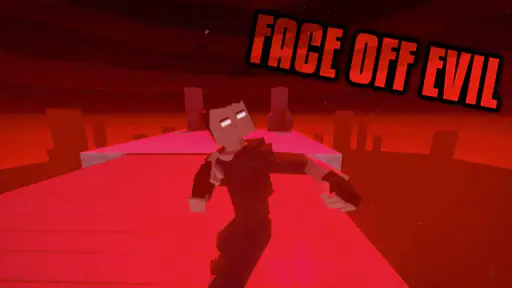
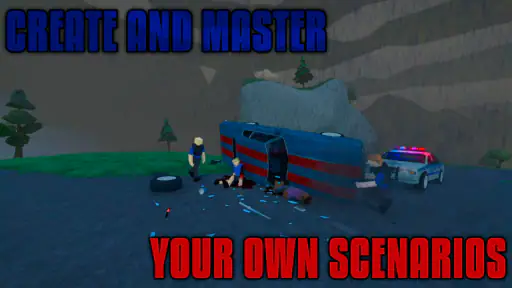
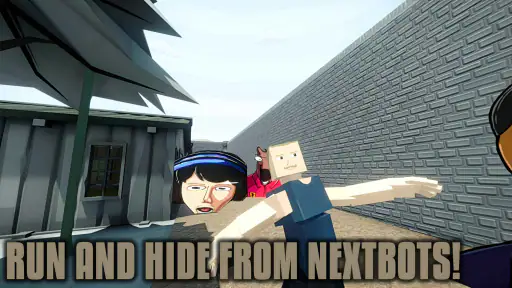
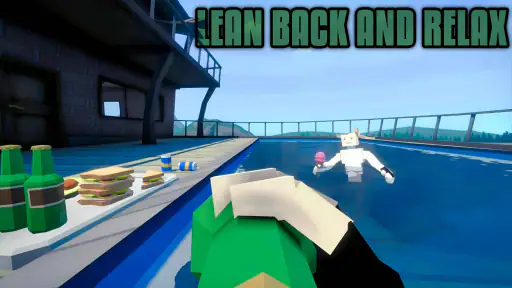
Analysis by Reviewed
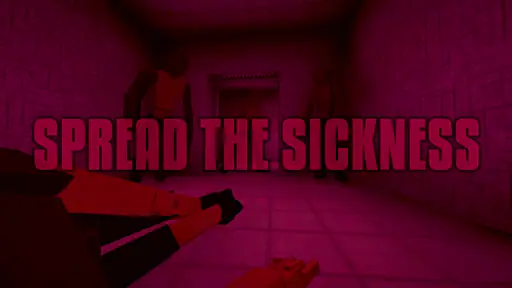
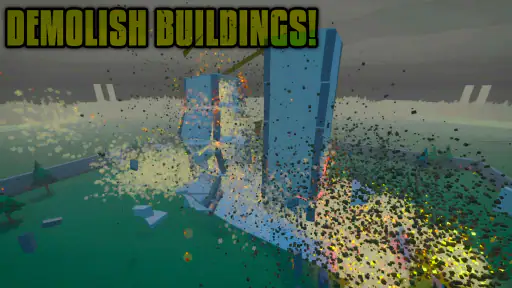
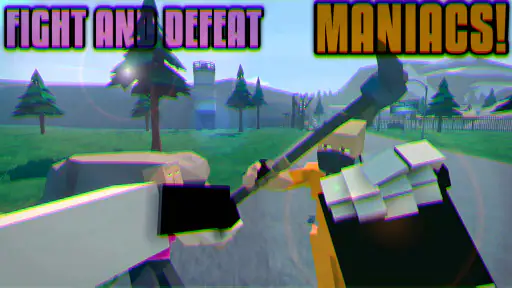
My first impression of GoreBox was that it is less interested in giving me a carefully guided mission and more interested in handing me a dangerous playground. This is an action game from F²Games built around chaotic, physics-driven sandbox play, so the fun comes from experimenting with objects, characters, movement, and destruction rather than following one narrow path. If you enjoy testing what a game world allows, it has an immediate appeal.
That freedom can also be its biggest obstacle. A first-time player may open it expecting a conventional shooter, look for a clear objective, and wonder what counts as progress. I found it easier to enjoy once I stopped waiting for a traditional campaign structure and treated each session as a small experiment. The useful question is not “What mission should I complete?” but “What can I set up, change, and learn from this scene?”
The game is free to download and aimed at a mature audience, with a Mature 17+ content rating. Its violence and gore are not background decoration, so I would not recommend installing it on a child’s device or handing it to someone who dislikes graphic action. On compatible devices running at least Android 7.1, it offers a fairly approachable entry point, although the amount of activity on screen can make the experience feel demanding depending on the phone or tablet.
What the first session really feels like
Before getting into controls, it helps to understand the kind of entertainment this game provides. It is closer to a digital toy box than a tightly scripted action adventure. You create a situation, interact with it, and see how the physics and violence combine. Sometimes the result is surprisingly effective; other times it is messy, awkward, or funny in a way you did not plan.
That unpredictability is the reason I kept returning to it. A normal action game usually asks me to aim well, survive a sequence, and reach the next checkpoint. Here, I can spend a session trying to arrange a particular encounter, testing how an object affects the scene, or simply seeing whether a plan survives contact with the game world. The satisfaction comes from making something happen, not necessarily from being rewarded with a new chapter.
For a first-time user, I suggest beginning with a small goal. Do not try to understand every option immediately. Start by learning how to move, how to interact with the environment, and how to create one simple situation that you can control. A useful first success might be setting up a basic confrontation, changing the surroundings, and escaping or resolving it without becoming overwhelmed.
The mature presentation deserves attention before installation. This is not a gentle physics sandbox with harmless slapstick. The graphic tone is central to the identity of the game, and the content will be uncomfortable for some players. If you want a clean, family-friendly construction game, this is the wrong direction. If you are specifically looking for an unrestricted action playground with a much harsher visual style, the tone makes sense.
Its popularity is easy to understand from the audience response: the game has passed 10 million installs and holds a 3.9 average from roughly 289 thousand ratings. Those figures suggest a substantial player base, but they also tell me not to expect universal approval. Sandbox games divide people because one player sees freedom while another sees a lack of structure.
Getting comfortable after installation
My advice for the first few minutes is to resist the urge to press everything at once. Mobile action controls can become confusing when movement, aiming, interaction, and sandbox tools all compete for attention. I found it more useful to identify one control at a time and repeat it until it becomes automatic. The goal is not to master the whole interface in one sitting; it is to remove enough friction that experimentation becomes natural.
Start in a quiet area if the game gives you a choice of surroundings, then move around without creating a large fight. Check how quickly your character turns, how aiming feels, and how much space you need to react. This simple walk-through matters because physics-heavy scenes can become difficult when you are still learning basic movement. If you begin with explosions, enemies, and several objects in motion, it becomes hard to tell whether a problem comes from your plan or from unfamiliar controls.
I also recommend treating the first setup as a test of your phone rather than a final judgment on the game. A busy sandbox can behave differently from an empty one. If the scene feels crowded or the controls become less responsive, reduce the amount of activity before deciding that the game is not for you. Keeping experiments smaller has another advantage: you can understand cause and effect instead of watching a pile of unrelated events collapse together.
Do not assume that spending money is necessary to learn the game. The title is free, while optional in-app purchases are listed at $5.49 per item. I would first play without buying anything and decide whether the core sandbox loop suits me. A purchase cannot solve the more important question, which is whether I enjoy creating situations without the clear progression found in a traditional action game.
Version 16.3.56 is the current version I would look for when checking compatibility and troubleshooting. If the game behaves strangely, I would first make sure the installed version is current, then restart the app and try a less crowded scene. Those are simple steps, but they are especially sensible in a game where many moving elements can interact at once.
Finding the first meaningful success
The first satisfying moment should come from a controlled experiment, not from trying to produce the biggest possible disaster. I would begin by choosing one target, one tool or weapon, and one environmental idea. For example, set up a simple encounter near cover, test how movement works, and focus on surviving the situation. Once that feels manageable, repeat it while changing only one element.
This one-change-at-a-time approach is more valuable here than it sounds. In a physics-driven sandbox, several changes can produce a result that is impossible to explain. If you alter the location, the number of characters, and the objects involved simultaneously, you may get an impressive scene but learn very little. By changing one factor, you begin to understand which parts of the environment are reliable and which are unpredictable.
A practical everyday scenario would be a short break after work or school. Instead of committing to a long session, I would give myself ten minutes to create one small challenge: reach a safe position, deal with a threat, and leave the area intact enough to repeat the test. This works better than opening the game with no intention at all, because the freedom can otherwise turn into aimless wandering.
Another useful habit is to build an escape plan before starting trouble. Know where you want to move, keep some space around your character, and avoid placing every active element in one tight cluster. When the scene becomes chaotic, a planned retreat gives you something concrete to do. It also makes failure easier to understand: perhaps the route was blocked, the timing was poor, or the scene became too crowded.
I like using the game as a creativity test rather than only as a combat test. Try staging a scene with a clear beginning, complication, and ending. You might create a guarded location, approach it from a different angle, and then see how the environment changes once the first confrontation begins. The result may not look like a polished mission, but it gives the session a shape and makes the sandbox feel purposeful.
One non-obvious strength is how useful failure can be. In a conventional shooter, a failed attempt often means repeating the same sequence. Here, a failed setup can reveal that the environment, timing, or physics creates a better possibility than your original plan. I sometimes learned more by allowing a scene to go wrong than by forcing it to behave exactly as imagined.
Why the physics changes the way you play
The physics are not merely a visual effect. They change the value of positioning and preparation. A doorway, barrier, open space, or elevated position can matter as much as the weapon in your hands. If you treat every encounter as a straightforward aim-and-fire test, you miss much of what makes the sandbox distinctive.
I found that the best experiments have a question behind them. Can I approach this area without exposing myself? Can I separate opponents instead of facing them together? Can I use the surroundings to create time to react? Questions like these turn random destruction into a repeatable method. They also help players who are not naturally interested in making elaborate scenes, because each session has a clear purpose.
There is a trade-off, though. Physics can create moments that feel unfair or uncontrolled. An object may move in an unexpected way, a character may block a route, or a carefully arranged situation may collapse before you are ready. That is part of the appeal, but it can also become tiring if you want precise, competitive action. I would choose a more conventional shooter when consistency, tight balance, and predictable enemy behavior matter more than experimentation.
The same trade-off affects touch controls. Mobile input is convenient because I can play almost anywhere, but it does not provide the same physical precision as a controller or keyboard and mouse. When several things happen at once, small aiming errors become more noticeable. I recommend using shorter sessions while learning, because fatigue makes crowded controls feel much worse.
Common confusion for new players
The first common misunderstanding is expecting a clearly marked route through the game. GoreBox is not at its best when treated like a linear action campaign. If you keep searching for the one correct objective, you may conclude that the game is empty when it is actually asking you to define the objective yourself.
The second is confusing a large scene with a successful scene. More characters, more objects, and more destruction do not automatically create more fun. In my experience, a smaller setup often produces better stories because I can follow what caused each event. Start with a manageable number of moving parts, then expand only when you understand what the current setup is doing.
Players may also wonder whether every experiment needs to end in a victory. It does not. A sandbox session can be worthwhile if it teaches you how a location behaves, reveals a useful route, or produces an unexpected interaction. I still prefer having a small goal, but the goal can be discovery rather than survival.
Another source of frustration is restarting too quickly. When a plan fails, pause and identify the first point where it stopped working. Was the approach too direct? Did you leave yourself without cover? Did the scene become crowded? Repeating the same attempt without changing the cause usually produces the same disappointment. The game rewards adjustment more than stubborn repetition.
The graphic content can also be mistaken for the entire point of the experience. Gore is part of the presentation, but the more interesting question for me is how the physical environment and player choices shape the scene. If the violence is the only feature that attracts you, the novelty may wear off. The stronger reason to stay is the combination of freedom, experimentation, and unpredictable outcomes.
How it compares with more familiar action games
Compared with a standard mobile shooter, this game gives me less of a polished path and more room to improvise. A conventional shooter is usually better at teaching objectives, pacing encounters, and making progress obvious. GoreBox is better when I want to create the conditions myself and accept that the result may be rough around the edges.
Compared with a peaceful physics sandbox, it offers a much darker form of experimentation. The mature violence changes the mood and narrows its audience, but it also gives the player a stronger sense of danger. Someone seeking construction, vehicles, or harmless mechanical puzzles may find a different sandbox more comfortable. Someone who wants action without being pushed through a fixed story may prefer this one.
It also differs from competitive multiplayer action games in an important way: the main appeal is not proving that I can outplay another person. The value is personal experimentation. That makes it suitable for players who like tinkering and less suitable for those who need rankings, balanced matches, or a constant stream of clearly measured achievements.
The game’s age rating should be part of that comparison, not an afterthought. Parents looking for something to share with younger players should skip it because the Mature 17+ presentation is fundamental to the experience. Adults who are comfortable with graphic action can judge it on its sandbox design, but the rating is a genuine boundary rather than a minor warning.
Who will enjoy it, and who should skip it
I would recommend it to players who enjoy making their own objectives, testing physical interactions, and laughing when a carefully prepared scene turns into something completely different. It is especially appealing if you have already grown tired of action games that tell you exactly where to go and what to do next.
I would be more cautious recommending it to someone who wants a story-led campaign, smooth competitive balance, or a calm game to play around children. The open-ended design can feel directionless, the physics can be unpredictable, and the mature content is impossible to separate from the game’s identity.
It is also not the best choice for a player who dislikes repeating experiments. The game becomes more rewarding when you are willing to try a setup, notice what failed, and adjust it. If you want every attempt to feel like steady progress, a level-based action game may provide a more satisfying structure.
What to try after the first few sessions
Once movement and basic interaction feel comfortable, increase complexity gradually. Add one new variable to a familiar setup instead of replacing everything. Change the approach route, alter the available space, or introduce another threat, then compare the result with your earlier attempt. This creates a personal learning curve even when the game does not present one in a traditional form.
I also suggest keeping a mental record of reliable habits: where you can retreat, which areas leave enough room to maneuver, and what kinds of crowded scenes become difficult to control. These observations are more useful than chasing spectacle because they improve every later experiment. The game becomes less random when you understand how to give yourself room to react.
If you plan to play on a phone, keep the first experiments visually simple and avoid judging performance from the most chaotic scene you can create. If you play on a larger screen, the extra space may make aiming and observation easier, but the underlying need for a clear plan remains. In either case, short, deliberate tests are the fastest route to meaningful progress.
F²Games has built something that is easy to describe in one sentence but harder to appreciate without hands-on patience. The store short description is simply “GoreBox,” while the fuller idea is a violent action sandbox where your own setup matters as much as your reflexes. That distinction explains both its appeal and its limitations.
After spending time with it, I see the free entry point as a good reason to try rather than an automatic reason to stay. The optional items priced at $5.49 each should be considered only after you know that the open-ended format works for you. I would not buy anything during the first session; I would first learn whether creating small scenarios feels rewarding.
My final recommendation is straightforward: install it if you want a chaotic physics playground with a mature tone, and begin with controlled experiments instead of maximum destruction. Give yourself one achievable goal, learn the movement, leave space for an escape, and change only one thing when testing a new idea. If that process sounds enjoyable, the game can provide memorable sessions that ordinary action titles rarely allow.
If you need a guided story, family-friendly content, or perfectly predictable combat, choose another action game. But if you like discovering what happens when your plan meets an unruly sandbox, GoreBox is worth trying for its freedom, not for a conventional progression loop. Its rough edges are real, yet they are also closely tied to the unpredictable personality that makes the game stand out.
Pros
- Creative sandbox encourages experimentation with physics and destruction.
- Wide range of tools
- weapons
- vehicles
- and interactive objects.
- Ragdoll mechanics make scenarios unpredictable and entertaining.
- Supports custom creations and community-made content.
- Frequent updates can add new items
- maps
- and gameplay options.
Cons
- Violent imagery and gore make it unsuitable for younger players.
- Controls may feel awkward on smaller phone screens.
- Large scenes can cause lag or battery drain on older devices.
- Open-ended gameplay may become repetitive without personal challenges.
- User-created content quality and safety can vary considerably.

- Category
- Action
- Version
- 16.3.56