Game of Sultans
- 18.36K
- 4.3
- Installs
- 10.00M
- Price
- Free

Screenshots



Analysis by Reviewed
I judge Game of Sultans less by how quickly it lets me rise through its court and more by whether its routine feels satisfying after the novelty wears off. It is a role-playing game built around a sultan’s empire, relationships and gradual advancement, so the best way to approach it is with a light plan rather than an expectation of nonstop action. I found that distinction matters: a few deliberate visits can be pleasant, while treating every prompt as urgent can make the game feel like a chore.
A manageable daily routine
I find this role-playing game works best as a set of short visits rather than one long session. A quick check-in can cover the familiar duties of tending to resources, developing your court and deciding which characters to invest in. That makes it easy to fit around a commute or a quiet break, though players looking for a constant stream of hands-on action may find the rhythm too stop-and-start.
A practical habit is to decide what matters before opening the game: perhaps improving a Vizier, tending to heirs, or catching up with your union. That small bit of focus helps keep routine actions from turning into aimless tapping. If I have only a few minutes, I choose one priority and leave longer decisions for a session when I can pay attention.
For example, if I open the game while waiting for dinner to cook, I can make a quick pass through the court and pick one upgrade to pursue. I would avoid starting a longer chain of decisions when I know I will need to put my phone down immediately. The useful question is not just “What can I collect?” but “What will I do with the time I have?” That keeps a short visit from becoming a string of taps with no clear purpose.
This rhythm also helps answer whether the game demands a long session every day: it need not be approached that way. Brief visits are suited to routine upkeep, while evaluating characters or participating in social activity is more enjoyable when I can give it proper attention. If you prefer a game that can be played in one complete sitting and then set aside, its recurring management loop may be less appealing.
Choices that shape the experience
Before settling into a routine, I would look through the available settings and adjust anything that makes the presentation comfortable for your device and play style. I also recommend checking how the game signals new tasks and activity, then choosing a pace that does not make every prompt feel urgent. The useful setting is the one that lets you enjoy the court without turning play into a constant interruption.
The game is free to start, with in-app purchases ranging from $0.99 to $99.99 per item. I would treat spending as optional rather than a requirement: enjoy the early progression first, then decide whether a purchase genuinely improves your experience. If you prefer games where every advantage is earned without spending, that may be a reason to approach its purchase options cautiously.
More From Our News Desk

 Gmail
Gmail in a Busy Inbox: Who Benefits Most?
From first account to crowded workday, Gmail earns its place through dependable search and flexible sorting—but its best fit depends on how much inbox maintenance you can tolerate.

 Prime Video
Switching to Prime Video: What Changes in Your Viewing Routine
Prime Video can make a compelling second home for streaming, but switching means learning a different catalog, rental layer, and route from browsing to playback.

 Universal TV Remote Control
 Works Best as a Reliable Backup
A phone remote earns its place through quick setup and reliable habits. Here is how to get more from Universal TV Remote Control—and where its limits show.

 Weather - By Xiaomi
Weather by Xiaomi Review: Clear at a Glance, Less Clear Up Close
Xiaomi’s weather app makes everyday forecasts quick to scan, but its calm surface can leave useful details and recovery paths harder to find than they should be.

 X
X Under Pressure: Can It Recover When Posting Goes Wrong?
A resilience-focused review of X, examining setup, mistaken posts, interruptions, weak connections, and the gaps that matter when recovery needs to be dependable.

 Clash of Clans
 Is Won Between the Battles
Its raids are quick; its community is a long-term project of coordination, teaching, rivalry, and shared responsibility—with all the friction that entails.
Latest News



I would make a deliberate distinction between adjusting the experience and trying to optimize every minute. Start by checking what the game actually lets you change, then leave unfamiliar options alone until you know what bothers you. This is a better approach than assuming every notification, visual choice or prompt needs a response. It also means I can keep the game’s social activity from dictating when I play: I check in when it suits me, not simply because a reminder appears.
For players who wonder whether optional purchases are worth considering, my advice is to identify a specific friction point first. If you are enjoying the normal pace, there is little reason to spend just because a purchase is visible. If a purchase is tempting because you feel behind other players, pause and ask whether comparison is making the game less enjoyable. The broad price range makes it especially sensible to set a personal limit before browsing offers.
Building a repeatable strategy
The resource loop rewards consistency more than frantic decisions. I try to avoid spreading upgrades across every available character simply because each one is appealing; concentrating effort on a small group of Viziers gives their individual strengths a clearer purpose. When the game introduces another system, I first ask how it connects to the resources and characters I already use, instead of treating every new screen as an independent priority.
Social play can also be easier to manage with a simple routine. Checking in with a union when I have time to participate is more useful than joining and then ignoring the social side entirely. The community layer is a genuine draw if you enjoy comparing progress and chatting, but it is not essential for someone who would rather play alone and focus on the court’s personal story.
A useful way to make upgrades easier to judge is to keep a simple mental shortlist: which Viziers am I developing, and what role do I expect them to serve? That gives me a reason to say no to distractions instead of treating every newly available character as an automatic investment. I would also revisit that shortlist when my priorities change, rather than continuing to spend resources on a plan that no longer fits how I play.
For unions, it helps to decide whether you want conversation, shared activity or simply a light sense of community. Those are different reasons to join, and being honest about which one matters prevents the social layer from becoming another obligation. If I am busy, I can focus on my own court and return when I have time to take part; if I want a more social session, I can make that the purpose of opening the game rather than expecting every visit to do everything.
Who will enjoy the court
The game suits players who like collecting and developing characters, steady empire management, and a romantic courtly setting more than fast combat. Its mix of resource decisions, relationships and social competition gives it a different flavor from role-playing games built around action or a tightly authored, linear story. If you want real-time battles to dominate every session, a more combat-focused alternative will probably be a better fit.
For a realistic everyday example, I might open it during a short evening break, handle the routine parts of my empire, choose one longer-term upgrade, and then leave the social conversation for a moment when I can respond properly. That approach keeps the game enjoyable without making it feel like another task list. It also helps answer a common question: yes, it can work for brief sessions, but deeper planning and social interaction benefit from more attention.
Compared with the usual role-playing alternatives, this is a better match for someone who enjoys managing a cast and watching several parts of an empire develop than for someone who wants precise control over a battle in every session. It has a court-centered identity: relationships and progression share attention with resource decisions, rather than serving only as decoration around combat. A story-led RPG is preferable if you want a carefully paced narrative that reaches a clear conclusion; a combat-first game is the stronger choice if tactical encounters are your main reason to play.
I would recommend it most to players who like checking in, making a few connected decisions and seeing those choices accumulate. It is less suited to someone who dislikes repeated management, wants every activity to be immediately interactive, or finds social comparison stressful. Neither preference is wrong; the important thing is recognizing that the appeal here comes from steady court development, not from constant novelty.
What to expect before committing
DreamPlus Games released this role-playing game on July 26, 2018. It is free to play, rated Teen, and requires Android 5.0 or later; its audience has given it an average rating of 4.3 from around 601,000 ratings, with over 10 million installs. Those figures suggest it has found a broad audience, but they do not change the main decision: its appeal depends on whether you enjoy gradual progression, court relationships and recurring management tasks.
I would skip it if you dislike waiting for progression, prefer a self-contained story with a clear ending, or do not want optional purchases in a free game. I would also be cautious if you feel compelled to keep up with every social activity; the game is more pleasant when you set your own pace. Its Teen rating is worth considering for younger players and families choosing a game together.
One practical question is whether someone can enjoy it without treating it as a competitive project. I think so: the court and character progression provide their own reasons to return, while unions add a social option rather than defining every player’s experience. Still, if being part of a group is what motivates you, choose one whose level of activity feels comfortable instead of joining simply to avoid missing out.
Another is whether a long-time player needs to master every system to get value from the game. I would not make that the goal. The more useful skill is learning which parts you personally enjoy and building a repeatable routine around them. Leaving a lower-priority screen for later is not a failure; it is a way to keep the game’s many decisions from competing for your attention all at once.
First Impressions
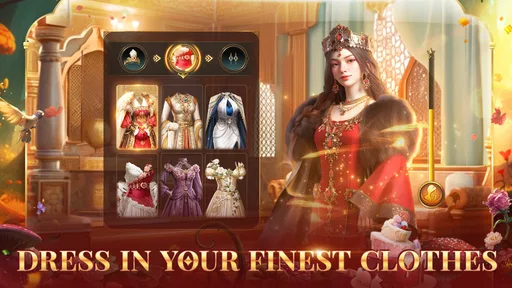
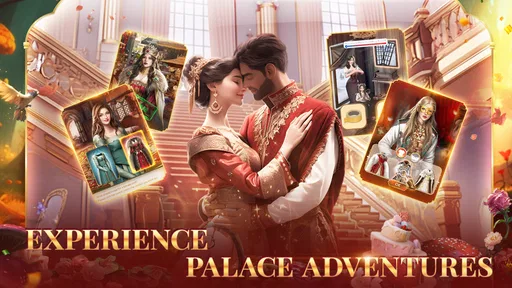
When I first opened Game of Sultans, I was immediately struck by the lush graphics. The game has a rich, colorful design that pulls you right in. You start off as a young sultan, and your journey to power includes everything from managing your empire to building alliances. The game does a great job of making you feel like you're in a historical epic, complete with beautiful costumes and detailed settings.
Gameplay Mechanics
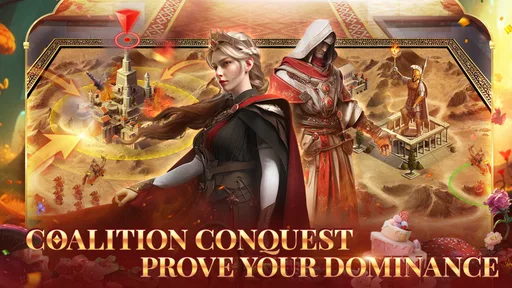
The gameplay itself is pretty intuitive. You don’t need to be a history buff to get the hang of it. The main goal is to expand your empire, and you do this by engaging in battles, making strategic decisions, and forming alliances. There's a nice mix of strategy and role-playing. One minute you're plotting to conquer new territories, the next you're deciding who to marry to strengthen your empire. It's a bit like a historical soap opera, and I mean that in the best way possible!
One of the standout features is how you can interact with other players. The social aspect is really engaging. You can join unions, chat with other players, and even compete against them. It adds a layer of depth that keeps you coming back for more.
Managing Your Empire
Your empire's success depends on how well you manage resources like grain, gold, and military power. It’s a balancing act, and the game does a good job of introducing these elements gradually. You start with simple tasks and slowly work your way up to more complex decisions. It's rewarding to see your empire flourish as you make smart choices.
And let’s not forget the Viziers. These are your trusted advisors, and choosing the right ones can make all the difference. Each Vizier has unique abilities that can boost your empire's stats. It’s like assembling your own dream team!
The Intrigue of the Harem
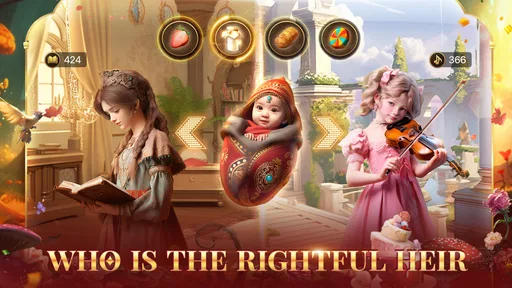
One of the more unique aspects of the game is the harem. As a sultan, you have the opportunity to meet consorts and raise heirs. This part of the game adds a personal touch, making you feel even more invested in your character's life. Plus, the consorts and heirs can contribute to your empire's strength, so it’s not just for show!
Because this side of the game connects personal relationships with empire development, I would treat it as more than a decorative detour. When I am choosing what to focus on during a short visit, I consider whether I want to tend to the court’s relationships or work on a more direct management goal. That small choice gives the session a shape and makes the different parts of the game feel connected rather than like unrelated menus.
Graphics and Sound
Visually, the game is top-notch. The attention to detail in the characters' costumes and the architecture of the empire is impressive. The animations are smooth, and the game runs well even on older devices. The soundtrack complements the gameplay perfectly, with a mix of traditional and epic tunes that enhance the immersive experience.
The presentation is a good reason to try it if you enjoy ornate character designs and a palace atmosphere, but it is not enough on its own to carry the game for everyone. I would give the visual style time to work alongside the court routine, rather than expecting it to make every management task exciting. If you usually prefer stripped-back interfaces and fast access to tactical play, the elaborate setting may feel less important than the slower systems underneath it.
Final Thoughts
Overall, Game of Sultans is a fun and engaging way to experience the life of a sultan. It combines strategy, role-playing, and social interaction in a way that keeps you hooked. Whether you're a fan of history or just looking for a new game to dive into, it’s definitely worth a try. So, ready to rule your empire? The game is available for download on both Android and iOS, and I promise you won't be disappointed.
My recommendation comes with one qualification: go in for the court, the characters and the steady sense of building an empire, not because you expect a pure strategy game or a continuous action RPG. Give yourself permission to ignore distractions, spend only if you have a clear reason, and let your routine grow around the parts that genuinely hold your interest. If that sounds like a comfortable way to play, this palace is worth visiting; if you want a compact story or battles at the center of every session, I would choose a different kind of role-playing game.
Game of Sultans Frequently Asked Questions
Can I play Game of Sultans on my device?
Game of Sultans is available for Android and iOS, and the Android version requires Android 5.0 or later. Before downloading, check that your device runs a compatible version of its operating system and has enough available storage for the game. It is a role-playing game centered on palace life, so make sure that style of gameplay appeals to you as well.
How much does Game of Sultans cost, and are there in-app purchases?
Game of Sultans is free to download and play, with optional in-app purchases priced from $0.99 to $99.99 per item. Purchases can offer resources, special features, or items for your Sultan and empire, but spending is not required to try the game. If younger players use the device, consider setting appropriate purchase controls before they begin.
What kind of game is Game of Sultans, and what is its main appeal?
Game of Sultans is a role-playing game built around the idea of a romantic life at a palace. You step into the role of a Sultan and experience ruling an empire alongside personal relationships and decisions. Its mix of courtly life and empire management may appeal to players who enjoy character-focused progression as well as strategy.
Is Game of Sultans suitable for younger players?
Game of Sultans has a Teen content rating, so it is generally intended for teenage players and older rather than young children. The game combines role-playing and strategy with palace relationships and decisions about ruling an empire. Parents or guardians may want to review the game’s content and consider whether its themes and in-app purchases are appropriate for the player.
Who developed Game of Sultans, and is it an established game?
Game of Sultans was developed by DreamPlus Games. It is a role-playing game that has been available since July 26, 2018, and has attracted a large player community, with over 10 million installs and an average rating of 4.3 from around 601,000 ratings. Those details make it an established choice for players interested in palace life and empire management.
Pros
- Engaging storyline with rich historical elements.
- Diverse characters with unique abilities.
- Strategic gameplay keeps players invested.
- Frequent updates with new content.
- Multiplayer alliances enhance social interaction.
Cons
- In-app purchases can be quite expensive.
- Progression can be slow without spending.
- Some tasks feel repetitive over time.
- Requires a stable internet connection.
- Notifications can be overwhelming.