Frozen Beauty (F2P Mystery)
- 47.00
- 4.4
- Installs
- 50.00K
- Price
- Free

Screenshots
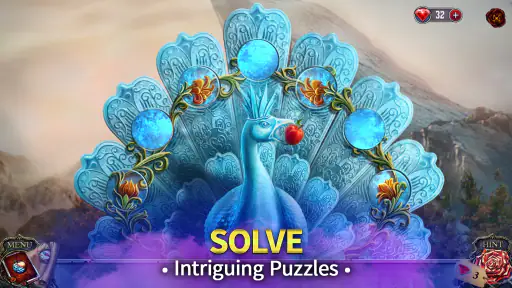
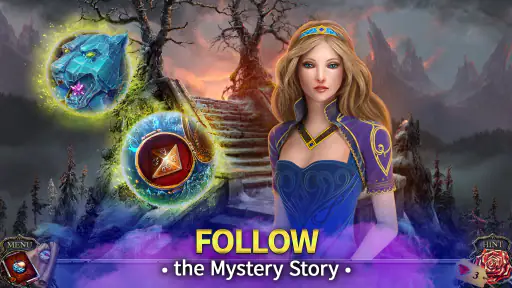
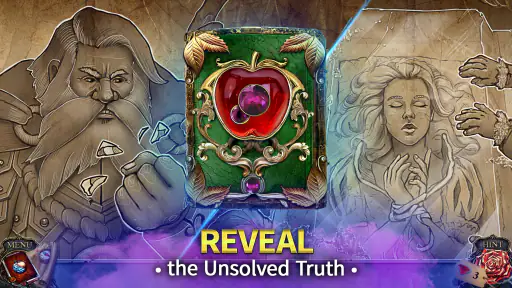
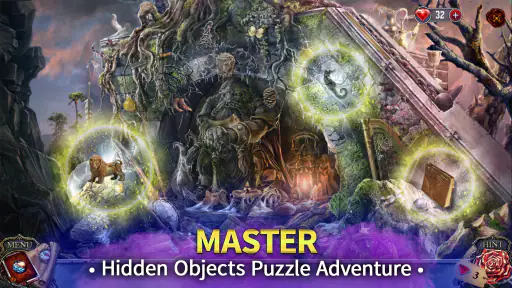
Analysis by Reviewed
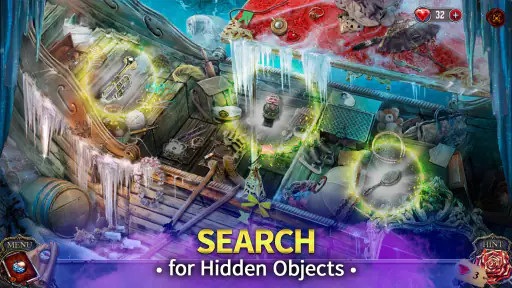
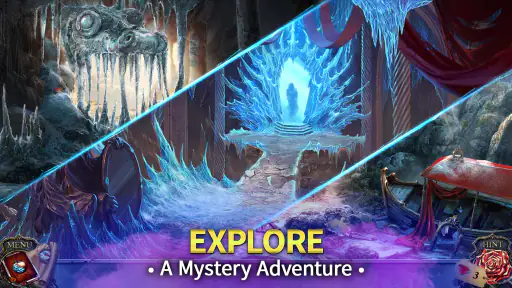
I spent time with Frozen Beauty (F2P Mystery) as a compact adventure game built around looking closely, testing ideas, and moving through a frozen mystery at my own pace. The first impression is simple: I enter a scene, search for hidden objects, solve a puzzle, and use that progress to reach the next moment of the story. What makes the experience work is not a complicated control system, but the steady shift from “What am I looking for?” to “I think I understand how this place fits together.”
That makes it a comfortable choice when I want a quiet game rather than a reflex challenge. I can play it in short bursts, pause when a puzzle stops making sense, and return later without needing to relearn a large set of controls. At the same time, anyone expecting an action-heavy adventure, open exploration, or a deep role-playing system should adjust their expectations. This is primarily a hidden-object and puzzle adventure, with its appeal coming from observation and deduction.
Starting with a careful search
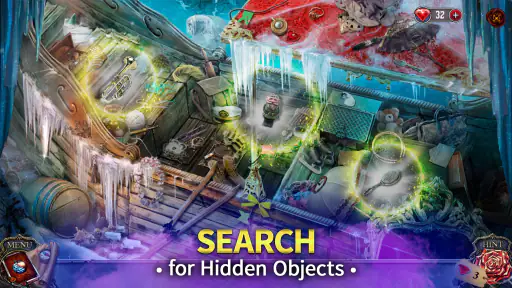
The first action in this kind of game is important because it teaches me how to look. I do not begin by rushing from one dramatic set piece to another. I begin by examining a scene and deciding which details deserve attention. A useful habit is to scan the whole image before tapping anything. I look for shapes that do not belong, objects that contrast with the surrounding colors, and places where the environment appears to invite interaction.
That approach suits the frozen setting particularly well. Snow, pale surfaces, and decorative details can make an object feel either obvious or deliberately concealed, depending on how the scene is arranged. I found that random tapping was less satisfying than building a visual routine: check the edges, inspect crowded areas, then return to the center once I understand the scene. This is one of the small ways the game rewards patience without needing to explain every step.
The search also gives the adventure a tangible starting point. I am not merely waiting for text to tell me what happened. I am participating by identifying the useful pieces of a location. When I find something relevant, the scene becomes easier to read because I know more about its purpose. That connection between observation and progress is the strongest reason to keep playing.
How the feedback rhythm keeps me moving
Each successful interaction creates a small feedback loop. I notice an object, tap it, receive confirmation, and immediately have a clearer idea of what remains. When I make progress on a puzzle, the reward is not only the completed task. It is also the reduction of uncertainty. A locked situation starts to feel understandable, and that feeling is what encourages another search.
The rhythm is gentler than in most action adventures. There is no need to memorize a combat pattern or react within a narrow window. Instead, the game asks whether I can connect visual clues with a practical next step. That makes it approachable for players who enjoy mystery games but do not want pressure. It also makes the experience suitable for a relaxed evening, a commute, or a short break when I want something more engaging than scrolling.
There is a trade-off here. Because the core loop depends on careful inspection, a puzzle can lose momentum if I overlook one small item. The game then feels less like a mystery and more like a search for the one pixel I missed. My best solution was to stop tapping randomly and change the way I viewed the scene. I would zoom my attention onto one area at a time, mentally separate decorative objects from functional ones, and revisit locations after learning a new clue. That simple reset of attention was often more useful than repeatedly pressing the same spots.
The most useful skill is not speed; it is controlled observation. Players who enjoy finding patterns and noticing visual relationships will get more from the game than players who treat every scene as a race. The feedback is satisfying when I earn it through a change in perspective.
Puzzles that turn objects into progress
Hidden-object games can become repetitive when the search feels disconnected from the story. Here, the adventure format gives the collected details a purpose. I am not searching just to fill a checklist. I am searching because the next step depends on understanding the environment. That makes the transition from discovery to puzzle solving feel natural, even when the individual action is as simple as selecting an object.
I recommend reading the situation around a puzzle before trying solutions at random. If a scene contains several unusual details, I first ask what they have in common. Are they pointing toward an order, a location, or a relationship between objects? This way of thinking reduces wasted attempts and makes the eventual solution feel earned. It also helps when I return to the game after a break, because I can reconstruct the logic instead of relying on memory alone.
Another practical tip is to treat every newly revealed item as a prompt rather than an answer. A key-looking object may matter later, while a seemingly decorative detail may explain why another interaction works. Keeping that distinction in mind prevents me from assuming that the most obvious object is automatically the next objective.
This is where the game differs from a typical casual matching title. A matching game usually gives me a clear board, a visible goal, and immediate mechanical feedback. Frozen Beauty asks me to interpret a scene first. Compared with a traditional adventure game, however, it is much lighter: there is less emphasis on movement, inventory management, or character control, and more emphasis on visual inspection. It sits comfortably between a picture-search experience and a story-led puzzle game.
What the reward feels like
The reward structure is based on understanding. Completing a search or solving a puzzle opens the next piece of the adventure, so the satisfaction comes from seeing the frozen mystery become more coherent. I like that the reward is connected to the action I just performed. I searched, I found the relevant details, I solved the obstacle, and I received a reason to continue.
That sequence matters because it prevents the game from feeling like a collection of unrelated mini tasks. Even when a particular challenge is modest, it contributes to the larger feeling of moving through a place with secrets. The atmosphere benefits from that pacing. I am given enough time to inspect a location, but the game still provides a clear reason to leave it behind once I have completed its purpose.
The free entry point is another practical advantage. I can try the game without committing money upfront, which makes it easy to decide whether its slower mystery style suits me. There are optional in-app purchases ranging from $0.99 to $14.99 per item, so players who prefer a completely uninterrupted free experience should pay attention to the purchase flow and avoid treating optional spending as part of the normal puzzle routine. For me, the sensible approach is to enjoy the core investigation first and decide later whether any optional purchase is genuinely useful.
That distinction is especially important for this genre. A hint can be tempting when I am stuck, but using help too quickly can remove the best part of the experience: the moment when a scene finally makes sense. I prefer to take a short break, return with fresh eyes, and only then consider assistance. The game is more rewarding when I preserve some room for my own deduction.
The reset that begins another session
Every session eventually reaches a natural stopping point. I may finish a puzzle, reach a new location, or simply pause after exhausting my attention. The useful thing is that the game does not require a long uninterrupted block of time to be enjoyable. Its structure supports short visits because the main task is clear: inspect, solve, and move forward.
When I return, I use a small personal reset. I remind myself what the current scene is asking, review the objects I already understand, and avoid tapping until I have formed a new hypothesis. This makes the restart feel purposeful rather than repetitive. The reason to begin another session is not merely that the game is available; it is that the previous session left an unresolved question.
This pattern works well in everyday situations. If I have fifteen quiet minutes before an appointment, I can investigate a scene without needing the commitment demanded by a large open-world game. If I am winding down at night, the slower pace is less tiring than a competitive title. On the other hand, if I want a game that gives me constant action during a short break, this is probably the wrong choice. Searching for a subtle object can require patience, and the calm pace may feel too passive for players who want immediate excitement.
A second useful scenario is playing alongside another person. One player can scan the left side of a scene while the other studies the right, then both can discuss what appears relevant. The game’s visual mystery format naturally encourages that kind of conversation. It is not a substitute for a cooperative adventure with shared controls, but it can work as a low-pressure “look together” experience.
Who will enjoy the frozen mystery
I would recommend this adventure to players who like hidden-object challenges, visual clues, and story progress that comes from solving rather than fighting. It is also a good fit for people who want a game that is easy to understand on a phone. The controls are centered on examining and selecting, so the learning curve is far gentler than games built around movement, combat, or complex menus.
The Everyone content rating makes it suitable for a broad audience, although individual preferences still matter. Younger players may enjoy the search element, while adults may appreciate the quiet pacing and the chance to solve something without competitive pressure. If you are choosing it for a family member, I would describe it as a mystery game that asks for attention, not a fast arcade experience.
I would skip it if you dislike hidden-object scenes, become frustrated when a clue is visually subtle, or want a highly reactive story with many character-driven choices. I would also choose a conventional puzzle game instead if I cared more about elegant standalone mechanics than atmosphere and progression. Frozen Beauty works best when the investigation itself is the reason to play.
Performance, access, and practical expectations
The game is free to start and is available for Android devices running version 6.0 or later. Friendly Fox Games is the developer, and the current version is 1.5.5g. Those details make it a relatively accessible option for players using older compatible hardware, though the actual comfort of play will still depend on screen size and how easily I can distinguish small objects.
A larger phone or tablet can make careful searching more comfortable than a small display. This is not because the game demands advanced controls, but because visual clarity matters to the central loop. I found that playing with the screen clean and the brightness adjusted to the room helped more than trying to move quickly. When the scene is visually busy, small practical choices like these reduce unnecessary frustration.
The game has reached over 50 thousand installs and holds a 4.4 average from around 1.3 thousand ratings, with 47 written reviews. Those figures suggest that it has found an audience among players who enjoy this particular style, but they should not replace a personal trial. The free price makes that trial straightforward: spend a little time with the first searches and see whether the pace feels inviting or slow.
My verdict on the complete loop
The complete loop is easy to describe but effective when the pieces connect: I inspect a frozen scene, identify an object or clue, receive confirmation, use that discovery to solve a puzzle, and gain enough progress to make the next session feel worthwhile. The reset happens when I pause, but the unanswered mystery gives me a reason to return. That is the game’s central strength.
It is not trying to replace a large adventure with exploration, combat, or elaborate character systems. Instead, it offers a focused mystery experience for players who enjoy looking carefully and making small deductions. The best sessions are the ones where I stop treating the screen as a picture full of taps and start treating it as a set of connected clues.
My recommendation is therefore specific: choose Frozen Beauty (F2P Mystery) if you want a calm, accessible adventure built around hidden objects and puzzles, especially when you prefer progress through observation rather than reflexes. Keep your expectations realistic about the slower pace, be patient when a scene resists you, and remember that optional purchases are not the same thing as the core reason to play. For the right player, each solved detail creates just enough curiosity to begin one more session.
Pros
- Charming frozen-world visuals create a memorable atmosphere.
- Short mystery chapters fit well into quick play sessions.
- Free-to-play access lets players try the core story without payment.
- Simple controls make the game approachable for casual players.
- Collectible clues encourage exploration beyond the main objectives.
Cons
- Energy or waiting systems may interrupt longer play sessions.
- Some clues can feel vague and require trial-and-error searching.
- Optional purchases may speed up progress or unlock extra content.
- The story may feel brief for players seeking a lengthy adventure.
- Performance can vary on older devices or with limited storage.

- Category
- Adventure
- Version
- 1.5.5g