Days Bygone - Castle Defense
- 3.00K
- 4.7
- Installs
- 5.00M
- Price
- Free

Screenshots
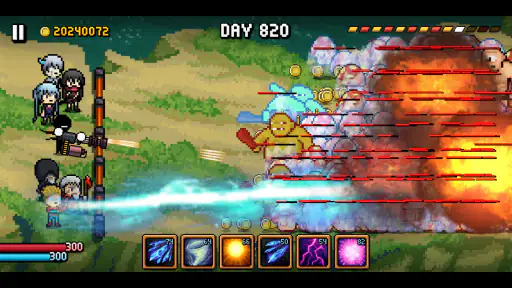
Analysis by Reviewed
Days Bygone - Castle Defense is the kind of action game I can open for a few minutes, make meaningful progress, and put down without feeling that I have abandoned a complicated campaign. Its central appeal is simple: defend a castle, improve the tools available to you, recruit heroes, and push through increasingly demanding enemy attacks. In my experience, that straightforward loop works best when I want a low-pressure game with long-term progression rather than a fast competitive match.
That simplicity is also the main reason I would not recommend it to everyone. The game asks you to enjoy repeated improvement, careful spending, and gradual advancement. If you want a story-heavy adventure or direct control over a full battlefield, this may feel limited. If you like watching a defensive setup become stronger over time, however, it has enough depth to keep the routine interesting.
How the castle defense loop feels in practice
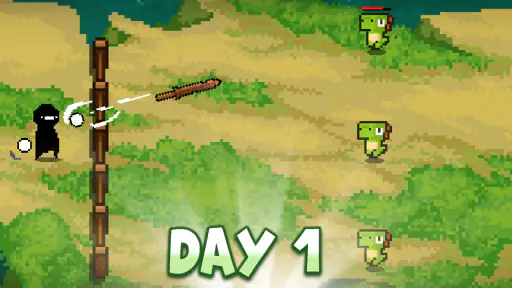
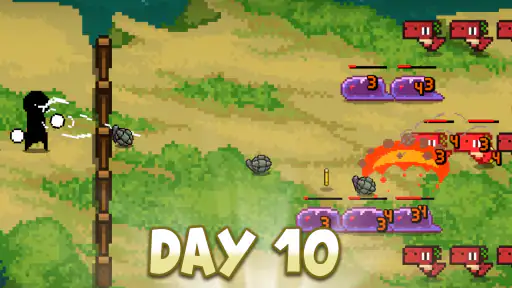
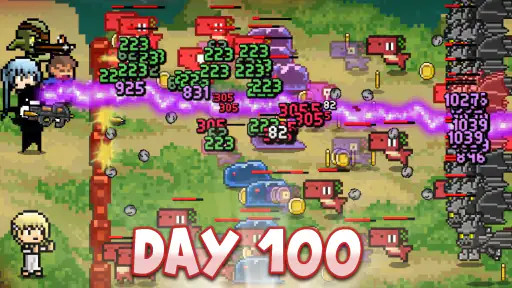
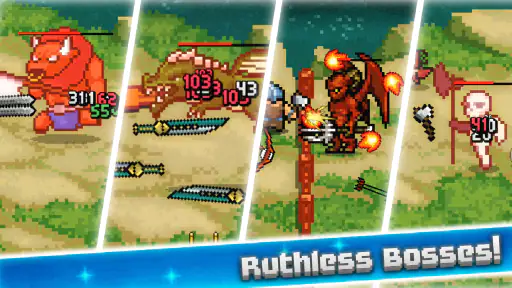
The first sessions are easy to understand. Enemies approach, your defenses attack, and your job is to make the castle stronger before the next challenge exposes a weakness. The store summary points to upgrading gear, recruiting heroes, defeating enemies, and growing the castle, but the satisfying part is how those actions connect. A better weapon helps you survive longer; stronger heroes add another layer to your defense; successful runs give you more room to improve.
I enjoy this structure because it gives every short session a clear purpose. I can log in while waiting for a bus, complete a small stretch of progress, and leave with a stronger setup than I had before. It does not require me to remember a complex control scheme or coordinate with other players. The game is built around returning, making an upgrade decision, and seeing whether that decision carries me farther.
The most important choice is not simply buying whichever improvement looks strongest. I found it more useful to think about what is currently stopping progress. If regular enemies are overwhelming the castle, direct damage and defensive strength matter more than a flashy addition that only helps occasionally. If a difficult encounter lasts too long, improving sustained output can be more valuable than making the opening seconds slightly stronger. That kind of prioritization gives the upgrade screen more meaning than a basic “tap the largest number” system.
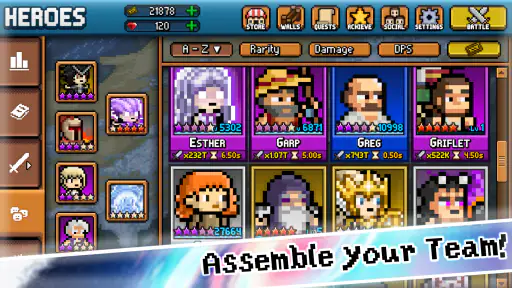
Heroes add another decision point. Recruiting them is not just a collection exercise; it changes how I think about the defense. A hero can make a weak point less noticeable, but investing broadly can also leave everything merely adequate. I prefer choosing a dependable core first and expanding when the current setup has a clear gap. This is one of the game’s less obvious lessons: a smaller group of well-supported choices can feel better than spreading resources across every available option.
The castle itself gives the progression a useful sense of place. Instead of feeling like a disconnected sequence of menus, the improvements suggest that the defended location is gradually becoming more capable. That framing makes repeated battles easier to accept. I am not only chasing another victory; I am building a stronger answer to the next attack.
Why the progression holds attention
The game’s strongest feature is the relationship between immediate action and longer-term planning. A single battle may be short, but the decision afterward can affect several later attempts. Should I improve my main gear, strengthen a hero, or save resources for a more important upgrade? Those choices are modest, yet they make the next run feel like a test of preparation rather than a completely separate event.
I also like that failure can be informative. When an attack breaks through, I can usually identify a practical reason: my damage is too low, my defense is lagging, or I have invested in an option that does not address the current obstacle. That makes setbacks less frustrating than losses in a purely reflex-based game. The answer is usually to adjust the build or accumulate more progress, not to blame an unpredictable teammate.
For a newcomer, my advice is to avoid spending everything immediately. Keep enough flexibility to respond when a new obstacle appears. It is tempting to upgrade the first useful item repeatedly, but a balanced approach often gives a smoother experience. I would also test changes over several attempts rather than judging them after one unusually easy or difficult round. The game rewards patience more than impulsive switching.
Another practical habit is to separate “progress upgrades” from “comfort upgrades.” A purchase that makes the current stage feel easier may be pleasant, but it is not always the best route through a tougher section. When I focused first on improvements that solved a specific recurring problem, I wasted fewer resources and reached the next milestone with a more coherent setup.
The role of heroes and gear
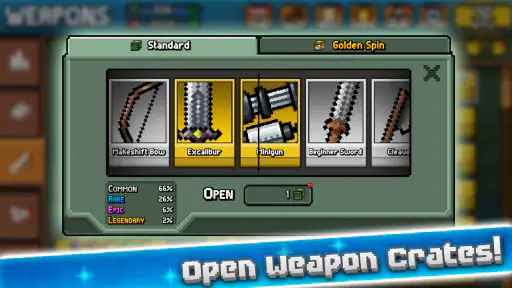
Gear and heroes serve different purposes in the overall rhythm. Gear feels like the direct foundation of the defense, while heroes make the setup more flexible. That distinction matters when deciding where to invest. If the basic damage output is weak, recruiting another hero may not solve the underlying issue. Conversely, if the main weapon is already doing its job but a particular type of pressure keeps causing trouble, a hero can be the more useful answer.
I would not treat every new recruit as an automatic improvement. A new option is only valuable when it fits the current stage and the rest of the defense. This is a good place to slow down and compare what the castle actually needs. The game becomes more interesting when I make that judgment myself instead of following a single permanent upgrade path.
Players who enjoy experimenting should get more from this system than players who want one obvious best build. The freedom is not unlimited, but it is enough to make personal choices matter. I found the most satisfaction in trying a change, observing where it helped, and then deciding whether the benefit justified the resources spent.
Where the experience becomes repetitive
The main weakness is repetition. The core loop is intentionally narrow, and even a well-designed upgrade system cannot completely hide that I am repeatedly defending against attacks and improving the same general set of tools. At first, that repetition feels relaxing. After longer sessions, it can become mechanical, especially if I am waiting for enough resources to make the next meaningful improvement.
For that reason, I think the game works better in short visits than in marathon sessions. Playing continuously can make the gaps between important upgrades feel more noticeable. I would rather check in, complete a few useful actions, and return later than force myself through a long stretch when the available decisions are minor.
The gradual pace may also frustrate players who expect constant new content or dramatic changes. This is not the right choice if your idea of an action game involves rapid movement, elaborate levels, or a large variety of mission types. Its action comes from defending and optimizing, not from controlling a character through a changing environment.
Free access and spending choices
The game is free to download, with optional in-app purchases ranging from $0.99 to $49.99 per item. That pricing range is important to understand before starting. I can approach the game without paying, but the presence of purchasable items means some players may feel tempted to spend when progress slows.
My recommendation is to decide on a personal limit before playing. The strongest protection against unnecessary spending is knowing whether you are enjoying the decisions or merely trying to remove a delay. If the fun comes from planning upgrades and watching the castle improve, free progression can remain satisfying. If you feel uncomfortable whenever advancement is not immediate, the purchase options may make the experience less relaxing.
I would also avoid buying something simply because a single difficult stage has exposed a weakness. First, try changing the allocation of resources, improving the most relevant part of the defense, and making a few more attempts. A purchase may provide a shortcut, but it does not replace understanding why the current setup is failing. That distinction is especially useful for newcomers who are still learning what each improvement contributes.
Who will enjoy it most
This is a strong fit for players who like incremental games with an action wrapper. You should enjoy it if you prefer watching numbers and abilities develop, making small strategic decisions, and returning to a familiar system over time. It is also suitable for people who want something that can be played in brief sessions without demanding constant attention.
A realistic everyday use case would be a short evening break after work. I can open the game, review the current bottleneck, spend saved resources on one sensible improvement, and attempt a few defenses. There is enough structure to feel productive, but not so much pressure that I need to dedicate the entire evening to it. That makes it easier to fit around a busy routine than a long role-playing game or a multiplayer title with fixed match times.
It is also a good option for younger players within its Everyone 10+ content rating, provided the adults responsible for the device are comfortable with the optional purchases. The controls and objectives are easier to grasp than those of many strategy games, while the upgrade decisions offer more thought than a purely casual tap game.
On the other hand, I would skip it if your priority is a rich narrative, direct movement, or highly varied combat. Players who want to aim, dodge, explore, and react in real time will probably find the defensive format too passive. Someone looking for a deep competitive experience may also prefer a game built around human opponents rather than personal progression.
How it compares with familiar alternatives
Compared with a traditional tower-defense game, this feels more focused on personal growth and repeated improvement than on arranging a large collection of structures across changing maps. A classic tower-defense player may miss the spatial puzzle of deciding exactly where every tower belongs. In exchange, this game offers a more persistent sense of developing the castle, gear, and heroes.
Compared with an idle game, it gives me more to think about than simply collecting rewards and waiting for a timer. The defensive encounters create a reason to check whether my choices are working. Still, it does not provide the same kind of active control as a conventional action title. It sits between those styles: relaxed enough for occasional play, but strategic enough that the upgrade path matters.
That middle position is both its identity and its limitation. It is more involved than a passive progression app, yet less physically demanding than a character-based action game. I would choose it when I want planning without the intensity of constant reflex play. I would choose something else when I want exploration, dramatic storytelling, or a battlefield that changes substantially from one stage to the next.
Practical advice for starting well
During the opening hours, I suggest observing what causes each failed defense before changing several things at once. If you upgrade gear, recruit a hero, and alter your approach simultaneously, it becomes difficult to know which decision helped. One change at a time makes the progression easier to understand and protects resources from unfocused spending.
Do not judge the entire game by the first few easy encounters. Early progress is designed to introduce the rhythm, while later decisions reveal whether you have built a balanced defense. At the same time, do not assume that every difficult wall requires payment. A wall can be a signal to reconsider priorities, wait for more resources, or use a different combination of available tools.
I also recommend treating the game as a long-term routine rather than a race. Short, regular sessions suit its design better than trying to finish every available improvement in one sitting. That approach reduces the frustration caused by repetition and makes each upgrade feel like part of a continuing project.
My verdict after spending time with it
Days Bygone - Castle Defense succeeds because it understands the pleasure of gradual progress. The castle, gear, and heroes give me several ways to respond when advancement slows, and the action format keeps the upgrade decisions connected to an immediate goal. The average rating of 4.7 from around 67 thousand ratings and more than 5 million installs suggest that its accessible formula has reached a substantial audience, and I can see why it appeals.
Frivolition has made a game that is easy to start but offers enough resource management to reward attention. Its current version is 2.9.2, and it runs on devices using Android 6.0 or later. Those practical details make it approachable for many Android users, while the free entry point removes the need to commit money before deciding whether the loop suits you.
My final recommendation is specific: try it if you want a calm, progression-driven action game that fits into short breaks and gives you meaningful upgrade choices. Keep your spending boundaries clear, play in manageable sessions, and expect repetition as part of the design. Skip it if you need constant novelty, direct character control, or a story that carries the experience forward. For the right player, it is a satisfying castle-building routine; for everyone else, its narrow loop may become apparent quickly.
Pros
- Simple controls make the game easy to learn on mobile.
- Offline play lets you progress without a constant internet connection.
- Many heroes and weapons provide plenty of build variety.
- Frequent events and challenges add extra goals beyond the main stages.
- The colorful art style and effects suit short
- casual play sessions.
Cons
- Progress slows noticeably at higher stages without careful upgrades.
- Premium currency and limited resources can encourage in-app purchases.
- Repeated waves may feel monotonous during longer grinding sessions.
- Some upgrades take significant time to unlock or improve.
- The large number of systems can feel confusing for new players.

- Category
- Action
- Version
- 2.9.2