Dawn of Zombies: Survival Game
- 8.75K
- 4.3
- Installs
- 10.00M
- Price
- Free

Screenshots
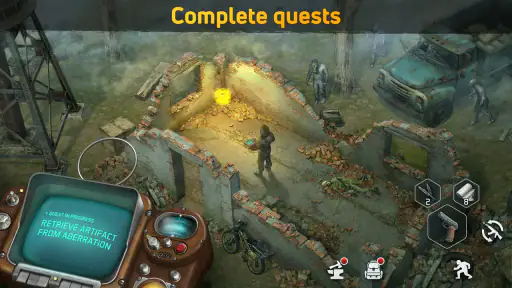
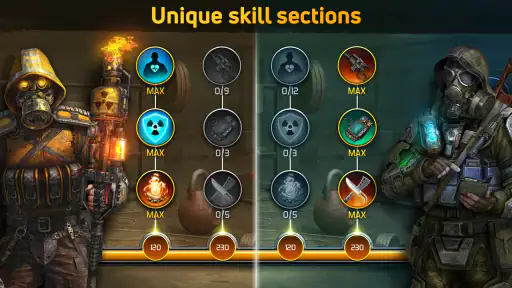
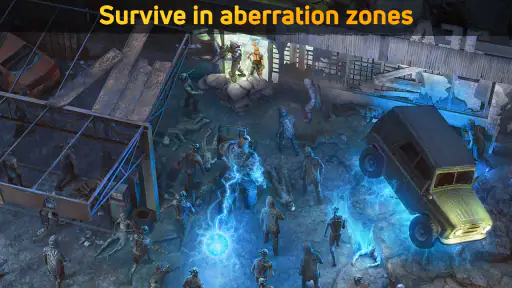
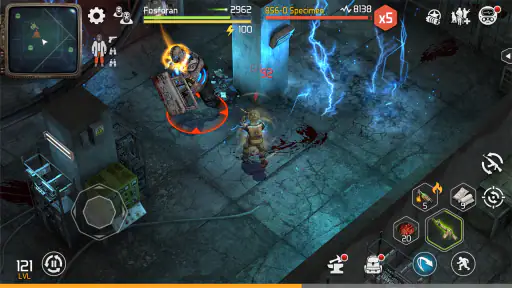
Analysis by Reviewed
I spent enough time with Dawn of Zombies: Survival Game to get past the first burst of curiosity and see what remains when the novelty wears off. This is a free action game from Royal Ark, built around a bleak post-apocalyptic setting where gathering, crafting, shooting, and staying alive are tied together rather than treated as separate activities. Its appeal is immediate, but its real test is whether the routine remains interesting after the early discoveries become familiar.
My short answer is that it can earn a regular place on your phone if you enjoy survival games that ask you to plan before acting. It is less suitable if you want a quick, uncomplicated shooter or a relaxed game that never pressures you to manage resources. The world is hostile, progress takes attention, and the free-to-play structure can make patience part of the experience.
What the first week feels like
The opening hours work because almost every action has a practical consequence. Exploring is not just sightseeing: it is a chance to find useful materials, encounter danger, and return with enough supplies to justify the risk. Crafting is not decorative either. It gives the scavenging loop a purpose, because the items you collect become equipment, consumables, or tools that help you push farther.
I like this kind of design when the game explains its priorities clearly. In the early stages, I found myself learning a simple rhythm: prepare, enter a dangerous area, collect what seems worthwhile, avoid wasting valuable gear, and head back before the trip turns into a loss. That rhythm gives the first week a satisfying sense of progress even when an expedition does not go perfectly.
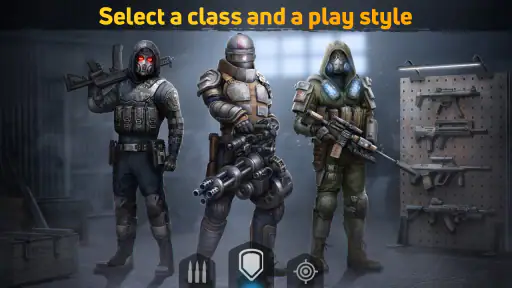
The shooting adds urgency, but it does not erase the survival layer. Charging into every encounter is usually less sensible than choosing when to fight. Ammunition and equipment feel more meaningful when they are connected to the larger question of whether a particular reward is worth the danger. Players coming from ordinary action games may need to adjust to the idea that retreat can be the smart outcome.
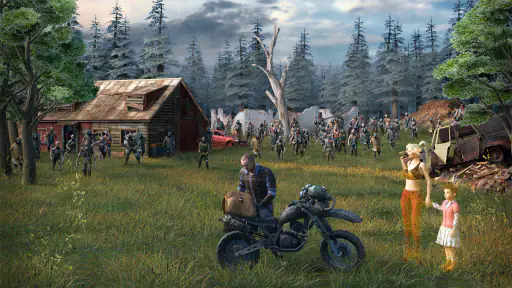
The setting also helps the introduction. The ruined-world atmosphere gives the scavenging a reason to exist, and the darker tone suits the constant pressure. This is not a cheerful collection game with a zombie theme pasted on top. The mood supports the mechanics, especially when a routine supply run suddenly becomes a decision about risk, inventory, and survival.
One useful habit I developed early was separating “needed now” from “nice to have.” Survival games often tempt players to carry everything, but a crowded inventory can make a successful run less efficient. I recommend deciding on a purpose before leaving: gather a particular material, search for equipment, or complete an objective. That small change makes the game feel less like random wandering.
More From Our News Desk
Weather by Xiaomi Review: Clear at a Glance, Less Clear Up Close

X Under Pressure: Can It Recover When Posting Goes Wrong?

Clash of Clans Is Won Between the Battles

Android Auto Makes the Case for Quieter Car Software

MobiOffice: Transforming Mobile Productivity with Seamless Integration

EA SPORTS FC™ Mobile Soccer: Redefining Mobile Sports Gaming
The first week is also when the game’s free entry is most convincing. You can begin without paying, learn the basic loop, and decide whether the atmosphere suits you before treating it as a serious long-term game. It is available at no upfront cost, although optional purchases range from $0.99 to $279.99 per item. That wide range is worth keeping in mind from the beginning, particularly if you are prone to spending when progress slows.
Its audience is clearly mature enough for the survival and combat tone: the content rating is Teen. I would not hand it to a child simply because it is free, and I would expect younger players to need guidance around the purchase system. For adults and older teenagers who already understand the appeal of resource management, the opening is approachable without being completely shallow.
The early loop rewards preparation
A common mistake is to treat every encounter as a test of reflexes. In my experience, preparation matters just as much. Before entering an unfamiliar area, I would rather bring a modest, sensible loadout than use my best resources automatically. That approach protects progress and makes victories feel earned instead of routine.
Another useful tactic is to regard failed trips as information rather than pure waste. If a location repeatedly defeats you, the answer may not be more aggression. It may be better equipment, a different route, or a decision to collect less and leave sooner. This is one of the game’s stronger qualities: it encourages learning from the shape of a failure.
Still, the first-week excitement can conceal some friction. Crafting lists, gathering needs, and combat preparation begin to overlap, and players who dislike keeping track of several small requirements may feel busy rather than immersed. The game asks you to remember what you are collecting and why. That is satisfying for a survival fan, but it is work for anyone looking for a purely casual action experience.
Why the second month matters more than the first impression
After the initial discoveries, the central question changes. You are no longer asking whether the world is interesting; you are asking whether another expedition is worth your time. This is where the game’s recurring value depends on your relationship with routine. If you enjoy gradually improving your preparation and making safer decisions, the loop has staying power. If you need constant novelty, repetition becomes more visible.
I found the strongest month-to-month appeal in the connection between short-term decisions and longer-term progress. A careful trip can improve the next trip, while a careless one can force you to rebuild supplies. That feedback makes ordinary materials feel relevant. The game does not need every session to deliver a dramatic event because a small improvement in readiness can be meaningful.
It also works well in short sessions when I approach it with a single goal. A quick visit to gather a particular resource or finish a manageable task feels more rewarding than opening the game without a plan. This is an important distinction: the game can fit into a daily habit, but it does not always provide a frictionless “play for five minutes” experience. Loading in is easy; making meaningful progress requires a little intention.
For long-term players, the survival structure creates a useful trade-off between safety and ambition. Staying close to familiar areas reduces risk but may limit the quality of what you bring home. Going farther can produce better results, yet a mistake becomes more expensive. I appreciate that tension because it gives ordinary movement a strategic purpose rather than turning the map into a checklist.
The game’s average rating is 4.3 from around 341 thousand ratings, and it has passed 10 million installs. Those figures suggest that the basic combination of zombie action and survival management has found a substantial audience. They do not guarantee that every player will enjoy the maintenance involved, but they do reflect that the core idea has broad appeal beyond a brief launch curiosity.
Its current version is 2.276, and the game supports devices running Android 6.0 or later. That makes it accessible to many Android users, though compatibility alone does not tell you whether it will feel comfortable on your particular phone. I would still expect a better experience on a device with a responsive screen and enough free space for a game you intend to keep installed.
Where lasting value comes from
The best reason to return is not simply the zombie theme. It is the feeling that your decisions are becoming more informed. You learn which risks you are willing to take, how much preparation is enough, and when a mission should end. That personal knowledge becomes a form of progress alongside equipment and resources.
I also think the game suits players who enjoy turning disorder into a routine. A useful session can have a clear shape: check what you need, prepare a compact kit, enter one area, prioritize the most valuable finds, and leave before greed turns success into failure. This workflow is more efficient than wandering until something goes wrong, and it gives the game a practical rhythm that can survive the first month.
There is a trade-off, though. A game built around preparation can feel slower than a conventional action title. If your preferred alternative is a fast zombie shooter where ammunition and equipment are plentiful, this may seem unnecessarily demanding. On the other hand, if your usual survival game is extremely punishing or complicated, this one can feel more approachable because the action remains central rather than disappearing beneath a spreadsheet of systems.
I would describe it as a middle ground between a straightforward shooter and a heavier survival simulator. It gives combat enough importance to keep expeditions tense, but the outcome is shaped by what you bring, what you collect, and when you decide to stop. That comparison matters when choosing it: you should not expect arcade simplicity, nor should you expect a completely open-ended simulation with no guided direction.
Maintenance, fatigue, and the cost of staying interested
The main maintenance burden is mental rather than technical. You need to keep an eye on supplies, understand what your next outing is meant to accomplish, and accept that not every session should end with maximum gains. Players who enjoy organizing their approach will see this as the point. Players who want to switch off after a long day may find it tiring.
There is also the ordinary maintenance of a free-to-play game. Optional purchases can change how comfortable progress feels, especially when you are eager to improve quickly. I recommend setting a personal spending limit before you become invested. The game is most enjoyable for me when I treat purchases as optional conveniences rather than solutions to every setback.
The large upper end of the listed purchase range makes that advice particularly important. I would not judge the entire experience by the existence of expensive items, but I would judge my own habits honestly. If a slower stretch makes you feel that paying is the only reasonable answer, this may not be a healthy long-term choice. A survival game should create tension through decisions, not pressure you into spending beyond your plan.
Another source of fatigue is repetition. Scavenging, preparing, fighting, and returning can be compelling for a while, but the same structure can lose its edge when every session feels interchangeable. I found that varying the purpose of a run helped: one session focused on materials, another on exploration, and another on testing equipment. Without that self-imposed variety, the routine can become mechanical.
The game is also not ideal for players who dislike setbacks. Losing time or supplies after a poor decision can feel harsh when you only have a short window to play. A conventional action game may be better if you want every session to deliver clear forward motion. Here, the lesson from a failed expedition may be the real reward, but that is not always satisfying in the moment.
On the positive side, the pressure gives the game a stronger identity than many disposable mobile shooters. The need to think before acting makes a successful return feel different from simply clearing another wave. I would rather play a thoughtful ten-minute run here than repeat a completely predictable combat encounter in a game with less consequence.
Who should keep it installed
I would recommend it to someone who enjoys zombie fiction but wants more than shooting, especially if that person likes crafting and resource decisions. It is a good fit for players who can enjoy gradual improvement, tolerate occasional setbacks, and make their own structure inside a broad survival loop.
It is also suitable for people who prefer mobile games with a reason to revisit them. The recurring value comes from refining habits, not merely collecting a daily reward. If you like asking whether a risky trip is worth the possible return, you will probably find more depth here than the short description suggests.
I would suggest skipping it if you want a clean, instant action game with no inventory concerns. I would also look elsewhere if you dislike free-to-play economies, feel uncomfortable around optional purchases, or need a story-driven experience that constantly pushes you toward a new dramatic scene. The survival routine is the star, and it will not suit everyone.
For a realistic everyday scenario, imagine opening the game during a commute or a break with one clear objective: collect a missing crafting material and return safely. You can prepare a limited kit, make the trip, and stop once the goal is complete. That is a better use of the game than starting without a plan and drifting into a long session that leaves you low on supplies. The same approach works before bed, provided the darker tone and combat do not clash with the mood you want.
My long-term verdict
After the novelty fades, Dawn of Zombies: Survival Game survives on the strength of its decisions. It is not the kind of mobile game I would recommend to everyone, but it has a clear personality. The combination of exploration, crafting, and combat makes each outing feel connected to the next, and the pressure to return safely gives routine activities real weight.
Royal Ark’s game is at its best when I play deliberately. I choose a goal, prepare around it, accept that retreat can be correct, and avoid treating every failure as a reason to spend. That mindset turns the maintenance into strategy. Without it, the same systems can feel like chores layered around a familiar zombie shooter.
The free starting point is a genuine advantage because you can test the loop without committing money. The Teen rating, broad Android support from version 6.0 onward, and established audience make it easy to consider, while the optional purchase range means responsible boundaries matter. I would try it for the atmosphere and survival loop, not because it promises effortless progress.
My final recommendation is positive but selective. Keep it installed if you enjoy planning expeditions, making supplies count, and building a reliable habit over time. Remove it if the preparation feels like administration or if repeated resource runs stop feeling meaningful. The lasting value is real, but it belongs to players who enjoy the discipline of survival as much as the excitement of combat.
Dawn of Zombies: Survival Game Frequently Asked Questions
How much storage space should I have before downloading Dawn of Zombies?
It is sensible to leave extra room on your device for Dawn of Zombies, as well as for later updates and cached game data. The amount of free space needed can vary by device and over time, so check the download page on your phone before installing. If storage is tight, clearing unused files or apps first can help avoid interruptions during installation.
Does Dawn of Zombies include in-app purchases?
Yes. Dawn of Zombies is free to download and includes optional in-app purchases. These can offer items such as premium currency, resources, equipment, convenience options, or faster progression. Spending is not required to start playing, though free progress may call for patience and careful resource management. If a child will use the device, consider setting purchase protections in its app store.
What kind of game is Dawn of Zombies: Survival Game?
Dawn of Zombies is an action game for players who enjoy zombie survival. Its basic appeal is captured in the idea of crafting, shooting, and surviving, with a post-apocalyptic setting that makes preparation and resource use part of the challenge. If you are looking for a survival-focused game rather than a casual puzzle or story-only experience, its blend of action and crafting may suit you.
What is Dawn of Zombies: Survival Game about?
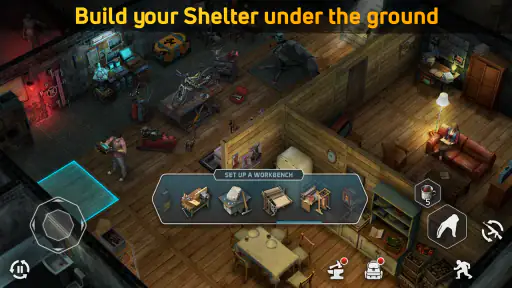
Dawn of Zombies: Survival Game is a post-apocalyptic survival RPG in which you explore a dangerous wasteland, collect resources, craft equipment, build and upgrade a shelter, complete quests, and fight hostile creatures, bandits, and other threats. The game combines exploration, shooting, crafting, character progression, and story-driven missions, so it offers more than simple base-building or repetitive combat.
Can I play Dawn of Zombies offline?
Dawn of Zombies is primarily designed as an online game, and an internet connection may be required for loading the game, synchronizing progress, receiving events, and accessing certain features. Although some activities may feel suitable for short sessions, you should not assume that the complete experience works offline. A stable connection is recommended, especially when traveling between locations or updating your account.
Pros
- Large open world with varied locations to explore.
- Deep crafting system supports weapons
- armor
- and useful resources.
- Regular events and quests provide fresh objectives.
- Atmospheric graphics and sound create a tense survival experience.
- Character progression offers many upgrades and customization options.
Cons
- Energy and resource limits can slow progress during longer sessions.
- Some upgrades and items require significant grinding.
- Combat may feel repetitive after extended play.
- The interface can be overwhelming for new players.
- Online features and updates require a stable internet connection.
- Category
- Action
- Version
- 2.276