Boba Tasty: DIY Drink Recipe
- 24.00
- 3.7
- Installs
- 5.00M
- Price
- Free

Screenshots




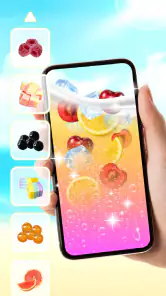



Analysis by Reviewed
I spent time with Boba Tasty: DIY Drink Recipe as a light simulation game built around preparing boba drinks on a phone. Its appeal is easy to understand: the whole idea is to turn a familiar café-style treat into a short, hands-on game session. Rather than asking you to manage a large business or learn a complicated system, it keeps the focus on making drinks and responding to the small decisions that come with that task.
That simplicity is both its strongest quality and its main limitation. I found it approachable when I wanted something casual, especially during short breaks, but less satisfying when I was looking for a deep management game with long-term planning. Monster Game Studio - OneSoft has positioned it as an Everyone-rated simulation game, and that description fits the tone. It is friendly, easy to understand, and suitable for players who enjoy food preparation themes without demanding a serious time commitment.
What playing the boba-making simulation feels like
The central pleasure comes from the small ritual of assembling a drink. You are not simply tapping through a generic puzzle; the theme gives each action a clear purpose. Ingredients, preparation, and presentation feel connected to the fantasy of running a boba counter, even when the experience remains deliberately simple. I liked that the game has an immediately readable premise: open it, make a drink, and see how well the order comes together.
That makes it a good choice for a younger player, a casual mobile gamer, or anyone who enjoys cooking and café games but does not want a demanding restaurant simulator. The age rating of Everyone also makes the presentation feel accessible for shared play. I could imagine handing it to someone who rarely plays games and having them understand the basic attraction without a long tutorial or a complicated explanation.
The best sessions are short and focused. If I had a few minutes while waiting for an appointment, the drink-making theme gave me something more engaging than endlessly scrolling through social media. It works particularly well as a small reset between tasks because the premise is cheerful and contained. You can approach it as a relaxing routine rather than a game that requires a major commitment.
At the same time, I would not choose it as a replacement for a full café-management title. Those games usually offer broader menus, staff decisions, shop upgrades, customer flow, and a stronger sense of building a business over time. Boba Tasty: DIY Drink Recipe is narrower. Its identity comes from the drink itself, not from creating a detailed commercial empire, and that distinction matters before downloading it.
A useful way to approach each session
I found the game more enjoyable when I treated every order as a small process instead of rushing through the screen. First, I paid attention to what the drink seemed to require. Then I focused on completing the preparation cleanly before thinking about speed. This approach is useful because casual simulation games can become frustrating when the player taps quickly without understanding the sequence.
My practical advice is to slow down during the first few attempts and learn how the game communicates a successful action. Visual cues, timing, and the order of preparation matter more than frantic tapping. Once the rhythm becomes familiar, the game feels less like trial and error and more like a compact routine. That is a small but important difference for players who might otherwise decide too quickly that the experience lacks depth.
Another helpful habit is to play with a clear expectation of what kind of reward you want. If you enjoy the satisfaction of completing a themed task, the drink-making loop can be enough. If you need constant novelty, strategic choices, or a strong story, the same loop may feel repetitive. Knowing that before starting helps prevent the common mistake of judging a small simulation as if it were a large management game.
Progress, repetition, and the pressure to spend
The game is free to download, which makes trying it low-risk for someone curious about the concept. Its in-app purchases are listed at between $1.99 and $5.99 per item. That is the key spending context I would keep in mind: the initial download does not require payment, but optional purchases are part of the experience.
I prefer to decide early whether a free mobile game is enjoyable without spending. With this one, I would begin by playing normally and observing whether the basic drink-making loop remains entertaining on its own. If the core activity already feels pleasant, optional purchases can remain exactly that: optional. If the game starts making ordinary progress feel uncomfortable without spending, that is a sign to stop rather than buying automatically.
Because the purchase range is visible, families should discuss spending before handing the game to a child. The Everyone rating describes the audience, not a promise that every player will make the same choices about purchases. A simple device-level purchase restriction or a clear household rule can prevent an enjoyable casual game from turning into an unwanted expense.
I also think the free entry point changes how the game should be judged. A small simulation does not need to provide the same amount of content as a premium title with an upfront price, but it still needs to make the unpaid portion feel worthwhile. My standard here is straightforward: can I enjoy several short sessions without feeling pushed toward the shop? That is a more useful question than asking whether the game contains every feature found in larger café simulators.
The pressure question is especially important for players who dislike recurring prompts or progression systems that seem designed around waiting or purchasing. I would pay attention to how often the game interrupts the making process, whether the natural play rhythm remains comfortable, and whether purchases feel like convenience rather than a requirement. Those details affect the experience more than the cheerful boba theme itself.
Is the experience fair for casual players?
For me, fairness in a game like this is not about competitive rankings. It is about whether a player who spends nothing can still understand the activity, complete the basic loop, and enjoy the theme without being treated as a second-class user. Boba Tasty: DIY Drink Recipe is best viewed as a personal, low-pressure simulation rather than a contest where paying players gain an advantage over everyone else.
That distinction makes the game easier to recommend to casual users. There is no reason to approach it with the mindset of competing against expert players. The meaningful comparison is between your own attempts: can you prepare the drink more confidently, follow the process more smoothly, and enjoy the outcome? This kind of self-contained progress suits people who prefer calm mobile play over leaderboards and aggressive competition.
Still, fairness also depends on how the game handles progression and optional spending in practice. I would not assume that every unlock, convenience, or improvement is equally valuable. The listed purchase range tells me what the possible item prices look like, but it does not by itself explain how much content each item affects. My recommendation is therefore cautious: enjoy the free portion first, and only consider a purchase if you already know exactly what it adds to your own play.
A non-obvious strength of the theme is that it gives the player a natural reason to repeat actions. Making another boba drink does not feel as abstract as repeating an anonymous level because the ingredients and presentation create a recognizable context. That can make repetition more comfortable for players who enjoy routine. The trade-off is that players who need a steady stream of new mechanics may notice the narrow focus sooner than they would in a broader restaurant game.
For a child or a first-time mobile gamer, the absence of complicated competitive pressure is a benefit. For an experienced simulation fan, the same simplicity may feel like a missing layer. I would recommend it to the first group more readily than the second, unless the experienced player specifically wants a gentle drink-making diversion.
What I would check before committing to it
The current version is 1.3.4, and the game runs on Android 8.0 or later. That makes checking the device requirement a sensible first step, especially if you are installing it on an older phone or tablet. Compatibility is not glamorous, but it is one of the few practical questions that can determine whether a casual game is convenient or annoying.
I would also consider the kind of screen time you want. This is a better fit for brief, repeatable sessions than for a long evening of uninterrupted play. If your ideal game involves expanding a complex business, balancing several resources, or making decisions that have lasting consequences, you may outgrow this one quickly. A more substantial restaurant simulator would be the better choice in that situation.
On the other hand, people who enjoy food-themed games often want something they can understand immediately. The boba concept gives this title a more specific personality than a generic tap-to-earn simulation. It can fit into a daily routine: make a drink during a short break, stop when the task is finished, and return later without needing to remember a complicated plot or a large set of rules.
One useful test is to ask whether the preparation itself sounds appealing. If the answer is yes, the game has a clear chance of holding your attention. If you are only interested in decorating a shop, managing employees, or building a large customer business, the drink-centered design may not provide enough variety. That is not a flaw for its intended audience, but it is a meaningful boundary.
I would also avoid downloading it solely because the store summary is short and memorable. “Make Boba on your phone” explains the hook, but not the amount of variety or the long-term depth. The right expectation is a focused simulation built around a recognizable activity, not a complete virtual business-management package.
How it compares with other casual simulation choices
Compared with cooking games that emphasize rapid orders, this title has a more relaxed identity. Fast restaurant games often measure success through speed and multitasking, while a boba-focused game can appeal to players who like following a sequence and seeing a drink come together. If you enjoy pressure, queues, and constant customer demands, another cooking game may offer more excitement.
Compared with farming or life-simulation games, the scope here is much tighter. Those alternatives usually spread attention across collecting, decorating, relationships, or long-term upgrades. Boba Tasty: DIY Drink Recipe is easier to pick up because it does not ask you to maintain an entire virtual life. The trade-off is that it may not give you the same feeling of ownership or discovery after repeated sessions.
Compared with premium simulation games, the free download is an advantage for curious players who want to sample the idea before paying. A premium alternative may feel more cohesive if it avoids purchase prompts and offers a larger, clearly defined package from the beginning. I would choose the premium route for a focused, uninterrupted experience, but I would choose this game when I want a low-commitment experiment with a playful theme.
The most important comparison is not graphics or feature count; it is the shape of the play session. This game suits a “one more drink” mood. A deeper simulator suits a “build this business over weeks” mood. Confusing those two goals is the easiest way to end up disappointed, so I would make that decision before installation.
My trust verdict after weighing the trade-offs
Monster Game Studio - OneSoft has made a clearly targeted simulation rather than an all-purpose restaurant game. The concept is easy to grasp, the Everyone rating broadens its audience, and the free entry point lets casual players test the idea without an upfront charge. Its average rating is 3.7 from around 1.6 thousand ratings, while the game has passed five million installs, so it has reached a substantial mobile audience without being something I would describe as universally loved.
Those figures match my own balanced impression. I can see why the theme attracts players: boba is familiar, the activity is approachable, and the short-session format is convenient. I can also see why some users may want more. A focused drink-making loop can be charming, but it needs enough variation and comfortable progression to remain interesting after the novelty fades.
My recommendation is to treat it as a free casual diversion, not as a full restaurant-management commitment. Start without spending, learn the preparation rhythm, and decide from there whether the repeated activity genuinely relaxes or entertains you. If it does, the game has a pleasant place in a casual rotation. If you are looking for deep strategy, extensive customization, or a competition-driven challenge, I would skip it and choose a broader simulation instead.
For me, the final verdict is cautiously positive. I would recommend it to a friend who likes food-themed mobile games, wants something simple, and enjoys the idea of making virtual boba drinks in short sessions. I would not recommend it to someone who expects a detailed café business, guaranteed long-term variety, or a completely purchase-free mobile experience. Its value comes from knowing exactly what it is: a focused, accessible boba-making game that is easy to try, pleasant in small doses, and best enjoyed with realistic expectations.
Pros
- Simple controls make drink creation easy for younger players.
- Bright visuals and cute ingredients make the app appealing.
- Many topping combinations encourage creative experimentation.
- Short sessions work well for quick
- casual play.
- Relaxing gameplay requires no special gaming experience.
Cons
- Limited challenge may feel repetitive after several recipes.
- Some ingredients or features may require in-app purchases.
- The game offers little educational value beyond basic mixing.
- Ads may interrupt play
- depending on the device and version.
- Progression can feel shallow for players seeking deeper gameplay.

- Category
- Simulation
- Version
- 1.3.4