Blox Tower: Slap Master
- 6.00
- 4.2
- Installs
- 1.00M
- Price
- Free

Screenshots
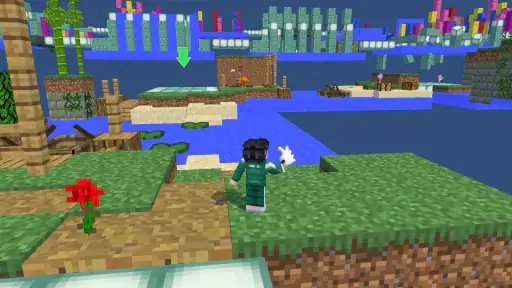
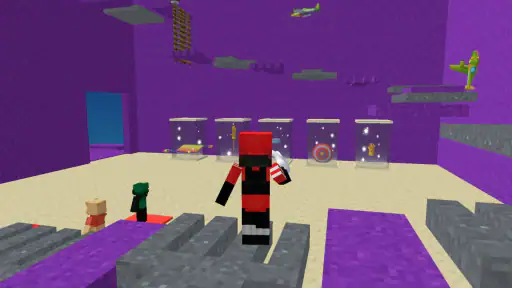
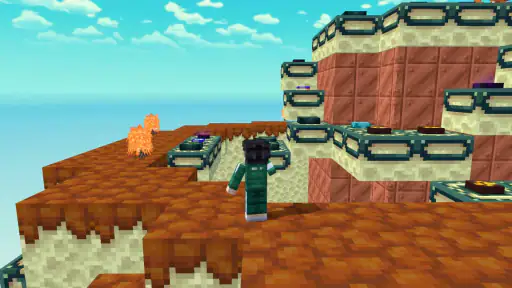
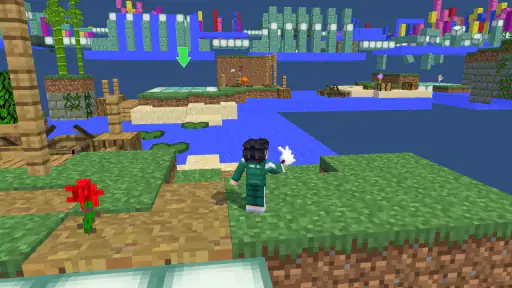
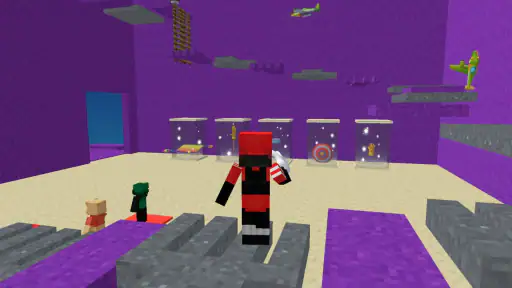
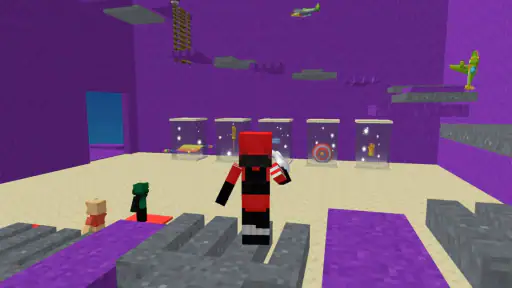
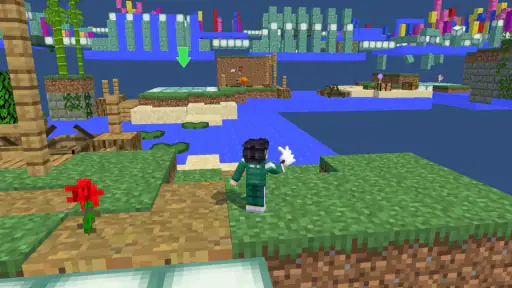
Analysis by Reviewed
I went into Blox Tower: Slap Master expecting a simple, quick-hit adventure game, and that is exactly where its appeal begins. The first impression is easy to understand: you enter a tower-themed world, perform the central action, see the result immediately, and decide whether you want to try again. It is not trying to be a large role-playing adventure with a complicated story. Its strength is the directness of the interaction.
That simplicity makes the game approachable, especially when I only have a few spare minutes. I do not need to remember a long plot, study a large collection of controls, or prepare for a serious competitive match. The game presents itself as a light adventure experience from Blox Global, with a playful premise built around the slap-master idea. The important question is whether that small loop remains enjoyable after the novelty of the first action fades.
The first action is easy to understand
The most successful part of the design is how quickly the basic interaction makes sense. A new player can begin without needing a long explanation. The tower setting gives the action a clear destination, while the slap-focused concept gives each tap or move a recognizable purpose. I always prefer this kind of opening in a casual game because it lets me learn by doing instead of reading instructions before anything happens.
That accessibility also explains why the game fits the Everyone content rating. It feels suited to players who want uncomplicated entertainment rather than intense or mature material. Parents looking for something straightforward may find the presentation approachable, while younger players can understand the goal without needing advanced gaming experience. I would still play alongside a child at first, not because the premise is difficult, but because every player benefits from learning the timing and rhythm together.
The first useful tip is to resist rushing through the opening actions. In a game built around immediate feedback, it is tempting to tap as quickly as possible and treat every moment as a race. I found it more useful to watch what changes after each action. The visual response, the position in the tower, and the resulting reward tell me more about the game than the opening wording does. That small pause helps reveal whether a move is genuinely productive or merely busy.
This is also where the game differs from a traditional adventure title. In a story-led adventure, the first action usually introduces a character, a location, or a problem. Here, the first action is itself the introduction. The game teaches its identity through repetition: act, observe the response, collect the result, and consider another attempt. Players who want exploration, dialogue, puzzles, or a detailed narrative should know that this is a much lighter interpretation of adventure.
Why the feedback rhythm matters
The central rhythm is action followed by feedback. I perform the slap-oriented interaction, receive a visible response, and then have a reason to continue. That rhythm is more important than any individual tap because it determines whether the game feels satisfying or empty. When the response arrives clearly, even a small action can feel meaningful. When the response is too subtle, the loop becomes repetitive very quickly.
For me, the best way to approach Blox Tower: Slap Master is to treat each short run as a sequence of observations rather than an endless grind. I pay attention to what the game rewards and when it seems to encourage another move. This creates a practical session habit: begin with controlled actions, identify the response pattern, then speed up only when the result feels predictable. That approach is more comfortable than tapping without a plan.
The feedback rhythm is particularly useful during an ordinary break. Imagine waiting for a bus or taking a few minutes between tasks. I can start a run, focus on the immediate action, and stop when the current exchange feels complete. The game does not demand the same kind of uninterrupted attention as a long campaign. That makes it a reasonable companion for short gaps in the day, provided I am comfortable with a loop that may not offer a major narrative payoff.
There is a trade-off here. A compact action-feedback cycle is convenient, but it can also expose repetition. In a larger adventure, a change of scenery or a new story beat can refresh the experience. In this game, the refresh has to come from the player’s decision to begin another attempt. If the basic response no longer feels rewarding, there may be less variety to hold attention. I would therefore recommend it more strongly to players who enjoy repeated small goals than to players who need constant new content.
Another practical insight is to use the feedback as a stopping signal. Many casual games encourage endless continuation, but I find the experience better when I stop after a satisfying result instead of continuing automatically. Ending on a clear reward makes the next session feel like a choice rather than a habit. This is a small change in play style, yet it helps preserve the novelty of the action.
Rewards give each attempt a purpose
The reward stage is what turns a slap into progress. Without some form of result, the action would feel like a visual joke repeated over and over. The game works better when I connect the immediate response with a reason to continue: reaching a better position, improving the outcome of the current attempt, or simply seeing the next part of the tower become worth pursuing. The reward does not need to be complicated to be effective, but it does need to arrive at the right moment.
I would not describe the reward loop as a substitute for a full progression system. The appeal is more immediate and tactile. I play because the action produces a quick consequence, then I decide whether that consequence is enough to justify another attempt. This makes the game easy to sample and easy to put down. It also means that players looking for deep character development, equipment management, or a long-term strategic plan may find the experience too narrow.
One useful way to play is to set a personal target before starting. Instead of opening the game with no boundary, I might decide to complete one focused run or continue only until I reach a satisfying outcome. This prevents the reward loop from becoming mindless. It also makes the game more suitable for short sessions, since I have a clear reason to stop. The target can be as simple as learning the interaction or testing whether a different pace changes the result.
The reward design also affects who should skip the game. If you need a story that develops through meaningful decisions, this is probably not the right choice. If you prefer strategy games where every move changes a complex board, a dedicated puzzle or tactics title will offer more depth. Blox Tower: Slap Master is better for someone who enjoys a playful action with a low learning barrier and a quick response after each input.
Its free price removes the biggest barrier to trying it. That is useful because the loop is personal: one player may find the repeated action charming, while another may feel that it lacks enough variety. I can test the game without treating the first session as a major commitment. The important judgment is not whether it offers the scale of a premium adventure, but whether its small reward cycle gives me a pleasant reason to return.
The reset is part of the design
Every short game needs a reset, and here the reset is not merely a technical end point. It is the moment when I decide whether the previous result was satisfying enough to close the session or interesting enough to begin again. That decision is central to the experience. The game’s structure depends less on a long uninterrupted journey and more on the appeal of repeating a familiar action with a slightly different intention.
I like this format when I want something that does not punish me for leaving. A long adventure may make me feel that I should remember where I was, what I was doing, and which objective comes next. This game is easier to revisit because the mental cost is lower. I can return for another quick attempt without rebuilding a complicated plan. That is a genuine advantage for casual players and for anyone who prefers games that fit around daily routines.
At the same time, the reset can feel limiting if I am searching for a sense of lasting discovery. The excitement of beginning again depends on the action still feeling fresh. Once I understand the basic response and no longer care about improving the immediate outcome, the reason for another session becomes weaker. This is the main friction I noticed in the design: the game’s convenience and simplicity are also the qualities that restrict its depth.
A good workflow is to separate learning sessions from relaxation sessions. During the first few attempts, I focus on understanding how the action connects to the result. Later, I stop analyzing and simply enjoy the quick rhythm. If the game begins to feel like a chore, I take that as a sign to close it rather than forcing a longer run. This keeps the reset healthy: I return because I want the loop, not because I feel obligated to finish a large checklist.
The reset also makes comparison with other adventure games clearer. A conventional mobile adventure may offer maps, missions, puzzles, and a sense of moving through a world. Those games are better when I want variety and a longer arc. A lightweight action game such as this one is better when I want a repeatable interaction with almost no preparation. Neither approach is automatically superior; they serve different moods. The mistake would be downloading this expecting a miniature console adventure.
How it fits into everyday play
My most natural use case is a short break when I want interaction rather than passive scrolling. I can open the game, complete a compact sequence, and decide whether the result deserves another try. It works especially well after finishing a task, during a waiting period, or when I want to reset my attention without committing to a long session. The tower theme gives the activity a little more identity than a completely abstract tapping game.
It can also work as an introduction to mobile gaming for someone who finds complex controls intimidating. The action is easy to describe, the goal is visible, and the feedback arrives quickly. A new player does not need to understand a large inventory or memorize multiple abilities. That makes it a reasonable choice for casual family play, although the enjoyment will depend on whether the player likes repetition more than narrative exploration.
For experienced players, I would frame it differently. Do not approach it as a challenge to master through elaborate planning. Approach it as a compact loop whose pleasure comes from timing, response, and the decision to restart. If you need a deeper test, a strategy adventure or a puzzle game will probably be more satisfying. If you want a few minutes of uncomplicated action, the game has a clearer purpose.
The current release is version 1.4, and it runs on devices using Android 7.1 or later. That relatively broad compatibility makes it easier to consider on older supported hardware, though the actual comfort of play will still depend on the device’s screen and responsiveness. Since the experience relies on immediate input and feedback, a delayed touch response would matter more here than it would in a turn-based game.
What the reception suggests, and what it does not
The game has passed one million installs and holds an average rating of 4.2 from around 2.2 thousand ratings. Those figures suggest that the straightforward concept has found an audience, but they should not be read as proof that every player will enjoy the same loop. A quick action game can receive positive reactions from people who want exactly that simplicity, while frustrating players who expected a richer adventure.
I also pay attention to the difference between broad popularity and personal fit. The developer, Blox Global, has positioned the game around a memorable central idea rather than a large collection of systems. That is a sensible choice for discoverability, but it places more pressure on the core action to remain enjoyable. If the slap-and-reward exchange feels good to you, the compact design is an advantage. If it feels repetitive during the first session, additional time is unlikely to transform it into a different kind of game.
The release date is September 20, 2025, which places the game in a relatively current mobile context. I would still judge it by what is present in the play experience rather than by its release timing. A newer game is not automatically deeper, and a simple game does not need to imitate larger titles to be worthwhile. The relevant question is whether the action, feedback, reward, and reset form a satisfying whole.
My verdict on the complete loop
Blox Tower: Slap Master succeeds when I want a free, accessible adventure game built around one immediately understandable action. The first input is approachable, the feedback gives it energy, the reward provides a reason to continue, and the reset keeps each attempt easy to revisit. That sequence is the game’s identity, not merely a small part of it.
The strongest reason to try it is the clean action-to-reward rhythm; the strongest reason to skip it is the limited variety that comes with that simplicity. I would recommend it to casual players, younger audiences covered by the Everyone rating, and anyone who enjoys short repeatable sessions. I would point story-focused players, strategy fans, and people who need constant novelty toward a fuller adventure alternative instead.
For my own use, the game works best in moderation. I can enjoy a few focused attempts, notice how the response feels, collect the result, and leave before repetition takes over. The free entry makes that experiment easy, while the broad Android support helps older-device users consider it. In the end, this is not an adventure I play for a sweeping journey. I play it for the small satisfaction of acting, seeing an immediate consequence, and choosing whether the next session has earned its place.
Pros
- Simple one-touch controls are easy to learn.
- Short rounds make it suitable for quick gaming sessions.
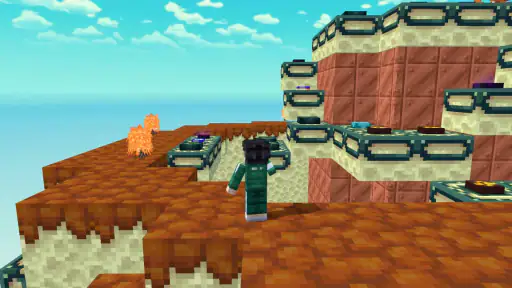
- Bright cartoon visuals give the game a cheerful style.
- Tower-building mechanics offer satisfying visual progress.
- The slap timing adds a fun risk-and-reward challenge.
Cons
- Gameplay may become repetitive after extended play.
- Progress can feel slow without frequent upgrades.
- Precision timing may be frustrating on smaller screens.
- Ads may interrupt the experience between rounds.
- Its casual design offers limited depth for experienced players.

- Category
- Adventure
- Version
- 1.4