Baseball Clash: Real-time game
- 12.71K
- 4.4
- Installs
- 5.00M
- Price
- Free

Screenshots
Analysis by Reviewed
I reach for Baseball Clash: Real-time game when I want a baseball match that feels more interactive than a quick arcade batting challenge. Its appeal is the direct contest: I make decisions while another player is trying to outthink me, so even a short session can feel lively. That focus also sets expectations. This is a casual mobile sports game, not a deep baseball simulator, and it suits players who want brisk competition more than detailed team management.
A match-by-match routine that works
My most reliable approach is to treat each game as a sequence of small decisions rather than rushing every play. I pay attention to what the opponent seems to favor, then avoid repeating the same response automatically. That habit makes the head-to-head format more interesting and helps me notice where my own choices are becoming predictable. If I only have a few minutes, I can play a match; if I have longer, I can use several games to test whether a lineup change is actually helping.
That makes the game a good fit for a commute break or a quiet moment at home, provided I have a stable connection and can give a match my attention. It is less suitable for playing one-handed while distracted: real-time competition rewards focus, and an interruption can leave me reacting late. Compared with a solo baseball game, the human opponent brings uncertainty; compared with a full management simulator, this is much easier to pick up but offers less room for deep statistical planning.
Building a repeatable routine
I get more useful feedback when I keep a simple mental note after each match: what choice worked, what caught me off guard, and whether I changed too much at once. There is no need to turn casual play into a spreadsheet. The point is to spot a pattern, such as relying on the same response under pressure, and carry one small lesson into the next game. That makes losing less wasteful and winning less likely to be a fluke I cannot repeat.
For an everyday example, I might open the game during a short break, play one focused match, and stop there rather than queueing up while distracted. If I have a longer stretch later, I can try the one adjustment I had in mind and see whether it makes a difference. This approach is especially useful for players who enjoy improvement but do not want a demanding practice schedule. It also gives me a natural stopping point, which matters when a competitive game makes “one more match” tempting.
Settings and habits worth checking
Before settling into a long session, I check the available control and audio options rather than assuming the default setup will suit me. A comfortable control layout matters more than flashy presentation when timing is involved, while lowering or muting sound can make quick sessions easier in public. I also avoid changing several team choices at once. Keeping one part of my approach steady makes it easier to tell whether a different player or tactic is responsible for a better result.
A useful routine is to look at the opponent’s tendencies across a match, make one deliberate adjustment, and then see whether it changes the outcome. That is more informative than switching everything after a single loss. The trade-off is that progress and upgrades can encourage experimentation, but they do not remove the need to learn how to respond in play. I would not spend simply to compensate for a strategy I have not yet tested.
More From Our News Desk

 Gmail
Gmail in a Busy Inbox: Who Benefits Most?
From first account to crowded workday, Gmail earns its place through dependable search and flexible sorting—but its best fit depends on how much inbox maintenance you can tolerate.

 Prime Video
Switching to Prime Video: What Changes in Your Viewing Routine
Prime Video can make a compelling second home for streaming, but switching means learning a different catalog, rental layer, and route from browsing to playback.

 Universal TV Remote Control
 Works Best as a Reliable Backup
A phone remote earns its place through quick setup and reliable habits. Here is how to get more from Universal TV Remote Control—and where its limits show.

 Weather - By Xiaomi
Weather by Xiaomi Review: Clear at a Glance, Less Clear Up Close
Xiaomi’s weather app makes everyday forecasts quick to scan, but its calm surface can leave useful details and recovery paths harder to find than they should be.

 X
X Under Pressure: Can It Recover When Posting Goes Wrong?
A resilience-focused review of X, examining setup, mistaken posts, interruptions, weak connections, and the gaps that matter when recovery needs to be dependable.

 Clash of Clans
 Is Won Between the Battles
Its raids are quick; its community is a long-term project of coordination, teaching, rivalry, and shared responsibility—with all the friction that entails.
Latest News



Small choices that save time
When I am playing in a noisy place, I decide about sound before entering a match rather than interrupting my focus to change it mid-session. At home, I may leave audio on because it helps the game feel more lively; in a waiting room or on public transport, a quieter setup is simply more considerate. These are modest adjustments, but they make it easier to fit the game into real life without treating every session like a dedicated gaming block.
I also try to make roster experiments purposeful. If I switch several players and my results change, I cannot tell which decision mattered. A cleaner test is to keep most of the lineup steady and alter one choice that has a clear role in my plan. It is not a guaranteed route to winning, but it gives me a better basis for deciding whether a change suits the way I play. That is more satisfying than reacting to every defeat with a complete rebuild.
Gameplay and Features
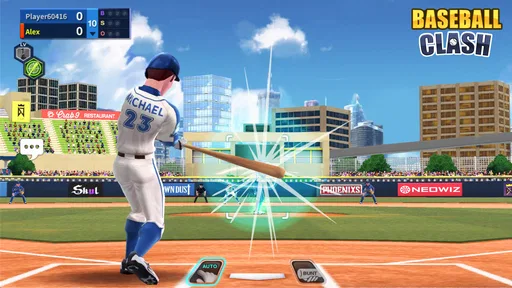
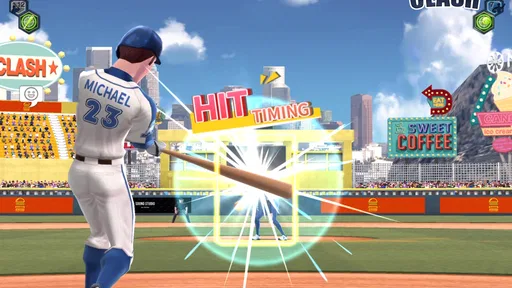
When I first launched Baseball Clash, I was immediately drawn into its intuitive layout and vibrant graphics. The game's developers have done a fantastic job capturing the essence of baseball, offering a real-time, multiplayer experience that keeps you on your toes. The controls are straightforward, making it easy for newbies to jump right in, while still offering enough depth for seasoned players to strategize and refine their skills.
One of the standout features is the real-time PvP matches. You can challenge your friends or go head-to-head with players from around the globe. The thrill of competing against real people adds a level of excitement that single-player modes just can't replicate. Plus, the matchmaking system is pretty smart, ensuring you face opponents of similar skill levels, which keeps the competition fair and fun.
What the live format changes
The biggest practical difference from a solo baseball game is not just that another person is on the other side; it is that I cannot assume the same sequence will play out twice. That uncertainty gives a short match more personality, but it also makes a distracted session less enjoyable. If I want something I can pause mentally and return to at any time, a single-player game is a safer choice. Here, I get the most out of it when I can stay attentive from one decision to the next.
Against a deep baseball management title, the appeal is almost the reverse. I do not need to spend a long session planning a season before reaching the competitive part. The lighter setup makes it easier to jump in, while the trade-off is less room for long-term statistical analysis and hands-off team building. I would choose this when I want direct competition, not when my main goal is to run a club through an elaborate campaign.
Customization and Strategy
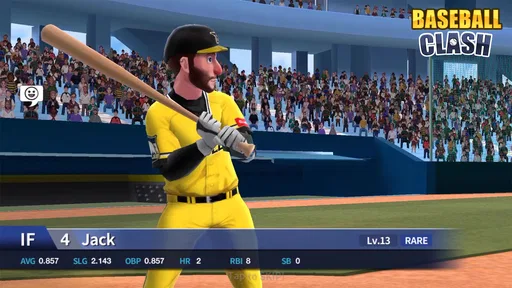
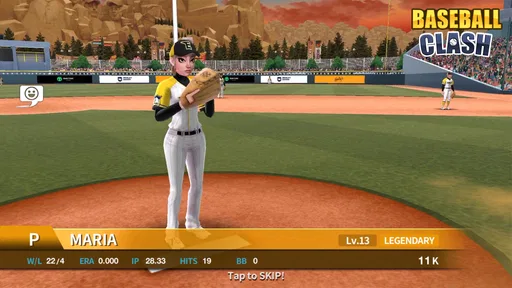
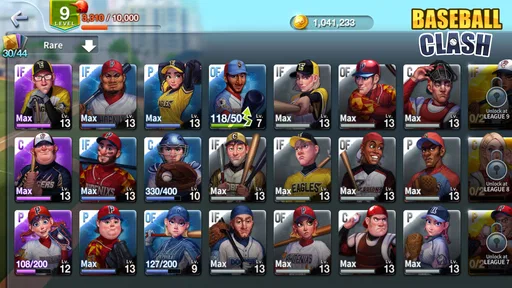
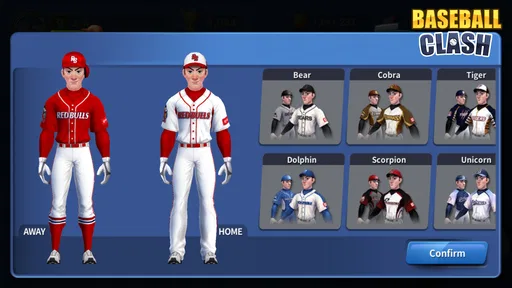
Customization is another feather in the cap of Baseball Clash. You have the freedom to build and manage your own team, selecting from a roster of players each with unique abilities and stats. This aspect of the game allows for a lot of strategic planning. Do you go for a well-balanced team, or do you stack your lineup with heavy hitters? The choice is yours, and it's this level of tactical depth that keeps me coming back for more.
Moreover, as you progress and win matches, you earn rewards that can be used to upgrade your players, making your team even more formidable. It's incredibly satisfying to see your team grow and improve, especially when you start to see the fruits of your strategic decisions paying off on the field.
Progress without overreacting
The progression loop gives me a reason to return, but I find it works best when I treat upgrades as gradual choices rather than an emergency response to a rough run. A loss does not automatically mean my team is underpowered; I may have repeated a predictable decision or played while distracted. Before using rewards or considering a purchase, I would first ask whether I understand what my current lineup does well and where it feels limited.
That distinction matters for anyone wondering whether spending is necessary. The game is free to download, with optional in-app purchases priced from 99 cents to $119.99 per item. I would start by playing normally and seeing whether the match-to-match decisions and team growth are enjoyable. If the core competition does not hold your interest, paying to accelerate progression is unlikely to fix that. If you do choose to spend, setting a personal limit beforehand is a sensible way to keep the choice deliberate.
Graphics and Sound
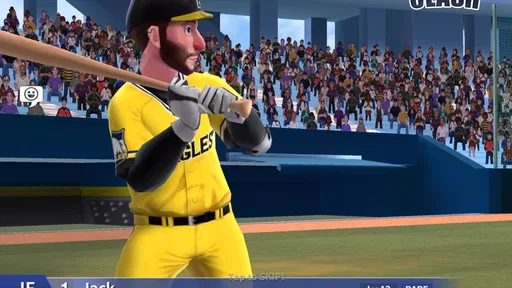
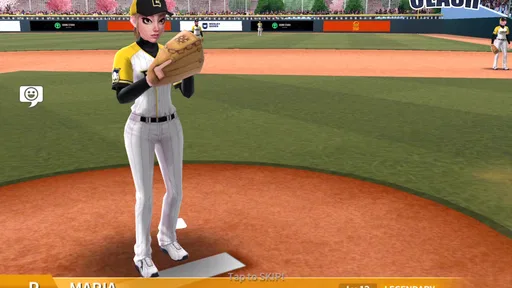
The graphics in Baseball Clash are impressive, to say the least. The animations are smooth, and the attention to detail in the stadiums and player designs enhances the overall experience. The sound effects and commentary add to the immersive atmosphere, making it feel like you're right there in the stadium, hearing the crack of the bat and the roar of the crowd.
While the game is generally smooth, there are occasional lags during peak times, but they are few and far between. The developers seem committed to resolving these issues with regular updates, which is always a good sign.
Connection and device expectations
Because the contest happens in real time, I would choose a dependable connection for matches where the result matters to me. If play feels delayed, it is difficult to judge whether a decision was poor or timing was disrupted, so I avoid drawing a sweeping conclusion from one sluggish game. A weaker connection does not make every session impossible, but it can undercut the quality that makes the head-to-head format appealing in the first place.
The game is listed for Android 7.0 and later, and the current version is 1.2.0030992. Those details are useful to check before installing, particularly if I am setting it up on an older device. Baseball is the focus, so I would not pick it as a general sports collection or expect the variety of a title built around several different sports. Its appeal depends on whether this particular kind of quick, live baseball contest sounds enjoyable.
Who will get the most from it
Miniclip.com developed this free sports game, and its accessible style is a sensible starting point if you like baseball but do not want to learn a dense set of simulation controls first. It is rated for Everyone, has an average rating of 4.4 from around 78 thousand ratings, and has passed 5 million installs. I see the broad appeal, but the real-time format is the key consideration: a player who enjoys reading an opponent will likely get more from it than someone who wants to build a club entirely at their own pace.
It also helps to know that optional in-app purchases range from 99 cents to $119.99 per item. I would treat those as a spending choice, not a requirement for deciding whether the game is enjoyable. If you prefer predictable, uninterrupted solo play, a single-player baseball title may be a better match; if the appeal is competing directly and gradually shaping a roster, this one has a clearer reason to stay installed.
Who should choose something else
I would skip it if I wanted a realistic baseball simulation above all else, or if I mainly enjoyed managing a detailed season without needing to react to another player. The streamlined approach is part of its convenience, but it also means that someone looking for extensive tactical controls or a long-form management challenge may find the experience too focused. Likewise, it is not my first pick for a quick game while doing something that constantly pulls my attention away.
It is a better fit for someone who likes learning through direct competition, enjoys gradually shaping a roster, and is happy to accept that some matches will not go as planned. The broad Everyone rating makes it accessible in age terms, but suitability still depends on a player’s taste: not every baseball fan wants a competitive mobile format. I would try the free game first and decide based on the feel of its matches rather than assuming that liking baseball automatically means this style will click.
Where the competition can frustrate
Real-time play is a strength, but it also means connection quality and attention matter. If a match feels unusually sluggish, I would avoid making a snap judgment about my tactics; lag can disrupt timing and make a close contest feel less fair. The original experience also notes occasional delays at busy times, so I would choose a stable connection for competitive sessions and save casual experimentation for moments when a loss will not bother me.
There is a separate patience test in team progression. Upgrades make roster choices meaningful, but players who dislike gradual improvement may find that loop less appealing than an immediately balanced arcade game. I would focus first on learning how my current team performs, then invest rewards with a specific role in mind instead of chasing every possible improvement. The current version is 1.2.0030992, and the game requires Android 7.0 or later, useful checks before installing on an older device.
My verdict after settling into the routine
For me, the best way to approach it is as a compact competitive game: check the setup, play with attention, and make changes one at a time. That gives the roster decisions a purpose without turning every session into a chore. I recommend it to baseball fans who enjoy quick player-versus-player contests and do not mind learning through wins and losses. I would steer away anyone who wants a detailed season simulator, a fully hands-off experience, or a game that never depends on a live connection.
My practical recommendation is to begin with a few focused matches, pay attention to how you respond under pressure, and only then decide whether to adjust your lineup or use rewards. That approach answers the most important question faster than chasing every upgrade: do you enjoy the live decisions enough to keep coming back? If yes, the team-building layer gives those matches a longer thread. If not, a solo title will probably be a more comfortable use of your time.
Conclusion
In conclusion, Baseball Clash: Real-time game is a must-try for any baseball enthusiast or anyone looking for a fun, competitive game to pass the time. It successfully combines engaging gameplay, strategic depth, and a lively atmosphere to deliver a highly addictive gaming experience. Whether you're looking to kill a few minutes or engage in a serious gaming session, this app has got you covered. So, grab your virtual glove and get ready to hit a home run with this fantastic mobile game!
Baseball Clash: Real-time game Frequently Asked Questions
Will Baseball Clash run on an older Android phone?
The Android version requires Android 7.0 or later, so checking your phone’s operating-system version before downloading is a useful first step. If your device meets that requirement, you can try the game as a mobile baseball option from Miniclip.com. Baseball Clash is also available on iOS, giving players another way to enjoy its multiplayer sports gameplay.
Is Baseball Clash suitable for quick play sessions?
Baseball Clash is designed around real-time multiplayer baseball, with players pitching, batting, and fielding during matches. Its easy-to-play premise makes it a natural choice for someone looking for an accessible sports game on a phone. Because matches involve other players, it is best to start one when you can stay connected and focus on the game rather than treating it like an offline activity.
Can I enjoy Baseball Clash if I am new to baseball games?
The game is presented as easy to play and uses intuitive controls for pitching, batting, and fielding, which can make it approachable even if you are new to mobile baseball. Matches also involve strategy and quick decisions, so there is room to learn as you play. If you enjoy competitive sports games, its straightforward premise offers a way to get started without needing to be a baseball expert.
What age group is Baseball Clash: Real-time game suitable for?
Baseball Clash: Real-time game is rated Everyone, making it suitable for a broad audience. Its baseball-focused gameplay centers on pitching, batting, and competing in matches, so it can appeal to both younger players and adults who enjoy sports games. Parents can also consider that the game is free to play and offers optional in-app purchases when deciding whether it is right for their household.
Can I play Baseball Clash: Real-time game on my device?
The game is available for Android and iOS, and the Android version requires Android 7.0 or later. Before downloading, check that your device runs a compatible operating system and has a reliable internet connection, since matches are played in real time against other players. Baseball Clash is a mobile sports game from Miniclip.com.
Pros
- Real-time multiplayer matches enhance excitement
- Intuitive controls suitable for all ages
- Diverse roster of characters and teams
- Regular updates keep the game fresh
- Cross-platform play expands player base
Cons
- In-app purchases can be expensive
- Occasional connectivity issues
- Some characters overpowered
- Limited offline game modes
- Advertisements can be intrusive