Archers Online: PvP
- 23.30K
- 4.4
- Installs
- 10.00M
- Price
- Free

Screenshots
Analysis by Reviewed
I spent time with Archers Online: PvP as a quick competitive action game, and my first impression was clear: it is built around the tension of lining up a shot, releasing an arrow, and trying to outplay another archer. That focus makes it easy to understand, but it also means the experience depends heavily on whether you enjoy repeated short duels rather than a broad adventure with exploration, story, or a large variety of activities.
Developed by Byril, this free game sits in the action category and is aimed at players who want online bow-and-arrow battles without paying before they can try the core experience. It is rated Everyone 10+, runs on Android 7.0 or later, and has reached more than 10 million installs. Those details make it approachable for a wide audience, although the competitive format still asks for patience when early matches do not go your way.
How the archery duels feel in everyday play
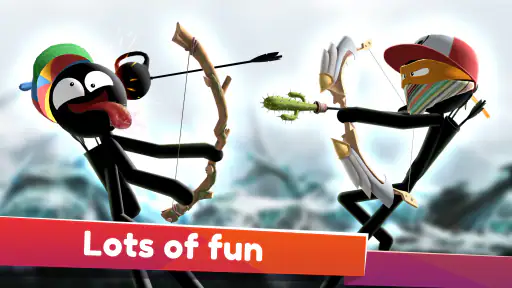
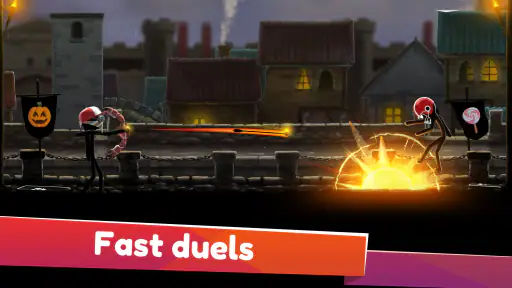
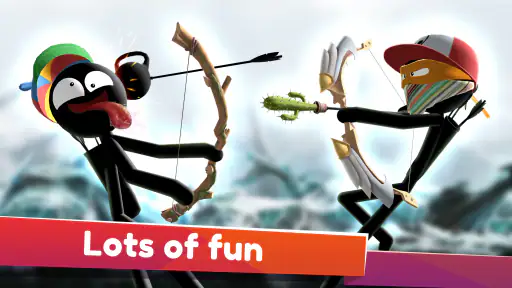
The central appeal is the small decision made before every shot. I am not simply tapping an attack button and waiting for an animation. I have to think about the angle, the force behind the shot, and the opponent’s position. That gives each exchange a satisfying pause: I can fire quickly to keep pressure on, or take longer to aim when a precise hit matters more.
That rhythm works particularly well in short sessions. If I have a few minutes while waiting for an appointment or taking a break from work, I can play without committing to a long campaign. A match can feel immediately engaging because the objective is obvious, and the result usually comes down to a handful of choices rather than a complicated menu of systems.
The online PvP focus also changes how I think about mistakes. Against a predictable computer opponent, I can often settle into a routine. Against another person, a shot that looks safe may invite a counterattack, while a risky angle can produce a surprising advantage. I found that the most enjoyable moments came from adapting instead of repeating the same shot pattern.
At the same time, this is not the right game for someone looking for a rich single-player archery journey. The store positioning is firmly about player-versus-player bow duels, so the attraction is competition and practice, not exploration or narrative progression. If you prefer a game with quests, character-driven scenes, or a large world to investigate, this narrow design may feel limited quite quickly.
What the free entry point really means
The game is free to download and play, which is important when deciding whether it deserves space on your phone. I can test the basic appeal without making a purchase first, so the initial decision is straightforward: install it, play enough matches to understand the aiming rhythm, and then decide whether the competitive loop suits me.
There are in-app purchases priced from $0.99 to $99.99 per item. I would therefore treat the free access as an opportunity to evaluate the game, not as proof that every part of long-term play will feel equally valuable without spending. The reasonable approach is to enjoy the free starting point, identify what purchases would actually change for me, and avoid buying simply because a difficult losing streak creates pressure.
This distinction matters more in a PvP game than it would in a purely decorative app. Any purchase can feel more tempting after an opponent defeats me, but frustration is a poor guide to value. I recommend setting a personal spending limit before buying anything, especially because the available item range reaches from a small impulse purchase to a much larger one.
The verified version is 26.0812.6616, and the Android requirement is modest enough to include devices running Android 7.0 or newer. That does not guarantee identical performance on every phone, but it does make the game easier to consider if I am using older hardware. I would still keep expectations realistic: online action is more enjoyable when the device responds consistently and the connection does not interrupt a carefully timed shot.
The practical value of the core loop
For me, the strongest value comes from how quickly the game turns a simple idea into a decision-making exercise. Aiming a bow sounds basic, yet small changes in angle and timing can make a familiar situation feel different. I can use it as a reflex break, but I can also play more deliberately, watching how an opponent behaves before committing to my next move.
One useful habit is to stop treating every shot as an attempt to finish the duel immediately. When I rush because I want a dramatic hit, I often give up control. A calmer approach lets me learn the opponent’s timing and recognize whether they favor quick attacks or careful aiming. That is a more rewarding way to play than simply firing as soon as the match begins.
Another practical insight is to use short sessions for improvement rather than chasing an endless win streak. After a close loss, I can identify whether the problem was poor aim, impatience, or reacting too slowly. That small review turns a defeat into something useful. It also reduces the risk of spending money or playing while irritated just to recover a result.
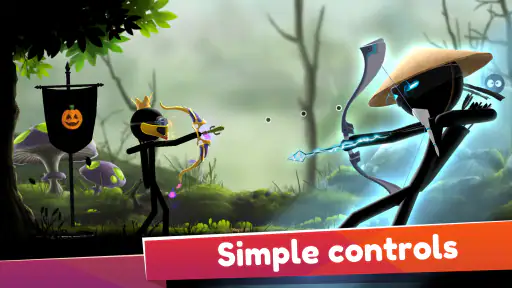
The game’s simplicity is also a strength for casual players. I do not need to learn a complicated control scheme before understanding what I am supposed to do. Someone who enjoys competitive mobile games but does not want a large role-playing system may appreciate that directness. The trade-off is that players who need constant novelty may find the same clarity repetitive.
Where the experience can become frustrating
The biggest limitation is the narrowness of the format. Once I understand the basic aiming and firing routine, the long-term question becomes whether competing against other archers remains interesting. Players who enjoy mastering one focused mechanic may stay engaged, while those who expect frequent new modes, a story, or a collection of unrelated challenges may feel that the game does not offer enough variety.
Online competition can also expose weaknesses that are not obvious in the first few matches. A small delay or an uncertain connection can make a shot feel less satisfying because success depends on timing and precision. I would not choose this as my main game for a commute where connectivity may be unreliable. It is better suited to a stable connection and a moment when I can concentrate rather than play with constant interruptions.
The competitive structure may be uncomfortable for players who dislike losing to strangers. There is no guarantee that every match will feel evenly balanced from my perspective, and a simple control system does not mean every encounter is easy. The game asks me to accept that improvement may involve several frustrating rounds before my decisions produce better results.
Purchases create another point of caution. Because the game is free to start but includes items from $0.99 to $99.99, I would not describe it as automatically inexpensive for every player. The download costs nothing, but the value of optional spending depends on how much I play and what those items contribute to my experience. I would only pay when I understand the benefit and still enjoy the game without using the purchase as a way to escape frustration.
Small habits that make the duels more enjoyable
I found three habits especially useful. First, I try to make one adjustment at a time. If I change the angle, force, and timing together, I cannot tell which decision helped. A single change gives me clearer feedback and makes practice more meaningful.
Second, I avoid playing immediately after a string of losses if I notice that I am rushing. In this kind of duel, impatience affects the very skill the game is testing. Taking a short break is more useful than firing another careless shot, particularly when the game is being used as a casual distraction rather than a serious competitive hobby.
Third, I use the opening moments to observe rather than assume. An opponent’s first action can reveal whether they prefer speed or caution. That does not guarantee a win, but it gives me a reason to vary my approach. This is one of the less obvious strengths of the game: even with a simple premise, the opponent’s behavior can create a layer of mind games.
For a realistic everyday example, imagine having ten minutes before a train arrives. I can play a few duels, focus on one aiming adjustment, and stop after a close match instead of turning the session into an hour-long chase for a better result. That makes the game fit naturally into spare time. By contrast, if I am looking for something to play offline during the entire journey, or something with a story that carries me from one chapter to the next, I would choose a different type of game.
Who is likely to get the most from it
I would recommend this game to someone who likes direct mobile competition and wants an archery mechanic that is easy to understand but still rewards patience. It is especially suitable for players who enjoy short online encounters, learning from opponents, and gradually improving their aim. The free entry point makes it simple to test without treating the decision as a financial commitment at the beginning.
It can also work for a casual player who wants a focused break rather than a large game demanding daily attention. The age rating of Everyone 10+ makes it broadly accessible, although younger players should still be guided sensibly around online play and optional purchases.
I would be more cautious about recommending it to players who dislike competitive pressure, need extensive offline content, or expect a large progression system. It is also a weaker choice for anyone who views mobile games mainly as visual stories or open-ended adventures. The bow-and-arrow duel is the point, and players who do not enjoy that specific loop will not find much reason to stay.
Compared with a typical action game built around constant movement, combo chains, or large battlefields, this feels more controlled and deliberate. Compared with a story-focused archery game, it offers more immediate rivalry but less narrative motivation. That makes the choice fairly clear: pick this when the appeal is testing your aim against another person, not when you want a broad package of action mechanics.
My verdict on value and spending
My overall view is positive but specific. The free starting point is the main reason to try it, while the competitive aiming loop is the reason to keep it. I like that the idea is immediately understandable and that a short session can still contain a meaningful decision. The game does not need a complicated presentation to make a well-placed shot feel satisfying.
However, I would not recommend buying anything until I have played enough to know that the repetition works for me. The purchase range is wide, and a free game can become poor value if I spend impulsively during a frustrating run. I would judge every item by whether it adds lasting enjoyment, not by whether it promises to fix one difficult match.
The audience response is strong, with an average rating of 4.4 from around one million ratings and more than 23 thousand written reviews. Those figures suggest that the focused concept has connected with a substantial player base, but they do not replace personal testing. A popular competitive game can still be a bad fit for someone who prefers solitary or story-led play.
After trying it, I would keep Archers Online: PvP installed for short competitive sessions if I enjoyed the aiming exchanges and had a reliable connection. I would skip it if I wanted variety, offline depth, or a campaign. Byril has made a game with a clear purpose rather than an all-purpose action package, and that honesty is useful: try the free experience first, spend cautiously, and keep it only if the duel itself remains fun after the novelty fades.
Pros
- Quick PvP matches are well suited to short gaming sessions.
- Simple controls make aiming and shooting easy to learn.
- Competitive battles provide a strong reason to keep improving.
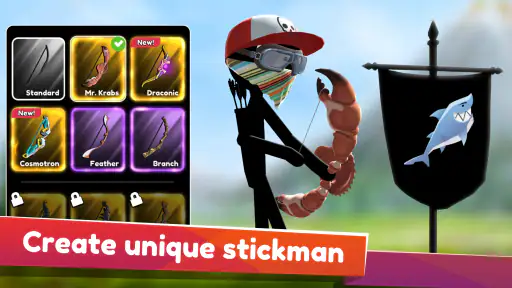
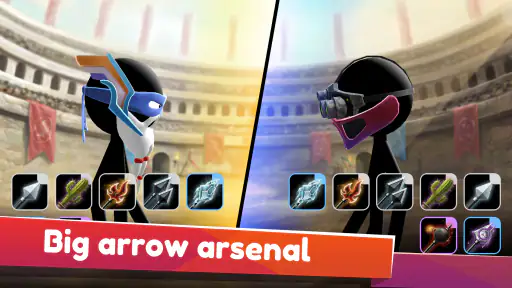
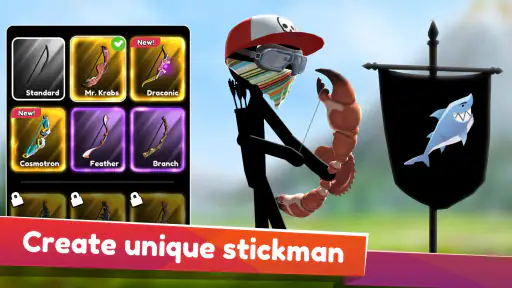
- Different archers and equipment add variety to the gameplay.
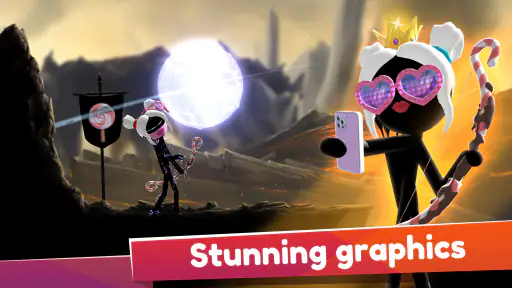
- Bright visuals and clear animations make attacks easy to follow.
Cons
- Matchmaking can feel uneven when facing more experienced players.
- Progress may become grindy without regular upgrades or rewards.
- Limited combat variety can make matches feel repetitive over time.
- Online play requires a stable internet connection.
- Ads or in-app purchases may interrupt the free-to-play experience.

- Category
- Action
- Version
- 26.0812.6616