Who Dies Last?
- 932.00
- 4.4
- Installs
- 10.00M
- Price
- Free

Screenshots




Analysis by Reviewed
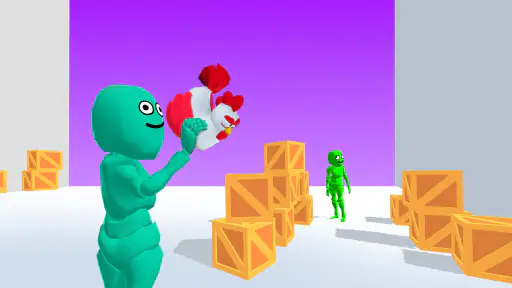
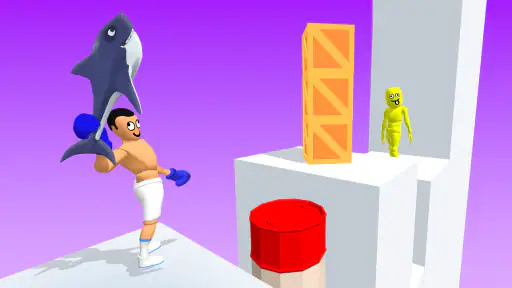
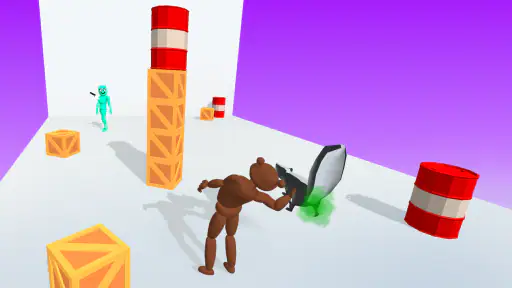
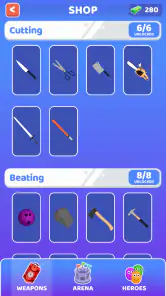
When I want a mobile game that gets to the point quickly, I look for something I can understand in a few moments but still find amusing after several rounds. Who Dies Last? has that immediate, scrappy appeal: it is a casual fighting game built around ragdoll stick figures and a broad selection of weapons. The premise invites quick clashes rather than a long campaign, so it suits short breaks better than a game that asks me to settle in for a complicated story or a lengthy progression system.
How the action feels in short sessions
The first impression is all about impact. Stick figures make the fights easy to read, while ragdoll movement gives the collisions a loose, unpredictable quality. I enjoy that contrast: the rules are simple to grasp, but a clash can still look messy enough to make the outcome entertaining. The appeal is less about a carefully choreographed duel and more about seeing how a weapon and a tumble combine in the moment.
That focus also shapes the pace. I can imagine opening it while waiting for a drink or taking a quick pause between errands, playing a little, then putting the phone away without needing to remember a complicated plot. It is a useful format for casual play, though anyone expecting a deep fighter with long tactical exchanges may find the basic premise too light. The fun depends on enjoying the spectacle and quick decisions, not on mastering a large set of intricate systems.
Fast to pick up, but not a measured fighting sim
The game’s casual framing is important when setting expectations. Ragdoll movement can make outcomes feel less precise than in a traditional competitive fighting game, where tight timing and exact inputs are the main attraction. Here, looseness is part of the character. I would treat an unexpected stumble as part of the comedy rather than assume every exchange will feel perfectly controlled.
That makes it a better fit for players who enjoy chaotic, low-commitment bouts than for those who want the same dependable response from every move. If I have only a few minutes, unpredictability can make a round amusing. If I am in the mood to practise a combo and measure improvement with precision, a more technical fighter would probably serve me better.
The large choice of weapons is central to the concept, but variety alone does not guarantee that every match will feel fresh. A practical way to keep the experience lively is to change what I focus on from one bout to the next: pay attention to positioning in one, then notice how a different weapon changes the rhythm in another. That small shift gives a simple match a purpose without pretending the game has a detailed training mode or a deep competitive ladder.
Keeping a light session enjoyable
In a realistic everyday use case, I might launch it during a short wait when I do not want to start a long game. I would play until the novelty of the current bout fades, then stop rather than force a long session. This kind of self-contained entertainment works best when I treat each round as a quick diversion instead of expecting a steady stream of new goals.
More From Our News Desk

Clash of Clans Is Won Between the Battles

Android Auto Makes the Case for Quieter Car Software

MobiOffice: Transforming Mobile Productivity with Seamless Integration

EA SPORTS FC™ Mobile Soccer: Redefining Mobile Sports Gaming

How Microsoft OneDrive Became a Mobile Productivity Giant

How Google Translate Breaks Language Barriers Effortlessly
There is a trade-off here. A simple loop is convenient because there is little to learn before playing, but it can also become repetitive if I want sustained variety from one sitting. Players who enjoy trying different weapons and watching the ragdoll chaos unfold are more likely to get value from that loop. Those who need a campaign, character development, or a clearly structured series of challenges should look for a different casual game.
Reading the store details in context
Who Dies Last? is a free casual game from CASUAL AZUR GAMES. It has a 4.4 average from around 25,000 ratings, and it has passed 10 million installs. Those figures suggest that its straightforward premise has reached a wide audience, but they do not tell me whether its style will suit a particular player. I would use them as background, then make the decision based on whether quick, exaggerated stick-figure fights sound appealing.
The game was released on March 11, 2022, and its current version is 6.3.2. It is listed for devices running Android 7.0 or later, carries an Everyone 10+ age rating, and includes optional in-app purchases priced from $2.99 to $6.99 per item. The free entry point makes it easy to try without paying upfront; I would still check purchase prompts carefully, especially if a child is playing. The age guidance is also a useful reminder to consider the game’s fighting theme rather than assuming that a simple cartoon style makes it suitable for every young player.
What to expect from repeat play
For repeat sessions, I would pay attention to whether the core appeal is still working for me: the weapon variety, the ragdoll reactions, and the quick back-and-forth. Those are the elements that define the experience, so they matter more than a promise of elaborate progression. If I find myself enjoying the unpredictable results, the game can remain a handy pick-up-and-play option. If I am only continuing because I expect a deeper mode to appear, I would reconsider whether it is the right match.
I also would not confuse a casual fighting game with a dependable online competition. The store summary describes a ragdoll stickman fighting game, but I would avoid choosing it on the assumption that every session needs a particular multiplayer feature or a fixed competitive format. The safest expectation is the core fighting premise itself. That distinction matters when comparing it with other casual games: some are built around puzzles or short score-chasing tasks, while this one gets its identity from physical slapstick and weapon-based clashes.
Performance expectations on a phone
Because the action is visually direct, I would expect the game to be easier to follow on a phone than a fighter crowded with tiny interface elements and detailed effects. That is an impression about the presentation, not a promise about speed on every device. Actual smoothness can vary with a phone’s age, available resources, and what else is running, so I would close other demanding apps if I noticed stutters rather than assume the game itself is always at fault.
For a quick game, launch and recovery matter as much as raw frame rate. If I am interrupted by a call or need to switch apps, I would treat the match as disposable entertainment and be prepared to return to the game normally rather than rely on a round being preserved exactly as I left it. That is a sensible habit with any short-session mobile game, particularly when I am playing in the middle of a busy day.
Storage and battery expectations are difficult to judge just from the game’s premise, so I would not install it on an almost-full phone while expecting it to be weightless. If device space is tight, checking available storage before downloading is a better move than deleting things in a hurry later. Likewise, a brief test session is the practical way to see how it behaves on a particular handset; a phone that handles other games comfortably is a more reassuring starting point than an older device already struggling with everyday tasks.
The Android minimum of 7.0 gives a clear baseline for compatibility, but meeting a minimum version does not guarantee identical performance across all phones. I would keep the operating system reasonably current when possible and install the current game version offered to my device. If it behaves poorly, restarting the app and checking whether the phone is under heavy load are sensible first steps. Persistent trouble is a reason to stop expecting a quick fix from repeated relaunches and choose a lighter or more predictable game instead.
Who is likely to enjoy the trade-offs
I would recommend trying it to someone who likes comic collisions, uncomplicated controls, and fights that can be enjoyed without a long warm-up. It may also work for friends who want to compare reactions and laugh at an unexpected ragdoll result, provided they are happy with casual rather than highly balanced competition. The strongest use case is a brief break when the goal is to be entertained, not to make measurable progress.
I would steer away from it if realistic combat, exact control, a substantial single-player story, or a calm nonviolent game is what you want. The title and fighting premise make the tone clear, and the Everyone 10+ rating is worth taking seriously when choosing for a younger player. For someone who prefers a puzzle that rewards careful planning without combat, a conventional casual puzzle game is likely a better fit; for a player who wants mastery through precision, a dedicated fighting game is the more suitable alternative.
My best practical tip is to decide what counts as a satisfying session before opening it. If I am looking for a quick laugh, I can stop once the bouts no longer surprise me. If I am trying to judge whether the weapon variety holds my attention, I should give myself a few short sessions rather than one marathon, because repetition is easier to notice when I am not tired. That approach helps separate a game that works as a convenient diversion from one that genuinely deserves a regular place on my phone.
My verdict on the fighting experience
For me, Who Dies Last? is most appealing as a compact, playful distraction, not as a full-scale fighting game. Its stick-figure presentation and ragdoll action give the premise a distinct comic edge, and the free download makes it straightforward to see whether that style clicks. The main limitation is just as clear: a simple fighting loop will not satisfy everyone, especially players who expect precise control, long-term goals, or a deep competitive structure.
If I had a spare moment and wanted something more physical and silly than a puzzle, I would consider giving it a try. I would keep purchases optional, judge the game on the rounds it actually offers, and make sure its age rating fits the person using it. If those expectations line up, it can be an enjoyable casual pick; if not, choosing a game with a more deliberate pace or richer progression is the better call.
The first thing that struck me about Who Dies Last? is its unique concept. Unlike traditional survival games, this one pits you in a series of nerve-wracking scenarios where you need to make quick, yet thoughtful decisions. It’s not just about surviving; it’s about outsmarting your opponents. Whether you’re facing off against AI or challenging your friends, the thrill never quite lets up. You’re constantly asking yourself, “Will I be the last one standing?”
Interface and Design
The interface is sleek and intuitive, making it easy for newbies and seasoned gamers alike to dive right in. The design doesn’t overwhelm you with unnecessary details. Instead, it focuses on what truly matters – the gameplay. The graphics are crisp, and the animations add a dynamic element that keeps the game visually appealing. It’s clear that the developers put a lot of thought into making sure everything is just right, from the color palettes to the sound effects that add a dramatic flair to every action.
Strategic Elements
What really sets the game apart is its strategic depth. It’s not just about clicking buttons and hoping for the best. You need to plan every move meticulously, anticipating your opponents’ strategies while crafting your own. The game offers a variety of tools and options to use, each with its own strengths and weaknesses. This keeps the game fresh and encourages you to try different approaches. Trust me, every match is a new adventure.
Another aspect worth mentioning is how the game encourages you to learn from your mistakes. Every time you play, you gain insights into better strategies and tactics. It’s a game that challenges your mind and pushes you to adapt and evolve.
Community and Multiplayer Experience
Jumping into multiplayer mode is where the game truly shines. You can invite friends or join matches with players from around the world. The competitive aspect brings a whole new level of excitement. It’s a great way to test your strategies against real opponents, and trust me, the community is vibrant and active. The developers have done a fantastic job of fostering a community that’s both welcoming and challenging.
Plus, the game regularly updates with new features and events, keeping the excitement alive and ensuring that players always have something to look forward to. It’s this sense of community and continuous improvement that makes the game a standout in the mobile gaming space.
In conclusion, if you’re looking for a game that offers a blend of strategy, suspense, and a dash of humor, the game is definitely worth checking out. It’s a game that not only entertains but also challenges you to think critically and adapt quickly. So, go ahead, give it a try, and see if you have what it takes to be the last one standing!
Who Dies Last? Frequently Asked Questions
Is Who Dies Last? suitable for someone looking for a quick, casual game?
Who Dies Last? is a casual game centered on ragdoll stickman fighting, so its premise is easy to grasp: hit an opponent and try to outlast them. Its straightforward combat makes it a natural option for players who want an action-focused game rather than a complicated, story-heavy experience. The game is free to download, with optional in-app purchases available.
How much space does Who Dies Last? need, and will it run on my phone?
Before downloading, check that your device has enough free storage and is running a compatible operating system. On Android, Who Dies Last? requires version 7.0 or later, which covers devices using that version or a newer one. The amount of storage the game needs can vary with the device and its installed software, so checking the app page and your available space is a sensible first step.
Is Who Dies Last? suitable for younger children?
Who Dies Last? has an Everyone 10+ content rating, so parents may want to consider that guidance when deciding whether it is appropriate for a child. The game focuses on ragdoll stickman fighting and hitting an opponent with weapons, giving its action a playful presentation while still centering on combat. Parents can review the game together with younger players before deciding to download it.
Can I play Who Dies Last? without an internet connection?
Who Dies Last? is a casual ragdoll stickman fighting game built around quick battles and a variety of weapons. Whether you prefer to play online or offline may affect when and where you can enjoy it, so check the game’s requirements on your device’s app store before downloading. Its straightforward fighting premise makes it easy to understand, while each encounter centers on trying to outlast the opponent.
What is "Who Dies Last?" about?
"Who Dies Last?" is an intriguing survival game where players must outwit and outlast their opponents in various scenarios. The game offers a unique blend of strategy and mystery, challenging players to make quick decisions to survive. Its immersive gameplay and captivating storyline keep players engaged as they navigate through unexpected twists and turns.
Pros
- Engaging storyline keeps players interested.
- Diverse characters add depth to the game.
- Multiple endings increase replay value.
- Intuitive controls enhance user experience.
- High-quality graphics for immersive gameplay.
Cons
- Limited free content may require purchases.
- Some levels can be excessively challenging.
- Occasional bugs affect gameplay.
- Requires constant internet connection.
- Advertisements can be intrusive.
- Category
- Casual
- Version
- 6.3.2