The Walking Dead: Season One
- 64.25K
- 4.2
- Installs
- 10.00M
- Price
- Free

Screenshots
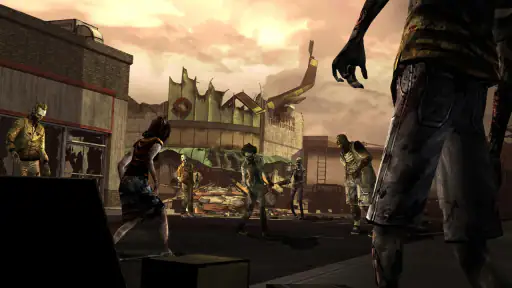
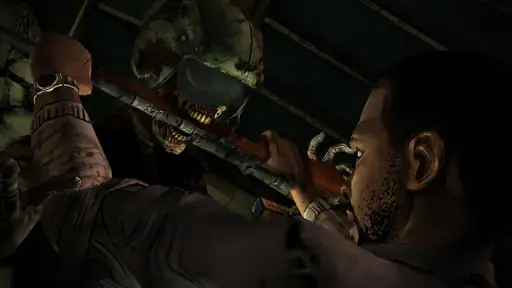

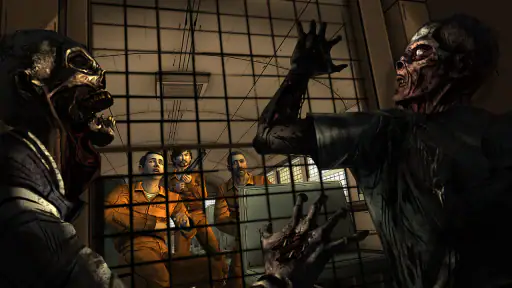
Analysis by Reviewed
I went into The Walking Dead: Season One expecting a straightforward adventure game built around the familiar apocalypse setting, but what stayed with me was how much attention it demands from the player. This is not something I would open for a quick, relaxed round. It is a story-led experience where conversations, decisions, and tense moments matter, so the best way to approach it is with enough time to become absorbed in what is happening.
On Android, the game comes from Skybound Game Studios, Inc and is available as a free download with optional in-app purchases ranging from $4.99 to $14.99 per item. Its mature 17+ rating is important: the tone is dark, the subject matter is intense, and it is aimed at adults rather than younger players looking for a light adventure. The game was released on April 7, 2014, and its current version is 1.23, with Android 4.4 listed as the minimum operating system.
The store page presents it as part of a critically acclaimed series, and the audience response is substantial: it holds a 4.2 average from around 1.3 million ratings, with more than 10 million installs. Those figures suggest broad appeal, but they do not tell you whether it fits your habits. My experience is that this is best for someone who enjoys interactive drama, can tolerate uncomfortable choices, and is willing to deal with occasional setup or performance friction in an older mobile release.
Getting started without losing patience
Where players are most likely to get stuck
The first difficulty is often not a puzzle or a combat encounter. It is understanding what kind of game this is. If you approach it like a traditional action title, you may find the pace slow and the controls less immediately satisfying than expected. The focus is on moving through scenes, examining situations, responding to dialogue, and making decisions under pressure. That structure means the game rewards attention more than speed.
I recommend starting when you have a reasonably uninterrupted block of time. Stopping in the middle of a tense exchange can make it harder to remember who said what and why a particular choice felt important. A short session can still work, but the experience is much stronger when you let a complete scene develop instead of treating it like a few spare minutes between other tasks.
Another common point of friction is touch control. Older adventure games adapted to phones can feel less natural than games designed around modern touchscreens. Tapping accurately, selecting an object, or reacting quickly may take a little practice. If an interaction does not respond immediately, I first try tapping the center of the visible object rather than repeatedly pressing around its edges. Repeated taps can make a scene feel more confusing, especially when the game is waiting for a specific interaction.
Dialogue choices can also make new players hesitate. I found that trying to choose the “perfect” response undermines the drama. The game is more enjoyable when I treat each decision as something the character would plausibly say in that moment. There is no need to turn every conversation into a strategy exercise. Think about the relationship you want to build and the kind of person you want to play, then accept that some consequences may be uncomfortable.
Checks worth making before the first serious session
Because this is an older title, I would do a little preparation before assuming that any problem is a fault in the game itself. Confirm that the phone or tablet runs Android 4.4 or later, then make sure the operating system and the game are fully updated. If the device is nearly full, free some space before installation. A crowded device can create confusing download or launch behavior, and clearing room is a safer first step than repeatedly reinstalling.
I also suggest closing demanding apps before launching. This is especially useful on older hardware, where background activity can make a game feel sluggish or cause it to close unexpectedly. A fresh restart is a simple check that often separates a temporary device problem from a repeatable game problem.
Keep the device charged and use a stable connection during installation or any content-related setup. A free download does not necessarily mean the entire experience will feel frictionless from the first tap, particularly when optional purchases are involved. I would avoid starting the process while moving between networks or when the battery is almost empty.
Screen orientation and touch response are worth checking too. Hold the device in the orientation that feels most comfortable and remove anything that makes tapping awkward, such as a thick case edge covering part of the display. I prefer a tablet for this kind of story game when one is available, because a larger screen makes scene details and interactive areas easier to read. A phone is perfectly workable, but a small display can make older touch interfaces feel cramped.
The mature 17+ rating should be part of your setup decision as well. This is not merely a label to ignore after installation. The atmosphere deals with frightening and violent material, and the emotional pressure is part of the experience. If you share a device with children or want something suitable for a family setting, I would choose another adventure game instead.
Recovering when a scene or session goes wrong
When the game behaves strangely, I avoid immediately deleting it. First, I close it completely and reopen it. If that does not help, I restart the device and check whether other apps are consuming resources. These are basic steps, but they are useful because they do not risk removing local progress.
If a particular scene repeatedly fails to respond, I try to identify whether the problem is consistent. Does the same interaction fail every time, or did it happen once after a long session? Consistency matters. A one-off freeze may point to temporary device strain, while a repeatable issue deserves more cautious troubleshooting. Before clearing storage or reinstalling, I would make sure that any progress-saving behavior is understood, because aggressive cleanup can remove local game data.
For touch problems, I slow down rather than tapping rapidly. I look for the visual area that appears intended to respond and press once, then wait briefly. Rapid tapping can accidentally select a different option or move the scene forward before I have read the dialogue. This small change made the game feel more reliable for me, even though it does not change the underlying controls.
If the game closes during a long session, I shorten the next session and close background apps first. I also avoid playing while the device is unusually hot. Heat, low battery, and heavy background activity can all make an older game less stable. These checks are general, but they are practical because they preserve the distinction between a temporary environment problem and a genuine compatibility issue.
Purchases deserve similar care. Since the game is free to download but offers items priced from $4.99 to $14.99, I would not tap through a purchase screen casually, especially if another person can use the device. Read the confirmation screen carefully and keep the platform’s purchase controls under your control. The sensible workflow is to play enough to decide whether the presentation and controls suit you before spending anything.
When the game is not the real cause
It is easy to blame the app when the actual problem is the phone. A device with very little free storage, an outdated operating system, or too many active apps can make almost any demanding game appear broken. If other games or video apps are also stuttering, the wider device environment is the stronger suspect.
Network conditions can create another false lead. If installation or account-related steps are interrupted, switching between mobile data and unstable Wi-Fi may leave you thinking the game itself is unreliable. I would use one stable connection, wait for the process to finish, and avoid repeatedly starting over. If the same issue appears across unrelated apps, troubleshoot the connection rather than focusing only on this title.
There is also a personal mismatch that can look like a technical flaw. Someone who wants constant movement may describe the game as slow, while someone who enjoys interactive storytelling may find the pauses deliberate. Neither reaction is wrong. The game is built around suspense, conversation, and emotional decisions, so its measured pace is part of the design rather than something to fix.
The same applies to the older presentation. Mobile adventure games from this era may not look or feel as polished as newer releases. Texture quality, animation, loading behavior, and touch response can be judged against current expectations, but doing so explains the experience rather than improving it. I can accept some age in the presentation because the dramatic structure remains the main attraction; if visual fidelity and modern controls are your priority, a newer adventure is likely a better choice.
How I actually use it
My preferred routine is to play with headphones, notifications silenced, and enough battery for a full scene. That setup helps the dialogue land and reduces the temptation to rush through choices. I keep the volume at a comfortable level rather than relying only on the screen, because the mood depends heavily on the way scenes unfold.
I also avoid looking up decisions while playing for the first time. Guides can be useful if a technical issue prevents progress, but searching for the “best” outcome removes the uncertainty that gives the game its identity. A better approach is to make a choice, continue, and only consult help when I am genuinely stuck on an interaction rather than worried about the consequences of a decision.
One useful habit is to pause mentally after each major conversation and remember what the group now knows. This sounds simple, but it prevents a common mistake: choosing a response based only on the last line instead of the broader situation. The game’s tension works better when I track loyalties, risks, and promises as an ongoing story rather than isolated dialogue boxes.
For an everyday scenario, imagine playing during a commute. If you have a quiet seat and a stable device, it can be a good way to spend the journey. If you are standing, frequently interrupted, or using a phone with a weak battery, I would save it for home. Missing a timed moment or an important line is more frustrating here than in a casual puzzle game because the context matters.
It is also worth deciding whether you want to play alone. This is primarily a personal story experience, but it can work well as a shared decision game with a friend sitting beside you. Discussing what the character should say adds a social layer, although it can also slow the pace. If you prefer complete control over your choices, play solo; if you enjoy debate, pass the phone around and treat decisions as conversation starters.
What makes it different from other mobile adventures
Compared with action-heavy zombie games, this title is less about constant fighting and more about the human cost of survival. That makes it a stronger fit for players who want character relationships and difficult decisions rather than repeated waves of enemies. If your ideal mobile session involves upgrading equipment, exploring a large map, or mastering complex combat, this will probably feel limited.
Compared with casual story apps, it has a much heavier atmosphere and a more demanding emotional tone. You are not simply reading a branching story at your own pace; you are participating through touch interactions and decisions that arrive under pressure. That combination makes it more involving, but it also means it is less suitable for children or for anyone looking for something calming.
Compared with newer narrative adventures, the main trade-off is age. Modern alternatives may offer smoother interfaces, more flexible display support, and better performance on current devices. This game’s advantage is its focused dramatic identity and approachable structure. I would choose it over a newer but shallow adventure when I want a story that asks me to care about the people involved. I would choose the newer option when technical polish matters more than atmosphere.
The free entry point is helpful for deciding whether the format suits you, but I would not treat the optional purchases as an automatic bargain. The right question is whether the experience earns your continued interest. Play enough to judge the writing style, pacing, touch controls, and emotional tone before buying anything. That approach avoids spending money on a game that may be well regarded yet personally mismatched.
Who should play, and who should skip it
I would recommend it to adults who enjoy story-driven adventure games, tense conversations, and choices that do not always have comfortable answers. It is particularly good for someone who wants a game that can be discussed afterward, whether with friends or simply in your own head. The large audience and 4.2 average suggest that the format has connected with many players, but the mature tone remains the deciding factor for me.
I would skip it if you want a quick game with simple repetition, a competitive challenge, or a cheerful atmosphere. I would also hesitate to recommend it to anyone using a very old or heavily burdened device, because setup and performance friction can distract from the story. Players who dislike touch controls or become anxious about making irreversible narrative choices may have a better time with a more relaxed, clearly guided adventure.
The developer’s decision to make the download free lowers the barrier to trying it, while the optional purchases create a sensible reason to test before committing. I appreciate that flexibility, but I still think expectations matter more than cost. A free installation is not automatically good value if the pacing, subject matter, or controls are wrong for you.
My practical verdict
After using it as a mobile adventure rather than expecting an action game, I found The Walking Dead: Season One most rewarding when I gave it attention and accepted its older design. The story-focused structure, mature atmosphere, and pressure of personal decisions give it a stronger identity than many disposable phone games. It is the kind of title I would recommend to a friend who wants an emotional experience and is comfortable with a slower, more deliberate rhythm.
My advice is to check compatibility, free some storage, close background apps, and start on a stable connection. Play in a quiet setting, tap deliberately, and do not rush to reinstall if a scene misbehaves. If a problem affects several apps, investigate the device or connection first. If the same failure repeats only in this game, then further support is justified, but careful troubleshooting should come before deleting local progress.
In the end, this is a good choice when the story is the reason you are playing. It is not the best choice for modern technical polish, rapid action, or a family-friendly session. For adults who can overlook some mobile-era friction and want an adventure built around difficult human decisions, the free download is worth trying before deciding whether the optional purchases make sense for them.
Pros
- Strong character development and emotional storytelling
- Choices create meaningful tension throughout the episodes
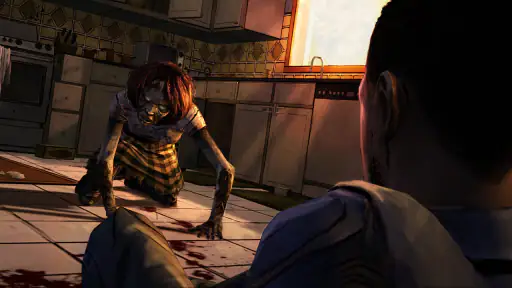
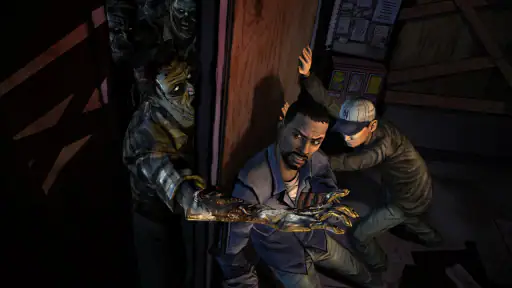
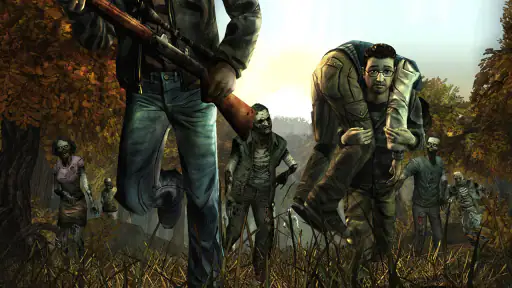
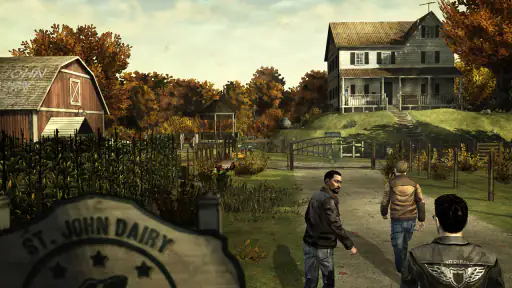
- Atmospheric visuals capture the comic-inspired world effectively
- Excellent voice acting brings the survivors to life
- Episodes are easy to play on phones and tablets
Cons
- Some choices have limited impact on the overall ending
- Older devices may experience occasional performance issues
- The complete story requires purchasing additional episodes
- Gameplay can feel slow between major story moments
- Replay value is reduced once key surprises are revealed

- Category
- Adventure
- Version
- 1.23