Stones and Bones
- 42.00
- 4.6
- Installs
- 10.00K
- Price
- Free

Screenshots
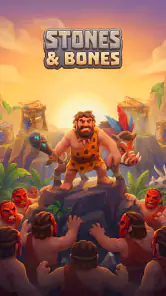
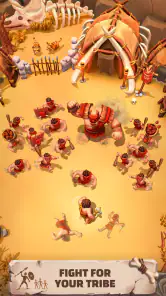
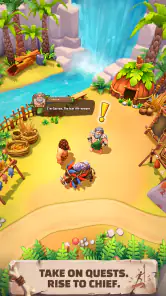

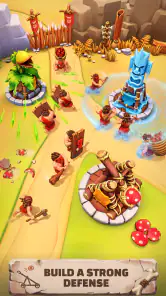

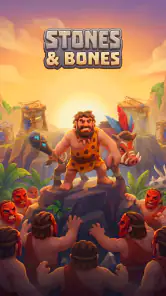
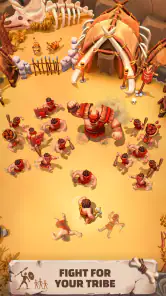
Analysis by Reviewed
I’m drawn to adventure games that give me a clear reason to keep moving, and Stones and Bones has an unusually focused premise: a rescue, a sacred boar to protect, and a hostile group called the Bonebreakers. That combination gives the journey a bit more personality than a generic trip through dangerous territory. It also sets expectations sensibly: this is an adventure game built around a specific conflict, not a broad, anything-goes fantasy world.
My recommendation is to approach it as a compact game for focused sessions. The central ideas are easy to understand, but the best way to enjoy the adventure is to pay attention to what each encounter asks of you rather than rushing simply to reach the next fight. If you like a clear objective and a distinct story hook, it is an appealing starting point. If you mainly want deep customization, open-ended exploration, or a large collection of modes, you may want something more expansive.
Finding a comfortable rhythm in the adventure
Start with the goal, then learn the pace
The rescue premise gives me a useful mental map: I’m working toward someone I care about, while the boar and the Bonebreakers give the journey its own stakes. That matters in an adventure game because a simple objective can make progress feel purposeful even when the immediate task is just getting through the next stretch. Rather than treating every obstacle as a detached challenge, I can connect it to the larger reason for moving forward.
In a first session, I would take a moment to understand the game’s basic flow before trying to play quickly. Notice how it presents threats, what kinds of actions seem useful, and whether a section rewards patience or momentum. I would not assume that a familiar action-game habit—charging into every encounter—will always be the best choice. The specific characters and conflict are the point here, so giving the game a little room to establish them helps the adventure land.
A practical routine is to play one small stretch with attention, then pause long enough to decide what you learned. Did a difficult moment come from acting too soon, overlooking the surroundings, or simply not yet understanding the challenge? That brief reset is more useful than repeating the same approach automatically. It turns a short play session into a deliberate one, which suits a game whose appeal rests on its particular journey rather than an endless stream of unrelated activities.
Make short sessions count
For an everyday use case, I can see myself opening the game during a quiet break, playing until I reach a natural pause, and stopping there instead of squeezing in one more section when I’m distracted. That approach is especially helpful if I’m playing on a phone: interruptions are part of the setting, and a focused few minutes can be more satisfying than a longer session spent half-attending. I would treat each session as a small chapter of progress rather than a test of how long I can keep going.
Before putting the game down, I’d make a mental note of the last obstacle or objective that mattered. When I return, that small bit of context helps me pick up the thread instead of wandering through the opening moments trying to remember why I was there. It is a simple habit, not a special feature, but it makes story-led games easier to enjoy in scattered pockets of time.
The contrast with many adventure alternatives is useful. Some games lean on a huge map and let players set their own goals; others organize play around repeated stages, equipment choices, or competitive challenges. Stones and Bones presents a more personal, directed premise. That focus can be refreshing when I want to know what the adventure is about, but it also means players who thrive on choosing their own route or inventing side goals may prefer a more open-ended game.
Check the practical details before settling in
Before making it a regular game, I’d check whether the device and operating system I plan to use are compatible. The current release is version 1.0.0, and the stated minimum operating system is 7.1. That is a straightforward starting point, but compatibility on paper is not the whole experience: I’d still make sure the game runs comfortably on my own device and that its controls feel natural during an actual session.
I would also look through the available settings before getting far into the adventure. Check any control, sound, display, or accessibility options that are present, and change only what solves a real problem for you. For example, if you tend to play with sound off, find out whether the game communicates important moments clearly without audio. If a control arrangement feels awkward, see whether it can be adjusted before that friction becomes the reason you stop playing. I’m careful not to assume a particular option exists; the useful habit is to inspect what the game actually offers instead of hunting for a feature it may not have.
This is also where I’d make a personal comfort check. A setting that looks convenient can still be tiring over a longer session, so I’d try it briefly and keep the version that feels easiest to use. That is more reliable than copying someone else’s setup. The right choice depends on your device, your hands, and whether you usually play in short bursts or settle in for a longer stretch.
Use repeatable habits instead of rushing
Once I understand the basics, I’d build a small routine around each new challenge: look at the situation, identify the immediate goal, act, and then consider what changed. This avoids a common trap in action-oriented adventures: treating movement and attacks as reflexes without noticing the shape of the encounter. Even when the game’s broader premise is clear, the best response to a particular obstacle may take a moment of observation.
A second helpful pattern is to separate learning from speed. On the first attempt at an unfamiliar section, I’d focus on understanding it; on a later attempt, I could move with more confidence. That trade-off keeps frustration down. Trying to be fast before I know what the game expects can make a challenge feel unfair, while a patient first pass gives me information I can use. I would especially follow this approach when the Bonebreakers are involved, since they are central to the conflict rather than incidental decoration.
I’d also avoid treating every pause as wasted time. A short break after a tense encounter can keep me from making careless decisions in the next one, and it helps the story remain distinct in my memory. This is a modest but useful way to make the game feel less like a sequence of taps and more like an adventure with a beginning, a developing conflict, and a reason to continue.
These habits are not secret strategies or promised shortcuts. They are a way to get more from what the game’s premise already offers: a clear rescue goal, a creature worth protecting, and opposition that gives the journey direction. If the game’s actual controls or challenge design make a particular habit unnecessary, I would adapt rather than force a routine that does not fit.
Know where its focus may feel limiting
The same clear premise that gives Stones and Bones its identity also narrows its appeal. A rescue story and a central conflict are a good fit when I want directed progress, but they are not a substitute for a sprawling world, elaborate role-playing systems, or a sandbox full of optional activities. If I’m in the mood to explore without a strong central objective, I would choose a different adventure rather than expecting this one to become something it is not.
It is also worth keeping expectations grounded about how much variety a focused adventure can provide. The store presentation establishes its story hook, but that alone does not tell me how much the game changes its challenges over time. I would judge the experience by whether I enjoy the way it develops its rescue and protection themes, not by expecting a particular number of stages, a specific combat system, or features that have not been established.
Likewise, players who want a game they can master through a large menu of advanced controls or highly configurable systems should inspect the available options for themselves before committing. A sensible approach is to try the basic experience first and decide whether its level of depth matches your taste. If you need extensive customization to enjoy a game, a broader adventure with clearly established systems is likely a safer choice.
Purchases are another practical consideration. The game is free to start, with in-app purchases listed from $0.99 to $124.99 per item. I’d decide in advance whether I want to spend anything and avoid treating optional purchases as a requirement for enjoying the core premise. That is particularly useful for a story-driven game: I can first see whether I like its pace and characters, then make any spending decision with a clearer sense of what I personally value.
Who I’d recommend it to
I’d point Stones and Bones toward players who enjoy a defined adventure, a memorable central creature, and a conflict that is easy to explain without a long setup. It also suits someone who prefers to play in short, attentive sessions and is happy to learn challenges as they come. Its broad audience is reflected in an Everyone 10+ age rating, though I’d still consider the preferences of the particular person who will be playing.
Its audience is not limited to people who play adventure games every day. The premise gives a newcomer an obvious reason to care, and the basic routine of observing, acting, and learning is a comfortable way to approach a game without turning it into homework. Experienced players can get more deliberate by refining their pace and reviewing what went wrong, but they should not mistake those habits for evidence of a deep customization layer. The game’s appeal is its focused journey, not a promise of endless systems to optimize.
It is less suitable for someone seeking a quiet, purely exploratory experience, a competitive game, or a substantial character-building sandbox. It may also disappoint if your favorite part of adventure games is collecting extensive side content or setting your own destination. In those cases, a more open-ended alternative will likely serve you better. I’d choose this one when I want a clear story hook and a specific adventure, not when I want the game to supply a world that can occupy every spare hour.
What its reception and release tell me
MEGAGIGA GAMES BILISIM A.S. is the developer, and the game has a 4.6 average from around 1.1 thousand ratings, with 42 written reviews. It has passed 10 thousand installs, which gives a prospective player a modest sense that others have tried it without turning popularity into a guarantee of fit. Ratings can help set expectations, but I’d still give more weight to whether its rescue-and-protection premise sounds like the kind of adventure I want.
It was released on Sep 10, 2026, so I would approach it as a relatively new entry rather than assume it has the long-established feature set of a mature series. The current version is 1.0.0. That makes a straightforward first impression especially important: try the basic loop, see if the tone and pace work for you, and make your judgment from the experience you actually have rather than from expectations built around a different game.
A focused adventure worth trying on its own terms
My overall view is positive, with a clear qualification: Stones and Bones sounds most compelling when I want a directed adventure with a distinctive rescue-and-protection premise. The sacred boar and the Bonebreakers give it a specific identity, and the central goal makes it easy to understand why the journey matters. I would recommend giving it a try if that combination appeals to you and you are comfortable with a focused rather than open-ended experience.
For the best first session, I’d check compatibility, inspect the settings that matter to my comfort, and then play slowly enough to learn the game’s rhythm. I’d keep spending optional, stop at a natural pause, and judge the adventure by how much I care about its central conflict. With that approach, Stones and Bones is an easy game to assess for yourself: its strengths are its clear purpose and distinctive hook, while its limits will show if you are looking for a much wider playground.
Stones and Bones Frequently Asked Questions
What is Stones and Bones, and what do you do in the game?
Stones and Bones is a casual puzzle game built around matching and clearing groups of stones and other bone-themed pieces. Its straightforward goal makes it easy to understand: examine the board, choose a move, and work toward the level’s objective. The exact puzzles and available features may vary by version, so check the current store listing to confirm what is included before downloading.
Is Stones and Bones free to download and play?
The price and monetization can depend on the platform, region, and current version. Check the Google Play Store or Apple App Store listing for the latest price, and review its in-app purchases section before installing. Free-to-download games may offer optional purchases, such as items or extra play opportunities; if you prefer not to spend, use your device’s purchase controls to restrict transactions.
Can I play Stones and Bones offline?
Whether Stones and Bones works without an internet connection may depend on the game version and which features you want to use. Some puzzle games let players complete levels offline but require a connection for advertisements, account syncing, updates, or online rewards. If offline play matters to you, check the app’s store description and test the feature after installation rather than assuming every mode is available without internet.
Is Stones and Bones suitable for children?
The game’s puzzle-focused premise may appeal to children, but suitability depends on factors beyond its basic gameplay. Before handing it to a child, review the age rating and content disclosures on the relevant app store, and check whether it includes advertising, in-app purchases, or social features. Parents can also use device-level parental controls to limit purchases and manage screen time.
Which devices support Stones and Bones, and how can I download it safely?
Availability and compatibility can differ between Android and iOS, and a device must meet the requirements shown on its store listing. Open Google Play or the Apple App Store, search for Stones and Bones, and confirm the publisher, supported operating system, and recent update information before installing. Downloading from the official store helps reduce the risk of unofficial or modified copies.
Pros
- Easy-to-learn gameplay makes it approachable for younger players.
- Short levels are convenient for quick play sessions.
- Bright visuals make the prehistoric setting appealing.
- Simple controls are suitable for touchscreen play.
- A lighthearted theme keeps the adventure family-friendly.
Cons
- Gameplay may feel repetitive after several levels.
- The challenge may be too low for experienced players.
- Some puzzles can require trial and error.
- Progress may feel slow without frequent rewards.
- Its simple presentation may not appeal to older players.

- Category
- Adventure
- Version
- 1.0.0