Seekers Notes: Hidden Objects
- 65.45K
- 4.3
- Installs
- 10.00M
- Price
- Free

Screenshots

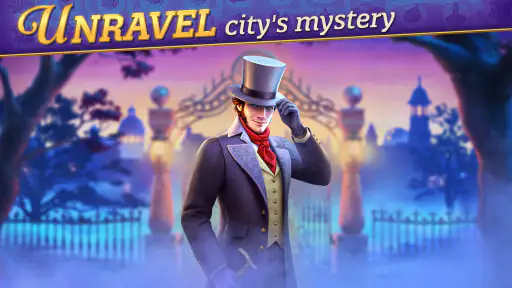

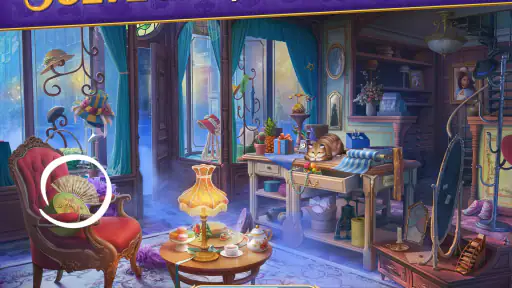
Analysis by Reviewed
When I want a puzzle game that feels more like exploring a place than clearing a row of identical stages, Seekers Notes: Hidden Objects is an appealing choice. It mixes object searches with a story set in Darkwood, giving each scene a reason to feel curious rather than merely decorative. I would recommend it to someone who enjoys taking a few minutes to study a busy illustration, though it is less suited to players who want fast action or a short, self-contained puzzle.
What the current version offers
Mytona’s adventure game has been around since its release on December 8, 2015, and its current version is 2.63.1. That long-running history makes it feel like an established game rather than a newly launched experiment. It is free to start, rated Everyone, and has optional in-app purchases priced from $0.99 to $99.99 per item. I’d treat those purchases as a choice, not a requirement: the best way to judge the game is to try its searching and puzzle rhythm before deciding whether spending would make it more enjoyable.
The audience figures suggest it has found a substantial following: it has over 10 million installs and an average rating of 4.3 from around 578,000 ratings. Those numbers can help set expectations, but they don’t guarantee that its pace will suit you. If you’re considering it for a particular device, the listed minimum operating-system requirement is Android 7.0; check compatibility with your own device before installing.
How the search plays in everyday life
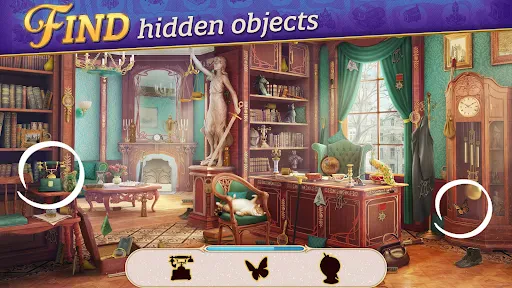
Seekers Notes: Hidden Objects is an enchanting hidden object game set in a magical world filled with mystery and intrigue. As a player, you are thrust into the role of the Seeker, someone who has been chosen to explore the cursed city of Darkwood. The city is shrouded in mystery, and it is your task to uncover hidden objects, solve puzzles, and unravel the secrets that lie within.
Unveiling the Mysteries of Darkwood
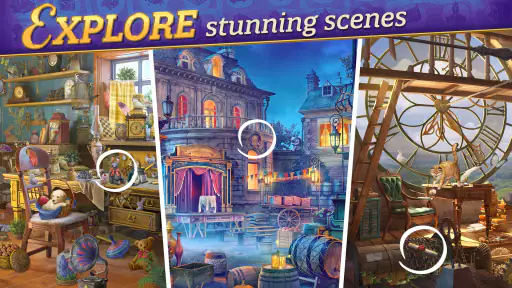
When I first launched Seekers Notes: Hidden Objects, I was immediately drawn in by the game’s immersive atmosphere. The graphics are stunning, with intricate details that bring the city of Darkwood to life. From the eerie abandoned streets to the lush, overgrown gardens, every scene is meticulously crafted, making the search for hidden objects a visually delightful experience.
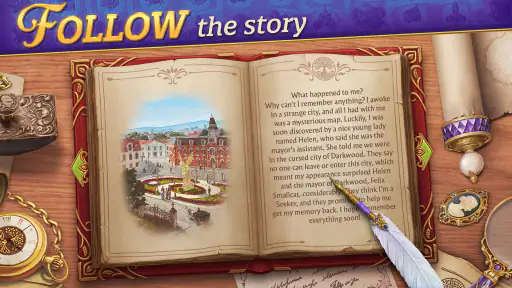
What sets this game apart from other hidden object games is its rich storyline. As you progress, you’ll meet a variety of characters, each with their own stories and secrets. It's like being in the middle of a suspenseful novel where you are the detective. The narrative is engaging, and I found myself eager to uncover what happens next in the tale of Darkwood.
A Game of Strategy and Wit
The gameplay in Seekers Notes requires a keen eye and a strategic mind. As you delve deeper into the game, the puzzles become more challenging, requiring you to think critically and creatively. I loved how the game encouraged me to not just find objects, but to piece together clues and solve complex puzzles. It’s a brain workout that is both fun and satisfying.
More From Our News Desk

Weather by Xiaomi Review: Clear at a Glance, Less Clear Up Close

X Under Pressure: Can It Recover When Posting Goes Wrong?

Clash of Clans Is Won Between the Battles

Android Auto Makes the Case for Quieter Car Software

MobiOffice: Transforming Mobile Productivity with Seamless Integration

EA SPORTS FC™ Mobile Soccer: Redefining Mobile Sports Gaming
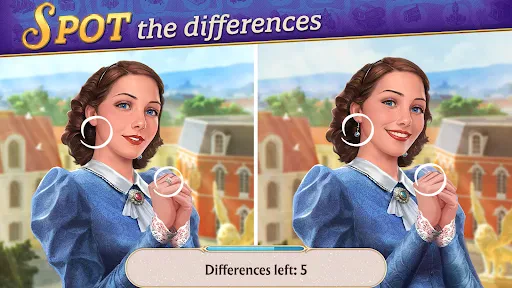
One of my favorite features is the variety of puzzles. It’s not just about finding hidden objects; there are also match-3 puzzles, logic puzzles, and more. This variety keeps the gameplay fresh and exciting, ensuring that there’s never a dull moment in Darkwood.
Choosing the right way to play
For a realistic use case, I’d open it during a quiet stretch of a commute or while waiting for an appointment, choose a search scene, and focus on a handful of objects rather than rushing through the whole session. Hidden-object play rewards scanning in a pattern: I work across one area at a time, then revisit cluttered corners instead of tapping randomly. That simple habit makes the search feel more deliberate and can reduce the frustration of overlooking an item in a detailed scene.
This is also where the game differs from a typical match-3 puzzler. Match-3 games put the board and immediate combinations first; here, the illustrated scene and the act of noticing details are central, while the other puzzle types offer a change of pace. If you mainly want quick rounds with little reading or visual searching, a straightforward match-3 game is probably a better fit. If you enjoy connecting a place, its characters, and its puzzles, Darkwood has more appeal.
Playing with other people
Another aspect I enjoyed about Seekers Notes is its social component. You can connect with friends, join guilds, and participate in events. It’s a great way to collaborate with other players and tackle challenges together. The community aspect adds an extra layer of fun, making the game not just a solo adventure but a shared journey.
In-game events and updates are frequent, offering new content and challenges. It’s clear that the developers are committed to keeping the game engaging and enjoyable for players. I always look forward to the seasonal events, which add a festive and exciting twist to the game.
Small habits that make searching easier
I find it useful to pause before tapping when a scene feels crowded. Instead of sweeping my eyes back and forth, I divide the picture into rough zones and check each once; a second pass over the busiest area is usually more productive than restarting my scan from the beginning. When I hit a difficult puzzle, switching to another activity for a while can also keep the session enjoyable rather than turning one stubborn scene into a chore.
The trade-off is that detailed scenes demand attention, and the story’s continuing mysteries are a draw only if you like progression that unfolds over time. Players who prefer a fixed ending, minimal narrative, or completely solitary play may be happier with a compact puzzle collection. I’d also keep optional purchases in mind if I’m trying to maintain a strict spending limit: the game is free to begin, but paid items are available, so I would avoid buying impulsively and decide on a budget beforehand.
What its long life means for returning players
The current version number and the game’s release history show that Seekers Notes has continued beyond its original launch, but they do not tell me exactly what changed between updates. For an existing player, the practical point is to treat version 2.63.1 as the current build rather than assume every remembered detail is unchanged. If you return after a break, take a moment to look around the available activities and events before settling back into your usual routine; that is a sensible way to notice what is currently on offer without expecting a particular feature to have been added.
For someone new, the same longevity is a reason to start with a small trial session. See whether the hidden-object scenes hold your attention, whether the story motivates you to continue, and whether the mix of puzzles suits the way you like to play. That tells you more than the game’s popularity alone, and it helps you decide whether its ongoing structure feels inviting or simply too much to keep up with.
Making a short session count
A useful way to fit the game into an ordinary day is to treat each visit as a small activity rather than a promise to clear a long list. I’d pick one scene when I have a few calm minutes, give it my full attention, and stop when I start tapping without really looking. That keeps the central pleasure—the moment of recognizing a shape tucked into a crowded illustration—from becoming a rushed chore. It also suits players who want something engaging during a break but don’t want every spare moment taken over by a game.
The detailed artwork is both the attraction and a practical limitation. Playing on a smaller screen or while distracted can make close visual searching tiring, so I’d choose a comfortable brightness and avoid trying to play while walking or doing something that needs attention. If a scene becomes hard to read, a pause is more helpful than repeated random taps. This is not a game I’d choose for a noisy, split-attention setting; its searches work best when I can look carefully.
Who will enjoy Darkwood—and who may not
I think the strongest fit is someone who likes atmospheric mysteries, patient observation, and a sense of returning to a place over time. The story gives searches context, and the additional puzzle styles provide a little variety when I want a break from scanning illustrations. Players who enjoy joining a guild or sharing game activity with friends may also appreciate that social layer, although it is not necessary to enjoy the basic appeal of exploring scenes.
On the other hand, I would steer away if you want a game that is entirely self-contained, has a quick conclusion, or lets you progress without visual concentration. Someone looking for an action adventure should choose a different kind of game; someone wanting uncomplicated, rapid-fire puzzles may prefer a focused match-3 title. Darkwood is more rewarding when you are willing to notice details and let its continuing mysteries unfold at their own pace.
What to consider before spending or returning
Because the game is free to start but includes optional paid items, I’d first learn its ordinary rhythm before deciding whether any purchase is worthwhile. The range of listed item prices is broad, so it makes sense to set a personal limit and avoid buying simply because a particular moment feels slow. If you are returning after a break, the current version gives you a practical starting point, but it is not a changelog: I would explore the present menus and activities for myself rather than assume the game has changed in a particular way.
Its long-running release history and current build are evidence that the game remains available in an ongoing form, not a guarantee of what future updates will bring. I’d watch how well new sessions continue to balance searching, story, and other puzzles, and whether the current pace still feels relaxing rather than demanding. For a new player, a brief trial is the clearest test; for a returning one, checking what is actually available now is more reliable than relying on old habits.
Final Thoughts: A Magical Adventure Awaits
Overall, Seekers Notes: Hidden Objects is a captivating game that offers a perfect blend of mystery, adventure, and strategy. The stunning visuals, engaging storyline, and challenging puzzles make it a must-play for fans of hidden object games. Whether you’re a casual player or a hardcore puzzle enthusiast, this game has something for everyone. So grab your magnifying glass and prepare for an adventure like no other in the magical world of Darkwood. Who knows what secrets you might uncover?
Seekers Notes: Hidden Objects Frequently Asked Questions
Is Seekers Notes: Hidden Objects suitable for players who enjoy story-driven adventures?
Seekers Notes: Hidden Objects blends hidden-object searches with an adventure narrative about a cursed city and its secret mysteries. Players who like examining detailed scenes and using discoveries to progress through a mystery may find that combination appealing. It is less suited to someone looking only for fast action, since searching and puzzle-solving are central to the experience.
What age rating does Seekers Notes: Hidden Objects have?
Seekers Notes: Hidden Objects is rated Everyone, so its age classification is intended for a broad audience. The game focuses on finding objects, solving puzzles, and exploring its mystery setting. Parents can still review the game and its in-app purchase options with younger players before downloading, especially if they want to manage spending through the device’s settings.
What kind of game is Seekers Notes: Hidden Objects?
Seekers Notes: Hidden Objects is an adventure game built around exploring a mysterious setting, finding objects concealed in detailed scenes, and solving puzzles. Its central premise is a journey to the cursed city, where uncovering hidden items helps reveal secret mysteries. It may appeal to players who enjoy visual search challenges alongside an unfolding story.
Who develops Seekers Notes: Hidden Objects, and is it a popular game?
Seekers Notes: Hidden Objects is developed by Mytona. It has an average rating of 4.3 from around 578,000 ratings, with about 65,000 written reviews and over 10 million installs. Those figures suggest that it has reached a broad audience, though whether its searching and puzzle-focused style suits you will depend on the kind of adventure games you enjoy.
What is Seekers Notes: Hidden Objects?
Seekers Notes: Hidden Objects is a captivating adventure game where players explore the mysterious town of Darkwood. As a seeker, you'll solve challenging puzzles and uncover secrets hidden in beautifully crafted scenes. The game combines hidden object gameplay with engaging storylines, offering a rich and immersive experience for mystery lovers.
Pros
- Immersive storyline with engaging mysteries.
- Visually stunning graphics and animations.
- Wide variety of challenging puzzles.
- Regular updates with new content.
- Multiplayer events enhance social interaction.
Cons
- In-app purchases can be expensive.
- Requires constant internet connection.
- Progression can be slow without spending.
- Some puzzles are repetitive.
- Occasional technical glitches.
- Category
- Adventure
- Version
- 2.63.1