Refind Self
- 18.00
- 4.7
- Installs
- 10.00K
- Price
- $3.99

Screenshots
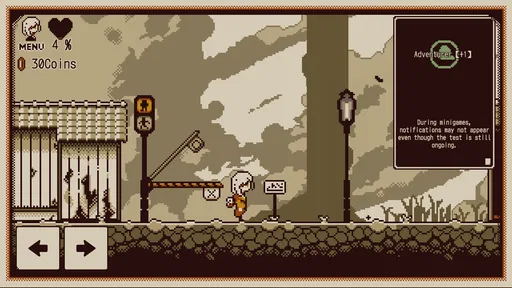





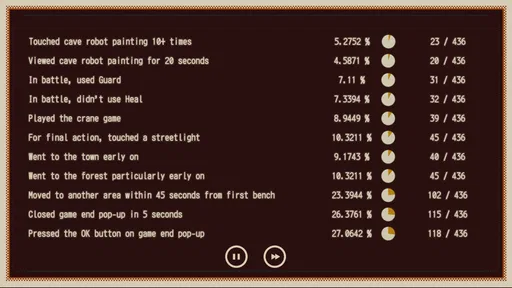
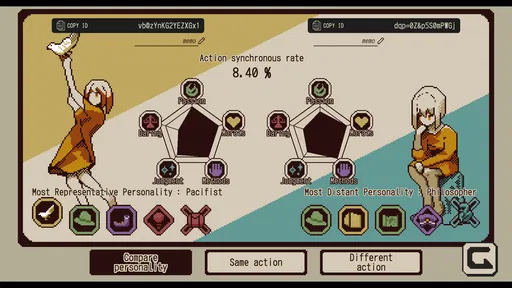
Analysis by Reviewed
I approached Refind Self expecting a reading app, but that is not what it is: it is an adventure game built around a personality test. That difference matters before you spend anything. If you want a story-shaped way to reflect on how you make choices, it may be a thoughtful change of pace; if you want articles, news, or a personalized reading feed, this is the wrong app for that job.
What you are choosing
Made by PLAYISM, this adventure game asks you to explore and make decisions, with the experience focused on what those choices reveal about your personality. I would treat the result as a prompt for reflection, not a clinical assessment or a permanent label. The appeal is in seeing how your play unfolds and considering why certain decisions felt natural to you.
That makes it a different proposition from the usual adventure game, where I might choose one for a long narrative, action, puzzles, or a large world to explore. Here, the central draw is self-examination through play. It is best approached with some curiosity and a little patience, rather than as a conventional game to rush through for a score or a challenge.
When it suits your day
I can see this fitting into a quiet evening when I want something more involving than scrolling but do not want to commit to a sprawling game. It could also work as a conversation starter: play for yourself, then compare impressions with a friend, while remembering that different choices do not need to mean one person is more “right” than another.
A useful way to play is to answer instinctively the first time, rather than trying to guess what each choice says about you. If you replay or discuss the experience, notice which decisions you reconsider and why. That small distinction—what I did automatically versus what I wish I had done—can make the personality-test angle more interesting than simply reading a result and moving on.
It is also worth setting expectations about how personal the result feels. A game can only reflect the choices made within its own situations; it cannot capture every part of someone’s character or how they behave in daily life. I would enjoy the interpretation as a playful lens, not use it to make serious decisions about myself or anyone else.
A small, practical way to approach the choices
If I were playing after a tiring day, I would avoid turning every decision into a puzzle about what the game “wants” me to choose. That urge can make a self-reflection experience feel like a test with hidden right answers. Instead, I would pause only when a choice genuinely catches my attention, then pick what feels natural and move on. The interesting part is not proving that I can predict a result; it is noticing what I reach for when I am not trying to manage an impression.
More From Our News Desk

 Gmail
Gmail in a Busy Inbox: Who Benefits Most?
From first account to crowded workday, Gmail earns its place through dependable search and flexible sorting—but its best fit depends on how much inbox maintenance you can tolerate.

 Prime Video
Switching to Prime Video: What Changes in Your Viewing Routine
Prime Video can make a compelling second home for streaming, but switching means learning a different catalog, rental layer, and route from browsing to playback.

 Universal TV Remote Control
 Works Best as a Reliable Backup
A phone remote earns its place through quick setup and reliable habits. Here is how to get more from Universal TV Remote Control—and where its limits show.

 Weather - By Xiaomi
Weather by Xiaomi Review: Clear at a Glance, Less Clear Up Close
Xiaomi’s weather app makes everyday forecasts quick to scan, but its calm surface can leave useful details and recovery paths harder to find than they should be.

 X
X Under Pressure: Can It Recover When Posting Goes Wrong?
A resilience-focused review of X, examining setup, mistaken posts, interruptions, weak connections, and the gaps that matter when recovery needs to be dependable.

 Clash of Clans
 Is Won Between the Battles
Its raids are quick; its community is a long-term project of coordination, teaching, rivalry, and shared responsibility—with all the friction that entails.
Latest News



For a more useful second look, I would keep the first playthrough separate from any discussion with friends. Hearing someone else explain a choice can change how I interpret my own, and that is valuable, but it can also nudge me into copying their reasoning on a replay. Comparing impressions is more revealing when everyone first has their own unprompted experience. This is a small distinction, yet it helps keep the conversation about personal reactions rather than a contest over who understood the game best.
I would also resist treating a personality result as a summary of a whole person. Context matters: a choice that feels right in a fictional situation may not map neatly onto a real-life decision, and mood can affect how anyone responds. That limitation is not a reason to dismiss the game; it is a reason to use its result as a starting question. “Why did that feel like me?” is more productive than “Does this prove who I am?”
How the experience fits different expectations
So, what's the deal with Refind Self? Essentially, it's an app designed to help you rediscover and refine the content that's truly meaningful to you. Picture this: instead of getting bombarded with random articles and news that you might not even care about, this app curates the best content based on your interests. Pretty neat, right?
The moment I opened the app, I was greeted with a super clean and intuitive interface. It was like stepping into a well-organized library, where every book was one I wanted to read. The app asks you to select your interests, and from there, it starts building a personalized feed. It's almost like having a personal assistant who knows exactly what you want to read, watch, or listen to.
Navigation and Usability
Let’s talk about navigation, because if you’re like me, you want something that’s easy to use. The app is straightforward, with a minimalistic design that doesn’t overwhelm you. The categories are well-organized, and switching between them is as smooth as butter. You can bookmark articles to read later, which is great for when you’re in a hurry but see something interesting.
Another cool feature is the daily digest. Every morning, I receive a concise summary of top stories and articles based on my preferences. It’s like waking up to a personal newspaper tailored just for me. I found this feature particularly handy because it saves me time and keeps me updated without any hassle.
Personal Growth and Learning
One thing that really stood out to me is how Refind Self encourages personal growth. The app isn’t just about consuming content; it’s about learning and evolving. It offers a variety of materials, from deep-dives into complex topics to quick reads for a busy schedule. I personally loved the "Learn Something New" section, which challenged me to explore ideas outside my comfort zone.
Moreover, the app gives you insights into your reading habits, helping you understand what topics you engage with the most. It's a subtle nudge towards self-discovery and intellectual growth, which I found incredibly valuable.
A Few Quirks
Of course, no app is perfect. While I enjoyed my experience with Refind Self, I did notice a couple of quirks. Sometimes, the recommendations can be a bit repetitive, but hey, that’s a minor hiccup compared to the overall functionality.
Also, I wish there was an offline mode. There were times when I wanted to catch up on my reading during a flight, but alas, no internet, no content. Hopefully, this is something the developers are working on.
Who will get the most out of it
The clearest match is someone who enjoys narrative adventures but is also curious about how they make choices. You do not need to be a fan of formal personality quizzes to find the premise appealing; in fact, I think it works better if you come to it without a fixed idea of what your “type” should be. Players who like talking through stories afterward may get extra value from comparing their reactions, provided they treat the result as a conversation starter rather than a verdict.
It is less suited to someone who wants a game to fill every spare minute with rapid action or a demanding skill test. The draw is reflective, so a player who taps through quickly just to reach an outcome may miss the point. Likewise, if your priority is a long, branching plot with a substantial world to master, a more conventional story-driven adventure is likely to fit better. I would also skip it if personality labels make you uncomfortable or if you tend to take test results too literally.
That distinction is useful when choosing between it and a dedicated quiz. A quiz generally puts the questions and answers in the foreground, which is convenient if you want a direct assessment-style experience. This game instead makes the act of playing part of the reflection. Compared with a standard adventure, it shifts attention away from combat, exploration for its own sake, or puzzle difficulty and toward what your decisions might say about you. Neither format is automatically better; the right choice depends on whether you want to answer questions or encounter situations.
A realistic play session
Imagine having a free evening after work, with enough energy for something more engaging than social feeds but not enough for a complex game that demands constant planning. I would set aside a calm stretch, silence distractions, and play at a pace where I can register my reactions. If a situation prompts an immediate choice, I would trust that first response. If one feels uncomfortable or surprising, I would remember it rather than stopping to analyze every possible interpretation.
Later, I might tell a friend which moment stayed with me and ask how they approached it. That turns the game into a low-pressure shared activity without requiring both people to agree on what the result means. It is a better use of the personality premise than treating the outcome like a score to compare. If I only have a few distracted minutes while waiting in line, I would save it for later; interruptions can break the reflective mood and encourage unconsidered tapping.
For a first run, I would avoid reading other people’s interpretations beforehand. Knowing what a particular response is supposed to signify can change the way I play, making the choices less spontaneous. Going in fresh gives the experience a fairer chance to reflect my own instincts. Afterward, outside discussion can add perspective, but it should not replace the player’s own reading of what felt meaningful.
Price, fit, and final call
The game costs $3.99, so I would decide based on whether a reflective, personality-led adventure sounds appealing rather than expecting an ongoing stream of fresh material. Its Teen age rating makes it suitable for teen audiences, though the main question is whether the theme interests the player. It has a 4.6 average from around 420 ratings, and more than 10,000 installs; those figures suggest it has found an audience, but they cannot tell you whether its style will click with you.
For comparison, a conventional narrative adventure is a better pick if you mainly want a plot to follow, while a quiz or personality app may suit you better if you want direct questions and a quick result without exploring a game. I would choose this one when the act of making decisions is part of the appeal. If you dislike introspective themes, prefer multiplayer or action, or want a game with a clearly defined skill challenge, I would look elsewhere.
There is little of a genre-wide learning curve to worry about, but the trade-off is that the experience depends on engaging with its premise. I would start when I have enough time to pay attention to the situations instead of tapping through them between tasks. That makes it a better fit for an uninterrupted break than for a commute where I may be constantly distracted. It was released on October 2, 2023, and version 1.1.0409 requires Android 12 or later, so I would check device compatibility before buying.
Before you decide
A practical question is whether the game can work as a casual group experience. I would say yes as a conversation prompt, but not as a party quiz where everyone is expected to compare scores or reach a shared conclusion. Its more personal appeal depends on having room to think, so a group that enjoys discussing motives may appreciate it, while a loud gathering may not give the choices enough attention. If you are buying for someone else, their interest in reflective stories matters more than whether they usually play adventure games.
Another fair question is whether it is worth choosing over a free personality quiz. If all you want is a quick label, a quiz is the more direct route. The price makes more sense when you value the interactive framing and want to experience your decisions in a game rather than respond to a list of prompts. I would not buy it expecting unlimited variety or a tool that can settle questions about identity; I would buy it for a focused, unusual way to think about my own reactions.
On a phone, I would also consider when and where I am likely to play. A reflective game benefits from attention, so a quiet break at home is a better fit than a noisy commute or a moment when I am switching between messages. Before purchasing, I would check that the device meets the Android requirement; the current version is 1.1.0409 and needs Android 12 or later. This is a simple compatibility check, but it prevents the disappointment of choosing a game whose premise sounds right and then finding the device is not ready for it.
There is no need to approach the experience as homework. I would not take notes on every decision or try to engineer a particular personality outcome. A lighter method works better: play honestly, notice the moments that linger, then think about them afterward. That leaves room for the game to be entertaining as well as reflective. If the result feels off, I would treat that as an opening to ask what the game’s situations missed, not as evidence that my own self-understanding is wrong.
All in all, if you're someone who loves to stay informed and is always on the lookout for quality content, Refind Self might just be the app you’ve been searching for. It's a perfect blend of personalization and ease of use, making it a delightful companion for your daily reading adventures.
Refind Self Frequently Asked Questions
Is Refind Self a game, and what kind of experience does it offer?
Yes. Refind Self is an adventure game presented as “The Personality Test Game.” Rather than approaching it as a conventional self-improvement app, expect a game experience built around discovering what your choices and behavior might say about you. Its focus makes it a distinctive option for players interested in reflective, personality-themed adventures.
What does Refind Self cost, and is it suitable for younger players?
Refind Self costs $3.99, so you can consider the purchase price before downloading. It has a Teen content rating, which makes it more appropriate for teenage players and adults than for young children. If you are choosing a game for someone else, check that age guidance and consider whether its personality-test theme is a good fit for them.
What is Refind Self and how does it work?
Refind Self is a self-improvement application designed to help users achieve personal growth and mindfulness. It offers features like daily reflections, goal setting, and mindfulness exercises. By integrating with your daily routine, it encourages you to reflect on your actions, set achievable goals, and track progress over time, ultimately enhancing your personal development journey.
Is Refind Self available on both Android and iOS platforms?
Yes, Refind Self is available for download on both Android and iOS platforms. Users can find it on the Google Play Store for Android devices and the Apple App Store for iOS devices. It ensures a seamless experience across both platforms, allowing users to take advantage of its features regardless of their device preference.
Does Refind Self require a subscription to access all features?
Refind Self offers both free and premium subscription options. While the free version provides access to basic features, the premium subscription unlocks additional content and advanced tools for a more comprehensive self-improvement experience. Users can choose the plan that best suits their needs and budget.
Pros
- User-friendly interface design.
- Comprehensive daily habit tracker.
- In-depth analytics and insights.
- Customizable habit reminders.
- Integrates with other health apps.
Cons
- Limited free version features.
- Occasional sync issues.
- No offline mode available.
- Limited customer support options.
- Requires account creation to start.