Mech Assemble: Zombie Swarm
- 1.36K
- 4.6
- Installs
- 500.00K
- Price
- Free

Screenshots
Analysis by Reviewed
I like the central idea behind Mech Assemble: Zombie Swarm: it puts the appeal of building a mechanical fighting force right beside the quick pressure of surviving undead attacks. That gives this action game a clear identity, and its mix of choosing a lineup and reacting during battles is more interesting to me than a game built around tapping through waves with no thought for your setup. It is a good fit when I want combat with a little planning, though it is less compelling if I’m looking for a deep, slow strategy game.
What to expect from a run
The main appeal is the push and pull between preparation and pressure. You have a chance to think about your mech lineup, but once a fight starts, the focus shifts to responding to the swarm. That rhythm gives the game more texture than an action title where every encounter feels like the same test of speed. It also means that your enjoyment depends on whether you like making decisions before the action as well as staying engaged once it begins.
I wouldn’t approach it expecting a detailed tactical simulator or a hands-on action game with precise control over every move. Its sweet spot is a lighter kind of strategy: assembling a force, noticing how it handles trouble, and adjusting for another attempt. If I only have a few minutes, I can still get something from a quick run; if I’m trying to understand a new combination, I’d rather give myself enough time to see what the changes do.
Building Your Mechanical Army
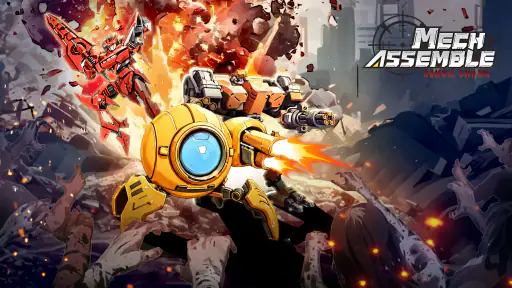
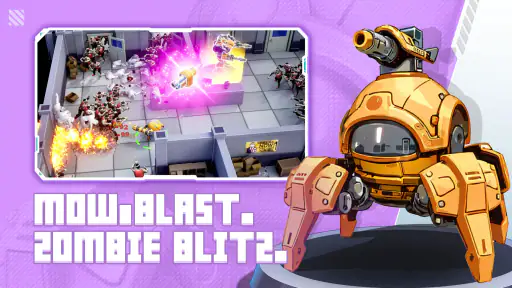
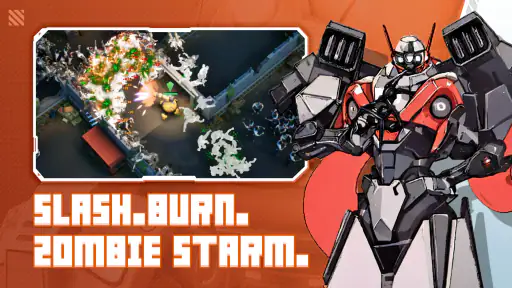
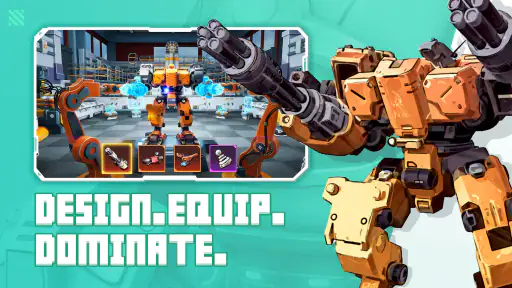
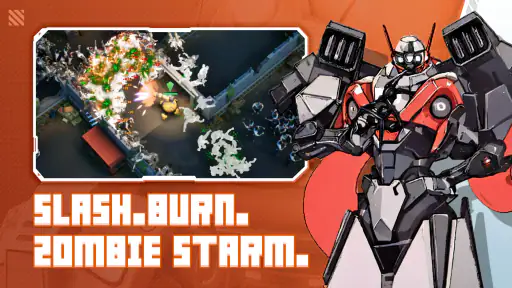
Once you dive into Mech Assemble: Zombie Swarm, the first thing you'll notice is the sheer variety of mechs you can assemble. Each mech comes with its own unique set of abilities and strengths, allowing you to tailor your army to your playstyle. Whether you prefer all-out assault units or more tactical support mechs, the game has you covered. I personally love how each mech can be customized, giving me a sense of ownership over my mechanical minions.
That choice of lineup is where I’d spend a little attention before a run, rather than changing things at random after every setback. If a fight is going badly, I’d first ask whether the team needs a different balance of attacking and support roles, then make one adjustment and see what changes. Testing one change at a time makes it easier to understand why a setup works, and helps keep the assembly side from feeling like a pile of interchangeable parts. The trade-off is that experimenting can take patience: players who want to rush straight into action may not enjoy pausing to think about composition.
Zombies, Zombies Everywhere!
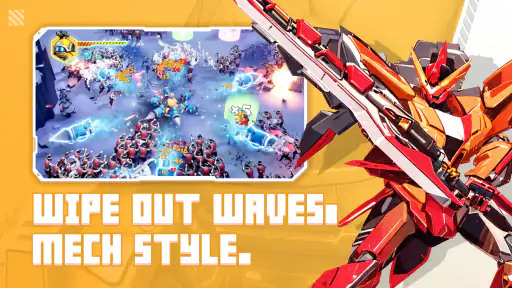
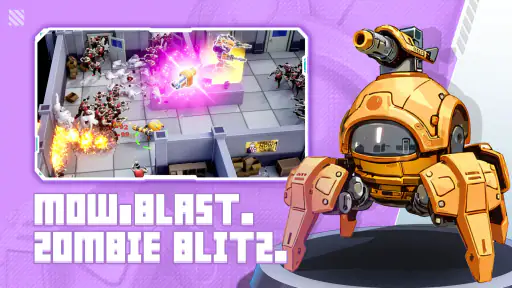
The zombie swarms in the game are nothing short of relentless. Each encounter feels fresh, thanks to the different types of zombies that require different strategies to defeat. It’s not just about brute force; you need to think on your feet and adapt your tactics to survive. I found myself constantly switching up my lineup and trying new strategies, which keeps the gameplay exciting and engaging.
That makes the game easier to enjoy in short breaks than a sprawling campaign that expects a long, uninterrupted session, although I’d still want a comfortable stretch of time when learning a new setup. A practical approach is to treat a failed attempt as information: notice which enemies caused trouble, then adjust the team rather than simply repeating the same plan. It gives each run a small decision to carry forward. If you prefer a predictable power fantasy where a strong unit can simply overwhelm every encounter, the need to adapt may feel like friction rather than a welcome challenge.
More From Our News Desk

Clash of Clans Is Won Between the Battles

Android Auto Makes the Case for Quieter Car Software

MobiOffice: Transforming Mobile Productivity with Seamless Integration

EA SPORTS FC™ Mobile Soccer: Redefining Mobile Sports Gaming

How Microsoft OneDrive Became a Mobile Productivity Giant

How Google Translate Breaks Language Barriers Effortlessly
Making experimentation count
One useful habit is to keep the question for each run narrow. Rather than rebuilding the whole force after a loss, I’d change one part of the lineup and watch for whether the problem shifts. That makes the assembly system easier to learn and reduces the chance of mistaking a lucky result for a reliable strategy. It also gives the game a satisfying trial-and-adjust rhythm for players who enjoy figuring out why a particular approach succeeds.
That approach has a limit: if you don’t enjoy repeating encounters or reflecting on what went wrong, the loop can feel less like discovery and more like delay. I’d recommend it to someone who finds small tactical puzzles rewarding, not to someone who sees every failed run as wasted time. The difference is important here, because the appeal isn’t only defeating a horde; it’s using what the fight teaches you to make the next attempt feel more deliberate.
Graphics and Sound
One of the standout features of the game is its graphics. The vibrant colors and detailed mech designs are a feast for the eyes, while the dynamic environments keep you immersed in the action. Pair that with a soundscape that perfectly complements the on-screen chaos, and you've got a game that draws you in from the get-go. I often find myself playing with headphones just to enjoy the full audio experience.
For an everyday scenario, I can see myself opening it during a quiet commute or while waiting for an appointment, using a short session to test a different mech combination rather than expecting a long, uninterrupted story chapter. I’d keep headphones as an option, not a requirement; the visual action is the main draw, while sound adds atmosphere when the setting allows it. If you usually play with your phone muted, the game can still suit that habit, but you’ll miss some of the texture that makes battles feel lively.
Finding the right moment to play
It suits small pockets of free time because the basic idea is easy to return to: assemble a force, face a swarm, and decide what to try next. I’d still avoid starting a session when I have only a moment and no patience for a setback. A short break is best used for a familiar setup or a quick experiment; learning a new combination is more enjoyable when I can pay attention instead of checking the clock.
It is also worth thinking about where you play. The busy action and sound can make a quiet waiting room a good fit if you keep the volume low or use headphones, but a crowded commute may not be the best place to study a new lineup. When I’m distracted, I’d rather use a setup I already understand. That small distinction helps keep the game relaxing rather than turning every interruption into a reason to lose track of what I was testing.
Challenges and Rewards
Every mission in the game offers a new challenge, with rewards that make the efforts worthwhile. The progression system is well-paced, offering just the right amount of difficulty to keep you motivated without feeling overwhelmed. I appreciate the balance the developers have struck here, as it makes for a rewarding and fulfilling gaming experience.
There is also a useful choice to make about spending. The game is free to start, but it offers in-app purchases ranging from under a dollar to just under a hundred dollars per item, so I’d decide in advance whether I’m comfortable playing without purchases and avoid treating a paid option as a shortcut to enjoyment. Its current version is 1.5.7, and the developer is ONEMT SGP. The game has a 4.6 average from around 38,000 ratings and over 500,000 installs, which suggests plenty of players have tried it, but those figures don’t tell me whether its particular blend of assembly and action will suit you.
Free to start, with spending choices
For a free game with optional purchases, my practical advice is to decide what kind of experience you want before browsing any paid options. If you’re enjoying the process of learning the lineup, spending isn’t what makes the central loop interesting; the fun comes from seeing how your choices handle a fight. I’d treat purchases as optional extras, not as a requirement for deciding whether the game is for me.
The price range is broad enough that I’d be especially careful not to make an impulsive purchase after a frustrating attempt. A loss is a reason to reconsider the team and the approach first, not automatically a signal that I need to pay. The game is rated Teen, so that guidance is relevant for families too: a parent deciding whether to let a younger player try it should consider the rating and the optional spending together.
Compared with other mobile action games, this one puts more emphasis on configuring a mech force than on reflexes alone. I’d choose it over a straightforward wave shooter when I want my team choices to matter; I’d pick a more traditional action game instead if I wanted direct, hands-on combat with little setup. It is rated Teen, so I’d also keep that age guidance in mind when deciding whether it is suitable for a younger player.
Who will enjoy this blend
I think the strongest audience is players who like the small decisions around a battle as much as the spectacle of the battle itself. If you enjoy testing a lineup, spotting what isn’t working, and making a measured change, the mech-building angle gives each attempt a purpose. It can also suit someone who wants an action game that asks for some thought without demanding the slower commitment of a full strategy experience.
I’d be less likely to recommend it to a player who wants to control every action directly, or who prefers a clean, linear story that steadily moves from one scene to the next. It is also a poor match if repetition is a deal-breaker: learning through attempts is part of the appeal, and that same loop can be tiring if you want every session to feel entirely new. For those players, a conventional action game or a narrative-led adventure may be a better use of their time.
The game is free, and I’d recommend it to players who enjoy tinkering with a roster as much as battling through zombie attacks. It is less suited to anyone who dislikes repeated combat, prefers fully hands-on action, or wants a game with no optional spending at all. In conclusion, Mech Assemble: Zombie Swarm is a must-try for anyone looking for an exciting mix of strategy and action. The customization options, challenging gameplay, and striking visuals give it a distinct place among mobile games. If you're ready to assemble your mech army and take on the zombie apocalypse, this game is your ticket to hours of fun. Trust me, once you start, it's hard to put down!
Mech Assemble: Zombie Swarm Frequently Asked Questions
Can I play Mech Assemble: Zombie Swarm offline?
Whether a game works offline can matter if you plan to play while traveling or away from a reliable connection. Mech Assemble: Zombie Swarm centers on assembling a mech and taking it into roguelike battles against zombie hordes. Before downloading, check the game’s app-store page for current connection requirements, especially if offline play is important to you.
What is the gameplay like in Mech Assemble: Zombie Swarm?
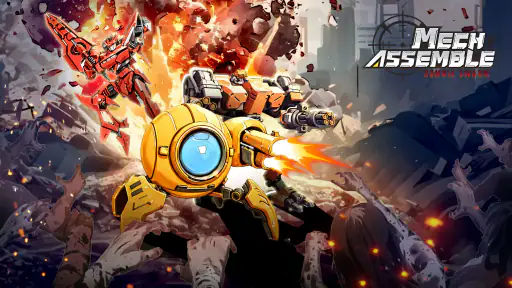
The game’s premise is to build a mech and use it to fight zombie hordes in roguelike battles. That makes it a fit for players looking for action focused on combat and mech assembly. If you enjoy choosing how to put together a fighting machine and taking it into encounters with waves of enemies, this premise is likely to be the main draw.
Does Mech Assemble: Zombie Swarm include in-app purchases?
Mech Assemble: Zombie Swarm is free to play and offers optional in-app purchases. These range from $0.99 to $99.99 per item, so it is worth reviewing purchase settings before handing the game to a younger player or allowing purchases on your device. The core download is free, while spending is a separate choice.
Is Mech Assemble: Zombie Swarm suitable for younger players?
Mech Assemble: Zombie Swarm has a Teen content rating and features battles against zombies. Parents and caregivers may want to consider that action-focused premise alongside a child’s age and preferences before downloading. Reviewing the rating on the relevant app store is also a practical way to make sure the game is appropriate for the player who will use it.
What should I know about the game’s roguelike battles before downloading?
The game is described as offering roguelike battles, so its combat is a central part of the experience rather than a separate feature. Players build a mech and take it into fights against zombie hordes. If you like action games built around repeated combat encounters and customizing a machine for battle, that combination may suit you; otherwise, the fighting premise may not be your preference.
Pros
- Engaging storyline and gameplay.
- Diverse range of mechs to customize.
- Stunning graphics and design.
- Smooth and intuitive controls.
- Regular updates with new features.
Cons
- In-app purchases can be costly.
- Requires persistent internet connection.
- Occasional lag during intense battles.
- Limited free content available.
- Ads can be intrusive at times.

- Category
- Action
- Version
- 1.5.7