Mahjong Master Path to Harmony
- 56.00
- 4.0
- Installs
- 100.00K
- Price
- Free

Screenshots

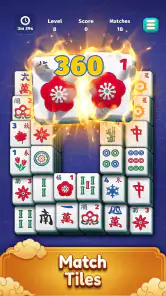



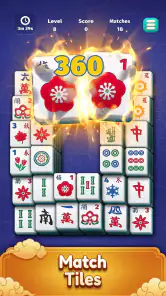


Analysis by Reviewed
I approached Mahjong Master Path to Harmony expecting a familiar tile-matching game with a light adventure wrapper, and that expectation shaped my first few sessions. It is a casual game from Gimica GmbH, offered free of charge, and its central appeal is easy to understand: arrange matching mahjong tiles, clear boards, and enjoy a calmer pace than most action-focused mobile games. What surprised me was how much the presentation matters. The game is not trying to turn mahjong into a complicated strategy simulation. Instead, it uses the setting, visual tone, and measured progression to make each short session feel like a small break.
That makes it a good fit for the moments when I want something more engaging than simply scrolling, but less demanding than a competitive puzzle title. I can play for a few minutes without needing to remember a long story or learn a dense control system. At the same time, the familiar format means experienced mahjong players may recognize the basic rhythm immediately and may want more depth than the game is designed to provide.
The game is rated for Everyone, which matches its approachable style. It has reached over one hundred thousand installs and holds a 4.0 average from a little over three hundred ratings, with several dozen written reviews. Those figures suggest a modest but established audience rather than a massive social phenomenon. I found that useful context: this is best viewed as a focused casual pastime, not as a game built around a huge community or constant competition.
A calm journey built from familiar pieces
The first few boards establish the mood
The opening experience is intentionally gentle. Mahjong Master Path to Harmony does not need a complicated introduction because its core interaction is recognizable: find matching tiles and remove them in the right order. The challenge comes from reading the arrangement, spotting available pairs, and avoiding choices that leave the remaining stack awkwardly blocked. That simplicity is important because it lets the atmosphere arrive before the mechanics become mentally tiring.
I like this kind of beginning for a mobile game. A player can understand the basic objective without studying instructions for several minutes. The game also feels suitable for a quick session while waiting for a bus, taking a break between tasks, or winding down before bed. It does not demand the same attention as a fast arcade game, yet it still gives me a reason to look carefully at the screen.
The adventure framing gives the boards a sense of movement. Even when the main action remains tile matching, the presentation implies that each completed puzzle belongs to a larger journey. That small layer of context helps prevent the experience from feeling like an endless stack of disconnected layouts. It is not a substitute for deep storytelling, but it gives the casual format a more pleasant identity.
What the setting communicates without overexplaining
The strongest part of the game’s identity is its idea of harmony. The name, the relaxed presentation, and the unhurried puzzle format all point in the same direction. I never felt that the game was trying to create artificial urgency through a frantic interface. Instead, it encourages observation and steady choices. That coherence matters more here than a complicated plot would have.
For me, the setting works best when I treat the game as a visual pause rather than a campaign I must rush through. The journey structure gives me a reason to continue, while the tile boards remain the real focus. This balance is sensible for a casual title: the world adds flavor, but it does not bury the simple pleasure of clearing a layout.
There is also a useful trade-off in this approach. Players who enjoy atmospheric mobile games may appreciate the calm framing, while players who want dramatic characters, elaborate dialogue, or a strong narrative arc may find the world too light. I would not choose this game for storytelling. I choose it for the way its setting makes a familiar puzzle feel more restorative.
Art direction that supports concentration
The visual direction is most effective when it helps me read the board without making the screen feel harsh. Mahjong depends on quick visual recognition, so tile symbols need to remain distinct even when the layout becomes more crowded. A decorative style can easily work against that goal, but the game’s overall presentation is aimed at keeping the board approachable.
I found that the visual mood changes how I play. In a brightly competitive puzzle game, I tend to chase speed and worry about efficiency. Here, I am more likely to pause, inspect the exposed tiles, and consider which pair will preserve the most options. That is not a separate feature; it is a consequence of the way the game presents its task. The art direction makes careful play feel natural.
A practical tip is to avoid treating every available pair as equally valuable. When several matches are visible, I first look for the move that opens a covered tile or reduces a crowded section of the layout. This habit is more important than simply tapping the first obvious match. The calm presentation gives me enough breathing room to make that decision instead of reacting automatically.
Sound and the pace of a session
The sound design contributes to the game’s relaxing character by reinforcing the rhythm of small actions. Matching tiles, clearing space, and moving through a board all work better when the audio feels like gentle confirmation rather than a constant demand for attention. I experienced the game as something I could play alongside a quiet environment, not something that had to dominate the room.
That makes it particularly suitable for short evening sessions. I can settle into a board, make a few deliberate choices, and stop without feeling that I have interrupted a larger competitive event. The pacing also reduces the pressure to continue indefinitely. A game that respects pauses is valuable on a phone, where I may be interrupted by a message, a conversation, or a change in my schedule.
Still, the relaxed rhythm will not appeal to everyone. If you prefer rapid feedback, countdown pressure, or energetic sound effects, the same restraint may feel too subdued. Mahjong Master Path to Harmony is at its best when the player wants a slower tempo. It is less convincing as a substitute for a high-intensity puzzle challenge.
I also recommend adjusting the device volume before deciding whether the atmosphere works for you. Quiet games can feel very different with sound barely audible compared with sound at a comfortable level. The audio is part of the mood rather than the main attraction, so I would not judge the game only by its tile layouts. Its appeal comes from how the pieces, setting, and rhythm fit together.
Why the mechanics suit the atmosphere
The basic matching system is a natural partner for the game’s peaceful tone. Each board asks me to observe, plan, and act. There is enough decision-making to keep my attention, but not so much complexity that the session becomes exhausting. The result is a form of concentration that feels closer to organizing a visual space than fighting against a timer.
That distinction is important when comparing it with other casual puzzle games. Match-three games often encourage chain reactions and quick pattern recognition. Hidden-object games usually ask me to scan a scene for specific details. Mahjong Master Path to Harmony gives me a more structured problem: every move changes access to the tiles underneath or behind it, so a careless choice can make the remaining board less convenient.
My preferred workflow is to scan the full arrangement before making the first move. I identify pairs that are already easy to access, then check whether removing one will expose a useful tile. I try not to clear a pair simply because it is visible. This approach turns a seemingly simple board into a small planning exercise and helps the game remain interesting after the novelty of the setting fades.
Another useful habit is to use the end of a session as a natural stopping point rather than forcing myself to play when I am distracted. Because the game is free to start, it is easy to open it whenever I have a spare moment. But the calm design works best when I give the board at least a little attention. If I am constantly switching between apps, I lose the thoughtful rhythm that makes the game appealing.
Where the free model affects the experience
The game is free, but it includes in-app purchases ranging from $2.49 to $46.99 per item. That is the part I would consider carefully before recommending it to someone who wants a completely unrestricted experience without spending. The free entry point makes it easy to try, yet optional purchases can influence how comfortable the long-term progression feels depending on how a player approaches the game.
I would begin without buying anything and see whether the normal pace suits me. That is especially sensible here because the core appeal is the atmosphere and the board-solving routine, not access to a premium competitive league or a social status system. If I enjoy the free experience as it stands, I can make a more informed decision later. If I already dislike the pace, spending more is unlikely to fix the underlying mismatch.
This is also where the game differs from a traditional offline mahjong set or a simple one-time paid puzzle. Those alternatives may feel cleaner for players who want a self-contained experience with no purchase decisions. On the other hand, a free mobile game is easier to sample and more convenient to carry. The right choice depends on whether flexibility matters more to you than a straightforward ownership model.
Who will enjoy the journey most
I would recommend Mahjong Master Path to Harmony to players who like recognizable puzzles presented with a gentle visual identity. It is a strong match for someone who wants a low-pressure activity during a commute, a quiet break, or a few minutes before sleep. It can also work well for people who enjoy improving their decision-making without needing leaderboards or multiplayer competition.
A realistic everyday example is a lunch break when I have ten minutes but do not want to start a large game. I can open a board, scan the available pairs, clear a few layers, and put the phone away when the break ends. The game’s casual structure makes that kind of interrupted play feel natural. I do not need to reconstruct a complex mission when I return.
I would be more cautious about recommending it to players who need constant novelty. If your favorite mobile games rely on deep character development, elaborate customization, fast reactions, or intense strategic variety, this may feel too narrow. The game’s strength is consistency, and consistency can become repetition for someone who wants every session to introduce a new system.
It is also not my first choice for someone seeking a pure mahjong rules simulation. This is a casual tile-matching adventure, not a replacement for learning or playing a traditional multiplayer mahjong variant. The distinction matters: the game offers an accessible puzzle interpretation, while a dedicated mahjong app may be better for players focused on formal rules, opponents, or competitive scoring.
Device details and practical expectations
The current version is 1.1.1, and it supports devices running Android 7.0 or later. That gives it a reasonable compatibility range for many Android users, although I would still keep expectations realistic on older hardware. A casual game should be easy to pick up, but screen size can affect how comfortably I distinguish tiles. On a smaller display, taking an extra moment to inspect the board is worthwhile.
The Everyone age rating reinforces the game’s broad accessibility. I can imagine it being shared as a simple puzzle recommendation among family members who enjoy quiet games, although each person may respond differently to the purchase model and the amount of repetition. The uncomplicated controls are a benefit for newcomers, while experienced players may quickly understand the basic strategy.
One practical point is to play with the screen brightness at a comfortable level. Tile recognition is central to the experience, and glare or overly dim settings can make a relaxing puzzle unnecessarily tiring. I also prefer to keep notifications out of view when I want to enjoy the atmosphere. The game does not need my full evening, but it benefits from a few uninterrupted minutes.
How it compares with familiar alternatives
Compared with a basic digital mahjong solitaire app, this game’s advantage is its sense of place. The adventure framing and harmonious presentation make the boards feel connected, while a stripped-down alternative may get to the puzzle faster. If I only want the most efficient possible tile layout, a simpler app could be preferable. If I want the act of solving to come with a little visual journey, this title has more personality.
Compared with match-three games, it is slower and more deliberate. There is less emphasis on explosive chain reactions and more on preserving access to future moves. That makes it a better fit for thoughtful breaks, but a weaker choice when I want immediate energy. Compared with hidden-object games, it offers a clearer rule set and more predictable interaction, though it may not provide the same sense of exploring a detailed scene.
The most important comparison is with traditional mahjong games. Those are often about tile sets, hands, opponents, and formal rules. Mahjong Master Path to Harmony is closer to a casual solitaire-style puzzle experience with an atmospheric wrapper. I would choose it for relaxation and accessibility, not for authentic table play or serious competitive practice.
My final view of the atmosphere
After spending time with it, I see Mahjong Master Path to Harmony as a carefully focused casual game rather than a broad all-purpose mobile experience. Its art direction, sound, and pacing support one clear promise: give me a calm tile puzzle that feels like part of a gentle journey. The mechanics remain simple, but they are not empty. Good play still depends on looking ahead, protecting useful options, and resisting the urge to make the first obvious match.
Its limitations are equally clear. The familiar format may not hold the attention of players who need frequent mechanical surprises, and the in-app purchase range means I would approach the free-to-play structure thoughtfully. Anyone wanting traditional mahjong rules, competitive multiplayer, or a dramatic narrative should look elsewhere.
For my own recommendation, I would suggest trying it when you want a quiet, visually guided puzzle rather than a demanding game. Start slowly, scan each board before tapping, and judge the experience by whether its rhythm helps you relax. The best reason to play is the harmony between presentation and pacing, not the promise of endless complexity. With that expectation, this free casual title from Gimica GmbH becomes an easy companion for small pauses and unhurried puzzle sessions.
Pros
- Relaxing tile-matching gameplay suitable for short sessions.
- Gradual difficulty helps newcomers learn classic Mahjong mechanics.
- Harmony-themed visuals create a calm
- pleasant playing atmosphere.
- Offline play makes it convenient during travel or without internet.
- Simple controls work well on both phones and larger tablet screens.
Cons
- Some levels may feel repetitive after extended play sessions.
- Hints or extra moves may be limited without watching ads or waiting.
- Small tile details can be difficult to distinguish on compact screens.
- Progress may feel slow for players seeking fast-paced action.
- Ad interruptions can reduce the otherwise peaceful gameplay experience.

- Category
- Casual
- Version
- 1.1.1