Idle Outpost: Upgrade Games
- 3.23K
- 3.8
- Installs
- 10.00M
- Price
- Free

Screenshots

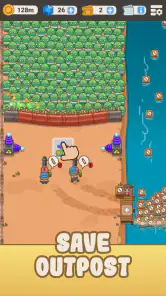

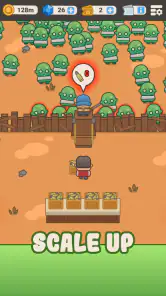


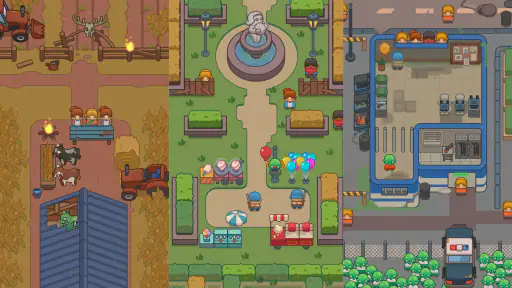
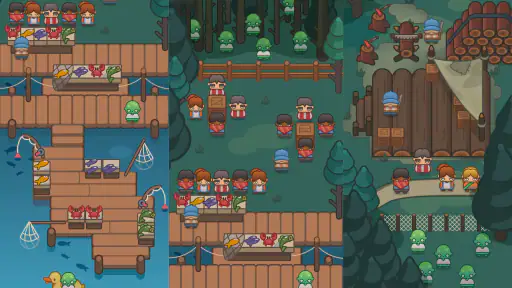
Analysis by Reviewed
Before I settle into the upgrade loop, I like to decide what I want a short visit to accomplish. With Idle Outpost: Upgrade Games, a useful first goal is simply to understand the choices on screen and make one improvement that supports what I want to do next. That keeps the opening from becoming a blur of taps and makes it easier to tell whether this slower kind of progress is satisfying to me.
A small goal makes the first session clearer
When I first try an idle simulation, I don’t expect to understand every option immediately. I look for the most obvious path from the resources I have to an upgrade I can afford, then use that as a first checkpoint. If the game presents several possible improvements, I compare what each one seems to contribute rather than buying whichever button catches my eye. This is a simple habit, but it turns early progress into a choice instead of a reflex.
That approach is also useful if you’re testing the game between errands or during a short break. You can make one decision, leave with a clear next objective, and avoid feeling that you need to stay in the app until every available option is exhausted. The best first success is modest: the outpost has improved, and you know what you want to check when you return.
What the idle rhythm does—and does not—promise
The central appeal is being able to step away and come back to an outpost that has continued to make progress. I find that more forgiving than a simulation that expects constant supervision, but it is not the same as a game that plays itself completely. The active moments still matter because you choose where resources go and what to prioritize. Treat the idle element as a break from continuous attention, not as a substitute for making decisions.
That distinction helps answer a common first-time question: do you need to keep the game open? The loop is designed around returning after time away, so it makes sense to play in brief visits rather than leave the screen running as a task. I would check in when convenient, review what has changed, and decide on the next useful investment. If you prefer a game that rewards uninterrupted concentration, this is probably not the strongest fit.
Where it fits among mobile simulations
Idle Outpost is a free simulation game made by AppQuantum, set in a post-apocalyptic world and rated for Everyone. Its current version is 1.21.1, and it runs on Android 5.0 or later. The average rating is 3.8 from around 98,000 ratings, and it has more than 10 million installs. I read those figures as signs that many players have tried it, not as proof that its pace will suit every person.
Compared with a hands-on management sim, this one asks for less continuous attention and gives more weight to waiting, returning, and choosing upgrades. Compared with a more conventional idle clicker, its outpost theme gives the incremental progress a setting to grow within. That makes it a reasonable choice if you like the idea of building a settlement through small decisions, but less compelling if you mainly want intricate production chains, constant tactical control, or a strong narrative to follow.
More From Our News Desk

Weather by Xiaomi Review: Clear at a Glance, Less Clear Up Close

X Under Pressure: Can It Recover When Posting Goes Wrong?

Clash of Clans Is Won Between the Battles

Android Auto Makes the Case for Quieter Car Software

MobiOffice: Transforming Mobile Productivity with Seamless Integration

EA SPORTS FC™ Mobile Soccer: Redefining Mobile Sports Gaming
There is a practical trade-off in that design. Short visits are easy to fit around a normal day, but the same structure can make progress feel gradual if you want immediate variety. I would give it a few check-ins before deciding whether that rhythm works for me: one visit shows the basic choices, while returning later makes the point of the idle loop easier to judge. If even then I’m mostly waiting for something to happen, I’d choose a more active simulation instead.
How I would handle spending and expectations
The game costs nothing to download, and its in-app purchases range from $0.99 to $250.00 per item. That wide spread is a reason to make a decision before opening a purchase prompt, not a reason to assume that spending is necessary. I’d first see whether the ordinary upgrade loop is enjoyable, then set a firm personal budget if I ever chose to buy anything. For a casual trial, keeping purchases at zero is the clearest way to learn whether the game itself holds my attention.
It is also worth separating convenience from value. A purchase can seem tempting when I want to speed up a gradual process, but the main question is whether I enjoy the decisions that remain without paying. If the answer is no, spending is unlikely to fix a mismatch in taste. If I do enjoy planning the outpost, I can take the game at its own pace and treat any purchase as optional rather than part of the entry fee.
A routine that suits the game
Imagine having a few spare minutes before a meeting. I could open the outpost, check the current state, decide whether an available improvement serves my next goal, and then close the game without needing to finish a chapter or win a match. Later, perhaps at home, I can see what has changed and make another decision. That kind of routine is where I think the game has a clear use: it gives small pockets of time a low-pressure activity with a visible sense of continuation.
I would avoid turning every spare moment into a demand to optimize. If I keep reopening the game just to see whether there is a button to press, its loop may start to feel like a chore. A better workflow is to choose a goal at the end of a visit, then return when it feels convenient. This keeps the outpost-building satisfying without letting a casual game dictate the rhythm of the day.
There is also a useful way to manage uncertainty during those first visits: write down, mentally or otherwise, the next improvement you are aiming for. When you come back, compare the available resources with that aim before changing course. It reduces aimless tapping and makes it easier to notice whether one upgrade has helped you reach another. I find this especially helpful in games where progress is spread over multiple short sessions rather than one long run.
When another kind of game is a better choice
I would steer away from this if the post-apocalyptic setting is not enough to make gradual development interesting for you. The theme provides a frame for the outpost, but the main draw is the incremental management loop, not a promise of action-heavy survival. If you want to react quickly to threats, explore a detailed story, or control a character directly, a more active game will probably satisfy you sooner.
Likewise, players who love deep simulation systems may want more hands-on control than this structure is built to provide. Its convenience is part of its identity, and convenience often comes with a lighter demand for attention. That is not automatically a flaw; it is a deliberate trade-off. I would recommend it to someone who likes small strategic choices, but not to someone who expects to tune every part of a complex settlement minute by minute.
For a first-time player, the reassuring part is that there is no need to arrive with a detailed plan. Start by learning what the current upgrade choices do, pick one that supports a sensible next step, and see how it feels to return later. If the gradual change is rewarding, keep the routine light and let the outpost grow at its own pace. If it feels more like waiting than playing, it is perfectly reasonable to move on to a simulation with more direct control.
I went into Idle Outpost: Upgrade Games expecting a game I could pick up briefly rather than one demanding a long, uninterrupted session. That is the appeal of this post-apocalyptic simulation: you work on building up an outpost, make choices about how to develop it, then return later to see your progress. Its idle approach suits small gaps in the day, though players who want constant action may find the rhythm too quiet.
Getting Started with Your Outpost
From the moment you launch Idle Outpost, you're greeted with a vibrant interface that immediately draws you in. The game’s premise is simple yet addictively engaging: build, manage, and expand your outpost. You start with a modest base and, through strategic upgrades and expansions, transform it into a bustling hub of activity. It’s like being handed the keys to your own little kingdom!
Gameplay and Mechanics
The gameplay revolves around resource management and strategic planning. As you progress, you gather resources that can be used to upgrade facilities, unlock new features, and expand your operations. The idle mechanics are what truly stand out, allowing you to make progress even when you're not actively playing. This means you can check in on your outpost whenever you have a free moment, making it perfect for those of us with busy schedules.
One of the features I particularly enjoy is the variety of upgrades available. From enhancing your resource output to investing in new technologies, there's always something new to explore. The game encourages you to think ahead and plan your upgrades strategically, which adds a layer of depth that keeps you coming back for more.
What to Expect on a First Visit
Idle Outpost is a free simulation game from AppQuantum, with an Everyone age rating and a post-apocalyptic setting. The store lists it at version 1.21.1 and describes compatibility with Android 5.0 or later. It has a 3.8 average from around 98,000 ratings, with more than 10 million installs. Those figures suggest a well-established audience, but they are not a guarantee that its relaxed, upgrade-focused pace will suit every player.
For a first-time player, the useful way to approach it is as a sequence of small decisions, not a race to build everything at once. Start by looking at what the game currently lets you improve, then consider which upgrade seems likely to help your next step. I find that choosing a clear priority makes an idle game feel more purposeful: instead of tapping every available option, you can see how one investment supports the next.
Making the First Upgrade Count
A good first session can be short. Spend a few minutes getting comfortable with the outpost, use the resources available to make a sensible improvement, and then leave the game rather than trying to force a long play session. The meaningful success is seeing your base move forward and knowing what you want to work toward when you return. That gives the idle loop a practical role in a busy day, such as checking in during a break and revisiting it later.
One small strategy is to pause before spending resources on an upgrade simply because it is visible. Compare the immediate benefit with the next improvement you want to reach. If one choice helps your resource flow, it may be more useful than a change that only feels satisfying in the moment. That trade-off is the main bit of planning I would encourage new players to notice early.
Common Points of Confusion
The word “idle” can create the expectation that the game will make every decision for you. In practice, the appeal is the combination of progress between visits and choices about where to invest when you are present. If you return and are unsure what to do, look at the available upgrade options and choose one connected to your current goal; there is no need to treat every visit as a full session.
It is also worth keeping the purchase model in mind. The game is free to download, while in-app purchases range from $0.99 to $250.00 per item. I would treat spending as optional and decide on a personal limit before buying anything; the core reason to try it is the gradual outpost-building loop, not a need to purchase. This is especially sensible if you are testing whether idle games fit your taste.
Visuals and Sound
The graphics in Idle Outpost are nothing short of delightful. The developers have done an excellent job of creating a visually appealing environment that’s both colorful and detailed. Whether you're zoomed in on your bustling outpost or looking at the bigger picture, everything is beautifully rendered.
The sound design complements the graphics perfectly. The gentle background music and sound effects create a relaxing atmosphere that enhances the overall gaming experience. It’s the kind of game where you can easily lose track of time as you get lost in its soothing ambiance.
Who Will Enjoy This Pace?
I would recommend it to someone who likes watching a modest base develop over time and enjoys making occasional resource decisions without needing a demanding session every time they open a game. A realistic routine might be to check the outpost on a commute break, make one considered upgrade, and return after other tasks. It is less suited to a player looking for direct combat, a story-led campaign, or fast, hands-on challenges; a more action-focused game would be a better match for those needs.
Compared with other simulation games, its idle structure puts more emphasis on brief check-ins and incremental growth than on continuous management. That is convenient when time is limited, but it also means the satisfaction comes from planning and accumulation rather than mastering moment-to-moment controls. If you enjoy optimizing a system, try to identify which improvement will make the next visit more rewarding. If you prefer to be actively occupied throughout play, the same cadence may feel repetitive.
Final Thoughts
In a sea of mobile games, Idle Outpost stands out as a refreshing and engaging experience. It blends the perfect amount of strategy and idle gaming, making it a fantastic choice for both casual players and those looking for something a bit more involved. The ability to progress even when you're not actively playing is a huge plus, and the variety of upgrades keeps things interesting.
So, if you’re on the hunt for a game that’s as rewarding as it is relaxing, give it a try. It’s a delightful escape from the everyday hustle and bustle, and who knows? You might just find yourself becoming the commander of the ultimate outpost. Happy gaming!
Idle Outpost: Upgrade Games Frequently Asked Questions
Does Idle Outpost: Upgrade Games need an internet connection?
Before downloading, it is worth considering whether you want a game that can be played offline or one that may rely on a connection. Idle Outpost: Upgrade Games is an idle simulation built around developing an outpost, and its progression is intended to keep you returning to manage upgrades and resources. If reliable connectivity matters to you, check the game’s behavior on your device before planning to play while offline.
How much storage space does Idle Outpost: Upgrade Games require?
Available space can affect whether a game installs smoothly, especially on a device that is already close to its storage limit. Idle Outpost: Upgrade Games is a mobile simulation game, so check the download screen on your device for its current size and leave some room for installation and any later updates. Clearing unused files first can help avoid interruptions during download.
Does Idle Outpost: Upgrade Games suit players who prefer active gameplay?
The game combines idle progression with planning around an outpost, so it is aimed at players who enjoy checking development and choosing upgrades rather than constant action. Its simulation style may suit shorter sessions as well as regular returns to manage progress. If you prefer fast, hands-on challenges throughout, this slower management focus may feel different from what you usually look for.
Is Idle Outpost: Upgrade Games free to download, and can I play without paying?
Idle Outpost: Upgrade Games is free to download, and you can play without making a purchase. Optional in-app purchases are available, with prices ranging from $0.99 to $250.00 per item. These purchases can speed up progress or provide extra resources, but spending is not required to start playing or take part in the core idle-outpost experience.
Is Idle Outpost: Upgrade Games suitable for children?
The game has an Everyone content rating, so it is classified as suitable for a general audience. Its post-apocalyptic setting and resource-management gameplay may appeal to players who enjoy simulation games, but parents can still decide whether the theme and optional purchases suit their child. If a child plays, it is sensible to review purchase settings on the device beforehand.
Pros
- Engaging gameplay with strategic elements.
- Intuitive interface for easy navigation.
- Regular updates with new features.
- Offline mode available for uninterrupted play.
- Minimal ads
- enhancing user experience.
Cons
- In-app purchases can be expensive.
- Progress can be slow without purchases.
- Limited storyline depth.
- Graphics may seem simplistic to some.
- Requires a stable internet for updates.
- Category
- Simulation
- Version
- 1.21.1








