Goods Sort™ - Sorting Games
- 7.49K
- 4.8
- Installs
- 10.00M
- Price
- Free

Screenshots
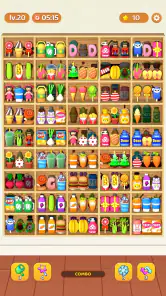
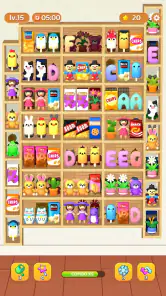
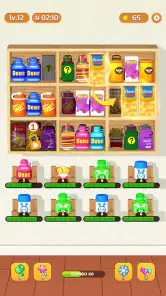
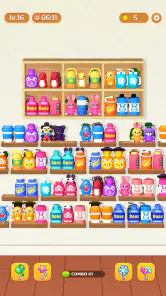
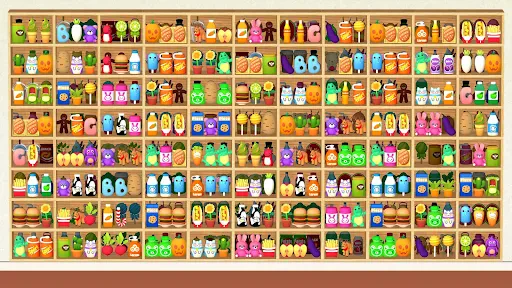
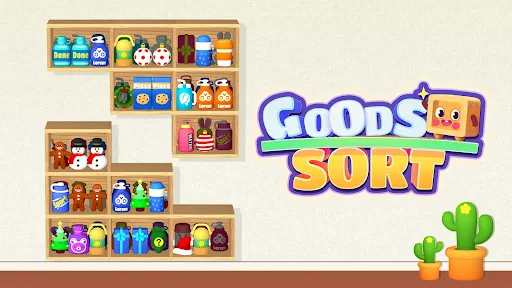
Analysis by Reviewed
I judge a casual game by what happens after the first burst of curiosity: does it still feel worth opening when the novelty wears off? Goods Sort™ - Sorting Games has an easy-to-grasp appeal, and its organizing theme makes it inviting from the first session. I find it best as a small, low-pressure puzzle break rather than a game I would plan my day around. That distinction matters: its lasting value depends on whether you enjoy repeating a tidy, satisfying task, not on expecting a sprawling adventure.
Why the first sessions click
Have you ever looked at a cluttered room and felt an itch to organize it? Then Goods Sort™ - Sorting Games might just be the app for you. I recently downloaded this game on a whim, and it quickly turned into one of those addictive little pleasures I didn’t see coming. Let's dive into why this game is a winner for both the neat freaks and casual gamers alike.
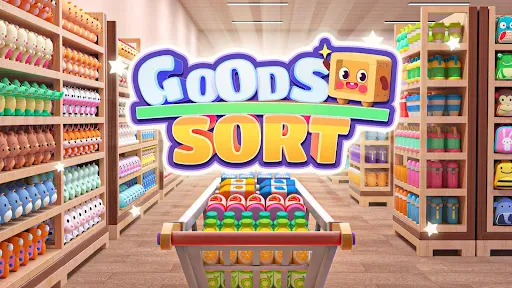
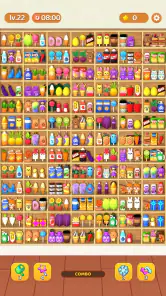
The first thing that caught my attention was the simple yet engaging interface. The game welcomes you with vibrant colors and straightforward controls. The idea is simple: you’re presented with a jumbled mess of items, and your task is to sort them into their rightful places. Sounds easy, right? Well, don’t be fooled. As the levels progress, the difficulty ramps up, challenging your organizational skills and patience.
The controls make it easy to begin without a long tutorial or a commitment to a complicated system. I can see the appeal during a short pause in the day: start a round, focus on the objects in front of you, and stop when you have had enough. It suits players who like visual order and quick decisions. If you prefer story, exploration, or a puzzle that changes its rules from one session to the next, the sorting loop may feel narrow by comparison.
How the game holds up beyond the novelty
I look at a casual game’s staying power through the small choices it encourages: whether I can enjoy a quick round without chasing a score, and whether I know when to put it down. That distinction matters here because the appeal rests on a focused sorting routine, not on a promise of constant reinvention. Next, I’ll consider how that routine fits into ordinary breaks and what can make it feel less refreshing over time.
A repeatable routine, not a big event
The game mechanics are as intuitive as they come. You tap and drag items to their respective categories, and each successfully sorted item earns you points. The faster and more accurately you sort, the higher your score. What I truly appreciated was the lack of intrusive ads. They exist, but they’re not overbearing, which is a rare gem in the free-to-play model. Plus, there’s an option to remove them altogether for a small fee if they bother you too much.
In practical terms, I would use it as a waiting-room game or a way to switch gears between tasks, rather than as something that needs a long, uninterrupted session. A useful habit is to stop after a natural point instead of pushing through simply because another round is available; that helps keep a familiar loop enjoyable. If you are deciding whether to spend money, try the free version first and notice how often interruptions actually bother you. The game is free, with optional in-app purchases, so paying is a personal choice rather than a requirement to sample it.
More From Our News Desk

Weather by Xiaomi Review: Clear at a Glance, Less Clear Up Close

X Under Pressure: Can It Recover When Posting Goes Wrong?

Clash of Clans Is Won Between the Battles

Android Auto Makes the Case for Quieter Car Software

MobiOffice: Transforming Mobile Productivity with Seamless Integration

EA SPORTS FC™ Mobile Soccer: Redefining Mobile Sports Gaming
Compared with match-three puzzles, this game puts more emphasis on sorting and visual organization than on building chains or planning combinations. Compared with open-ended organizing games, its appeal is the clear task and immediate feedback, while the trade-off is less room to create your own outcome. That makes it a better fit for a brief mental reset than for players looking for deep strategy or a broad range of activities. When I want a puzzle with more varied mechanics, I would choose a different style; when I want a simple organizing task, this is the more direct option.
What keeps it fresh—and what can wear thin
What makes the game stand out is its balance between relaxation and challenge. It’s like a digital decluttering session for your brain. Perfect for when you need a break but don’t want to completely zone out. The game also updates regularly with new levels and items to sort, keeping the experience fresh and exciting. I found myself looking forward to the new challenges each update brought.
The difficulty increase gives the familiar action some bite, but it can also be the point where a relaxed session starts to feel demanding. If I am tired or only have a moment, I would rather play casually than chase a faster score; the scoring emphasis may appeal less to someone who dislikes time pressure or accuracy goals. The clearest long-term question is whether sorting itself stays satisfying for you. New material can renew interest, but it does not change the central activity, so repetition is the main source of fatigue.
For a realistic everyday use, imagine opening it while waiting for a coffee order: one short session can occupy your attention without requiring you to remember a story or manage a complex setup. I would avoid treating it as a substitute for a deep puzzle game or as a guaranteed way to relax if competitive scoring makes you tense. It is also a poor match if you want a game whose central mechanic changes substantially over time. Those are not faults so much as limits of a focused casual game.
Who is likely to keep it installed?
Moreover, the game doesn’t demand too much of your time. You can play a few rounds during a coffee break or while waiting for a friend, making it an ideal companion for those moments when you just need a little distraction.
Mind Crush’s casual game has a 4.8 average from around 416,000 ratings, and it has passed 10 million installs. Those figures suggest broad appeal, but they cannot tell you whether the repetitive sorting rhythm suits your taste. It is free, rated for Everyone, and the current version is 4.203; it requires Android 5.0 or later. Optional purchases range from $0.39 to $99.99 per item, a wide span that makes it sensible to check any purchase prompt carefully rather than assume every option is a small add-on.
One small practical tip: decide before playing whether you are in the mood for a calm sorting session or a score-focused challenge. That expectation makes it easier to enjoy the rounds without turning a quick break into an unwanted test of speed. I would recommend it to casual players who like order, clear objectives, and short sessions. I would steer away anyone who needs strong narrative, multiplayer competition, or substantially different puzzle mechanics to stay engaged.
My long-term verdict
In a world filled with complex games that require hours of dedication, this sorting game is a refreshing change. It’s straightforward, fun, and surprisingly satisfying. Whether you’re a fan of puzzles or just enjoy the act of organizing, it offers a little something for everyone. So why not give it a whirl? You might find, as I did, that there’s something incredibly rewarding about bringing order to virtual chaos.
For me, it earns space on a phone when I want an uncomplicated, repeatable diversion, not because it promises endless variety. The first-week appeal is easy to understand; lasting value comes from enjoying the basic sorting rhythm in small doses. If that sounds like your kind of break, it is worth trying free and deciding for yourself whether the routine still feels good after the initial novelty fades.
A sensible way to test its staying power
I would treat the first few sessions as a test of the central activity, not as a preview of a broader campaign. Notice whether moving objects into order feels satisfying even when you are not chasing a score. If the pleasure comes only from seeing a new arrangement, interest may taper as familiar patterns return. If the act of spotting categories and making quick placements is what you enjoy, the game has a more durable hook.
It also helps to keep the game in the role it suits. I would reach for it when I have enough attention to follow the sorting task but not enough time to settle into a longer game. On a commute with frequent interruptions, for example, a short round is a more practical choice than a puzzle that depends on remembering a chain of decisions. In a quiet evening when I want a sustained challenge, I would choose something with more strategic depth instead.
Small choices that make sessions smoother
Because speed and accuracy affect the score, I find it useful to decide which matters more before a round: moving quickly or taking an extra moment to be sure. Trying to maximize both can turn a light diversion into a test, especially as the difficulty rises. Playing for a steady rhythm rather than a perfect result is a reasonable way to preserve the relaxed side of the experience.
Another practical trade-off is how long to continue. A familiar sorting loop can make it tempting to start another round immediately, but that does not mean every spare minute needs to become game time. I would use a natural stopping point—such as finishing the current task—then put the phone away. That simple boundary is especially helpful for anyone who wants a break without letting a casual game take over the break.
The free entry point makes it easy to judge the game on its own terms before considering a purchase. If an ad interrupts a session often enough to spoil the rhythm, the option to remove ads may be worth weighing; if interruptions are minor for you, there is no need to pay simply to keep playing. Since individual purchase options span a wide range, I would read each prompt rather than assume the amount or purpose from the game’s casual presentation.
Where it fits among casual puzzles
Goods Sort sits between a conventional match-three game and a free-form tidying toy. It gives me a defined sorting job and a score-oriented reason to pay attention, but it does not offer the chain-building decisions that make match-three puzzles feel tactical. Nor does it provide the open-ended freedom of arranging a space purely for appearance. The clear objective is its strength; the same focus limits the number of different moods it can serve.
That distinction can help answer whether it is the right download. Someone who enjoys identifying visual groups and completing a neat, bounded task will likely understand the appeal quickly. Someone who wants to decorate, experiment with layouts, or solve puzzles through several different mechanics may get more from another kind of casual game. I would not install it expecting those alternatives to appear later; I would install it for the sorting loop it offers now.
Its Everyone age rating and straightforward premise also make it approachable for a broad audience, though that does not mean every player will find it equally engaging. The speed-and-accuracy angle may be a poor fit for someone who wants a completely pressure-free activity, while a player who likes clear goals can find that same structure motivating. The best match is less about gaming experience and more about whether tidy visual tasks feel calming or repetitive to you.
What the numbers can and cannot tell me
The game was released on November 28, 2022, and Mind Crush has continued to maintain it; its current version is 4.203. A 4.8 average across around 416,000 ratings, alongside roughly 7,500 written reviews, indicates that many players have responded positively. I take that as a sign that the basic loop has broad appeal, not a promise that it will stay fresh for every individual. A large audience cannot settle the personal question of whether repeated sorting is your kind of downtime.
For Android users, the stated minimum is version 5.0, so checking the device’s operating system before installing is a simple first step. The game is free to start, with optional in-app purchases priced from $0.39 to $99.99 per item. That spread makes it especially sensible to keep purchase decisions deliberate, particularly if you are handing the device to someone else or trying to keep entertainment spending predictable.
My recommendation is therefore specific: try it if you want a compact, visual puzzle that can fit between errands, appointments, or household tasks. Skip it if you need a changing set of mechanics, a story to follow, or a richer challenge that rewards long planning. After the early curiosity passes, its value rests on a modest but clear promise—give me a short sorting task, and I will give you a focused pause. If that exchange remains enjoyable, it can earn a place on your phone without needing to become your main game.
Goods Sort™ - Sorting Games Frequently Asked Questions
Can I play Goods Sort™ - Sorting Games in short sessions?
Goods Sort™ - Sorting Games is built around casual sorting and triple-match puzzle play, making it a natural fit for players who want a light game to return to during spare moments. Its focus is on arranging and matching goods rather than following a long story. If you enjoy quick decisions and tidy organizing puzzles, the format should feel easy to pick up.
Will Goods Sort™ - Sorting Games work on my Android device?
For Android, Goods Sort™ - Sorting Games requires Android 5.0 or later. Checking your device’s operating-system version before downloading is a simple way to make sure it meets that requirement. The game is free to download, so you can try its casual sorting and matching style without paying upfront; optional in-app purchases are available separately.
Who developed Goods Sort™ - Sorting Games, and what kind of game is it?
Goods Sort™ - Sorting Games is a casual game developed by Mind Crush. Its central idea is organizing goods through matching, giving it an approachable puzzle feel for players who enjoy tidy arrangements and quick decisions. The game’s store summary describes its appeal as triple-match fun, so expect sorting and matching to be the focus rather than a story-driven adventure.
What is Goods Sort™ - Sorting Games all about?
Goods Sort™ - Sorting Games is a fun and engaging puzzle game where players are tasked with sorting various items into their appropriate categories. The game challenges your organizational skills and ability to think quickly as you progress through increasingly complex levels. It's designed to be both entertaining and mentally stimulating.
How do the levels in Goods Sort™ - Sorting Games progress?
The game begins with simpler levels, allowing players to familiarize themselves with the sorting mechanics. As players advance, the difficulty increases with more items to sort and complex categories. Each level is unique and requires strategic thinking to complete successfully, providing a sense of accomplishment and challenge.
Pros
- Engaging and addictive gameplay.
- Variety of levels and challenges.
- Intuitive user interface.
- Regular updates with new content.
- Suitable for all age groups.
Cons
- Contains in-app purchases.
- Requires internet connection.
- Ads can be intrusive at times.
- May drain battery quickly.
- Limited offline functionality.
- Category
- Casual
- Version
- 4.203