Frontline Heroes: WW2 Warfare
- 2.40K
- 4.5
- Installs
- 10.00M
- Price
- Free
Screenshots
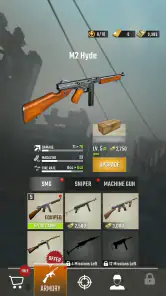
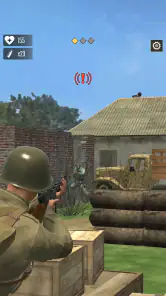
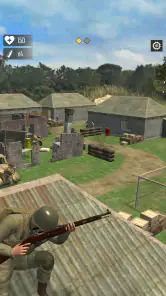
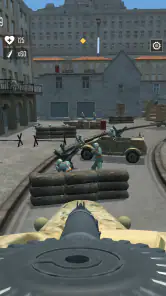
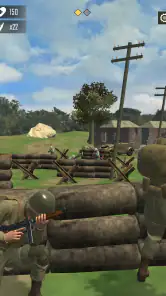
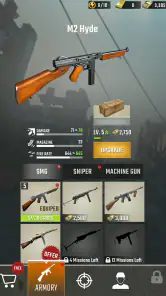
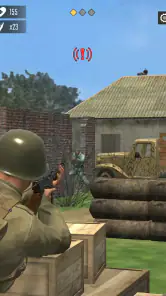
Analysis by Reviewed
I’d approach Frontline Heroes: WW2 Warfare as a quick-entry action game rather than a detailed military simulator. The World War II setting gives its battles a clear identity, while the mobile format makes it easy to try a mission during a spare moment. My main advice for a first-time player is to take a beat before rushing forward: paying attention to the situation is part of what makes the action satisfying.
What a new player can expect
This is an action game from Homa, built around World War II combat. Its appeal is the contrast between immediate firefights and the need to think about how to handle a mission. It is free to install, rated Teen, and has an average rating of 4.5 from around 274,000 ratings, with more than 10 million installs. Those figures suggest a sizable audience, but they do not tell you whether its particular pace will suit you; the best fit is someone who enjoys military action and is willing to learn through play.
Compared with a slower strategy game, the attraction here is getting into the action rather than spending most of a session planning a campaign. Compared with a straightforward arcade shooter, the missions are described as asking you to adapt to different situations. That middle ground is useful if you want action with a tactical flavor, but it may frustrate you if you expect a deep simulation or prefer a purely competitive shooter.
For a first visit, I’d set a modest expectation: learn the feel of the action and see whether the World War II framing keeps you interested. A striking setting can make an encounter memorable, but it does not automatically make every mission a history lesson or a complex tactical puzzle. The most useful question is whether you enjoy responding to what is happening on screen, not whether the game recreates warfare in exhaustive detail.
Getting comfortable before the first fight
The game’s current version is 16.0.1, and it supports Android 5.1 and later. Once installed, I’d start with a short session and focus on understanding what each mission asks of you before trying to play quickly. That is a more useful first goal than chasing a perfect run: it helps you learn the rhythm and decide whether the combat feels comfortable on your device.
It is free to play, with in-app purchases ranging from $1.99 to $23.99 per item. I’d treat spending as optional and first see how far the basic experience takes you. If you are setting it up for a younger player, keep the Teen rating in mind and check the purchase settings on the device beforehand; that simple step can prevent an accidental buy during a curious tap.
Before launching, I’d also make a little room to pay attention. A noisy commute or a conversation-heavy room can make it harder to follow the scene, especially when you are still learning what deserves your focus. You do not need to turn the first session into a test; simply choosing a moment when you can look at the screen without constant interruption gives you a fairer sense of the controls and pacing.
More From Our News Desk

Clash of Clans Is Won Between the Battles

Android Auto Makes the Case for Quieter Car Software

MobiOffice: Transforming Mobile Productivity with Seamless Integration

EA SPORTS FC™ Mobile Soccer: Redefining Mobile Sports Gaming

How Microsoft OneDrive Became a Mobile Productivity Giant

How Google Translate Breaks Language Barriers Effortlessly
If you share a phone or tablet, it is worth agreeing on who is using it and whether purchases are allowed before handing it over. The game is free to start, but optional purchases mean a child can encounter paid choices while exploring. I’d handle that practical detail outside the game first, then let a new player concentrate on learning the action rather than worrying about an unexpected checkout.
Gameplay and Mechanics
Oh boy, where do I start? The first thing that hits you when playing Frontline Heroes: WW2 Warfare is how immersive the gameplay is. You’re not just pointing and shooting; you’re strategizing, deploying troops, and really getting into the nitty-gritty of warfare tactics. It’s like they took a page out of a history book and sprinkled a bit of gaming magic on it.
The game offers a multitude of missions that are based on actual historical battles. Each mission presents a unique challenge that requires you to adapt and think on your feet. Whether you’re storming the beaches of Normandy or defending the streets of Stalingrad, every scenario is packed with action and thrills.
Finding a first success
For a first meaningful success, I would aim to finish one mission while learning which parts of the encounter demand attention, rather than trying to master every mechanic at once. If a push goes badly, pause long enough to notice what changed: the mission objective, the pressure around your position, or the timing of your move. Even a small adjustment on the next attempt can make the game feel less like frantic tapping and more like a decision you made well.
A practical everyday use is a brief break between errands or after work, when you want a contained burst of action rather than a long session of story-heavy play. I’d avoid starting a mission when you know you must put the phone down immediately; action loses its flow when interrupted. If you only have a few minutes, use that time to get familiar with the controls and mission demands instead of judging the whole game by one rushed attempt.
One useful habit is to separate “I lost” from “I learned nothing.” After a failed push, think back to the moment the situation became difficult and change one thing on the next try. Altering several decisions at once makes it hard to tell what helped. This small, deliberate approach is a better way to build confidence than repeating the same rushed attempt or assuming that every setback means you need to spend money.
It also helps to treat your first completed mission as a baseline rather than a score to beat immediately. Notice whether you felt in control, whether the objective was clear to you, and whether you wanted to try again. Those answers tell you more about the game’s fit than a single win or loss. If you enjoyed making decisions under pressure, there is a reason to continue; if the pace felt stressful, a calmer genre may suit your downtime better.
How the battlefield’s presentation works
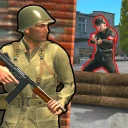
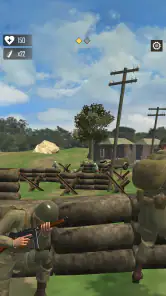
Let’s talk graphics, shall we? The visuals in this game are nothing short of spectacular for a mobile platform. The attention to detail in the environment and character design is impressive. You can almost feel the grit and grime of the battlefield. Coupled with the sound design that includes realistic gunfire and explosive effects, it really puts you in the heart of the action.
But it’s not just about the big booms and bangs. The game also pays attention to the little things, like the sound of boots crunching on gravel or the distant rumble of tanks. It’s these nuances that make the game feel alive and truly engaging.
Staying oriented amid the noise
Sound and visual detail can make a battle feel vivid, but they can also compete for attention when several things happen at once. I’d keep the objective in mind and use the scene’s cues to stay oriented, rather than treating every explosion as a signal to move. If you play in a shared space, lowering the volume is considerate; just remember that a quieter session may make it harder to enjoy the small audio details that help build atmosphere.
One trade-off with a dramatic World War II presentation is that atmosphere is not the same as historical instruction. I’d enjoy the setting as a backdrop to the action, but I would not use a mission as a stand-in for a history lesson. Players looking for carefully explained military history may be better served by a dedicated documentary or history title alongside the game.
For someone deciding whether to play with sound, I’d use the first session to compare both options rather than assume audio is essential. The effects add character and can make the battlefield feel more immediate, while a quiet setting is convenient when you are playing near other people. If the sound is off, give yourself a moment to read the situation visually instead of expecting the same atmosphere from a muted session.
What multiplayer adds—and what it asks of you
If you’re anything like me, taking on the world solo is great, but sometimes you just want to test your skills against fellow gamers. The multiplayer mode in Frontline Heroes: WW2 Warfare is a blast. You can team up with friends or go head-to-head in various game modes. Whether you’re into cooperative play or competitive matches, the game has something for everyone.
The matchmaking system is fairly robust, and I rarely found myself waiting too long to jump into a game. Plus, there’s nothing quite like the thrill of outsmarting a human opponent, right?
Choosing a good moment for matches
Multiplayer is the better choice when you want the unpredictability of human opponents; a solo mission is a more comfortable place to get used to the game before that pressure arrives. I’d move between the two based on mood, not assume that every session needs to be competitive. If you are new to mobile action games, learning the basics first can make a match feel more like a fair test than a confusing scramble.
It is also worth being realistic about what multiplayer adds: playing against people can create memorable moments, but it can expose gaps in your familiarity with the controls. If a match feels rough, that does not automatically mean the game is a poor fit. Try another solo mission, then return when you feel ready to make quicker choices.
There is a social trade-off, too. A match can be more exciting when you want to compare your decisions with another person, but it is less predictable than a solo session and may not fit a short break with a hard stop. If you are playing with a friend, agree on whether you want to cooperate or compete before you start; that keeps the session focused on the kind of challenge you actually want.
Who is likely to enjoy it
I’d recommend giving it a try if you like a World War II setting, want action that asks for some tactical awareness, and enjoy switching between solo play and matches with other people. It is less likely to suit you if you want a historically detailed campaign, a relaxed game with no combat pressure, or a pure strategy experience where planning matters more than moment-to-moment action.
The free entry point makes it easy to test that distinction for yourself, but the available in-app purchases are worth keeping in mind. I’d play first, decide whether the core loop holds your attention, and only then consider whether any optional purchase is worthwhile to you. The game’s large audience is reassuring as a sign that many people have tried it, but your own comfort with its action and pacing should be the deciding factor.
It is also a better match for players who can enjoy learning through short attempts than for anyone who expects a perfectly guided introduction to every decision. If you like noticing what went wrong and adjusting your approach, the action can feel rewarding. If you would rather have a quiet, carefully staged campaign that explains each historical event, I’d choose a different kind of game and treat this one as an optional change of pace.
For a first-time user, my practical route would be simple: install it, try a solo mission, and decide whether the combat feels readable before moving on to multiplayer or considering a purchase. That order keeps the early experience low-pressure and gives you a chance to judge the game on its actual play rather than on its setting alone. The Teen content rating is another reason to make that choice with the intended player in mind.
How it compares with other mobile action games
Against a conventional arcade shooter, this game’s World War II framing and tactical emphasis are the main reasons to choose it. If you want quick aiming and little else to think about, a simpler shooter may get to the point faster. If what you want is military atmosphere paired with decisions during a mission, this offers a more fitting middle ground without asking you to approach it as a full-scale strategy simulator.
It also occupies a different space from large, competitive shooters built around constant online progression. Here, the appeal described by its mission and multiplayer options is the mix of action and adaptation, not a promise that every player will want to compete every time they open it. I’d choose it for a focused World War II action session, and choose a dedicated strategy title when I want planning to take center stage.
The distinction matters when choosing what to install: a history game is better if you want context and explanation, while a strategy game is better if you enjoy weighing plans before acting. This one is for the moment-to-moment side of the decision. Keeping those expectations straight makes it easier to appreciate its strengths without asking it to serve as a textbook, a slow campaign, and a competitive shooter all at once.
Final thoughts
Overall, Frontline Heroes: WW2 Warfare is a must-try for any fan of strategy games or war history enthusiasts. It brings a perfect blend of historical accuracy and engaging gameplay, all wrapped up in a visually stunning package. Whether you’re a seasoned veteran of mobile gaming or just looking for something new to sink your teeth into, this game won’t disappoint.
So, what are you waiting for? Gear up, soldier, and dive into the action. Trust me, once you start playing, you’ll find it hard to put down your device. After all, who doesn’t want to be a hero, even if it’s just on a screen?
Frontline Heroes: WW2 Warfare Frequently Asked Questions
What does the Teen age rating mean for Frontline Heroes: WW2 Warfare?
Frontline Heroes: WW2 Warfare has a Teen content rating, so it is intended for a teenage audience rather than very young children. Its World War II setting and action focus may involve combat themes that families will want to consider. If you are choosing the game for a younger player, review the age rating and decide whether its subject matter is appropriate for them.
Does Frontline Heroes: WW2 Warfare offer in-app purchases?
The game is free to download, but it also offers optional in-app purchases. These cost from $1.99 to $23.99 per item, so it is worth checking purchase settings before handing your device to a child or starting a session. You can try the game without paying upfront, then decide whether any available purchase is worthwhile for your play style.
Who developed Frontline Heroes: WW2 Warfare, and what kind of game is it?
Frontline Heroes: WW2 Warfare is an action game developed by Homa. If you are looking for a World War II-themed mobile game, its store summary invites players to join WWII action games and prove their skills in intense battles. That gives you a quick sense of its focus before downloading, while the questions below cover its cost, device compatibility, connectivity, and age suitability.
What is Frontline Heroes: WW2 Warfare about?
Frontline Heroes: WW2 Warfare is a strategy-based mobile game that immerses players in the intense and tactical battles of World War II. Players can command historical troops, strategize their moves, and participate in various missions that reflect real-world events from the era. The game focuses on delivering an authentic wartime experience with detailed graphics and dynamic gameplay.
Is Frontline Heroes: WW2 Warfare free to play?
Yes, Frontline Heroes: WW2 Warfare is free to download and play. However, like many mobile games, it offers in-app purchases that can enhance the gaming experience. These purchases may include special units, additional missions, or upgrades that can help players progress faster in the game. While the game can be enjoyed without spending money, some players may choose to make purchases for convenience or to access exclusive content. In-app purchase prices range from $1.99 to $23.99 per item, so consider that before buying anything.
Pros
- Immersive WW2 battle scenarios.
- Realistic graphics enhance gameplay.
- Varied missions keep players engaged.
- Strategic gameplay elements included.
- Smooth controls for better user experience.
Cons
- Requires high-end devices for optimal performance.
- In-app purchases can be costly.
- Steep learning curve for beginners.
- Occasional server connectivity issues.
- Limited offline gameplay features.
- Category
- Action
- Version
- 16.0.1