Flutter Starlight — Cozy Game
- 8.04K
- 4.7
- Installs
- 1.00M
- Price
- Free

Screenshots
Analysis by Reviewed
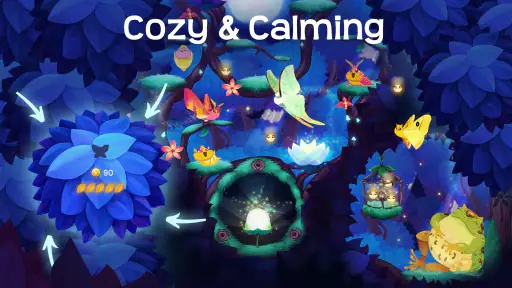
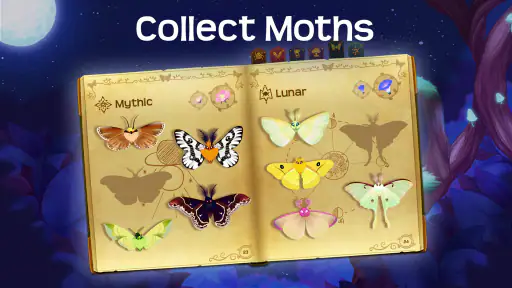
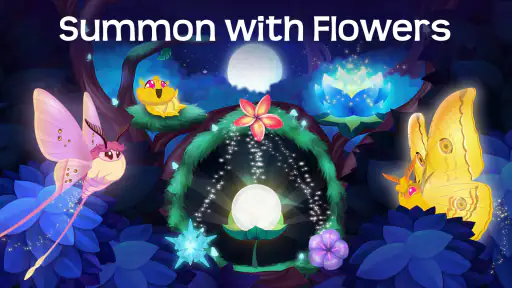
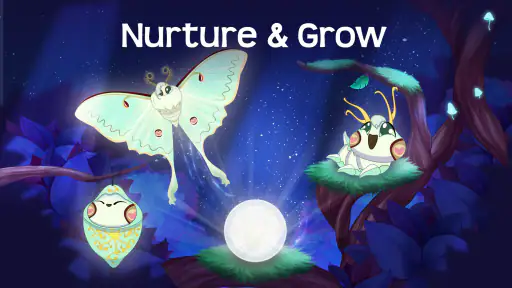
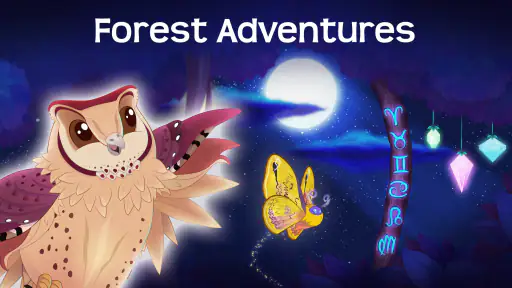
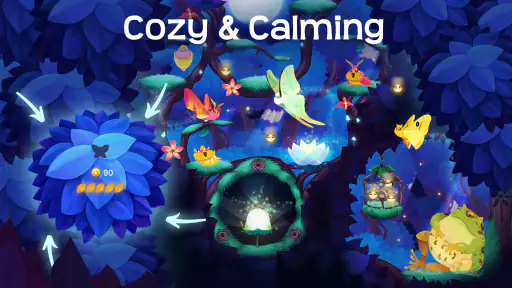
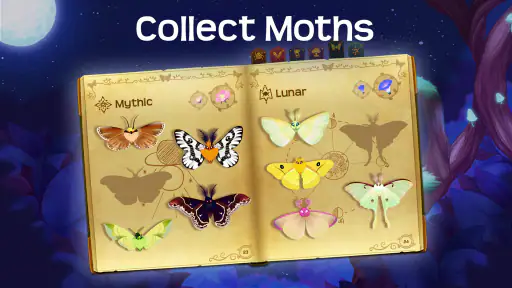
Flutter Starlight is the kind of casual game I open when I want something gentle rather than demanding. Its central idea is simple: collecting moths becomes a quiet reason to return, look around, and spend a few unhurried minutes in a cozy setting. I would not choose it for deep strategy, competitive pressure, or a dramatic story. I would choose it when I want a softer alternative to the usual puzzle, runner, or idle game.
That distinction matters. Many casual games try to keep me busy with constant rewards, rapid taps, or increasingly urgent tasks. This one works better when I let it remain slow. The appeal is less about mastering a difficult system and more about building a personal collection while enjoying the atmosphere. In my experience, that makes it especially suitable for short breaks, winding down before bed, or filling a quiet moment without committing to a long session.
Why the collecting loop works
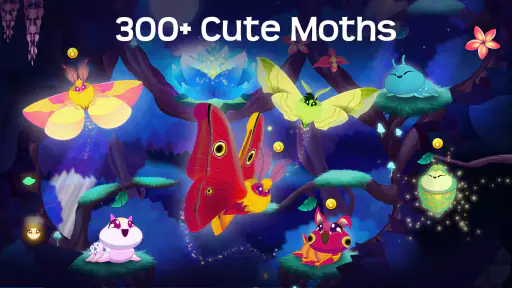
The strongest part of the game is its focus. Rather than throwing several unrelated activities at me, it gives the experience a clear identity around moth collecting. That focus makes the game easy to understand from the first session, but it also gives progress a more personal feeling than a generic checklist. I am not simply clearing levels; I am gradually making the collection feel more complete.
Runaway Play has positioned the game as a relaxed experience, and that comes through in the way I approach it. I can play without needing to remember a complicated control scheme or study a large set of rules. The low-pressure structure makes it approachable for people who normally avoid games because they seem too competitive or time-consuming. It is also a comfortable choice for younger players, matching its Everyone content rating.
One useful habit is to treat each visit as a small observation session instead of trying to force a long play period. I found that the collecting theme is more enjoyable when I stop after a natural point. Trying to turn every session into a major progress push can make the simplicity feel repetitive, while brief visits preserve the calming quality that gives the game its personality.
The game is free to download, which makes it easy to try without making an immediate commitment. Its audience is already substantial, with over a million installs, and the average rating sits at 4.7 from around 56 thousand ratings. Those figures do not replace personal experience, but they do fit my impression that the game has found a clear audience among players who prefer cozy, low-stress entertainment.
There is also a practical advantage to the uncomplicated premise: I do not need to be in a particular mood to understand what I am doing. If I have only a few minutes, I can still engage with the collection. If I have more time, I can stay longer because the atmosphere invites lingering. That flexibility is more valuable than it sounds, especially for a game intended to fit around ordinary routines.
A good companion for small breaks
My favorite use case is a short evening pause. Imagine finishing work, putting the kettle on, and wanting something to occupy the few minutes before the next task. A competitive game might leave me more alert or frustrated, while a story-heavy title may demand more attention than I have available. Flutter Starlight fits that gap better because its collecting theme does not require the same emotional or mental investment.
I can also see it working well during travel or while waiting for an appointment, provided the player is comfortable with the way the game handles its available content and progression. The important point is that it does not need to become the main event. It can sit beside a routine rather than replacing it, which is exactly what I want from a cozy casual game.
Parents looking for an approachable game for a child may appreciate the Everyone rating and the gentle concept. I would still recommend playing alongside a younger player at first, not because the premise is difficult, but because shared play helps explain what collecting means and keeps the experience from becoming a passive tap-through activity. The game is more rewarding when the player notices and remembers what they are gathering.
Where the simplicity becomes a limitation
The same narrow focus that makes the game welcoming can also make it feel repetitive. If I need constant novelty, complex decisions, or a strong sense of challenge, the moth-collecting loop may not hold my attention for long. This is not a flaw that can be solved by better reflexes; it is a question of whether the game’s pace and purpose match what I want that day.
Players who prefer traditional casual games with clearly defined rounds may find more satisfaction in a match-three game or a short puzzle title. Those alternatives usually give me a more obvious problem to solve and a clearer win-or-lose rhythm. Flutter Starlight is better when I want collecting and atmosphere, not when I want to test my speed or reasoning.
It is also not the right substitute for a substantial simulation game. A deeper management title can offer layered planning, resource choices, and long-term optimization. Here, the pleasure comes from the collection itself and the calm process of returning to it. I would not recommend this game to someone expecting a detailed ecosystem simulation or a large strategic sandbox.
The free-to-play structure deserves a deliberate look as well. Optional purchases range from $0.99 to $99.99 per item. That is a wide span, so I would approach the shop carefully and decide in advance whether I am willing to spend anything. The game is easiest to enjoy when purchases remain optional extras rather than becoming the measure of progress. For a child’s device, I would make sure purchase controls are handled responsibly before handing it over.
My practical advice is to begin as a no-spend player. Give the collection loop enough time to show whether it genuinely relaxes you, and only then consider whether any purchase adds value to your own routine. Buying simply because a limited opportunity or a progress barrier feels persuasive can undermine the calm experience that attracted me in the first place.
How I would approach the collection
I would not rush to complete everything as quickly as possible. A better workflow is to make a small personal goal for each visit: check what is available, collect what naturally fits the session, and stop before the game starts feeling like an obligation. This approach turns the title into a pleasant ritual rather than another task competing for attention.
I would also pay attention to the difference between curiosity and completionism. Curiosity keeps the experience light; completionism can make a simple collection feel like homework. If I notice myself checking progress more than enjoying the setting, that is a useful signal to take a break or reduce the length of my sessions.
Another tip is to use it as a transition game. I find that a calm, self-contained session works well between more demanding activities. Playing before reading, after commuting, or during a quiet morning can make the game feel purposeful without asking it to provide hours of entertainment. That is a more realistic role for it than expecting it to replace a main gaming platform.
The game’s age rating also makes it broadly accessible, but accessibility should not be confused with universal appeal. A title can be easy to understand and still feel too slow for someone who wants constant action. I would recommend showing it to a prospective player rather than assuming the cozy label alone will be enough. The collecting theme is the deciding factor.
Who should play it, and who should skip it
I think Flutter Starlight is a strong fit for players who enjoy gentle collecting, visual calm, and progress that does not depend on high skill. It suits people who like opening a game for a few minutes at a time, as well as anyone searching for something less intense than the usual casual fare. It can also appeal to players who enjoy building a collection for its own sake rather than chasing a leaderboard.
I would recommend it to a friend who says, “I want a game that helps me slow down, but I still want a reason to come back.” The moth theme gives that reason without making the experience feel like a demanding daily obligation. It is a small but meaningful distinction: the game offers a gentle invitation, not a challenge that needs to dominate the day.
I would skip it if my priority were action, competition, complex planning, or a narrative with major dramatic turns. I would also be cautious if I know that collectible systems make me feel pressured to spend money or complete every item. In those cases, a premium puzzle game or a more structured single-player experience may be a better choice, even if it lacks the same cozy atmosphere.
The developer, Runaway Play, has kept the identity clear enough that I never mistake this for a conventional arcade game. That clarity is a strength. I know what kind of experience I am opening, and the game does not need to pretend to be something bigger or louder than it is.
Device expectations and long-term value
The current version is 2.250, and the game supports devices running iOS 9 or later. That broad system requirement helps explain why it can reach a wide range of players, including people who are not using the newest hardware. Even so, I would keep the operating system requirement in mind before downloading, particularly on an older device that has not been updated in some time.
Because the game is free, the main question is not whether it deserves an upfront price. The more important question is whether its relaxed loop remains enjoyable after the first sense of discovery fades. For me, the answer depends on how much I value atmosphere and collecting. If those are central to my idea of a good casual game, it has staying power. If I need fresh mechanics every few sessions, I may move on sooner.
The rating of Everyone makes it easier to recommend across a household, but I would still frame it correctly: this is a calm collecting game, not an educational tool or a competitive family activity. Its best shared moments are likely to come from discussing what has been collected and enjoying the setting, rather than from comparing scores or competing directly.
One of the more useful trade-offs is that the game’s simplicity lowers the learning barrier while also lowering the ceiling for mastery. That is excellent for relaxation and less impressive for players who want to improve through technique. I see this as a design choice rather than a defect, but it should guide expectations before downloading.
My final recommendation
After spending time with it, I see Flutter Starlight as a focused cozy game that succeeds when I let it be modest. Its best qualities are its approachable collecting premise, unhurried mood, and ability to fit into short everyday breaks. It does not need complicated systems to justify a visit; the pleasure comes from returning to a collection and enjoying the gentle rhythm.
Its weaknesses are equally clear. The loop may not provide enough variety for players who need constant stimulation, and the in-app purchase range means I would keep spending decisions firmly under my control. Anyone looking for demanding strategy, fast action, or a substantial story should choose another category instead.
For the right player, though, the simplicity is the point. I would recommend this free casual game to someone who wants a peaceful collecting experience on Android or iOS, especially if they prefer short sessions and do not mind gradual progress. My advice is to play it as a relaxing ritual, not as a completion race. Approached that way, it offers a pleasant little corner of gaming that is easy to revisit whenever the day needs to slow down.
Pros
- Relaxing gameplay suited to short
- casual sessions.
- Charming visuals create a warm and calming atmosphere.
- Simple controls make it accessible for most players.
- Gentle progression provides a satisfying sense of discovery.
- Works well as a low-pressure game for winding down.
Cons
- Limited challenge may feel too easy for experienced players.
- Progression can become repetitive after extended play.
- Some features may require patience before they fully unlock.
- The slow pace may not appeal to action-focused players.
- Replay value could feel limited once areas are fully explored.

- Category
- Casual
- Version
- 2.250