Endling *Extinction is Forever
- 96.00
- 4.3
- Installs
- 100.00K
- Price
- $10.99

Screenshots

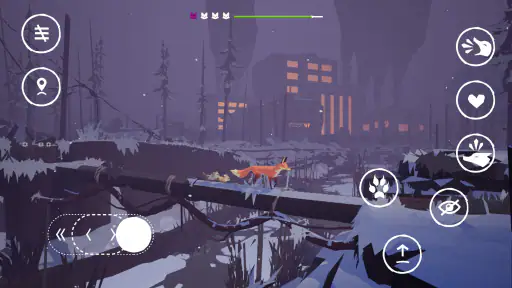
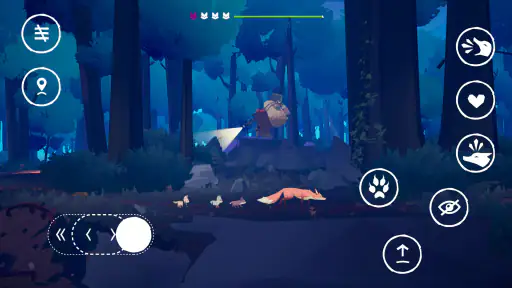
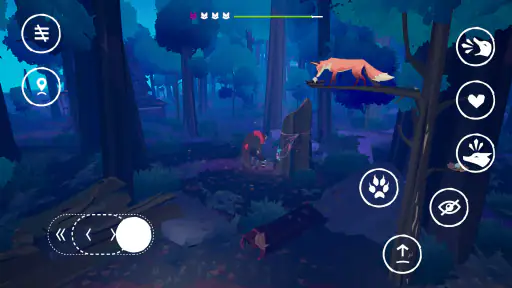
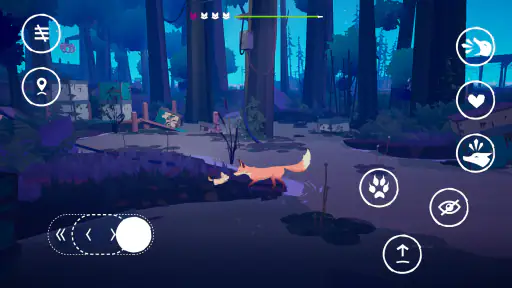


Analysis by Reviewed
Endling: Extinction is Forever is an adventure game that immediately asks me to slow down and pay attention. I play as a mother fox trying to protect her cubs in a damaged natural world, and that simple setup creates a much more personal experience than the usual action-focused adventure. I am not chasing a high score or clearing rooms as quickly as possible. I am watching a family survive, making careful choices, and dealing with the consequences of a harsh environment.
That focus makes it an unusual recommendation. It is a game from HandyGames with a Teen content rating, and it feels designed for players who enjoy atmosphere, storytelling, exploration, and emotional tension more than constant combat. It is available for $10.99, so I would treat it as a premium narrative experience rather than a quick free download. The game reached Android players on February 7, 2023, and the current version is 1.3.3, with Android 9 or later required.
How the game communicates its world
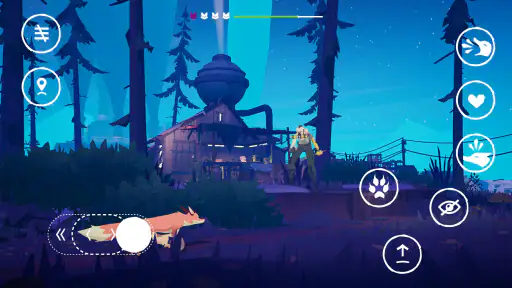
The first thing I noticed is how much Endling communicates visually. The fox, cubs, paths, shelters, food, dangers, and changes in the surrounding landscape are presented through a stylized side-scrolling view. I rarely need a long explanation to understand the immediate situation. The environment itself points me toward what matters, while movement and interaction remain straightforward enough to learn without a complicated control scheme.
That visual clarity is useful for players who prefer to understand a game by observing rather than reading large amounts of text. The story is not delivered like a traditional dialogue-heavy role-playing game, so I am usually interpreting the mood of a place, the behavior of the animals, and the changing condition of the family. For me, that makes the experience feel natural, although anyone who wants detailed written instructions for every objective may find the presentation less explicit.
Navigation is built around repeated journeys through familiar territory. I learn where food may be found, which routes are risky, and how the cubs behave as they grow. This creates a readable routine: leave the den, search, avoid danger, return, and prepare for the next outing. The repetition is not filler. It gives the world a sense of geography and makes small changes meaningful.
I also appreciate that the game does not bury its central idea under a crowded interface. There are no layers of menus competing with the landscape in the moments that matter most. That helps me stay focused on the fox family instead of managing a large inventory or a long list of unrelated tasks. Players who find dense role-playing interfaces tiring may feel more comfortable here.
At the same time, visual storytelling requires patience. Some details are intentionally subtle, and the game expects me to notice environmental clues rather than wait for a large instruction panel. When I was unsure where to go, the answer was often to observe the surroundings or remember something from an earlier journey. That is rewarding when I am in the right mood, but it can feel vague after a long day.
More From Our News Desk

Clash of Clans Is Won Between the Battles

Android Auto Makes the Case for Quieter Car Software

MobiOffice: Transforming Mobile Productivity with Seamless Integration

EA SPORTS FC™ Mobile Soccer: Redefining Mobile Sports Gaming

How Microsoft OneDrive Became a Mobile Productivity Giant

How Google Translate Breaks Language Barriers Effortlessly
Readability without removing the tension
The readable presentation does not make the game effortless. The world is meant to feel threatening, and the family’s vulnerability is part of the design. I have to distinguish between a route that looks open and one that is actually safe, while also keeping the cubs together and considering what they need. The game’s visual language supports that decision-making, but it does not eliminate uncertainty.
One useful habit is to treat each outing as a planned trip rather than an open-ended stroll. I look for a likely food source, remember the safest return path, and avoid wandering too far simply because a new area is visible. This approach is especially helpful for players who become overwhelmed when a game presents too many possible directions. Endling rewards observation and memory more than frantic exploration.
The story’s environmental themes are also easy to understand, but they are not emotionally neutral. Pollution, scarcity, and human activity shape the foxes’ lives, and the game does not present those ideas as background decoration. I found the message clear without feeling like I was reading a lesson. Still, players looking for a cheerful animal game should know that the cute central characters do not make the subject matter light.
Controls, senses, and different playing situations
From a motor perspective, the game is less demanding than an action adventure built around rapid combat. The main challenge comes from timing, movement, route choice, and responding to danger rather than chaining complex attacks. That makes it a better fit for someone who prefers measured input. I could concentrate on positioning the fox and guiding the cubs instead of memorizing a large set of abilities.
However, “less demanding” does not mean effortless for every player. Certain moments still depend on accurate movement and timely reactions. If holding a device for extended periods is uncomfortable, or if repeated directional input causes fatigue, the game may require shorter sessions. I would recommend testing the controls early and using a stable grip rather than playing while the phone is awkwardly balanced in one hand.
The game’s quiet, atmospheric presentation is a strength for players who dislike constant visual noise. Its mood comes from the setting, sound, and small movements in the world rather than from a nonstop stream of flashing effects. That can make it easier to remain focused. On the other hand, the darker tone and tense encounters may not suit players who are sensitive to threatening scenes or animal distress.
Sound is important to the emotional experience. The world feels more alive when I can hear what is happening around the foxes, and the audio helps reinforce the difference between calm travel and danger. For that reason, playing in a noisy place can weaken the experience. I can still follow the basic action visually, but I lose some of the atmosphere and some of the cues that tell me how a scene is changing.
A practical approach is to play with the screen at a comfortable brightness and with enough time to look closely at the environment. I would not choose this as a game to play while multitasking, commuting through a crowded station, or constantly switching between apps. The game asks for attention, and its strongest moments work when I am able to stay present.
That is where the mobile format creates a trade-off. A phone makes the game easy to carry, but a small display can reduce the impact of environmental details and make careful observation less comfortable. Players with limited vision may prefer the largest practical screen available, while players who rely on audio cues should choose a quieter setting. I would describe those as sensible ways to improve the experience, not as guaranteed accessibility solutions.
Why the game works better in some contexts than others
Endling fits well into a quiet evening when I want something emotionally engaging but not mechanically exhausting. A typical session might begin with me checking the cubs, planning where to search, and setting out with one clear goal. I might find food, avoid a dangerous route, return to the den, and then stop before the next outing. That structure makes it possible to enjoy the game in manageable portions without needing an entire uninterrupted day.
The same structure can be less comfortable when I am distracted. If I pause in the middle of a tense journey, I may return without remembering which path was safe or what I was trying to accomplish. The game benefits from continuity, even when a session itself is short. I would rather play it during a calm break at home than during a noisy lunch hour with frequent interruptions.
It can also work as a shared viewing experience. Someone who does not normally play games can understand the fox family’s situation by watching, and the choices naturally invite conversation. That said, the person holding the device still needs to control movement and react to danger, so it is not a fully passive story. The shared experience is strongest when the other person is comfortable with the pace and the serious subject matter.
For families, the Teen rating is worth taking seriously. The animal characters may look approachable, but the game deals with survival, loss, environmental destruction, and danger. I would not choose it solely because it features foxes. I would first consider whether the intended player is comfortable with emotionally heavy storytelling and scenes that may be upsetting.
Small decisions that make survival easier
My most useful strategy was to value a reliable route over a tempting shortcut. A new path may promise food or discovery, but returning safely matters just as much. I learned to notice landmarks and use the shape of the environment as a memory aid. This is a non-obvious strength of the design: the landscape becomes part of the interface, so paying attention reduces confusion more effectively than rushing.
A second useful habit is to watch the cubs rather than treating them as passive followers. Their presence changes how I approach a journey. I have to think about what the group can handle, where danger may appear, and whether continuing is worth the risk. That makes the game’s central relationship mechanically relevant instead of leaving the emotional story separate from the actual play.
Third, I found that stopping at a sensible point is better than forcing progress while tired. Because the game depends on observation and careful choices, fatigue makes me miss details and take unnecessary risks. A short, focused session can be more satisfying than a long attempt made while distracted. This is particularly relevant for players managing limited energy, attention, or screen time.
These choices also reveal the game’s main difference from many alternatives in the adventure category. A typical action adventure may reward aggression, equipment upgrades, or fast reactions. Endling instead makes me think like a vulnerable animal in a changing habitat. There is less emphasis on becoming powerful and more emphasis on learning how to cope. If I want combat, elaborate character builds, or a broad fantasy world filled with optional battles, another adventure game would be a better match.
Where the inclusive experience still has limits
The game’s clean presentation and relatively measured controls help in several situations, but they do not solve every barrier. Visual interpretation remains central, and some environmental information is easier to understand when I can see details clearly. Players who need large text, strong contrast, extensive audio description, or highly adjustable interface elements should investigate the available device and system settings before buying rather than assuming the game will adapt to every need.
Motor demands can also vary depending on the player and the device. Even without complex combat, movement and timing may become tiring for someone who has limited dexterity or pain triggered by repeated input. A controller, a larger screen, or an alternative way of holding the device might help in practice, but I would not treat those options as guaranteed support from the game itself.
The emotional content is another form of access that is easy to overlook. The game’s subject matter can be powerful for someone seeking a thoughtful environmental story, but it may be difficult for a player who wants relaxation or who is especially affected by stories about vulnerable animals. The Teen rating gives a useful warning about tone, yet the personal impact will still vary widely.
There is also a concentration barrier. Endling does not feel like a game I can fully appreciate while watching television, answering messages, or playing in a bright, chaotic environment. The world communicates through small visual and audio details, and missing them can make navigation harder. Players who need frequent interruptions can still play, but they may find the experience less fluid than someone who can give it uninterrupted attention.
Price matters in the decision as well. At $10.99, I would not recommend it to someone searching for a free, endlessly replayable mobile distraction. The value comes from the crafted journey, the atmosphere, and the emotional response, not from an unlimited stream of procedural content. The game has attracted over 100 thousand installs and holds a 4.3 average from around 1.4 thousand ratings, which suggests a meaningful audience, but those figures should not replace considering whether its tone and format suit you.
The game has also received 96 written reviews, and the current version is 1.3.3. Those details are useful context when deciding whether to install, but my practical advice is simpler: check your device’s Android version, make sure you have a comfortable way to hold the phone, and choose a quiet place for the first session. Android 9 is the minimum operating system, so compatibility is less of a concern for many modern devices, while screen size and personal comfort may matter more.
Who should choose it
I would recommend Endling to players who want an adventure with a strong emotional center, environmental themes, and a slower rhythm. It is a good choice if I want my decisions to feel connected to a family’s survival rather than to a leaderboard. It also suits people who enjoy learning a world through landmarks, repetition, and observation instead of relying on constant tutorial prompts.
It is especially appealing when I want a game that can be discussed afterward. The fox family’s situation raises questions about responsibility, scarcity, and the cost of survival. Those themes give the experience more weight than a simple collect-and-return loop. The game can be played alone, but it also has enough narrative substance to make it interesting to watch with someone else.
I would suggest skipping it if I am looking for a lighthearted animal simulator, a fast action game, or a long-term mobile hobby built around upgrades and competition. I would also hesitate if I know that stories involving endangered animals will be too upsetting, or if I need extensive control customization and accessibility options to play comfortably. In those cases, a gentler or more mechanically flexible adventure would be a better choice.
My inclusive verdict
Endling: Extinction is Forever is most successful when I approach it as a focused, visual story about protecting a family under pressure. Its readable world, restrained interface, and less combat-heavy design make it approachable in ways that many action adventures are not. The game supports thoughtful play, short but attentive sessions, and shared viewing better than frantic or highly technical alternatives.
Its limits are equally important. The experience depends on seeing environmental details, hearing some of its atmosphere, managing movement comfortably, and accepting emotionally difficult subject matter. Those needs may exclude players who require extensive customization or who want a purely relaxing game. The premium price also makes sense only if I value a crafted narrative adventure more than unlimited replay or free access.
After spending time with it, I see HandyGames’ release as a distinctive mobile adventure rather than a generic survival title. It does not try to make the fox powerful or turn the damaged world into a playground. Instead, it asks me to notice, plan, and care. For the right player, that restraint is exactly what gives the journey its impact. For anyone wanting speed, spectacle, or carefree exploration, it is a clear sign to choose something else.
My recommendation is therefore selective but positive: choose it if you want an atmospheric story that respects your attention and makes small decisions matter. Before paying, consider the Teen tone, the need for visual observation, and the comfort of your device setup. If those conditions fit, Endling: Extinction is Forever offers an unusually personal adventure on Android, with accessibility strengths that come from its calm design and remaining barriers that are important to recognize.
Endling *Extinction is Forever Frequently Asked Questions
Can I play Endling – Extinction is Forever on my device?
Endling – Extinction is Forever is available for Android and iOS, and its minimum operating system requirement is version 9. Before downloading, check that your device meets this requirement and has enough available storage for the game. The game is published by HandyGames, and checking compatibility in your device’s app store is a sensible first step.
How much does Endling – Extinction is Forever cost, and is it free to play?
Endling – Extinction is Forever is a paid game rather than a free-to-play title, with a listed price of $10.99. The amount you pay may depend on the platform and the price displayed in your store, so check the purchase screen before confirming. If you prefer story-driven adventures with a complete central experience, its one-time purchase may appeal to you.
What is Endling – Extinction is Forever about?
Endling – Extinction is Forever is a narrative survival adventure in which you play as the last mother fox on Earth. Your main objective is to protect and feed your cubs in a damaged natural environment while searching for a safer place to live. The game combines exploration, stealth, resource management, and emotional storytelling, with the survival of your family depending on the choices you make.
Is Endling – Extinction is Forever suitable for children?
Although Endling uses a stylized visual design and simple controls, its themes are serious and sometimes emotionally difficult. The game deals with habitat destruction, pollution, hunting, hunger, animal suffering, and the loss of family members. Younger players may enjoy the exploration, but parents should be aware that the story can be upsetting. It is generally better suited to older children, teenagers, and adults. It carries a Teen content rating, which reinforces the need for parents to consider whether its themes are appropriate for a particular child.
Does Endling – Extinction is Forever require an internet connection?
The main single-player experience can generally be played offline after the game has been installed, which makes it convenient for travel or areas with limited connectivity. An internet connection may still be required for downloading the application, installing updates, restoring purchases, or using platform-related services. Performance and availability can also vary depending on whether you are playing the Android or iOS version.
Pros
- Emotionally powerful story that makes conservation feel personal.
- Beautiful hand-drawn visuals create a distinctive
- atmospheric world.
- Exploration rewards curiosity with hidden paths and optional discoveries.
- Simple controls make the game accessible on mobile devices.
- Short chapters suit players who prefer focused gaming sessions.
Cons
- The bleak subject matter may feel emotionally heavy for some players.
- Limited replay value once the story and survival routes are familiar.
- Some objectives can be unclear without careful exploration.
- Touch controls may feel imprecise during tense escape sequences.
- Performance can vary on older phones
- especially in busy scenes.
- Category
- Adventure
- Version
- 1.3.3