Cookie Clicker
- 4.74K
- 4.5
- Installs
- 5.00M
- Price
- Free

Screenshots





Analysis by Reviewed
Cookie Clicker is the kind of simulation game that looks almost too simple to deserve your attention, then quietly occupies a corner of your day. I tap a cookie, numbers rise, and the game turns that tiny action into a growing production system. After a while, I am no longer clicking constantly; I am deciding when to buy upgrades, which buildings deserve the next investment, and whether it is better to keep a run going or start over for a stronger future.
That gradual change is the real appeal. DashNet B.V. has built a game around repetition, patience, and small decisions rather than reflexes or complicated controls. It is free, rated for Everyone, and belongs firmly in the simulation category, but it feels more like a personal routine than a traditional management game. I can check it briefly while waiting for a bus, leave it alone, return later, and still have meaningful choices waiting for me.
The mobile version is based on a very familiar idea, yet it is not only for people who want to tap rapidly. In my experience, the best way to enjoy it is to treat the cookie as the visible surface of a deeper planning loop. The first taps get things moving, buildings automate production, upgrades change the value of those buildings, and long-term progress comes from learning when not to spend.
How the everyday cookie-making loop works
At the beginning, the main cookie is the obvious focus. Tapping it produces cookies directly, and those cookies pay for the first improvements. This opening is intentionally uncomplicated, which makes the game easy to understand without a tutorial-heavy introduction. I can start playing immediately, recognize the purpose of every early purchase, and see the effect of each decision.
The important shift happens when I stop thinking only about the next purchase. A building may be affordable, but buying it is not automatically the best move. I compare its cost with the production it adds, then consider whether a cheaper upgrade could improve several parts of my setup at once. That habit turns the game from a button-pressing exercise into a lightweight economy puzzle.
My usual baseline workflow is simple. I collect what has accumulated, inspect the available upgrades, buy the improvement that best supports my current production, and then leave the game alone for a while. When I return, I repeat the check instead of spending everything immediately. This keeps the experience relaxed and prevents the common mistake of treating every new item as an urgent purchase.
That makes the game especially comfortable for short sessions. I do not need a free hour to make progress, and I do not have to remember a complicated sequence of actions. A quick visit can be useful, while a longer session gives me room to compare options and reorganize my priorities. The trade-off is that the game can feel slow if I expect constant interaction or dramatic changes.
There is also a psychological trap in the basic loop: the growing total encourages me to keep checking even when I am not making an important decision. I found it more enjoyable once I separated active play from background progress. If I am only opening the game to watch a number rise, I close it. If I have enough resources to change my production plan, I stay and make the decision.
Why the simple interface works
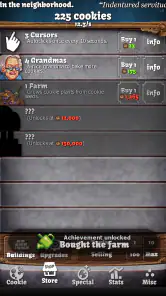
The uncluttered presentation is one of the strongest parts of the mobile experience. The central action is obvious, and the purchasing area gives the game its structure. I never feel that I need gaming knowledge before I can begin. Even someone who normally avoids management simulations can understand the first few minutes.
At the same time, the simplicity can hide the value of patience. The most satisfying progress is rarely caused by one dramatic tap. It comes from recognizing a useful upgrade, allowing production to build, and returning at the right moment. That rhythm gives the game a calm quality that distinguishes it from faster arcade alternatives.
It is worth knowing what kind of player will enjoy this. If you like watching a system become more efficient and making decisions with delayed rewards, the basic loop is remarkably effective. If you need a clear ending, a campaign, or frequent new challenges, the open-ended structure may feel directionless. This is a game about continuing improvement, not completing a conventional story.
Settings and habits that make sessions smoother
One of my first recommendations is to spend a moment checking the available settings instead of accepting the initial arrangement automatically. The practical goal is not to search for a secret advantage; it is to make the game fit the way you actually play. I prefer a setup that lets me check progress quickly without turning every visit into a noisy or distracting event.
Sound and visual feedback are worth considering because Cookie Clicker is often used in spare moments. If I am playing in a quiet room or checking it during a break, I adjust the presentation so the game does not demand more attention than the decision deserves. A comfortable configuration makes it easier to maintain the habit without feeling that the app is interrupting everything around it.
I also recommend checking whether the display gives me enough information at a glance. The most useful view is the one that lets me identify current production, available purchases, and the next meaningful target without repeatedly opening unrelated screens. This sounds minor, but reducing friction matters in an idle game because the entire experience is built around frequent, brief visits.
Another useful habit is deciding in advance how often I want to check in. I do not need to open the game every few minutes. A morning visit, a lunch-break visit, and an evening visit can be enough for a relaxed run. That schedule prevents the game from becoming a compulsive tapping routine and makes each return feel more purposeful.
Notifications, where available in the version and device setup, should be treated as a convenience rather than a command. I would keep only the alerts that genuinely help me remember a planned check. Too many reminders can turn a peaceful simulation into background pressure, especially when the game is already designed to keep progress moving while I am away.
The free price makes experimentation easy, but I still think the best setting is a personal boundary: decide how much attention the game deserves before it starts competing with work, sleep, or other entertainment. Cookie Clicker is good at creating “just one more check” moments. I enjoy it more when I choose those moments rather than letting them choose me.
Small configuration choices with a real effect
For short sessions, I focus on readability and speed of inspection. I want to see the important totals, understand what I can afford, and leave. For longer sessions, I am more willing to examine the purchasing screen carefully and compare several possible routes. The same game supports both styles, but the first needs clarity while the second benefits from patience.
I also avoid changing too many things at once. If I buy several unrelated improvements and then return later, I have a harder time understanding what actually helped. Making one meaningful change, watching how the setup develops, and then adjusting again gives me a clearer sense of the economy. That is a particularly useful approach for new players who might otherwise spend without learning the system.
Because the game is available on older mobile operating systems, it is approachable for people who do not own a recent phone. The minimum requirement is Android 7.0, and the current version is 8. I would still judge the experience on the specific device rather than assuming every phone will feel identical, especially if the screen is small or the device is already busy with other apps.
Faster patterns without turning the game into work
Experienced play is less about tapping speed than about reducing wasted decisions. The fastest pattern I use is a three-stage check: collect or review the current state, look for an upgrade that changes the efficiency of the whole setup, and spend only after comparing that option with the next building purchase. This takes seconds once familiar, but it avoids a surprising amount of unfocused buying.
When I have a clear target, I stop purchasing every small item on the way. Saving for a stronger improvement can feel slower because the screen may show several affordable choices, yet the delayed purchase can produce a better overall rhythm. I do not follow this rule blindly; if a low-cost item immediately improves the part of the setup I rely on most, I take it. The point is to spend with a reason.
A second pattern is to use active clicking as a temporary boost rather than a permanent obligation. Early in a run, tapping matters because automated production is still modest. Later, I let the buildings do more of the work and reserve active attention for moments when a purchase or event makes it worthwhile. This keeps the game from becoming physically tiring while preserving the satisfaction of direct interaction.
I find it helpful to keep a mental “next visit” plan. Before closing the game, I know whether I am waiting to afford a particular upgrade, checking whether a new option becomes worthwhile, or simply allowing the total to grow. Returning with a purpose makes the idle period part of the strategy rather than dead time.
Another non-obvious improvement is resisting the urge to reset or radically change direction just because progress temporarily feels slow. A production setup often needs time to show the benefit of an investment. I give a new approach enough time to develop before judging it. Otherwise, I end up reacting to the current number instead of evaluating the underlying efficiency.
How I handle a normal day
On a typical day, I might open the game in the morning, collect the accumulated cookies, and check whether an upgrade changes my priorities. If nothing important is available, I leave rather than spending just to make the screen look different. Later, I return with enough resources to make a more meaningful decision. That simple routine works well because it fits around real life instead of asking real life to fit around the game.
During a longer evening session, I compare the cost of the next building with the value of improving what I already own. I look for purchases that support the direction I have chosen rather than scattering resources across every available option. Once I make the decision, I let the game run and avoid repeatedly reopening it to confirm that the number is still increasing.
This approach is especially useful for people who want a low-pressure game beside a podcast, television show, or work break. It gives me something to check without requiring full concentration. However, it is not a good choice if multitasking makes you lose track of time or if you dislike games that deliberately reward returning again and again.
Where the simulation becomes deeper—and where it stops
Cookie Clicker has more strategic texture than its premise suggests, but its depth is still specialized. The challenge comes from optimizing a steadily expanding production system, not from navigating a large world or mastering a complex set of controls. I can spend time comparing choices, yet the basic action remains intentionally repetitive.
That limitation is important. Players coming from detailed city builders may find the management layer too narrow. There is no need to design roads, balance several physical resources, or respond to a changing map. Players coming from competitive games may also miss pressure from opponents. The game’s tension is self-generated: I decide how efficiently I want to grow and how much attention I want to give it.
Its long-term structure can also make progress feel uneven. Some periods are full of satisfying purchases, while others are mostly waiting. I see that as part of the idle format, but it will not suit everyone. If a slow stretch frustrates you, a level-based simulation with clear objectives may be a better alternative. If you enjoy delayed rewards and incremental optimization, the pauses become part of the appeal.
The game is also less suitable for someone looking for a strong narrative. It has a playful theme, but I do not play it for character development or story twists. Its identity comes from the absurd escalation of a simple bakery idea into a universe-sized production fantasy. That joke works because the mechanics stay focused on growth rather than trying to become a different genre.
One advanced limit is that optimization can drain the charm if taken too seriously. I can calculate every purchase and treat each idle period as a performance test, but then the relaxed nature disappears. My preferred balance is to use efficient habits without turning the game into a spreadsheet obligation. I want better decisions, not another task list.
How it compares with other simulation choices
Compared with a city-building game, this is far easier to enter and far less demanding to manage. I do not need to plan a physical layout or respond to residents. Compared with a traditional clicker, it offers more reason to think about production and upgrades instead of tapping without a larger plan. Compared with a tycoon game, it has fewer layers but a smoother idle rhythm.
That middle position is its strength. It is more engaging than a purely passive number counter, yet less demanding than a full management simulation. I would choose it for a commute, a short break, or a low-energy evening. I would choose a richer builder instead when I want creative control, visible construction, or a clear set of scenarios to solve.
The broad audience is reflected in its reception: it holds a 4.5 average from around 38 thousand ratings, with over 5 million installs. Those figures suggest a substantial player base, but they do not replace personal taste. The same simplicity that makes it welcoming can make it feel repetitive to someone who needs constant novelty.
Since it is free and intended for Everyone, it is easy to recommend as a harmless experiment for families or casual players. I would still explain the idle design before handing it to someone: the game is not about finishing quickly, and its rewards become more satisfying when the player accepts a slower pace.
My verdict after settling into the routine
I recommend Cookie Clicker to anyone who likes incremental progress, gentle optimization, and games that respect short visits. Its best moments come from recognizing that a small change in purchasing order can improve the entire rhythm of a run. The main cookie is only the entry point; the real enjoyment is learning when to tap, when to wait, and when to save.
The smartest way to play is to build a repeatable habit, not to chase constant activity. Check the settings, keep the interface comfortable, choose a clear next target, and avoid spending merely because something is affordable. Those habits make the experience calmer and usually make the long-term decisions more satisfying.
I would skip it if you need a campaign, direct competition, rich storytelling, or frequent hands-on challenges. I would also be cautious if idle games tend to pull me into endless checking. In those cases, a scenario-based simulation or a more structured management game will probably offer a better fit.
For everyone else, the appeal is surprisingly durable. DashNet B.V. keeps the controls approachable while leaving enough room for players to develop their own routines. I can play casually, optimize more seriously, or simply let the bakery grow in the background. That flexibility is why Cookie Clicker remains an easy game to return to, even when I only have a minute.
My final recommendation is to give it a fair trial over several short sessions rather than judging it by the first tapping phase. The opening is deliberately basic, but the satisfaction arrives when the production network starts making decisions matter. If that gradual build sounds relaxing instead of frustrating, this free simulation is well worth keeping on a phone.
Pros
- Simple gameplay that is easy to understand from the first tap.
- Runs well on most modern phones with modest hardware requirements.
- Offline progress lets your bakery keep producing while you are away.
- Large upgrade system provides plenty of long-term goals to pursue.
- Distinct achievements reward experimentation and continued play.
Cons
- Progress can become repetitive once the main upgrade loop is familiar.
- Later upgrades may require lengthy waiting or frequent check-ins.
- The interface can feel crowded as buildings and statistics accumulate.
- Some advanced mechanics are not explained clearly to new players.
- Heavy tapping may be uncomfortable during the early stages of play.

- Category
- Simulation
- Version
- 8