Call Of IGI Commando: Mob Duty
- 196.00
- 3.5
- Installs
- 5.00M
- Price
- Free

Screenshots
Analysis by Reviewed
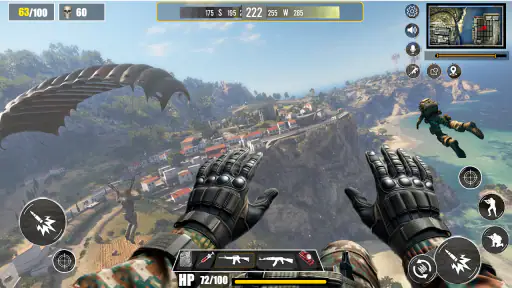
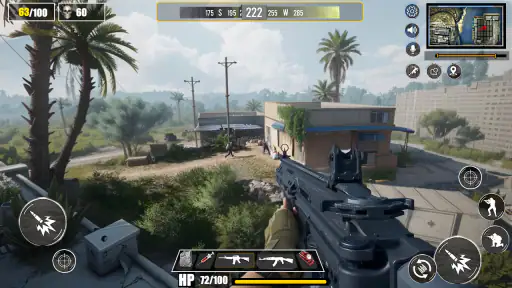
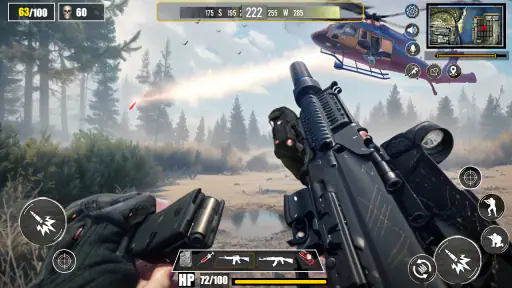
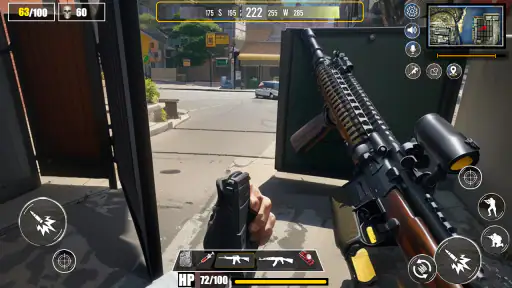
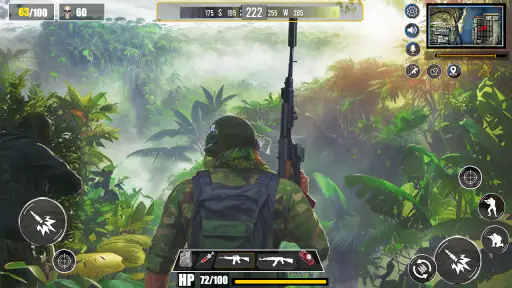
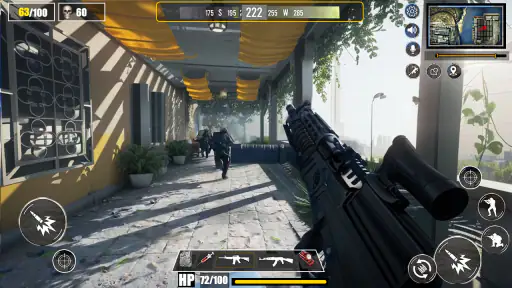
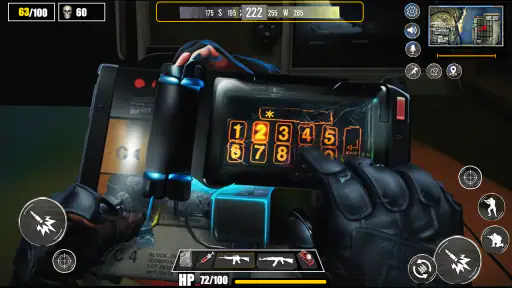
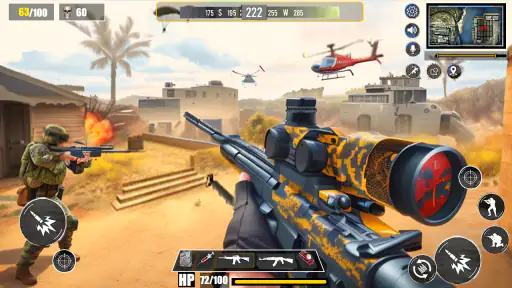
I approached Call Of IGI Commando: Mob Duty as a quick way to try an action-focused adventure game rather than as a full replacement for a console or PC shooter. It is free to start, carries a Teen content rating, and comes from Climax Game Studios. The basic appeal is easy to understand: you step into a commando-style setting, take on combat challenges, and try to make steady progress through the missions available to you.
That simplicity is useful for a first-time player. You do not need to learn a complicated backstory before beginning, and the military theme gives the game an immediate direction. At the same time, the experience is best judged with realistic expectations. Its average rating sits at 3.5 from around 23 thousand ratings, so the reception is mixed rather than universally enthusiastic. I found that the game is most suitable for someone who wants short bursts of mobile action and is willing to tolerate some rough edges while learning how it works.
Starting with the right expectations
The first thing I would tell a new player is not to treat this as a precise competitive shooter. The name suggests a close connection with larger military-action franchises, but the useful comparison is with other free mobile adventure shooters: the focus is on getting into the action quickly, learning the basic rhythm, and improving through repeated attempts. That makes it approachable, but it also means players looking for deep tactical planning, a polished multiplayer scene, or the visual refinement of a premium console game may feel underwhelmed.
The game is listed as an adventure title, although its presentation is strongly shaped by commando warfare. That combination matters because the experience is not simply about wandering through a story. I played it with the mindset of completing the immediate objective, understanding the controls, and deciding whether the next challenge was worth the time. This approach made the opening less frustrating than trying to force it into the role of a large, cinematic campaign.
It is available at no upfront cost, with optional purchases priced from $1.99 to $4.99 per item. For me, that makes the opening period important: use it to decide whether the controls and mission flow suit you before spending anything. A free download is not automatically a good fit, and paying for an item will not fix a control layout or pacing style that you already dislike.
The Teen age rating is another practical point for families. I would not hand this to a younger child simply because it is free. The commando setting and combat-oriented presentation are central to the game, so parents should check whether that tone suits the intended player. For teenagers and adults who already enjoy mobile action games, the rating is a straightforward signal about the kind of content and atmosphere to expect.
What the first session feels like
My recommendation is to keep the first session focused. Do not worry about mastering every option immediately. Begin by learning how movement, aiming, firing, and any on-screen prompts work together. The most useful early objective is not a high score; it is reaching a point where you can enter an encounter without stopping to think about every tap.
That first bit of fluency changes the experience. Before it arrives, a mobile shooter can feel like a collection of buttons competing for attention. Afterward, you can look at the environment and think about positioning instead of merely searching for controls. I found that this was the first meaningful sign that the game might work for me: I could complete an encounter with fewer panicked inputs and more deliberate movement.
A realistic use case is a short break during a commute, provided you have enough uninterrupted time to finish what you start. It also works for a player who wants a familiar military theme without committing to a long role-playing game. I would be less likely to recommend it for someone who wants a quiet, low-pressure adventure, because the combat framing remains the main reason to open it.
Setting up without making the opening harder
The current version is 5.1.7, and the minimum operating-system requirement is Android 7.0. That makes the technical entry point reasonably accessible for many Android users, but compatibility alone does not guarantee a comfortable session. Before beginning, I would close demanding background apps, make sure the phone has enough free space for normal operation, and avoid starting a mission when the device is already struggling. Those are simple habits, but they matter more in an action game than in a turn-based title.
I also suggest holding the phone in the position that gives your thumbs the most natural reach before the first serious attempt. A common mistake is to begin while standing or using one hand, then blame the game when movement and aiming feel awkward. This type of control is much easier when both hands are stable. If your device has a particularly narrow display or you use a thick case, take a moment to see whether the important controls remain easy to reach.
Do not rush through every introductory prompt. Even when the instructions look obvious, the first session is the best time to notice how the game communicates objectives and danger. If you skip that information, you may spend the next few minutes attacking the wrong target or moving in the wrong direction. The small amount of attention you invest at the start saves repeated trial and error later.
Because the game includes in-app purchases, I would also make a personal rule before playing: treat the free opening as a test, not as a promise that buying something will improve the entire experience. If you enjoy the core movement and combat, an optional purchase may feel reasonable to you. If you do not enjoy those basics, spending money is unlikely to change your opinion in a meaningful way.
Finding the first meaningful success
For a new player, success should mean more than simply launching the game. I would define it as completing an early combat objective while staying in control of your movement and camera or aiming actions. That gives you a useful answer to the most important question: does this game feel manageable on your phone?
My practical method is to move in short adjustments instead of constantly dragging across the screen. Large, hurried swipes can make it harder to keep track of a target, particularly when you are still learning the layout. I found it more reliable to position myself first, make a small correction, and then concentrate on the immediate threat. This is not a flashy technique, but it reduces wasted actions and makes the first completed objective feel earned rather than accidental.
Another useful habit is to separate navigation from combat whenever the situation allows it. Look at where you need to go before beginning a frantic exchange. If you enter an encounter already facing the wrong direction, your first few inputs may be spent recovering instead of responding. Taking a second to orient yourself is especially helpful on a small screen, where visual information can become crowded.
When an attempt fails, I would not immediately assume that the game requires a purchase. First ask what actually went wrong. Was the problem poor positioning, missed prompts, rushed aiming, or simply not understanding the objective? This distinction is valuable because it tells you whether another attempt can solve the issue. It also prevents the common free-to-play mistake of paying before you know what kind of obstacle you are facing.
The first successful action can be a useful stopping point for a short session. Once you have completed an objective and understood the basic loop, close the game if you are tired rather than forcing a longer run. Returning later with a clear head is often better than continuing until every control feels irritating. That approach also helps you judge the game fairly instead of confusing fatigue with poor design.
Where new players commonly get confused
The largest source of confusion is the gap between the military-action presentation and the practical depth of a mobile adventure game. The theme may encourage you to expect complex tactics, but the better early strategy is usually to master the immediate interaction first. I would not spend the opening session searching for elaborate plans when the more urgent task is learning how the game wants you to move, aim, and respond.
Another point of friction is the difference between seeing an enemy and being ready to engage. In a touch-controlled game, the target may be visible before your character is positioned properly. Firing immediately can create the impression that attacks are ineffective when the real issue is alignment or movement. I learned to pause briefly, bring the character into a stable position, and then act. That small change made encounters feel less random.
Players may also wonder whether the game is meant to be played in long sessions. I do not think that is the best assumption. The free-to-play structure and straightforward action make it easier to approach in short periods, but repeated attempts can become tiring if you are not seeing progress. I would play one or two focused missions, then decide whether the next session sounds appealing. If the answer is consistently no, that is a sign to move on rather than a challenge to overcome.
The presence of optional purchases can create a second kind of uncertainty: whether progress depends on spending. My advice is to observe the natural flow of the opening before drawing conclusions. Try to improve through better control and awareness first. If the game remains enjoyable without buying anything, you have identified its strongest value for you. If every enjoyable moment seems tied to an item, consider whether another adventure shooter would offer a better fit for your budget.
It is also easy to compare the title too closely with famous military shooters. That comparison can be useful for identifying the genre, but it can produce unfair expectations about polish, scale, and depth. I would compare it instead with other free mobile action games that are designed for quick access. Against that group, its main advantage is the immediate commando identity; its main trade-off is that players seeking a richer or more refined experience may notice limitations sooner.
How to decide whether to continue
After the first successful mission or objective, I would give the game a simple three-part test. First, do the controls feel predictable enough that mistakes are usually yours rather than mysterious? Second, does the combat loop remain interesting after the novelty of the theme fades? Third, do you feel curious about the next challenge without feeling pushed toward an in-app purchase?
If the answer is yes to all three, continuing makes sense. The game has enough immediate structure to serve as a casual adventure option, and its free entry lets you explore that fit without an upfront commitment. The developer, Climax Game Studios, has positioned it for players who want a direct commando experience on mobile, and that focus is clearest when you play in short, goal-oriented sessions.
If the controls still feel uncomfortable after several careful attempts, I would skip it. A different mobile shooter may offer a layout that suits your hands better, even if its theme is less appealing. Likewise, if you want a story-heavy adventure with extensive exploration, this is probably not the right choice. The game’s identity is built around action, and no amount of patience will turn that into a different genre.
Players with older Android phones should be especially practical. The minimum requirement supports Android 7.0, but the best experience still depends on how well your particular device handles the game. If you notice stuttering, heat, or delayed touch response, reduce the length of your sessions and test again later. If the problem remains, another title with lighter demands may be more enjoyable than trying to work around technical discomfort.
The audience size suggests that the game has reached a broad mobile audience, with over five million installs. I see that as a reason to try it, not as proof that it will suit everyone. Popularity can confirm that the concept is easy to access, while the 196 written reviews show that individual reactions still matter. For this game, personal comfort with touch controls and tolerance for free-to-play friction are more important than the install figure.
My recommendation after spending time with it
I would recommend Call Of IGI Commando: Mob Duty to a player who wants a free adventure game with a military-action flavor, prefers short sessions, and is happy to learn through repetition. It gives a first-time user a clear path into the genre: install it on a compatible Android device, learn the controls patiently, complete an early objective, and then judge the core loop before considering any purchase.
I would not recommend it to someone searching for a polished alternative to a major console shooter, a deep tactical simulation, or a relaxed exploration game. The mixed average rating reflects a reasonable warning that the experience will not satisfy every player. Its strengths are accessibility, a recognizable commando premise, and the ability to begin without paying. Its weaknesses are the friction that can appear in touch control, the risk of uneven pacing, and the possibility that optional purchases may influence how you view progress.
My best tip is to treat the first meaningful success as a decision point. If you can complete an encounter after adjusting your movement and aiming habits, and you still want another mission, the game has probably found its audience in you. If reaching that point feels like work rather than play, uninstalling it is a sensible choice. The right reason to continue is that the action feels satisfying, not that you have already invested time or money.
In the end, this is a straightforward free mobile adventure for people who enjoy commando-themed combat and do not require the scale of a premium shooter. I found it more rewarding when approached modestly: learn one interaction at a time, play in focused bursts, and keep spending optional rather than automatic. Used that way, it can provide a convenient action fix. Used as a substitute for a much larger military game, it is likely to disappoint.
Pros
- Simple controls make the game easy to pick up on mobile.
- Offline play is useful when you have no internet connection.
- Short missions fit well into quick gaming sessions.
- Low storage requirements suit phones with limited space.
- Weapon variety adds some choice to basic combat.
Cons
- Graphics and animations feel dated compared with newer shooters.
- Enemy behavior can be predictable and repetitive.
- Frequent ads may interrupt gameplay between missions.
- Some levels rely heavily on similar objectives and layouts.
- Limited settings may reduce control over graphics and performance.

- Category
- Adventure
- Version
- 5.1.7