Whimsy Desert Spins
- 44.00
- 4.5
- Installs
- 10.00K
- Price
- Free

Screenshots



Analysis by Reviewed
I approached Whimsy Desert Spins as a quick casual game rather than a serious strategy title, and that distinction matters from the first session. Developed by Naiser Production, it presents itself as a light slot-style experience with a desert theme and a playful mood. I found it easiest to enjoy in short bursts: a few spins while waiting, a relaxed break after work, or a simple way to pass time without learning a complicated system.
The game is free, which removes the biggest barrier to trying it. It is listed for Everyone 10+ and runs on Android 7.0 or later, so it is aimed at a broad audience with reasonably modest device requirements. Its current version is 1.0.1, and the release is still relatively young, having arrived on January 20, 2026. That makes this feel more like an early snapshot of a developing casual game than a long-established platform with years of accumulated content.
My overall impression is positive but measured. The desert presentation gives the familiar spinning format a more cheerful identity, and the short-session design is convenient. At the same time, anyone looking for deep progression, a large collection of modes, or a skill-based challenge should keep expectations in check. This is best understood as a compact amusement, not a replacement for a full casino simulation, puzzle game, or competitive mobile title.
How the current version feels to play
The central appeal is immediate accessibility. You can open the game, understand the basic purpose quickly, and begin playing without a lengthy tutorial or a demanding setup. That makes it suitable for people who dislike games that require several minutes of explanation before anything happens. The desert theme also helps it avoid feeling completely anonymous; the setting gives the spins a little more personality than a plain interface of generic symbols.
In practice, I would use it in the same situations where I might open a tiny arcade game: during a short pause, on public transport, or when I want an activity that does not require concentration for a long stretch. The rhythm is naturally repetitive, but that can be comforting when the goal is relaxation rather than achievement. I would not choose it for a planned evening of gaming, because the format does not offer the same variety as a larger casual title.
The strongest part of the design is its low mental load. There is no need to memorize a map, manage a team, or react to opponents. That makes it approachable for a casual player who wants a colorful diversion. It also means the experience depends heavily on presentation and pacing. If the visual style and spin rhythm appeal to you, the simplicity works in its favor. If you need constant decisions, the same simplicity may become limiting fairly quickly.
One useful habit is to treat each visit as a small session rather than expecting an extended progression loop. I found that setting a natural stopping point after a few minutes makes the game feel more enjoyable. Without that boundary, repeated spins can blur together. This is not a criticism unique to this title; it is the main trade-off of a slot-inspired casual format, where the action is easy to start but can offer fewer meaningful choices than a puzzle or arcade game.
The desert theme gives the format a clearer identity
The whimsical desert setting is more than a label. It frames the game as bright and playful instead of presenting the mechanics in a purely mechanical way. That matters when the underlying activity is familiar. A recognizable theme can make short sessions feel less sterile, especially for players who are tired of interchangeable menus and dark casino-like interfaces.
I would still describe the theme as a supporting feature rather than the whole reason to install the game. It improves the first impression, but long-term interest will depend on how satisfying the repeated play remains. The setting can attract a curious player, while the simple loop determines whether that player returns.
For younger users, the age guidance deserves attention. Even though the game is casual and approachable, the Everyone 10+ classification means parents should make their own decision about whether the slot-style format is suitable. I would not hand it to a child automatically just because it looks colorful. The presentation may be friendly, but the underlying structure is still based on spins and chance-like anticipation.
Who will get the most from it
I think the best audience is someone who wants a free, uncomplicated game that can be understood immediately. It may also suit players who enjoy themed slot mechanics but do not want to commit to a larger game with missions, inventories, or daily management. The small footprint implied by its older Android compatibility makes it worth considering on a device that cannot comfortably handle demanding modern games, although smooth performance can still vary by handset.
A realistic use case would be a short break between errands. I might open it while waiting for an appointment, play a handful of rounds, and close it without feeling that I have abandoned a quest or interrupted a multiplayer match. That “easy in, easy out” quality is one of its clearest strengths. It respects the kind of player who has only a few spare minutes.
I would recommend skipping it if you want a game where personal skill consistently changes the outcome. A match-three puzzle, card battler, or reflex-based arcade game will usually provide more decisions per minute. Likewise, players who prefer long-term goals should look toward a title built around levels, upgrades, or story chapters. This game’s charm comes from casual repetition, not from demanding mastery.
What version 1.0.1 means for the experience
The current version, 1.0.1, suggests a product that is still close to its initial release stage. I see that as both an opportunity and a reason to remain realistic. Early versions can feel clean and focused because they have not accumulated unnecessary systems, but they may also lack the breadth that older casual games develop over time. I would judge this release mainly on whether its basic loop feels pleasant and reliable, rather than expecting a huge content library.
For a new player, the advantage is clarity. There is less risk of being overwhelmed by years of layered menus and complicated progression. You can discover the game’s main idea quickly. For someone already familiar with slot-style mobile games, however, the same early simplicity may make the experience feel narrower than established alternatives. The question is not whether it includes every feature found elsewhere; it is whether the desert presentation and quick pacing are enough for your personal play style.
Existing users should approach updates with a practical mindset. A small version number can change the feel of an app through interface adjustments, stability work, or refinements to the current presentation, but I would not assume that every future update will transform the game into something fundamentally different. The safest way to evaluate a new release is to check whether the first few sessions feel smoother or more comfortable for you, rather than relying on expectations about an entirely new game.
There is also a useful distinction between product evolution and wishful thinking. It is reasonable to hope that a young casual game will gain more variety over time, but those possibilities are not part of what I can judge in the present version. Right now, the value comes from the experience available today: a free, themed, low-pressure way to spend a short amount of time.
How it compares with familiar alternatives
Compared with a standard casino-themed slots app, this game feels more approachable because its desert identity is playful rather than heavily focused on realism. That may be a better fit for someone who wants a colorful casual atmosphere. On the other hand, a more established alternative may provide a broader range of machines, more elaborate progression, or a deeper collection of presentation styles. If variety is your priority, the older option will probably be stronger.
Compared with puzzle games, the trade-off is even clearer. Puzzle titles usually reward planning and let you improve through decisions. Whimsy Desert Spins is more about anticipation and repetition. I would pick this game when I want to relax without thinking hard, and a puzzle game when I want to feel that my choices are actively solving something.
Compared with idle games, it offers a more immediate interaction. You are not mainly waiting for resources to accumulate in the background; you are opening the game to perform the simple activity directly. That can make it feel more engaging during a short break. The cost is that it may not provide the same sense of long-term accumulation that keeps idle players returning throughout the day.
Compared with a traditional arcade game, it is calmer and less demanding. There is no obvious pressure to react quickly or compete for a high score in the way an arcade player might expect. That makes it friendlier for tired users, but less satisfying for someone who wants adrenaline, precision, or a clear skill curve.
Small habits that improve short sessions
My first practical tip is to decide what you want from the session before opening it. If you want a two-minute distraction, keep it in that role. If you are hoping for a deep progression system, you may become frustrated by asking the game to provide something outside its natural design. Matching the game to the moment makes its simplicity feel intentional instead of incomplete.
Second, pay attention to how the presentation affects your comfort. Slot-style games can be visually repetitive, so I would use it in a place where a bright, uncomplicated screen feels welcome rather than distracting. It is a better companion for a quiet pause than for a situation where you need to divide attention between the game and an important task.
Third, keep the free price from creating unrealistic expectations. Free access is a strong reason to try the game, but it does not guarantee endless novelty. I would give it a short test session, decide whether the theme and rhythm suit me, and then keep it only if I genuinely enjoy returning. That is a better approach than installing every free casual title and expecting each one to become a daily habit.
Finally, consider the device and operating system before downloading. Compatibility with Android 7.0 or later makes the audience broad, but an older operating system does not automatically tell me how every phone will perform. If your device is dated, I would close other demanding apps first and judge the game by its actual responsiveness rather than by assumptions based only on age.
Where the experience still has room to grow
The main limitation is the narrowness that comes with a simple spin-based loop. A pleasant theme can make the first sessions inviting, but it cannot by itself create unlimited depth. Players who need frequent new objectives may reach the edge of the experience sooner than they would with a level-based casual game. That is the most important weakness to consider before treating it as a long-term favorite.
Another potential friction point is the reduced role of skill. If you prefer games where better decisions lead to visibly better results, the format may feel passive. That does not make it poorly designed; it simply places it in a different part of the casual spectrum. I would describe it as a mood game, where atmosphere and ease matter more than mastery.
The age classification may also make some families pause. The bright style could suggest a younger audience at first glance, yet the Everyone 10+ guidance should be taken seriously. Parents who are comfortable with a chance-oriented game may find it acceptable, while those who prefer clearly educational or skill-driven entertainment should choose another option.
The young release stage creates a final consideration for existing users. A compact early version can be appealing, but its future value may depend on how thoughtfully Naiser Production develops it. I would like to see any later evolution preserve the quick-start quality while adding reasons to return that do not simply make the interface busier. More variety would be useful only if it remains easy to understand.
What I would watch in future updates
If I were following the game over time, I would focus on whether new content expands the desert theme without losing its relaxed character. Variety in the spin experience could help prevent repetition, but too many layers could undermine the reason to choose this title over a larger alternative. The ideal direction would be measured growth: more to discover, while keeping the basic session short and readable.
I would also watch how the game serves two different groups: newcomers who want instant access and returning players who need a reason to come back. Those goals can conflict. A complex reward structure might interest regular users but make the first session less welcoming. A strong update would add depth around the existing loop rather than burying it under menus.
For now, the audience response is encouraging without making the game seem universally essential. It has an average rating of 4.5 from around eighty ratings, with over ten thousand installs. Those figures suggest genuine early interest, but they are still best read as an initial signal rather than proof that the game will satisfy every type of casual player.
My final recommendation is simple: try it if you want a free desert-themed diversion that starts quickly and does not demand much attention. I would keep it installed for short breaks if the cheerful presentation makes the repeated spins feel relaxing. I would not choose it over a puzzle, arcade, or progression-heavy game when I want strategy or lasting goals. Its real strength is focused simplicity, and its real weakness is that the same simplicity may eventually leave experienced players wanting more.
In that sense, Whimsy Desert Spins succeeds on its own modest terms. Naiser Production has created a casual game with a clear mood, a low entry barrier, and a format that works well in spare moments. The current release feels like a starting point rather than a finished universe, so I would enjoy what is available now while judging future changes by whether they add meaningful variety instead of unnecessary complexity.
Pros
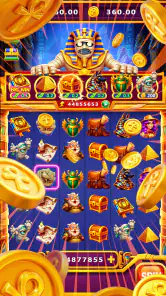
- Colorful desert-themed visuals make the slot reels easy to follow.
- Quick rounds suit short play sessions on mobile devices.
- Simple controls are accessible for new slot players.
- Frequent bonus animations add variety to standard spins.
- Runs smoothly on most modern Android and iOS devices.
Cons
- Gameplay may feel repetitive after extended sessions.
- Virtual winnings do not provide real-world monetary value.
- Some features may depend on watching ads or optional purchases.
- Bright effects and sounds can become distracting over time.
- Luck-based results offer little control over the outcome.

- Category
- Casual
- Version
- 1.0.1