Wheelie Life: Moto Stunt
- 76.00
- 4.8
- Installs
- 5.00M
- Price
- Free

Screenshots

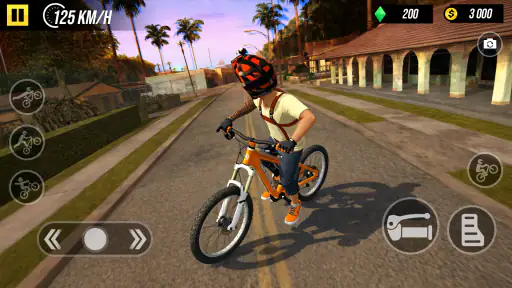

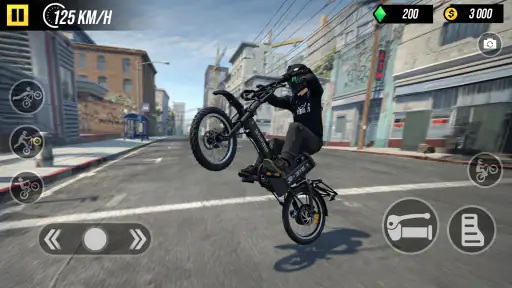
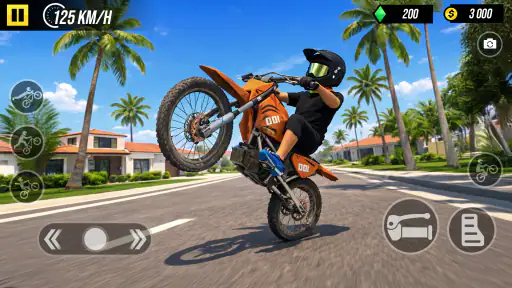
Analysis by Reviewed
I would recommend Wheelie Life: Moto Stunt to someone who wants a motorcycle game built around one clear challenge: keeping a bike balanced while showing off. It is not the sort of racing game I reach for when I want a long championship or a detailed garage to manage. Its appeal is more immediate: get moving, find the balance point, and see how long I can hold a stunt without losing control. That focused idea makes it easy to understand, though it also means the fun depends on enjoying repetition and practice.
What the riding is really about
This is a free motorcycle racing game from iJ Sound, with an Everyone age rating. The store describes a ride through city traffic, and that gives the game a more exposed, reactive feel than a conventional track racer: a wheelie is not just a launch animation, but a balancing act while the road continues to demand attention. I like that the premise puts control ahead of collecting cars or planning a race calendar.
The first thing I would tell a new player is to treat a successful stunt as a small sequence, not one dramatic input. Build a little speed, lift the front wheel, then make restrained corrections instead of holding a control as if it were an on/off switch. The goal is to keep the bike in a usable balance, not to force the highest-looking angle immediately. That approach makes early attempts feel less random and gives you a clear way to learn from a fall.
That distinction matters because wheelie games can be frustrating when the controls seem to punish every adjustment. Here, I would approach each run as a short experiment: change one thing, notice whether the bike tips forward or back, and repeat with a lighter touch. Even without chasing a score, that feedback loop can be satisfying. The game’s central pleasure is the moment a wobble settles and the bike carries on under control.
Why a short session can be enough
The format suits spare moments better than a game that expects a long uninterrupted commitment. I can imagine opening it while waiting for a friend, making a few attempts, and closing it once I have beaten my own best stretch of balance. A realistic first session might be a commute break: start with the aim of simply lifting the front wheel and recovering cleanly, rather than expecting a perfect run before the next stop.
That modest goal is useful because a stunt game can tempt players to measure progress only by distance or spectacle. I would instead notice whether I can bring the bike up more smoothly, keep it steady for longer, or recover after an awkward angle. Those are meaningful improvements even if a run ends early. If you enjoy learning a physical-feeling skill through repetition, this gives each attempt a purpose.
Starting without overthinking the setup
When I first open a game centered on precise balance, I want the basic controls to become familiar before I worry about style. Spend the opening minutes testing how the bike responds to small inputs and how quickly it changes attitude. Avoid making several big corrections at once; if the bike rises too far, a gentle adjustment is easier to interpret than a frantic series of taps. This is the most reassuring way to get started because it turns a fall into information rather than a verdict.
It is also worth finding a comfortable way to hold the device before a run. A cramped grip makes delicate corrections harder, particularly when you are tempted to react quickly. I would keep my thumbs relaxed and use short, deliberate movements, then pause between attempts long enough to remember what caused the previous wobble. That simple reset is more helpful than repeating the same rushed input and hoping the next run behaves differently.
One practical trade-off is that the game asks for attention to feel rewarding. It is a poor choice if you want something you can play while distracted by messages or conversation, because the balancing task loses its appeal when you are not watching the bike. On the other hand, it can work well as a focused two-minute challenge: pick one goal, give it a handful of tries, and stop before practice turns into frustration.
Your first meaningful success
For a first win, I would aim for a controlled lift followed by a stable stretch, not a dramatic flip. Start by getting the bike moving, raise the front end gradually, and pay attention to whether the angle is increasing or settling. Once the wheel is up, resist the urge to keep adding input. Small corrections are the key insight: overcorrecting can turn a promising attempt into a sudden tip, while doing nothing may let the balance drift too far the other way.
After a clean recovery, repeat the same approach before trying to ride closer to traffic or make the stunt more ambitious. This is a useful progression because it separates balance from risk. If your attempts fail immediately, scale back the lift and focus on a calmer launch; if you can hold the bike but cannot keep it there, concentrate on reducing the size of your corrections. The point is not to memorize one magic gesture, but to recognize what the bike is doing.
My less obvious tip is to change only one part of your technique per attempt. For example, keep your launch similar and make your balance input gentler, rather than changing speed, timing, and correction strength together. That gives you a better chance of understanding why the next run improved or worsened. It is a small practice habit, but it makes a physics-focused game feel far less like guesswork.
Traffic, tricks, and the point where patience matters
The city setting gives the stunt a different kind of pressure from an empty practice strip. Traffic makes the ride feel less forgiving, so I would first get comfortable maintaining the wheelie before treating other vehicles as something to weave around. Trying to do both at once is an easy way to confuse a balance mistake with a steering mistake. Build confidence in the core action, then add more ambitious movement when you can keep the bike steady.
The store summary also points to flips, but I would treat those as a later experiment rather than the first measure of whether the game is enjoyable. A flip is a more demanding goal than simply holding a wheelie, and attempting it before you understand how the bike reacts can make the game feel harsher than it is. If you like working toward a visibly harder stunt, that added challenge gives practice a natural next step. If you only want a relaxed ride, the stunt focus may feel too narrow.
There is a limit to what this style can offer. Players looking for the variety of a broad racing game—with different event types, vehicle progression, or a detailed competitive structure—may prefer a more conventional racer. Those games often provide a clearer sequence of objectives and more kinds of rewards. Wheelie Life is better suited to someone who would rather refine one recognizable skill than switch between many race formats.
What can feel confusing at first
The most common confusion is expecting the bike to respond like a car in an arcade racer. A wheelie depends on balance, so holding an input for too long can be counterproductive. When a run goes wrong, it is tempting to blame the game or immediately make a much larger correction. I would first ask whether I lifted too sharply, reacted late, or tried to steer and balance at the same time. Naming the likely cause makes the next attempt more useful.
Another source of frustration is chasing a spectacular result before establishing a repeatable basic one. If every run begins with a different approach, it is difficult to tell whether your control is improving. Keep the opening consistent for a few tries. Once you can lift and settle the bike reliably, then experiment with a longer hold or a more advanced stunt. This is not a shortcut to instant mastery; it is a way to make each failure teach you something concrete.
It also helps to decide what kind of fun you want. If you enjoy a high score, a personal best, or the satisfaction of a cleaner attempt, the repeated runs have a clear purpose. If you need a story, varied missions, or a large collection of unlocks to stay engaged, this focused loop may not hold your interest. That is not a fault so much as a difference in what the game asks from you.
How it compares with other racers
Compared with the usual mobile racing alternative, which often emphasizes steering through a course and finishing ahead of rivals, this game puts the stunt itself at the center. That narrower focus is its strongest distinction. I would choose it over a standard racer when I want to practice timing and balance, but choose a track-based game when I want structured races or a broader mix of driving decisions.
Its audience is also more specific than the broad label “racing” might suggest. A player who likes motorcycle stunts, trial-and-error control, and short skill challenges is a natural fit. Someone who mainly wants speed, traffic dodging without much precision, or a collection-focused experience should consider another option. The same simplicity that makes the central idea easy to grasp can make the experience feel repetitive if balancing is not enjoyable in its own right.
Who should give it a try
The game has an average rating of 4.8 from around 4.8 thousand ratings, and it has passed 5 million installs. Those figures suggest that plenty of players have found the central idea appealing, but they do not tell me whether it will suit your tastes. I would use them as context, not as a reason to expect every run to feel effortless. The real question is whether you enjoy improving through small, repeated corrections.
It is free to play, currently at version 3.9, and the listed minimum operating system is Android 8.0. For someone deciding whether to try it, that makes the entry point straightforward, while the Everyone rating makes it suitable for a broad age range. I would still keep expectations focused: this is a motorcycle stunt game, not a full substitute for every kind of racing experience.
A sensible next step
If you install it, give yourself a first-session target that is easy to recognize: lift the front wheel, hold it briefly, and bring the bike back under control. After that, try a longer balance, then explore the more ambitious stunt side. The sequence keeps the learning curve manageable and helps you decide whether the game’s central rhythm clicks for you.
Wheelie Life: Moto Stunt is worth trying if a clean wheelie feels rewarding enough to repeat until it becomes reliable. I like its direct focus and the way a small improvement can make a run feel earned. I would skip it if I wanted a broad campaign, lots of different race formats, or a game that works well while my attention is elsewhere. For a first-time player, patience and gentle corrections are the best starting tools; once those make sense, the game’s stunt challenge becomes much easier to enjoy.
Wheelie Life: Moto Stunt Frequently Asked Questions
What is Wheelie Life: Moto Stunt?
Wheelie Life: Moto Stunt is a motorcycle stunt game built around balancing on one wheel and keeping a wheelie going for as long as possible. Instead of focusing on traditional racing, it challenges you to control your bike, manage its angle, and avoid crashing. The exact modes and features can vary by version, so check the current store listing for details before downloading.
How do you play Wheelie Life: Moto Stunt?
The central challenge is to accelerate, lift the motorcycle’s front wheel, and maintain balance while moving through the game environment. Small control adjustments matter: leaning too far can cause a fall, while bringing the front wheel down ends the wheelie. If you are new to stunt games, expect a little practice as you learn how responsive the controls are on your device.
Is Wheelie Life: Moto Stunt free to download, and does it include ads or purchases?
The game may be offered as a free download, but availability, advertising, and optional in-app purchases can differ by platform, region, and the version currently listed. Review the Google Play Store or Apple App Store page before installing to see the latest price and purchase details. Also check the store’s age rating and privacy information if these are important to you.
Can I play Wheelie Life: Moto Stunt offline?
Whether the game works without an internet connection can depend on its current version and which features you want to use. Core gameplay may be available offline in some releases, while advertisements, online features, or other connected content can require a connection. For a reliable answer, check the developer’s store description and test offline access after installation rather than assuming every mode works without internet.
Which devices support Wheelie Life: Moto Stunt, and what should I check before downloading?
Wheelie Life: Moto Stunt is intended for mobile devices, but compatibility depends on the operating system version and hardware requirements specified by the developer. Before downloading, confirm that your Android phone or iPhone meets the current store listing’s requirements and has enough free storage. If performance or touch control responsiveness is a concern, consult recent reviews for feedback from users with similar devices.
Pros
- Simple controls make basic riding and tricks easy to pick up.
- Stunt-focused gameplay offers a clear challenge for score chasers.
- Short runs suit quick sessions on the go.
- Motorcycle physics make balance and landings part of the challenge.
- A focused concept keeps the experience easy to understand.
Cons
- Mastering balance can take practice
- especially for new players.
- Repeated stunt runs may feel repetitive over time.
- Mistimed landings can quickly end a promising run.
- The stunt-focused format may not appeal to players seeking races.
- Progress can feel slow if you prefer immediate rewards.

- Category
- Racing
- Version
- 3.9