Stress Crusher Relaxing Games
- 82.00
- 4.5
- Installs
- 10.00M
- Price
- Free
Screenshots






Analysis by Reviewed
When I want a brief distraction that feels calmer than a competitive game, I look for something I can open, try for a few minutes, and put down without needing to remember a complicated objective. Stress Crusher Relaxing Games is aimed at that kind of break: it brings together casual ASMR and fidget-style play, with the emphasis on tactile, satisfying interactions rather than a long campaign. My impression is that it works best as a small reset between tasks, not as a deep game to master or a substitute for every kind of relaxation.
A simple routine for a short reset
The most useful way to approach this game is to keep the session modest. Open it when you have a natural pause, choose an activity that looks appealing, and focus on the interaction instead of expecting a big story or a demanding challenge. That makes it easy to fit into a commute while waiting, a quiet moment at home, or the few minutes between finishing one task and starting another.
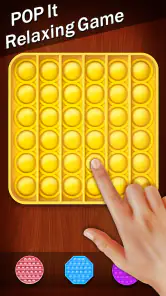
Because the game centers on ASMR and fidget play, the pleasure comes from the immediate feel of doing something, not from planning a long sequence of moves. I’d treat it like a digital fidget object: use one activity for a quick breather, then stop when the break is over. A repeatable habit like that is more useful than opening it automatically whenever you feel bored, since it gives the game a clear purpose without letting a casual diversion take over your attention.
The broad selection implied by its casual format can be appealing when you want a low-pressure choice, but it also means your enjoyment depends on which interactions suit you. Some players relax through repetitive gestures and sensory feedback; others prefer a clear target, progress bar, or skill-based challenge. If you belong to the second group, this may feel too loose. I would judge it by whether the individual activities hold your attention, rather than by expecting a conventional level-based game.
Make the first session deliberate
On a first visit, I’d sample a few different activities instead of settling immediately on the first one. Pay attention to the kind of interaction that feels comfortable: something repetitive may be soothing for one person but monotonous for another. This small comparison gives you a practical starting point for later sessions and helps avoid the common mistake of deciding that the whole game is or isn’t for you based on a single activity.
It also helps to notice your surroundings. ASMR-style play is more likely to make sense when you can hear your device clearly and have a moment without interruptions. In a noisy place, the same session may feel less immersive; with sound turned down or off, visual interaction may still be enough for a short break, but the experience could be less satisfying if audio is central to what you enjoy. I’d try it both ways before deciding when it fits your routine.
Check comfort before building a habit
Before making the game part of a daily wind-down, check the controls and any available sound or other comfort settings on your device and in the game. I wouldn’t assume that every player will prefer the same sensory intensity. If an activity feels irritating rather than relaxing, switch to another rather than pushing through it. A calming game should be easy to leave or adjust when it is not matching your mood.
It is also worth checking the purchase prompts before settling into longer play. The game is free to start, while optional in-app purchases are listed at $4.99 per item. That does not mean you need to buy anything to try the basic experience, but I’d avoid tapping through purchase screens absent-mindedly during a quick break. If you are setting the game up for a younger player, check spending controls on the device as well as the game’s Teen age rating.
Build a faster, more repeatable play pattern
Once you know which activities you like, make the session easier by choosing with intention. Instead of browsing for a long time every time you open the game, remember a small personal shortlist: one option for a quiet pause, another for when you want a more active fidget, and perhaps a third for when you simply want variety. This is a habit, not a claim that the game offers a favorites shortcut or a particular menu feature. The benefit is that it reduces decision-making and keeps a five-minute break from becoming a long search.
A second useful pattern is to set a stopping point before you begin. For example, decide that you will play until your break ends or until you have had enough of one interaction, then close the game. Casual titles can make it easy to drift from one activity to another without noticing how much time has passed. A simple external cue, such as returning to a task when a timer goes off, lets you enjoy the fidgeting without relying on the game to manage your schedule.
Sound is another practical variable. If you are using the game in a shared space, keep the device at a comfortable volume and consider whether headphones are appropriate for that setting. At home, you may prefer a more immersive listen; on public transport, you may want a quieter, less distracting session. The point is not to chase a perfect setup, but to match the sensory side of play to where you are. If the audio becomes tiring, a shorter session or a different activity is a sensible adjustment.
For a realistic everyday use, imagine finishing a dense stretch of work and having a few minutes before a call. I’d open the game, choose a familiar interaction rather than exploring everything, play briefly, and then close it before the call begins. That routine suits the game better than using it during the call or expecting it to solve the underlying stress. It offers a small change of focus; it cannot replace rest, a walk, or dealing with whatever is causing the pressure.
Where it fits among casual alternatives
Compared with a puzzle game, this is less about finding a correct answer and more about enjoying the act of interacting. Compared with a conventional fidget toy, it gives you a screen-based option that is easy to carry alongside the rest of your phone use, but it also shares the drawback of making screen time part of the break. And compared with guided meditation, it asks less commitment and concentration, while offering less structure for someone who wants breathing cues or a coached routine.
That distinction matters when choosing what to open. If you want a quick sensory diversion with no elaborate rules, this format is a reasonable fit. If you want a challenge with measurable progression, a story to follow, or a structured relaxation exercise, another kind of app or game will probably serve you better. I would not recommend treating every casual ASMR interaction as equally calming: personal preference is doing a lot of the work here.
There is also a trade-off between variety and focus. Having different fidget-style options can help when one activity stops feeling pleasant, but switching repeatedly can turn a calm pause into restless browsing. My practical advice is to change activities when you genuinely want a different sensation, not just because another option might be more entertaining. That keeps the session closer to a break and makes it easier to tell whether the game is helping you unwind.
Limits to keep in mind
This is a casual game from Mad1 Games, and its appeal is deliberately narrower than that of a full-featured relaxation program or a large progression-based title. Its simplicity is convenient, but players who need goals, a sense of achievement, or a strong reason to return may find the experience thin. Likewise, anyone who dislikes repetitive screen interactions is unlikely to be won over simply because the theme is soothing.
It is not the right choice for every stressful moment. If you are already overstimulated by sound or screen use, more digital input may not help. If you need to calm down before sleep, consider whether looking at your phone is a good fit for your own routine. And if you want a specific therapeutic technique, this game should not be mistaken for professional guidance. I see it as entertainment that can make a short pause more pleasant, not as treatment or a guaranteed way to change how you feel.
Device compatibility is worth checking before installing: the listed minimum Android requirement is version 7.0, and the current release is version 6.78. The game is free, with optional purchases, so trying it does not require committing to a paid download. Still, “free” does not mean every optional item is included at no cost; I’d keep purchases intentional and make sure the experience itself is enjoyable before spending anything.
Its audience is broad enough to have attracted over 10 million installs, and its average rating is 4.5 from around 48,000 ratings. Those figures suggest that many players have found something appealing in the format, but they cannot tell you whether its particular sensory style matches your own preferences. The game is rated Teen, so parents should use their judgment rather than assuming that a casual presentation automatically makes it suitable for every child.
What to expect after the novelty wears off
The first few sessions are the best time to find out whether the interactions feel satisfying to you. After that, the game’s lasting value depends on whether a familiar activity remains pleasant without needing constant novelty. I’d keep it installed if it becomes a useful, low-effort option for brief pauses. If you find yourself opening it and then spending most of the time browsing, or if the repeated interactions start to irritate you, it may not be earning its place on your phone.
It is also fair to compare the game with non-screen alternatives. A physical fidget item can be quicker to reach for and does not pull you into phone notifications. A walk or a stretch may work better when you need to move. Stress Crusher’s advantage is convenience when your phone is already in hand and you want a short, interactive diversion; its weakness is that it can blend a break with the same device that carries work, messages, and other distractions.
My verdict: best when you keep it simple
I’d recommend Stress Crusher Relaxing Games to someone who enjoys tactile, repetitive play and wants an easy casual option for brief breaks. Its strongest use is a short, intentional session built around an activity you already know you like. The rating and large install base make it a popular choice, but your own response to its sounds and interactions is a better guide than popularity alone.
I would skip it if you need substantial goals, a carefully guided relaxation routine, or a way to reduce screen time. I’d also be cautious if sensory effects tend to bother you or if you are prone to losing track of time in casual games. For everyone else, start with a short trial, compare a few activities, and keep the one that genuinely feels pleasant. That measured approach gets more out of the game than chasing every option, and it makes clear whether this particular kind of digital fidgeting deserves a place in your day.
Stress Crusher Relaxing Games Frequently Asked Questions
What is Stress Crusher Relaxing Games?
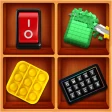
Stress Crusher Relaxing Games is a casual relaxation app built around simple activities intended to offer a calming break. Its games may include light interactions and stress-relief-style challenges rather than complex levels or competitive play. The exact selection can vary by app version, so check the store listing and screenshots to confirm which activities are currently included before downloading.
Is Stress Crusher Relaxing Games suitable for children?
The app’s straightforward, casual format may be accessible to many ages, but suitability depends on the content, advertising, and any in-app purchases available in the version you install. Parents and caregivers should review the age rating, store description, and privacy information, and try the app themselves before letting younger children use it. Availability of parental controls may vary.
Does Stress Crusher Relaxing Games work offline?
Some simple relaxation games can be played without an internet connection, but offline access should not be assumed for every feature. Ads, updates, optional content, or other services may require connectivity, and behavior can differ between versions or devices. If you plan to use the app while traveling or away from Wi-Fi, check its store details and test the activities offline first.
Is Stress Crusher Relaxing Games free, and does it include ads or purchases?
Check the Google Play or Apple App Store listing for the current price and monetization details, since these can change by region and app version. A free download may still include advertisements or optional in-app purchases. Review the purchase information before installing, and use device-level purchase restrictions if you want to prevent accidental spending, particularly on a shared device.
What permissions and personal information does Stress Crusher Relaxing Games require?
Permissions and data practices can differ depending on the platform and current release, so consult the app’s privacy policy and the store’s privacy disclosures before downloading. A basic game may need few device permissions, while advertising or analytics services can involve additional data collection. Grant only permissions that make sense for the features you use, and revisit them in your device settings if needed.
Pros
- Quick mini-games make it easy to relax during short breaks.
- A range of activities offers variety when one stress-relief game gets repetitive.
- Simple controls are approachable for players of different skill levels.
- Casual play does not demand a long-term commitment or complex strategy.
- Can provide a light distraction when you want to unwind.
Cons
- Relaxation effects are subjective and may not reduce stress for everyone.
- Some activities may feel repetitive after extended play.
- Frequent ads or prompts may interrupt a calming experience.
- Mini-games may offer limited depth for players seeking a bigger challenge.
- Availability of features may vary by device or app version.
- Category
- Casual
- Version
- 6.78