Slow Mo Run
- 1.38K
- 4.3
- Installs
- 50.00M
- Price
- Free

Screenshots

Analysis by Reviewed
When a quick mobile game feels difficult to start, the problem is not always the gameplay itself. With Slow Mo Run, I’d first check whether the game has finished loading and whether taps or swipes are registering before assuming a level is unfair. Its appeal is immediate action, but that also means a missed gesture can make a run feel confusing. I find it helps to make one deliberate input at a time, then watch how the character responds before trying to react faster.
Small setup checks that make a difference
This is a free casual game from Supersonic Studios LTD, currently at version 8.1, with a Teen content rating. It runs on Android 7.0 or later. If it feels sluggish or unresponsive, closing other demanding apps and reopening the game is a sensible first check; so is making sure the device has enough free space to run normally. Those are general phone-maintenance steps, not special settings you need to hunt for inside the game.
There’s no need to treat every stumble as a reason to spend money. The game is free to try, while optional in-app purchases are listed at $3.99 to $5.99 per item. I’d play a few sessions first and decide whether the basic loop suits me before considering any purchase. That’s especially useful for a game built around short bursts: the best test is whether you naturally want another attempt after putting your phone down.
Time-Bending Gameplay
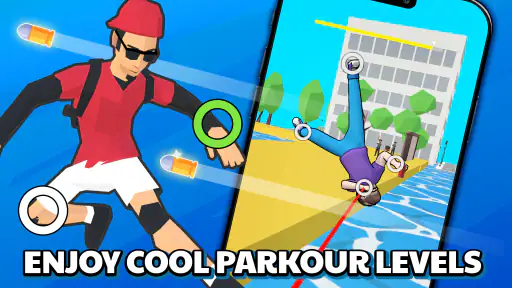
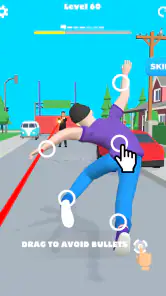
The core appeal of Slow Mo Run lies in its unique ability to allow players to control the flow of time. Imagine running through vibrant landscapes where you can slow down everything around you, Matrix-style. This feature not only adds a strategic layer to the game but also makes it incredibly fun to watch as obstacles and challenges unfold in slow motion. You'll feel like a superhero dodging bullets, and trust me, it's as cool as it sounds!
Visuals That Pop
Moving on to the aesthetics, Slow Mo Run doesn’t disappoint. The graphics are sharp, colorful, and engaging, making every level a visual treat. Whether you’re navigating through a bustling city or a serene forest, the environments are designed to keep you hooked. The attention to detail is particularly noticeable in the animations when time slows down, offering a spectacle that's both thrilling and mesmerizing.
Intuitive Controls and Mechanics
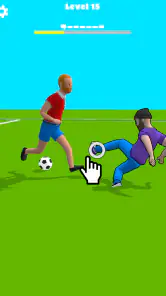
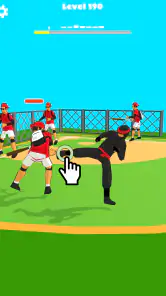
Now, I know what you're thinking – controlling time sounds complicated, right? Fear not! The game’s controls are surprisingly intuitive. With just a swipe or tap, you can manipulate the speed of the game, and it’s this simplicity that makes it accessible to both seasoned gamers and newbies alike. The learning curve is gentle, allowing you to focus more on the fun aspects rather than fumbling with complex controls.
In practice, I’d use the slowed moments to read what is happening rather than swipe frantically. A useful habit is to keep your finger clear of the screen between inputs, especially if a gesture seems not to register; accidental repeated touches can make it harder to tell whether timing or control caused a miss. If a run goes badly, restarting with a calmer first move can teach you more than repeating the same hurried reaction.
More From Our News Desk

Weather by Xiaomi Review: Clear at a Glance, Less Clear Up Close

X Under Pressure: Can It Recover When Posting Goes Wrong?

Clash of Clans Is Won Between the Battles

Android Auto Makes the Case for Quieter Car Software

MobiOffice: Transforming Mobile Productivity with Seamless Integration

EA SPORTS FC™ Mobile Soccer: Redefining Mobile Sports Gaming
Challenges and Levels
As you progress, the levels become increasingly challenging, which is where the strategic element of slowing down time really shines. You’ll find yourself having to think a few steps ahead, planning your moves to perfection. The game offers a variety of levels, each with unique obstacles and patterns, ensuring that monotony never sets in. It’s this diversity that keeps you coming back for more, eager to test your skills again and again.
Who will enjoy the short-run format?
I think this works best for someone who wants a compact game to pick up between everyday tasks: a quiet break while waiting for food, or a few attempts during a commute when standing still and able to focus on the screen. Its slow-motion premise gives quick runs a visual hook, while the timing decisions make success feel more hands-on than simply watching an animation. It has reached over 50 million installs and holds an average rating of 4.3 from around 382,000 ratings, which suggests a broad audience, though those figures alone can’t tell you whether its particular rhythm will suit you.
Compared with endless runners that mainly ask you to keep moving and avoid hazards at speed, this one puts more emphasis on choosing when to slow the action and judge a moment. That makes it a better fit if you enjoy reacting with a little planning. If you want a deeper campaign, extended sessions, or a game that rewards long-term strategy more than quick timing, I’d look elsewhere in the casual category. The changing pace is the point, but it may not provide the variety or depth every player wants.
Making short sessions work for you
One practical way to judge the game is to treat a session as a handful of focused attempts rather than a commitment to clear a long stretch. That suits the stop-start rhythm of casual play: I can pick it up while waiting for an appointment, pay attention to a tricky moment, then put the phone away without needing to remember a complicated plan later. If I’m distracted or walking through a busy place, I’d save it for a safer pause; the timing is more satisfying when I can actually watch the action.
For a fair test, I’d notice what causes a failed run before immediately trying again. Was I late with a gesture, did I act before understanding the obstacle, or was the screen not responding as expected? Naming the likely cause makes the next attempt useful. It also helps prevent the familiar mobile-game habit of tapping faster simply because a run went wrong, which can turn a readable challenge into a blur of accidental inputs.
What the slow-motion hook changes
The slow-down idea gives this runner a different feel from games that rely mainly on maintaining speed. Here, a pause in the action can make a hazard easier to inspect, but it also asks me to stay involved: I still have to choose a response rather than letting the game play itself. That balance is the main appeal for players who like brief bursts of concentration. It is less compelling if the thing you want from a runner is a steady, uninterrupted flow.
I also wouldn’t assume that the visual drama automatically means every section will feel equally fresh. A striking slow-motion moment can make an obstacle memorable, but repeated attempts still depend on whether you enjoy learning its timing. If you find yourself making the same rushed move without understanding why it failed, take a short pause and reset your attention. A calmer retry is often a better test of the game’s appeal than grinding through attempts while annoyed.
Choosing it over other casual games
Against a puzzle game, this is a better pick when you want immediate movement and reactions instead of sitting with a board or planning a sequence at your own pace. Against a conventional endless runner, it offers more emphasis on judging a moment than on simply sustaining forward momentum. Those are useful distinctions when choosing something for a spare few minutes, but neither makes it an all-purpose substitute: if you want quiet, unhurried thinking, a puzzle is likely a better fit; if you want a long progression path, a more substantial game may serve you better.
For a shared living room or a quick hand-off to someone else, I’d explain the basic idea before passing over the phone: watch the action, make a deliberate gesture, and avoid treating every obstacle as a cue to swipe repeatedly. That simple approach makes the first few tries less confusing. The Teen rating is also worth keeping in mind when choosing a game for a younger player, rather than assuming that a colorful casual presentation automatically makes it suitable for every age.
When a frustrating run may be a phone issue
If controls suddenly feel inconsistent across several attempts, I wouldn’t immediately assume the level has changed or become impossible. Check that the screen is clean and dry, close and reopen the game, and see whether other touch-based apps respond normally. If the whole phone is lagging, a restart may help; if only this game is affected, checking for an available update is a practical next step. These checks won’t fix every issue, but they can separate a missed gesture from a broader device slowdown.
I’d also change one thing at a time when troubleshooting. If I close other apps, restart the phone, and change how I hold it all at once, I won’t know which step mattered. Instead, I’d reopen the game after a single check and try a simple input. If touch problems happen in other apps too, that points toward the device or screen rather than this game; if they appear only here, a fresh launch and an update check are reasonable next moves.
When the game is not the right fit
Not every frustrating session is a technical problem, and not every player will enjoy the core rhythm. If the controls respond consistently but the timing still feels more stressful than satisfying, the game may simply not match the kind of break you want. I’d choose something gentler for a tired evening or a hands-off game when I don’t want to concentrate. This one works best when I have enough attention to read the action and make a clear choice.
Likewise, I wouldn’t pick it as my main game if I were looking for a broad story, a long-term collection to manage, or a deep competitive system. The appeal here is compact decision-making around movement and timing. That can be a real strength when I have only a few minutes, but it also sets a limit on what the experience is trying to provide. Knowing that before downloading is more useful than expecting a short-run casual game to become a large-scale adventure.
Slow Mo Run was released on October 5, 2022, and has around 1,400 written reviews. I’d recommend it to players who like quick, visual challenges and don’t mind repeating a section to improve their timing. I’d skip it if I were looking for a calm, hands-off experience or substantial progression to work through over weeks. For me, the clearest way to decide is to try a short session and notice whether slowing down a tricky moment feels satisfying—or simply interrupts the pace I want from a runner.
Final Thoughts
So, what's the verdict? Slow Mo Run is not just another run-of-the-mill mobile game. It’s an experience that combines strategy, timing, and pure fun. Whether you’re in it for the thrill or the challenge, there’s something for everyone. So, if you’re looking to spice up your gaming library, give Slow Mo Run a try. You might just find yourself addicted to bending time!
Slow Mo Run Frequently Asked Questions
Is Slow Mo Run suitable for a quick game during a break?
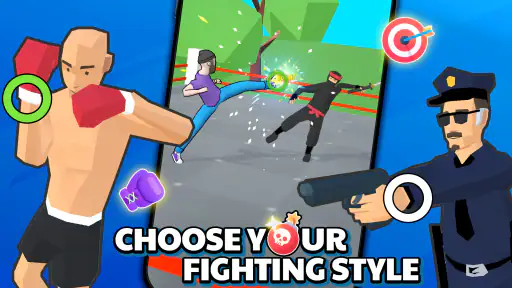
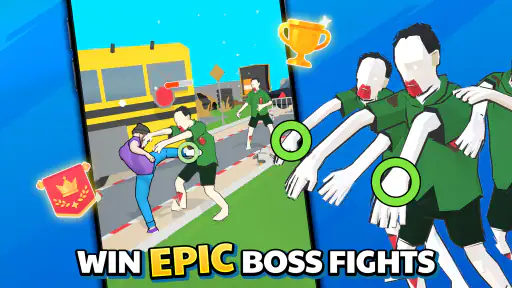
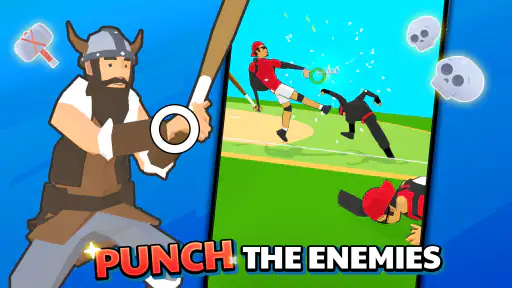
Slow Mo Run is a casual game built around fighting people in slow motion, with challenges that focus on timing your movements. That makes its central idea easy to grasp if you want an accessible mobile game rather than a more involved style of play. Whether it works for a short break depends on your preference for its obstacle-based action and deliberate pacing.
How much storage should I have available before installing Slow Mo Run?
It is sensible to make sure your device has enough free space for the game and its installation before downloading. Slow Mo Run is a mobile game, and keeping some storage available can also help avoid problems when managing apps on your device. The amount of space you need can vary with your device and installed content, so check your available storage before proceeding.
What age rating does Slow Mo Run have?
Slow Mo Run is rated Teen, so it is worth checking that rating against the preferences of the person who will play before downloading. It is a casual game built around fights in slow motion, with players navigating obstacles and timing their movements. Parents and caregivers can use the age rating as a starting point when deciding whether the game is suitable.
Who makes Slow Mo Run, and is it widely played?
Slow Mo Run is developed by Supersonic Studios LTD and is available as a casual mobile game. It has passed 50 million installs and has an average rating of 4.3 from around 382,000 ratings, suggesting that it has reached a broad audience. Those figures can offer useful context, though individual enjoyment will depend on whether its slow-motion action suits your taste.
What is Slow Mo Run and how does it work?
Slow Mo Run is an engaging mobile game available for both Android and iOS platforms. The game challenges players to navigate through various obstacles in slow motion, offering a unique twist on traditional running games. As players progress, they must time their movements strategically to overcome hurdles, collect bonuses, and complete levels. The slow-motion feature enhances gameplay, making it both fun and challenging.
Pros
- Intuitive controls for easy play
- Visually appealing graphics
- Engaging slow-motion effects
- Fun for all age groups
- Regular content updates
Cons
- Contains in-app purchases
- Occasional lag on older devices
- Limited level variety
- Ads can be intrusive
- Requires stable internet connection
- Category
- Casual
- Version
- 8.1