Screw Out Master: Story Puzzle
- 195.00
- 4.8
- Installs
- 1.00M
- Price
- Free

Screenshots




Analysis by Reviewed
When a screw-and-bolt puzzle looks simple at first, it can be surprisingly easy to make a move that leaves the rest of the board awkward. That’s the kind of small challenge I enjoy in Screw Out Master: Story Puzzle: it gives me something specific to work through without asking for a long session or quick reflexes. I’d reach for it while waiting for a delayed appointment or winding down with a quiet game, especially when I want to focus on one task rather than keep up with a stream of action.
What to check before blaming a level
The basic goal is to sort screws, nuts, and bolts into the appropriate boxes. When progress stalls, I wouldn’t assume immediately that the game has frozen or that the puzzle is broken. I’d pause and inspect the board: which pieces are available to move, which box has room, and whether an apparently useful move could block a later one? Looking at those constraints together is more productive than tapping several options in quick succession.
A practical way to get unstuck is to change just one thing at a time. Make a move you understand, then check how it alters the available space and choices. If the result makes the board less manageable, stop and reconsider rather than repeating the same action. This approach is useful in a sorting puzzle because the challenge is often not spotting a possible move, but choosing one that keeps the next few moves open.
Why the pace suits short breaks
I find this format better for a quiet pause than for a moment when I have to leave immediately. A level may call for a little planning, and rushing through it can turn a relaxing puzzle into avoidable trial and error. If I’m waiting for someone, I’d start only when I have enough time to look at the board calmly. If I’m about to get on a bus or answer a call, I’d wait for another moment rather than begin with my attention split.
That measured pace is also the main trade-off. Players who want fast reactions, head-to-head competition, or a choice of very different modes may find the experience narrow. If what you like is tracing a small set of choices and seeing how each affects the remaining pieces, though, the focused format can be a welcome change from games that constantly demand attention.
A Fresh Take on Puzzles
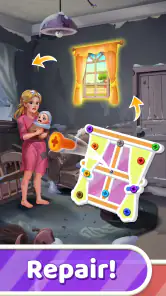
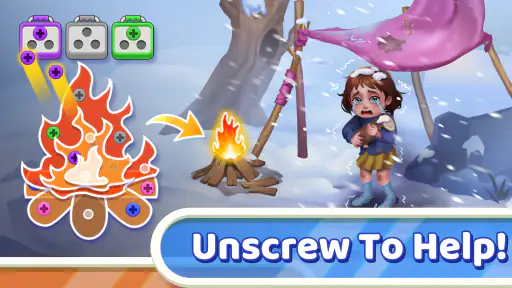
Screw Out Master: Story Puzzle isn’t your typical puzzle game. It brings a refreshing twist to the genre by mixing storytelling with challenging puzzles. You know, it's like reading a good book while solving puzzles - a double whammy for your brain. The game presents you with a series of mechanical puzzles that you need to solve in order to progress in the narrative. Each level is like a new chapter in a novel, filled with suspense and excitement.
Where a Puzzle Can Slow You Down
The central task is sorting screws, nuts, and bolts into the right boxes, so I’d approach each board as a small planning problem rather than a reflex test. Before making a move, look at which pieces are accessible and what space remains in the boxes. A quick move that seems obvious can leave you with fewer useful choices, so pausing to scan the whole layout is often more helpful than tapping quickly.
More From Our News Desk

Clash of Clans Is Won Between the Battles

Android Auto Makes the Case for Quieter Car Software

MobiOffice: Transforming Mobile Productivity with Seamless Integration

EA SPORTS FC™ Mobile Soccer: Redefining Mobile Sports Gaming

How Microsoft OneDrive Became a Mobile Productivity Giant

How Google Translate Breaks Language Barriers Effortlessly
That makes the game a good fit for short breaks: I can give a puzzle a few focused minutes, stop, and return when I have time. It is less suited to someone looking for fast action, competitive play, or a large variety of game modes. If you enjoy tactile sorting puzzles but want every level to be completely effortless, the need to think ahead may also feel like friction rather than fun.
The Addictive Gameplay
One thing you’ll notice is how addictive the gameplay is. I found myself saying “just one more level” more times than I can count. The controls are smooth and intuitive, making it easy for anyone to pick up and play. Plus, the difficulty level is just right. It’s challenging enough to keep you engaged but not so hard that you’ll want to throw your phone across the room.
That “one more” feeling is enjoyable, but I’d still treat the game as a deliberate break rather than something to open whenever I have a spare second. A puzzle that rewards attention is less satisfying if I keep glancing away from it. For an everyday routine, I’d choose a calm moment, play until I reach a natural stopping point, and put the phone aside rather than trying to squeeze in a move while doing something else.
Setup Checks and a Smoother Routine
Screw Out Master is a free casual game from Dragon Star. It was released on February 12, 2025, and version 1.1.5 supports Android 7.0 or later. Its Everyone age rating makes it broadly approachable, while optional in-app purchases range from $1.99 to $49.99 per item. I’d treat those purchases as a reason to check the cost carefully before confirming anything, especially if a child may play on the device; the game can be tried without paying upfront.
If a level seems stuck, I’d first check whether I have overlooked a piece or a box constraint, then make one deliberate move and reassess instead of repeating rapid taps. If the game itself stops responding, closing and reopening it is a sensible basic check; if the issue persists, checking that the app and device are running normally is a better next step than assuming the puzzle is impossible. This is practical troubleshooting, not a special in-game trick.
For someone deciding whether it will run on an older phone, the Android requirement is worth checking before installing: the supported minimum is Android 7.0. Beyond that basic compatibility check, I’d make sure the device has enough charge for the break I have in mind and that I can give the puzzle my attention. Those simple checks help separate a device or interruption problem from a board that just needs a more careful look.
The purchase range is another setup detail I would keep in mind in a shared household. Free to start does not mean every optional purchase costs the same, so I’d review the amount shown before confirming anything and make sure a child knows to ask first. If you prefer not to spend on a casual game, you can still try it without an upfront price; if you know you’ll be tempted by optional items, setting a clear personal limit before playing is a sensible boundary.
Visually Appealing Design
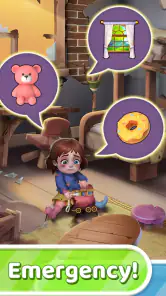
Visually, this game is a treat. The graphics are crisp and vibrant, making each puzzle a joy to solve. The developers have done a fantastic job creating a visually appealing environment that enhances the storytelling aspect. It’s one of those games where you can tell a lot of love and attention to detail went into the design.
For a realistic everyday use, I’d play a level while waiting for a friend or during a quiet break, rather than starting when I need to leave in seconds. A puzzle may take longer than expected if I stop to reconsider a move, and that is part of the appeal for someone who likes thoughtful sorting. Compared with endless runners or quick arcade games, this asks for more attention and offers a calmer, more deliberate rhythm; compared with a plain sorting puzzle, its narrative framing gives the progress a little more context.
That comparison helps clarify what kind of alternative to choose. If you mainly want something you can play with almost no planning, a quick arcade game may fit a very short wait better. If you enjoy the sorting itself but don’t care about story context, a more stripped-back puzzle could be a cleaner match. I’d choose this one when I want the physical logic of arranging pieces together with a sense of progression, rather than when I’m looking for variety or a rapid score chase.
The Storyline
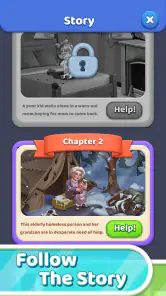
Now, let’s talk about the storyline. It’s not just there to fill space; it actually adds depth to the game. As you solve puzzles, you uncover more of the story, which keeps you hooked. It’s like peeling back layers of an onion, each layer revealing a little more about the characters and the world they inhabit. If you’re a fan of stories, you’ll appreciate the effort that’s gone into crafting this narrative.
I’d think of the story as a reason to keep moving through the puzzles, not as a replacement for a story-first adventure. The central activity remains sorting and planning, so someone hoping to spend most of their time reading, making dialogue choices, or exploring a large world may want a different kind of game. For me, the useful middle ground is that the narrative gives the puzzle sequence a thread to follow without changing the basic appeal of working through each board.
That balance also makes it easier to decide whether to keep playing after a difficult level. If I’m enjoying the sorting but don’t feel invested in the narrative, I can judge the game on the puzzle loop alone. If story progression is what keeps me curious, then the levels have a clear purpose beyond clearing a board. Either way, I’d avoid expecting a deep narrative game first; the puzzle is the main activity, with story as an added layer.
Who Should Give It a Try
The game has an average rating of 4.8 from around 37,000 ratings, with 1 million or more installs and 195 reviews. Those figures suggest it has found an audience, but they don’t tell me whether its particular mix of sorting and story will suit you. I’d recommend it to someone who likes methodical, compact puzzles and wants a casual game that can be picked up between other tasks. If you mainly want deep narrative choices, a complex mechanical simulator, or uninterrupted action, another kind of game will probably be a better match.
One useful habit is to take a moment at the start of a board to identify what can be moved safely, then avoid committing to a sequence just because the first move works. If you get interrupted, returning with a fresh look can be more effective than trying to remember a hurried plan. That small pause is especially useful when the board feels crowded: it turns the puzzle from trial-and-error tapping into a clearer sequence of choices.
I’d also recommend it to players who like low-pressure games but still want a task that rewards attention. It can fit a lunch break, a waiting room, or a quiet stretch at home, provided you can stop when you need to. I’d steer away if you want a game built around social competition, substantial customization, or continuous action; those expectations don’t line up with the compact sorting-and-story experience that makes this one appealing.
If you’re wondering whether you need to pay to get started, the game is free to try, with optional in-app purchases. If you’re wondering whether it suits a family device, its Everyone age rating is welcoming, but I’d still supervise purchases and make sure the person playing understands that optional items can have different costs. And if your main concern is getting past a stubborn board, my first move would be to slow down and check the available spaces before treating it as a technical issue.
My Practical Verdict
In conclusion, Screw Out Master: Story Puzzle is a must-have app for anyone who loves puzzles and stories. It’s a game that doesn’t just entertain; it immerses you in a world where every puzzle solved brings you one step closer to unraveling a captivating story. Trust me when I say, this isn’t just a game; it’s an experience. So go ahead, give it a try, and see for yourself why it’s quickly becoming a favorite among puzzle enthusiasts.
My recommendation is more specific than “for everyone”: I’d give it a try if arranging pieces, planning a few moves ahead, and earning progress through puzzles sounds satisfying. I’d skip it if I’m looking for a fast distraction that never asks me to pause, or if story-heavy decision-making is the main thing I want. The best way to approach it is with a little patience, a careful eye on the board, and realistic expectations about its focused style. For that kind of player, it makes a pleasant casual option for a short, thoughtful break.
Screw Out Master: Story Puzzle Frequently Asked Questions
Can I play Screw Out Master: Story Puzzle in short sessions?
Yes. Its central activity is sorting screws, nuts, and bolts into the right boxes, so it is easy to approach as a casual puzzle game rather than a long-form experience. You can focus on the level in front of you and work through its arrangement at your own pace. It may suit a quick break, as well as a longer session if you enjoy figuring out each puzzle.
Is Screw Out Master: Story Puzzle suitable for children?
The game is rated for Everyone, and its puzzle-focused premise is broadly suitable for players of different ages. Children who enjoy sorting and solving simple logic challenges may find the central task appealing. As with any game that offers optional purchases, parents may want to review their device’s purchase controls before handing it over, particularly if children can access payment methods.
What kind of game is Screw Out Master: Story Puzzle, and who makes it?
Screw Out Master: Story Puzzle is a casual game developed by Dragon Star. Its central task is to get screws, nuts, and bolts into the right boxes, making it a hands-on sorting puzzle for players who enjoy working out where each piece belongs. The game’s screw-based theme gives its puzzles a clear, focused objective.
What is Screw Out Master: Story Puzzle about?
Screw Out Master: Story Puzzle is a strategic puzzle game where players solve intricate puzzles by removing screws in the correct sequence. Each level presents a new challenge, and the storyline unfolds as you progress, offering a unique blend of brain-teasing puzzles and captivating storytelling. The game is designed to test your logical thinking and problem-solving skills.
Is Screw Out Master: Story Puzzle free to play?
Yes, Screw Out Master: Story Puzzle is free to download and play. However, the game may offer in-app purchases for players who wish to enhance their gaming experience with additional features, hints, or to remove ads. Players can enjoy the core gameplay without spending money, but optional purchases are available.
Pros
- Engaging puzzle challenges.
- Visually appealing graphics.
- Intuitive user interface.
- Regular updates with new levels.
- Free to play with optional purchases.
Cons
- Contains ads between levels.
- In-app purchases can be pricey.
- Some puzzles are too easy.
- Requires internet connection.
- Limited hints available.
- Category
- Casual
- Version
- 1.1.5