Plants vs. Zombies™ 2
- 200.55K
- 3.7
- Installs
- 10.00M
- Price
- Free
Screenshots
Analysis by Reviewed
I have always liked casual games that give me a useful five-minute break without demanding that I learn a complicated control scheme. Plants vs. Zombies™ 2 fits that mood well, but it is more than a simple time filler. Its familiar lane-based battles are easy to understand, while the steady arrival of new plants, zombies, worlds, and objectives gives me a reason to return. I can play a single stage while waiting for an appointment, then come back later when I have more time to experiment with a different team.
This is a free casual game from ELECTRONIC ARTS, rated Everyone, and it has been available since October 10, 2013. The current version is 13.3.1, and it runs on Android 7.0 or later. Its broad audience is easy to understand: the rules are approachable for younger players, yet the later battles ask for enough planning to keep experienced players involved. The game has passed 10 million installs, with a 3.7 average from roughly 671 thousand ratings, so it clearly has a large and active audience even though the experience is not universally loved.
How the early goals pull you into each stage
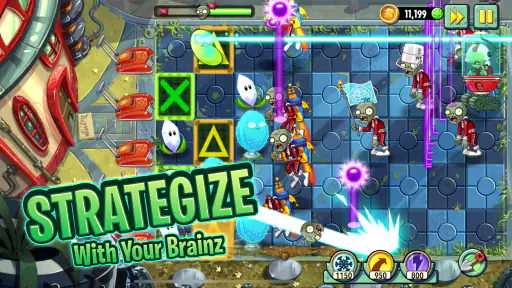
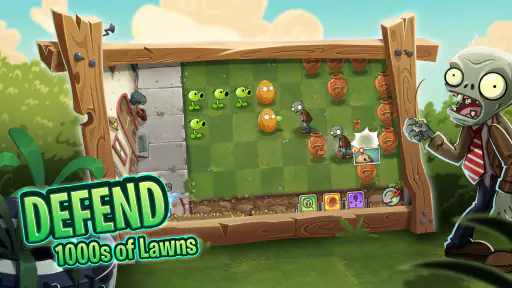
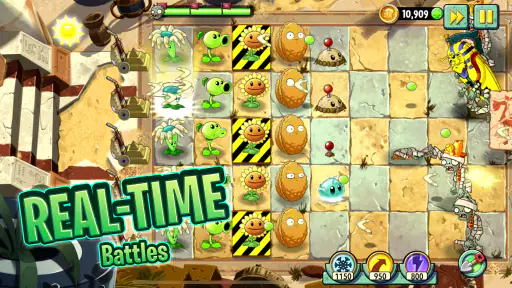
The opening hours work because the game explains itself through play instead of burying me under instructions. I place plants, watch how they behave, learn which threats need a particular response, and quickly see why a careless arrangement can collapse. The basic objective is immediately readable: protect the lawn, manage the available planting resources, and stop the advancing zombies before they reach the house.
That clarity creates small goals that feel satisfying. I may enter a level wanting only to survive, but soon I am thinking about finishing it with a stronger formation, saving a useful plant for a later wave, or handling a troublesome zombie without wasting my best option. The early stages are not merely tutorials; they establish the rhythm that makes the rest of the game work. I am always watching the board, choosing where to spend resources, and deciding whether to prepare for the next threat or solve the problem in front of me.
One useful habit is to avoid filling every available space immediately. A full lawn can look safe, but it can also leave me without room to respond when a new type of zombie appears. I get better results when I leave a little flexibility, especially in lanes that have not yet become dangerous. This is one of the first signs that the game has more tactical depth than its cheerful presentation suggests.
The early unlocks also give the campaign a sense of movement. New plants change the questions I ask during a level, while new zombies force me to reconsider strategies that worked a few minutes earlier. I enjoy that kind of progress because it is practical rather than decorative: an unlock is valuable when it changes how I approach the board. The game does not need a complicated role-playing system to make advancement noticeable. A new tool can be enough to make a familiar-looking challenge feel different.
For a younger player, the visual style and simple controls make the first steps welcoming. For an adult who has played similar tower-defense games, the attraction is less about discovering the controls and more about seeing how quickly the game introduces combinations and pressure. I would recommend starting without rushing through every stage. Taking a moment to understand what each plant contributes usually pays off more than repeatedly reacting after the zombies are already at the defenses.
Progress feels clearest when I use unlocks as experiments
The strongest progress signal is not just moving from one level to another. It is the moment when I realize that a plant I had ignored solves a problem better than my usual favorite. I often return to a stage with a different lineup simply because I want to test whether a more focused approach is safer. That experimentation keeps the campaign from becoming a routine exercise in repeating the same placement pattern.
I also like that failure can be informative. When a stage goes badly, I can usually identify the mistake: I spent too much too early, neglected a lane, misunderstood a zombie’s behavior, or relied on one plant for a job it could not handle alone. That makes a retry feel worthwhile rather than arbitrary. The game rewards attention, and the feedback is generally immediate enough for me to connect a decision with its consequence.
My practical advice is to treat each new plant as a question rather than an automatic upgrade. Ask what problem it solves, which lane benefits from it, and whether it works best as an opener, a defensive measure, or a response to a particular threat. This approach makes the progression feel richer and reduces the temptation to choose a lineup simply because it was successful in the previous stage.
There is also a useful distinction between unlocking something and mastering it. A new plant may look powerful in isolation, but its real value depends on timing and placement. Some choices are better when I am under immediate pressure, while others pay off only if I prepare the board first. Learning that difference is where much of the game’s long-term appeal comes from.
Challenge, pacing, and the pressure to keep playing
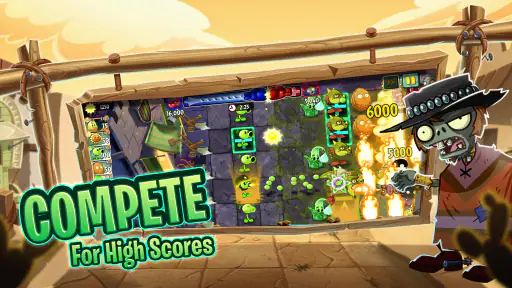
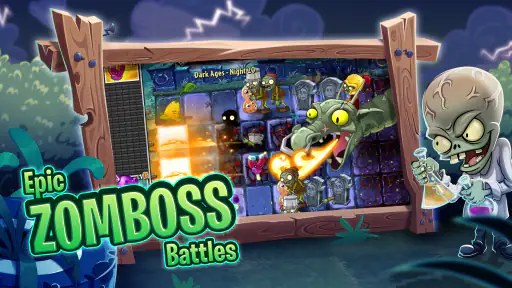
The difficulty curve is at its best when it asks me to adapt instead of merely giving the zombies more strength. A stage becomes interesting when it changes the space I can use, introduces a threat that interrupts my usual plan, or forces me to protect several lanes at once. Those moments make the game feel like a puzzle with moving parts. I am not only choosing plants; I am managing timing, available space, and the risk of being caught unprepared.
That said, the pacing is not perfectly smooth for every player. A level can feel comfortable until one new obstacle exposes a weakness in my preferred strategy. If I have been relying on one dependable setup, the sudden need to change can feel less like a gradual lesson and more like a wall. I appreciate the challenge, but I also understand why some players may find the transition frustrating, particularly if they prefer a relaxed game with little trial and error.
The best way through those moments is to slow down rather than immediately spend more resources. I look at which lane failed first, identify the zombie that caused the collapse, and adjust only the part of the lineup that needs changing. Rebuilding the entire strategy every time can make the game feel more chaotic than it really is. Small, deliberate changes usually reveal whether the problem was poor timing, weak defense, or an unsuitable plant choice.
Playing in short sessions works surprisingly well. A single level can provide a complete little challenge, and I do not need to remember a complicated control layout after putting the phone away. In an everyday situation, I might play one stage during a commute or while waiting for food, stop after a loss, and return later with a clearer plan. That convenience is a genuine strength for a casual game, because the structure rarely makes me feel that I must dedicate a long uninterrupted block of time.
On the other hand, the same structure can encourage “just one more attempt” behavior. A near miss makes the next try feel almost mandatory, especially when I believe a small change will be enough to win. That loop is enjoyable when I am choosing to continue, but it can become tiring if I am playing from habit rather than interest. I recommend setting a natural stopping point after a successful stage instead of automatically starting another one.
The game includes in-game purchases ranging from $0.99 to $99.99 per item, and its store summary explicitly notes random items. That matters when deciding whether it is suitable for a child or for someone who wants a completely predictable free experience. I can enjoy the basic game without treating purchases as part of every session, but the presence of paid options means I would use the device’s purchase controls and discuss spending expectations before handing it to a younger player.
For me, the purchase design is the main source of friction rather than the core play itself. Players who dislike any form of monetization pressure may prefer a premium casual game with a single upfront cost. Players who are comfortable ignoring optional spending can still find plenty to do, but they need to be disciplined about not confusing a moment of frustration with a reason to buy something. That distinction is especially important when a difficult stage interrupts the otherwise steady feeling of progress.
Who gets the most from the progression
I think this game is a strong match for players who enjoy visible advancement, light strategy, and repeated attempts with small improvements. It is also a good choice for families looking for something that is easy to explain but not completely mindless. The cartoon presentation keeps the tone playful, while the board gives attentive players enough decisions to make each wave matter.
It is less suitable for someone who wants a calm game with no sudden difficulty changes, no purchase prompts, and no pressure to revisit a stage. It may also disappoint players who prefer direct action, character movement, or a story that takes center stage. Compared with a simple match-three game, this offers more planning and more consequences for poor timing. Compared with a traditional premium tower-defense title, it is easier to pick up and better suited to short sessions, but the free-to-play structure can feel less clean and predictable.
Another trade-off is replay motivation. If I enjoy testing formations and improving my decisions, the stages have lasting value. If I only want to clear each level once and move on, the repeated defensive structure may eventually feel familiar. The game’s retention comes from changing the tactical problem and the available tools, not from pretending that every round is a completely new genre of experience.
A sensible way to play without losing the fun
I get the most from it when I use a simple routine. First, I check what the stage is likely to demand instead of selecting plants automatically. Then I keep one response available for emergencies, rather than spending everything during the opening moments. Finally, after a failed attempt, I change one or two decisions and test the result. This keeps the learning process clear and prevents the board from becoming a frantic series of guesses.
I also recommend separating progress goals from perfection goals. Clearing a stage is one objective; clearing it with a more efficient lineup is another. Trying to achieve both immediately can turn a light game into a source of unnecessary irritation. When I focus on survival first, I learn the pattern of the level. On a later attempt, I can pursue a cleaner result with much less pressure.
Players wondering whether they need an internet connection, a powerful phone, or a high level of gaming experience should find the basic entry point reassuring: the controls are simple, the age rating is Everyone, and Android support begins with version 7.0. The more important question is personal tolerance for repeated tactical attempts and optional purchases. Those factors will shape the experience more than technical complexity.
I would also avoid judging the whole game by the first few stages. The opening is deliberately accessible, and its real value becomes clearer when the game starts asking me to combine tools rather than use them one at a time. Conversely, I would not recommend buying anything simply because a later challenge feels inconvenient. I prefer to treat the free progression as the test: if the basic loop is not enjoyable on its own, spending will not fix that problem.
My verdict on the long-term progression
Plants vs. Zombies™ 2 succeeds because its goals are easy to understand but rarely stay completely static. I begin by trying to survive, then start thinking about efficient layouts, timing, counters, and alternative lineups. Unlocks matter because they alter my decisions, and difficulty is most rewarding when it exposes a weakness I can solve through better planning rather than simple repetition.
The pacing is strongest for people who enjoy short sessions and gradual mastery. I can make progress in a few minutes, pause without losing the thread, and return when I feel ready to try again. The game’s casual category is accurate, but that label should not be mistaken for a total lack of challenge. Some stages demand concentration, and the most satisfying wins usually come after I understand why the previous attempt failed.
My reservations are clear. The difficulty can become uneven, repeated attempts may test the patience of players who want a smooth ride, and the combination of in-game purchases with random items will not appeal to everyone. The free price is inviting, but I would not describe the overall experience as completely frictionless. Families should pay attention to spending controls, and players who strongly prefer premium games may be happier elsewhere.
Even with those limitations, I keep returning because the central loop remains readable, flexible, and genuinely entertaining. I can play casually, or I can examine the board closely and look for a smarter answer. For anyone who wants a colorful mobile strategy game with approachable rules, meaningful unlocks, and enough challenge to reward attention, I think it is worth trying. Just approach the progression on your own terms, use the free experience to decide whether the rhythm suits you, and remember that the best improvement usually comes from changing your plan rather than reaching for a purchase.
Pros
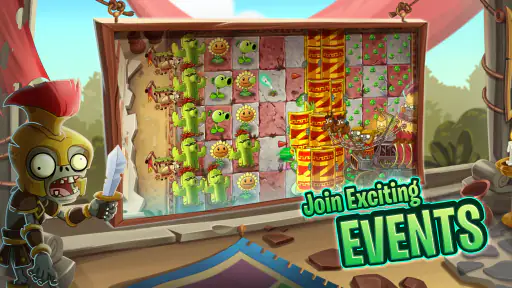
- Free-to-play with plenty of content and regular events.
- Easy controls make it accessible for casual players.
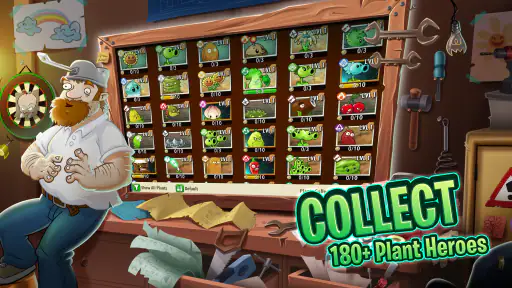
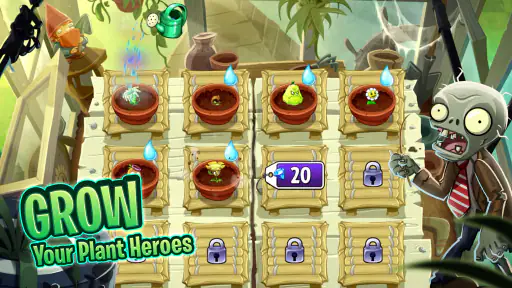
- Many plants offer varied strategies and team combinations.
- Works well in short sessions on mobile devices.
- Frequent updates can add new plants
- levels
- and challenges.
Cons
- Progress can feel slow without spending premium currency.
- In-app purchases may affect the pace of progression.
- Some levels rely heavily on specific plant choices.
- Difficulty spikes can make later worlds frustrating.
- Requires a stable connection for certain features and events.

- Category
- Casual
- Version
- 13.3.1