Paws & Pastries: Merge Café
- 35.00
- 3.6
- Installs
- 10.00K
- Price
- Free

Screenshots

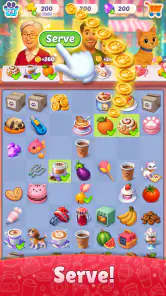



Analysis by Reviewed
Paws & Pastries: Merge Café is the kind of casual game I can imagine opening while waiting for coffee, riding the bus, or taking a short break between tasks. Its central idea is easy to understand: combine items, improve a café, help animals, and follow a romantic storyline. That combination gives the game a warmer personality than a plain merge board, but it also creates a question that matters more than the first pleasant session: does the café remain interesting once the initial charm wears off?
My overall experience is that TreesPlease Games Ltd has built an inviting, low-pressure starting point for players who enjoy gentle progression rather than reflex challenges. The game is free to begin, suitable for Everyone, and sits comfortably in the casual category. It is currently at version 1.7.2 and requires Android 9 or later, so it should fit many relatively recent devices. I would recommend trying it if you like tidy visual goals, light narrative motivation, and the satisfaction of turning small combinations into visible improvements.
At the same time, I would not describe it as a universally compelling long-term game. Its appeal depends heavily on how much patience you have for repeated merging, waiting, and incremental rewards. Players who want deep café management, fast action, or a story that carries the entire experience may find the loop too modest. The real strength here is its relaxing routine, not complexity.
Why the opening week feels so welcoming
A simple loop with several reasons to keep playing
The first sessions are effective because the game gives the merge mechanic more than one purpose. I am not combining objects simply to clear space. The results connect to a café, animal rescues, and a romance thread, so each small action feels attached to a larger personal project. That layering is important: even when the board activity is familiar, the surrounding goals make the next task feel more meaningful.
I especially like this structure for short play sessions. I can make a few combinations, check what the café needs, and stop without feeling that I have abandoned a complicated simulation. The game does not demand the concentration of a puzzle title built around perfect moves. Instead, it rewards noticing opportunities and gradually organizing the available space.
The café theme also gives the progression a clear visual direction. Improving a place is easier to care about when the setting feels cozy and inhabited, and the animal-rescue angle adds emotional variety to what could otherwise become a purely decorative upgrade path. The romance element gives story-minded players another reason to continue, although players should approach it as a supporting layer rather than expecting a full standalone dating game.
What I would do differently from a new player
My most useful early tip is to avoid merging automatically just because two matching pieces appear. I found it more satisfying to pause and consider what the next task is asking for. A quick combination may be harmless, but careless board use can make the play area feel crowded and reduce the number of useful choices later. Even in a relaxed game, a little planning makes the session smoother.
I would also treat the café requests as a guide rather than a command to spend every available resource immediately. When several objectives are visible, I prefer working toward the one that opens the clearest next step. This approach reduces the feeling of bouncing between unrelated errands and makes the progression feel more deliberate.
Another practical habit is to play in small, repeatable windows instead of trying to force a long session. The design suits a quick check-in better than an extended evening of uninterrupted play. If I approach it as a calm daily ritual, the modest actions feel rewarding. If I expect constant novelty for an hour, the repeated board work becomes much more noticeable.
Who is likely to enjoy the beginning
This is a good starting choice for someone who likes merge games but wants a friendlier setting than a purely abstract board. It may also suit players who enjoy decorating or restoring spaces, provided they are comfortable with progress arriving through repeated combinations rather than direct building controls.
Families should find the Everyone content rating reassuring, though the game’s appeal still depends on personal taste. Younger players may enjoy the animals and colorful café theme, while adults may be more interested in the relaxing rhythm and story prompts. I would keep an eye on purchase settings if children use the device, because optional in-app items range from $0.99 to $99.99 per item. That range is worth taking seriously even when the game itself costs nothing to start.
The game is less suitable for anyone looking for a competitive challenge, a detailed restaurant simulator, or a puzzle system that keeps introducing difficult new rules. Its opening is approachable precisely because it does not overwhelm the player. That accessibility is a benefit, but it also establishes a relatively gentle ceiling for complexity.
What remains valuable after the novelty fades
The month-to-month question
After the first week, the important issue is whether the combination of café improvement, animal help, and romance continues to provide distinct motivation. In my view, the game has a reasonable chance of becoming a pleasant recurring habit for players who enjoy visible, gradual progress. The loop is easy to resume, and the setting gives ordinary tasks a little emotional context.
However, long-term value is more personal here than in games built around mastery. There is no obvious reason for a player who dislikes repetition to stay simply because the theme is charming. Once the café’s novelty becomes familiar, the pleasure comes from routine: checking the board, making sensible combinations, completing the next request, and seeing the setting move forward. If that rhythm feels comforting, the game can earn regular space on a phone. If it feels like housekeeping, interest may disappear quickly.
The romance storyline can help with this transition because it gives progress a human thread rather than leaving every reward as a visual upgrade. The animal-rescue focus serves a similar purpose. Still, I would not rely on either element alone to carry long-term engagement. Their value depends on how well the player connects with the tone and whether the merge tasks remain enjoyable enough to reach the next story or café moment.
How it compares with familiar alternatives
Compared with a traditional match-three game, this title feels less focused on immediate tactical pressure. A match-three alternative is usually better when I want quick decisions, chain reactions, or a clear score-based challenge. Paws & Pastries: Merge Café is better when I want a slower sense of ownership over a place and a reason to care about what the next collection supports.
Compared with a dedicated restaurant-management game, it is much easier to pick up but much less likely to satisfy someone who wants menus, staffing, supply decisions, or detailed financial planning. The café is primarily part of the progression fantasy, not a demanding business simulation. That distinction matters. I would choose this game for atmosphere and gentle objectives, not for managerial depth.
Against other merge-focused games, its strongest differentiator is the combination of the café setting with animal rescue and romance. Those themes make the board feel connected to a small world rather than an endless stream of identical objects. The trade-off is that players who prefer pure merge optimization may find the extra narrative layers unnecessary.
Three habits that improve the long-term experience
First, I would keep each session goal narrow. Rather than trying to advance every part of the game at once, I choose one practical target, such as making progress toward a café request or creating room on the board. This prevents the game from turning into a vague checklist and makes short sessions feel complete.
Second, I would resist spending simply to remove a moment of inconvenience. The free-to-play structure means optional purchases are present, and the broad price range makes impulse decisions especially important. Waiting, returning later, or accepting slower progress is often the better test of whether I genuinely enjoy the underlying loop. If the game only feels good when friction is paid away, that is useful information about its long-term fit.
Third, I would judge the game by its repeatability rather than by its most charming early scenes. A rescue moment or romantic development can provide a welcome lift, but lasting value comes from whether the ordinary merging between those moments remains pleasant. This is the best way to decide whether it belongs in a regular rotation instead of being a one-week curiosity.
Where the routine starts to feel like maintenance
The burden of returning to the board
The same accessibility that makes the opening comfortable can create a maintenance burden later. Merge games often ask the player to revisit a board, sort through available pieces, and gradually work toward requested results. That can be satisfying when I am in the mood for order. On a busy day, it can feel like another small obligation competing for attention.
I would not call the game demanding in the way an action title can be demanding, but low intensity does not mean zero effort. The player still needs to remember what they were working toward and decide which combinations are worth making. If the board becomes visually busy, the mental task shifts from discovery to tidying. That transition is where some players will begin to lose interest.
The best way to reduce this friction is to stop before the board becomes a chore. I prefer ending a session after completing a clean objective rather than continuing until every possible move is exhausted. Leaving with a clear next step makes returning easier and protects the relaxing quality that attracted me in the first place.
Sources of fatigue
The main source of fatigue is repetition without enough personal variation. Combining objects can feel satisfying for a while, but the action itself does not automatically become deeper with time. The café, rescue, and romance elements need to keep giving the routine context. When they do, the repetition feels purposeful; when they do not, the board can feel like busywork.
Another possible frustration is the tension between free access and optional spending. The game is free, which makes it easy to try, but the presence of purchases means players need to decide what kind of experience they want. Someone who is happy to progress slowly may have a comfortable time. Someone who wants immediate completion or dislikes waiting may feel pressure to spend, especially when a desired improvement is close but not yet available.
I also think the game can disappoint players who interpret “café” too literally. The theme suggests a management experience, but my recommendation is based on its merge-and-progress identity. If your ideal café game involves balancing a menu, handling customers, and making strategic business choices, another category would serve you better. Here, the café is the emotional home for the progression rather than the entire mechanical focus.
Device fit, audience, and practical expectations
With Android 9 as the minimum operating system, the game is aimed at a broad modern Android audience rather than only the newest phones. I would still expect the usual differences between devices, especially when playing for longer periods, but the stated requirement is not unusually demanding. The Everyone rating also makes the tone approachable for a wide range of players.
The game has an average rating of 3.6 from around 96 ratings, with around 35 written reviews, and it has passed 10K installs. I read that as a sign of a small but real audience rather than proof that the game will suit everyone. The numbers suggest enough interest to justify trying it, while the middling average is a useful reminder to keep expectations measured. I would install it for the concept and atmosphere, not because the rating promises a universally polished experience.
Its release on Jan 26, 2026, also places it in an early stage of its life as a game. That makes the current version, 1.7.2, relevant for anyone deciding whether to start now, but I would still evaluate it on what is enjoyable today. A future update may change the balance or add content, yet a player should not need to imagine an entirely different game in order to appreciate the present one.
My long-term verdict on the café
I enjoyed Paws & Pastries: Merge Café most when I treated it as a gentle check-in game rather than a primary gaming destination. The combination of merging, café improvement, animal rescues, and romance gives the familiar mechanic a softer identity. It is easy to understand, friendly in tone, and well suited to players who want progress without pressure.
Its lasting value depends on tolerance for repetition. The game earns a permanent place for me only when I am looking for a calm routine with small goals. It does not earn that place when I want demanding strategy, substantial simulation, or constant mechanical surprise. The difference is not a flaw so much as a clear boundary around what this game is trying to be.
I would recommend giving it a fair trial if you like cozy merge games and enjoy seeing a themed setting develop over time. Start without spending, use short sessions, and pay attention to how the ordinary board work feels after the first excitement. If the routine still feels pleasant, the café can become a comforting daily habit. If it already feels like maintenance, the romance and rescue themes probably will not be enough to change your mind.
For me, the final judgment is cautiously positive: this is a pleasant free casual game with a distinctive emotional mix, but not an endlessly deep one. Its best feature is the way it turns simple merging into a small story about building a welcoming place. Its biggest weakness is that the same simple loop may eventually ask for more patience than some players want to give. That makes it worth downloading for the right audience, while making it easy to skip if you are searching for a richer or more demanding café experience.
Pros
- Relaxing merge gameplay suited to short
- casual sessions.
- Café renovations provide a clear sense of progression.
- Cute animal characters add charm and personality.
- Simple controls make it accessible for younger players.
- Offline play may be convenient when an internet connection is unavailable.
Cons
- Energy limits can interrupt longer play sessions.
- Progress may feel slow without spending premium currency.
- Repeated merging tasks can become predictable over time.
- Some rewards and upgrades may require frequent check-ins.
- Ads or in-app purchases can affect the otherwise relaxing experience.

- Category
- Casual
- Version
- 1.7.2