Lucky Spin Joy
- 86.00
- 4.1
- Installs
- 10.00K
- Price
- Free

Screenshots

Analysis by Reviewed
I approached Lucky Spin Joy as a short-session casual game rather than something designed to replace a deeper strategy title. Its appeal is immediate: open the colorful lobby, choose between slot-style play, scratch cards, and bonus wheels, then enjoy a few quick rounds whenever I have a spare moment. That simple loop is exactly why it can work well, but it also sets clear expectations. This is a light entertainment app, not a game I would choose for a long campaign, demanding progression system, or competitive challenge.
Developed by Zhuoyu Jee Limited, the game is free and aimed at players aged Everyone 10+. It runs on Android 8.0 and later, and the current release is version 2.0.9. The store presents it as “Lucky Spin Joy,” while the full experience is built around a bright lobby that brings its different luck-based activities together in one place.
How the lobby feels in everyday use
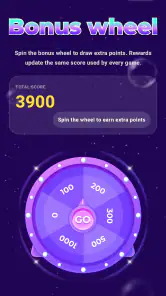
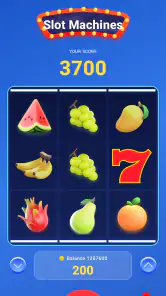
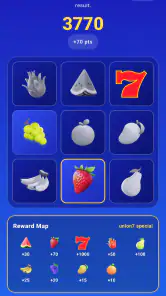
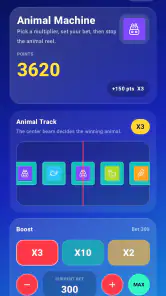
My normal session starts with the lobby rather than a complicated tutorial. That matters because the game is easiest to understand when I treat the front screen as a menu for choosing my mood. If I want something that feels continuous, I move toward the slot-style activity. If I prefer a single quick reveal, the scratch-card option is more suitable. The bonus wheel adds another short interruption, especially when I do not want to settle into a longer sequence of plays.
This makes the game a reasonable companion for small gaps in the day. I can imagine opening it while waiting for a friend, taking a short break from work, or relaxing for a few minutes before bed. The important point is to keep the session deliberately small. The lobby encourages switching between activities, so a player who starts without a stopping point may spend longer browsing and tapping than originally intended.
I found the colorful presentation useful for navigation. Each activity has a distinct identity, which makes the lobby easier to scan than a plain list of buttons. At the same time, the visual energy can make every option feel equally urgent. My practical habit is to decide what I want before tapping: one wheel, a few scratch cards, or a brief slot session. That simple rule keeps the experience casual instead of letting the menu dictate the whole break.
The three activities also serve different kinds of patience. Scratch cards are the most direct because the action is easy to understand and the result arrives quickly. The wheel is similarly compact, but its appeal comes from the anticipation of a single spin. Slots feel more repetitive by comparison, which may suit someone who enjoys a familiar rhythm but may feel thin to players who expect decisions to shape the outcome.
The best way to use this game is as a controlled burst of entertainment, not as a progression project. That distinction is more important here than any individual visual effect. Players who enjoy colorful luck-themed mini-games will find the structure approachable. Players looking for a story, character development, puzzles with lasting consequences, or skill-based competition should adjust their expectations before installing it.
A repeatable routine for short sessions
My most comfortable routine is to begin with the activity that matches the time available. With only a minute or two, I choose the wheel or a scratch card. With a little more time, I try the slots and then return to the lobby rather than continuing automatically. This creates a natural checkpoint and makes it easier to stop without feeling that I have abandoned an unfinished level.
Another useful habit is to alternate activities instead of repeatedly choosing the most visually prominent one. The change keeps the session from becoming monotonous, and it lets me decide whether I actually enjoy the different formats rather than assuming the whole game feels the same. I would not call this a hidden feature; it is simply a better way to use the lobby’s structure.
For an everyday example, I might open the game during a bus wait with a clear five-minute limit. I would start with a scratch card, try one wheel spin, and only then decide whether the slot activity is worth the remaining time. If the first two options already delivered the quick distraction I wanted, I would close the app there. This approach makes the game feel lighter and avoids turning a small break into an aimless session.
Settings and practical checks before playing
There is no reason to treat the settings area as an afterthought in a game built around repeated taps. Before settling into regular use, I would open any available in-game settings and check the basic presentation controls, especially sound and notification-related choices if they are offered on the device. I would also check the phone’s own notification permissions and sound profile. That is a practical step because a colorful casual game can be enjoyable with sound during a break but distracting in a quiet place.
I would also confirm that the app is running comfortably on the device before judging the game too quickly. Since it supports Android 8.0 and later, older compatible phones may provide a different experience from newer hardware. If the lobby feels slow, I would close other demanding apps, make sure the operating system is not busy with an update, and try again before assuming the game itself is the problem.
Keeping the game updated is sensible as well. The current version is 2.0.9, so players who installed an earlier build should use the latest available release for their device. I would not expect an update number alone to transform the design, but staying current can reduce avoidable friction and ensures that the interface I am describing is closer to what new players see.
One setting-related trade-off is visual intensity. The bright lobby is part of the identity, but it may not suit someone who prefers subdued interfaces. If the game offers display or animation controls, I would use them to reduce distractions. If it does not, the practical alternative is to play in shorter bursts and avoid using it when I need a calm, low-stimulation screen.
Faster patterns for moving through the activities
Experienced use here is less about discovering a secret strategy and more about reducing unnecessary decisions. I keep the lobby as my reset point, choose one activity, complete the small action I came for, and return to the lobby. That pattern is faster than wandering between screens while trying to remember what I intended to do.
For scratch cards, I would treat each card as a complete unit rather than opening several at once without paying attention. That makes the reveal feel more deliberate and helps me stop after a chosen number. For the wheel, I would decide in advance whether I am making one spin or a short series. For slots, I would set a personal endpoint before starting, such as leaving after a brief run or once the repetition stops being entertaining.
These habits are especially useful because the activities are based on luck rather than player mastery. There is no sensible reason to chase a result by changing taps, timing, or screen order. The faster pattern is to avoid pretending that a different gesture can control a random-feeling outcome. I enjoy the anticipation more when I accept that the value is in the moment of play, not in inventing a system that the game has not established.
I also recommend separating “I want a quick distraction” from “I want to keep playing.” Those are different needs. The wheel and scratch cards serve the first one better, while the slots are more appropriate when I want a repeated rhythm. Choosing based on purpose prevents the game from feeling repetitive simply because I selected the wrong activity for my mood.
Where the design reaches its limits
The main limitation is depth. The lobby offers variety in format, but the activities remain variations on luck-based entertainment. I would not install this expecting a sophisticated economy, carefully balanced choices, or a long-term skill curve. The game’s strength is accessibility, and that same simplicity limits how much it can reward repeated expert play.
Another limitation is that the three options may not feel equally satisfying to every player. Someone who likes instant reveals may prefer scratch cards, while someone who needs meaningful interaction may find them too passive. The slot-style activity provides a more continuous loop, but repetition can become noticeable if I play for too long. The wheel is an effective quick option, yet a single-action format naturally has less room for personal expression.
This is also not the right choice for a player who wants a game where careful planning reliably improves results. A puzzle game, management title, or skill-based arcade game would be a better fit for that person. Those alternatives give the player more control over success, whereas Lucky Spin Joy is primarily about choosing an activity and enjoying its reveal.
I would be equally cautious about recommending it to someone who dislikes chance-centered mechanics in general. The bright presentation may make the experience feel friendly, but it does not change the underlying structure. If the appeal of a game depends on exploration, narrative, or measurable improvement, this lobby may feel shallow rather than relaxing.
Parents should also consider the Everyone 10+ content rating when deciding whether it suits a younger player. The rating is part of the game’s official positioning, so I would use it as a reminder to make the choice based on the child and the household’s preferences rather than assuming that a colorful design automatically makes it appropriate for everyone.
How it compares with familiar casual alternatives
Compared with a traditional single-mode casual game, this one offers convenience through its lobby. I do not need to commit to one format before opening it; I can move between slots, scratch cards, and a wheel. That makes it more flexible than a game built around one repeated mechanic, especially when my available time changes from one session to the next.
Its trade-off is that the variety is broad rather than deep. A dedicated scratch-card game might make that one interaction feel more polished or substantial, while a dedicated slot-style game may provide a more focused rhythm. A puzzle title would usually offer more meaningful decisions, and an arcade game would give reflexes a larger role. Lucky Spin Joy sits between these alternatives as a compact collection of luck-themed diversions.
That positioning makes the free price important for first-time users. There is little commitment in trying it as a brief, casual download, but “free” should not be confused with unlimited personal value. If I stop enjoying the loop after a few sessions, the fact that I did not pay does not make the time worthwhile. I judge it by whether the lobby gives me the kind of short break I wanted.
The game has reached over ten thousand installs, with an average rating of 4.1 from around four hundred ratings and roughly eighty reviews. Those figures suggest that it has found an audience, but I would still treat the numbers as a starting point rather than a guarantee that its simple format will suit me. The more useful question is whether I want quick luck-based activities or a game that asks more from me.
Who will enjoy it most
I would recommend it to someone who likes colorful interfaces, quick reveals, and switching between compact activities without learning a complicated system. It is particularly suitable for casual players who want something easy to pick up and put down. The lack of a demanding opening makes it approachable when I do not have the patience for tutorials or a long explanation.
It can also work for players who enjoy building small personal routines around their apps. I might use the scratch-card option for a quick break, the wheel when I want one clear action, and the slots only when I have enough time for repetition. That division gives the lobby a little more practical value than simply tapping whatever appears first.
I would skip it if I were searching for a game to master over weeks, a story to follow, or a competitive activity where my decisions strongly affect the result. I would also skip it if repeated chance-based outcomes tend to encourage me to play longer than planned. In that situation, a finite puzzle or a level-based arcade game would provide a clearer stopping point and more control.
My verdict after settling into its rhythm
Lucky Spin Joy succeeds when I use it for what it is: a free, colorful casual game that gathers slots, scratch cards, and a bonus wheel into one accessible lobby. I like the ability to choose the format that matches my available time, and the simple interface makes it easy to begin without preparation. The most satisfying sessions are short, intentional, and built around one activity at a time.
Its weaknesses are just as clear. The variety does not automatically create deep gameplay, and players who need skill, story, or long-term progression may lose interest quickly. The game also benefits from personal limits because its repeated actions can blur together when I keep going without a plan.
For me, the deciding factor is whether I want a tiny burst of colorful chance-based entertainment. If the answer is yes, I would give it a try, keep the lobby routine simple, check the device and notification settings, and use a natural stopping point after each activity. If I want a richer game with more control over outcomes, I would choose a puzzle, arcade, or strategy alternative instead. That makes this a modest but useful recommendation for the right kind of break, rather than a universal pick for every mobile player.
Pros
- Simple spin-based gameplay that is easy to understand from the first launch.
- Short rounds make it convenient for quick entertainment breaks.
- Bright visuals and lively effects give the game an appealing presentation.
- Progression rewards encourage regular play without requiring long sessions.
- Runs well for casual players looking for a lightweight gaming experience.
Cons
- Gameplay can become repetitive after extended play sessions.
- Reward outcomes may depend heavily on luck rather than player skill.
- Frequent ads can interrupt the flow
- especially between spins.
- Some rewards or features may require in-app purchases to access fully.
- An internet connection may be needed for certain functions or rewards.

- Category
- Casual
- Version
- 2.0.9