Lords War
- 53.00
- 4.5
- Installs
- 50.00K
- Price
- Free

Screenshots
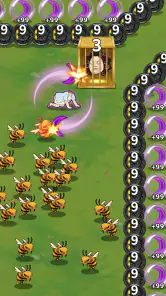
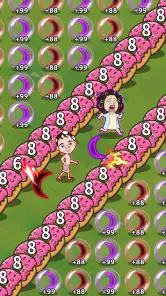
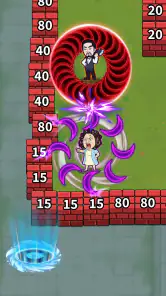
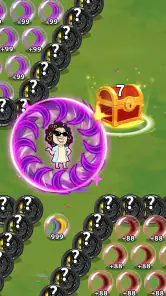
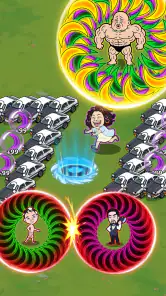
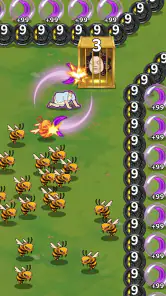
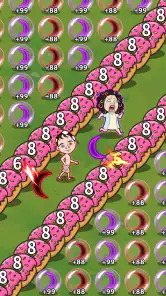
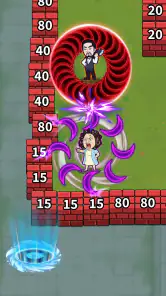
Analysis by Reviewed
I went into Lords War expecting a quick casual game, and that is still the best way to understand it. Its store summary, “Nimble moves, big catches!”, points toward short bursts of action rather than a long, complicated strategy experience. The store also describes it as “Lords War,” while the game itself is presented under the name Lords War. My overall impression is that it is easiest to enjoy when I treat it as a pick-up-and-play title: open it, settle into the controls, play for a while, and stop before the repetition starts to feel like work.
That simple approach matters because the game is not aimed at everyone. If you want a deep campaign, a carefully explained competitive system, or a large amount of story, this casual release may feel too light. If you want something approachable for a spare moment, it has a more convincing case. It is free to install, suitable for Everyone, and developed by K3GAMES. The current version is 1.1.12, and it runs on Android 6.0 or later.
Getting past the first points of friction
The first place I would expect players to get stuck is not necessarily inside a difficult stage. It is the basic transition from installation to a comfortable first session. A casual game should feel immediate, but any title can seem awkward if the initial launch is interrupted, the device is low on space, or the connection changes while the game is opening. I would begin with a stable connection, close demanding apps, and give the first launch a moment rather than repeatedly tapping the screen.
That advice sounds ordinary, but it prevents a common mistake: assuming that every delay is a game problem. On an older phone, the installation may complete while background processes still compete for memory. On a newer phone, aggressive battery management can interrupt an app that has only just opened. Restarting the game after clearing those distractions is a more useful first test than immediately reinstalling it.
I also recommend checking the device before blaming the controls. The minimum operating-system requirement is Android 6.0, so a compatible phone is necessary, but compatibility alone does not guarantee a smooth session. Screen responsiveness, available storage, heat, and other active apps can all affect how a fast casual game feels. When timing is important, even a small delay can be mistaken for a weak control scheme.
Because Lords War is free, the initial decision is easy: there is no purchase required just to try it. The more important decision comes later, when optional purchases appear in the experience. The listed in-app purchase range runs from $0.99 to $99.99 per item. I would therefore decide on a spending limit before playing, especially if the device is shared with a child. The Everyone rating makes it broadly accessible, but it does not remove the need for sensible purchase controls.
Small setup checks that improve a short session
Before judging the game, I would make three quick checks. First, I would confirm that the phone is using the intended display orientation and that no floating panel, notification shade, or accessibility overlay is covering part of the screen. Second, I would test a few taps slowly before attempting faster movement. Third, I would play the opening session with the phone held in the position that feels most stable, rather than changing grip every few seconds.
These checks are especially useful for a game built around nimble movement. A player may think the game is ignoring input when the real problem is a thumb landing too close to an edge, a screen protector reducing sensitivity, or an accidental swipe beginning outside the active play area. I would not make a purchase or leave a rating until I knew the issue was repeatable under normal conditions.
Another practical point is patience after an update. The current version, 1.1.12, is the version I would use as the baseline when troubleshooting. If the game behaves differently after updating, I would close it completely and launch it again before changing device settings. That simple reset often separates a one-time startup hiccup from a persistent problem.
Recovering a session without making the problem worse
When a session stops responding, my recovery order would be conservative. I would wait briefly, leave the game, reopen it, and check whether the same behavior happens again. If the problem continues, I would restart the phone and make sure the operating system is not busy installing another update. I would avoid clearing app storage as a first reaction because that can remove local progress or preferences, depending on how the game handles saved information.
Reinstalling is also not my first choice. It may solve damaged local files, but it can create a second problem if progress is not linked to an account or stored remotely. Since the game’s most important appeal is quick access to a casual session, I would only take that step after trying a normal restart and confirming that I am comfortable with the possible loss of local state.
If a purchase appears to have failed, I would not immediately buy the same item again. I would first check the device’s purchase history, reopen the game, and allow time for the transaction to refresh. Repeatedly pressing a purchase button can create confusion even when the original request is still being processed. Keeping receipts and noting what happened is also useful if a platform support process becomes necessary.
For a child using the game, I would handle purchase settings outside the play session. A clear rule such as “free play only unless an adult approves it” is more dependable than trying to explain every purchase screen in the middle of fast action. The broad age rating makes the game approachable, but household spending rules still matter because optional items can reach a high price point.
How I would build a reliable play routine
My preferred workflow is to start with a short, focused session rather than playing until frustration arrives. I would use the first few attempts to learn the rhythm of movement and catching, paying attention to whether I am reacting too late or moving too far. In a game that emphasizes nimble actions, deliberate small inputs are usually easier to control than frantic swipes. That is a practical habit worth testing before deciding that the game is unfair.
I would also separate performance problems from skill problems. If the game responds consistently but I miss an action, that is something I can improve through timing. If the entire screen freezes, inputs arrive late, or the response changes after other apps open, I would treat that as a device or session issue first. Making that distinction keeps me from changing my play style to compensate for a technical interruption.
A useful everyday scenario is a short break between tasks. I might open Lords War while waiting for an appointment or during a commute when I have a reliable connection, play a few rounds, and close it before starting something else. That use case suits the game much better than expecting it to replace a long-form console or PC session. Its casual identity is a strength when I want low preparation, but it is also a limitation when I want a more substantial evening game.
I would be careful with play sessions on a hot phone or while the battery is low. Heat can make a device reduce performance, and battery-saving behavior can make touch response feel less immediate. If movement suddenly feels inconsistent after extended use, I would cool the phone and try again later instead of assuming that the latest stage has changed the controls.
What the player base suggests, and what it does not prove
The game has an average rating of 4.5 from around 385 ratings, with about 53 written reviews, and it has passed 50K installs. Those figures suggest that it has found an audience, but I would read them as a starting signal rather than a guarantee that every player will enjoy it. A high average can coexist with a narrow appeal: people who like quick casual action may rate it warmly, while players looking for depth may leave quickly.
I would pay closer attention to repeated comments about controls, loading, purchases, or progression than to a single enthusiastic sentence. Written reviews are most useful when they describe a specific device, a repeatable issue, or a clear reason for enjoying the game. That approach is also fairer to K3GAMES than judging the entire experience from one unusual launch failure.
The install count gives me some confidence that trying the game is reasonable, particularly because it is free. It does not tell me how long a particular player will remain interested. Casual games often depend heavily on personal tolerance for repetition, and that is something no rating can settle in advance.
When the phone or connection is the real culprit
Not every interruption belongs to Lords War. If other games and apps are also slow, the phone may be short on storage or memory. If only online functions struggle while browsing and other apps work normally, the connection may be unstable. I would test on a different network when possible, disable a temporary VPN if one is active, and avoid drawing conclusions from a single weak-signal session.
Notifications can cause similar confusion. A call, message, system alert, or floating control can steal attention at exactly the wrong moment. For a game based on quick movement, that interruption feels like a missed input. I would use a quiet setting when appropriate and keep the game visible without overlays during a serious attempt.
Touchscreen accessories deserve attention too. A thick or poorly fitted screen protector, damp fingers, or a damaged section of glass can make taps and swipes unreliable. Testing the game after cleaning the screen and using a different grip is simple, safe, and more informative than changing several settings at once.
Where this game fits among casual alternatives
Compared with a puzzle game, Lords War appears better suited to players who want physical timing and quick reactions rather than extended planning. Compared with a large strategy game, it should be easier to start and less demanding in terms of learning a complicated system. Compared with an endless runner, its appeal depends less on simply staying alive and more on making nimble actions at the right moment.
Those comparisons also show who should choose something else. I would steer a player toward a puzzle title if they prefer calm, deliberate decisions with no pressure from quick movement. I would suggest a deeper strategy game to someone who wants long-term planning, complex resource choices, or a strong sense of building an empire. I would choose an endless runner instead when the goal is a familiar, continuous reflex challenge rather than the particular catch-and-move flavor suggested by Lords War.
The game is a better match for a player who values accessibility over complexity. It does not require me to reserve a whole evening or learn a large rulebook before I can begin. The trade-off is that the experience may feel narrow if I need a lot of variety. I would approach it as a focused casual option, not as a universal replacement for every other mobile genre.
Who should install it, and who should skip it
I would recommend giving Lords War a chance if you enjoy quick reactions, simple entry points, and games that can fit around daily interruptions. It is also a reasonable choice for someone who wants a free trial before deciding whether the style suits them. The Everyone rating makes it easier to consider for a mixed-age household, provided an adult manages spending expectations.
I would skip it if you dislike touch-based timing, become frustrated by repeated attempts, or want a clearly defined long campaign. I would also be cautious if your phone is older, frequently overheats, or has unreliable touch response. In those situations, even a well-designed casual game can feel worse than it should, and a slower puzzle game may be a better fit.
My strongest practical tip is to judge the game after a clean, uninterrupted session on a cool device, not after playing through notifications, weak connectivity, and low battery. My second is to keep purchases intentional because the free entry point does not mean every optional item is inexpensive. My third is to stop when the quick-action loop stops feeling satisfying; forcing a casual game to provide endless entertainment is the fastest way to turn a good short diversion into a chore.
My practical verdict after using it
Lords War works best as a lightweight casual game with an emphasis on nimble movement and catching. I like that the barrier to trying it is low: it is free, broadly age-rated, and available on an older Android baseline. The 4.5 average indicates a positive reception, and the install figure shows that it has reached a meaningful group of players. Those points make it worth testing, but they do not remove the need to see whether its particular rhythm matches your preferences.
My reservations are equally practical. Fast touch action can expose problems with heat, overlays, screen protectors, and unstable sessions. The in-app purchase range also means I would set spending boundaries before handing the phone to someone else. Players seeking deep strategy, rich storytelling, or a large variety of systems will probably find better alternatives elsewhere.
My recommendation is simple: try it as a short-session reflex game, not as a full-scale strategy replacement. If the movement feels responsive on your device and the catching loop keeps you interested, K3GAMES has made a free casual option that can fit neatly into spare moments. If you need more depth or dislike repeating quick actions, save your time for a puzzle, strategy, or runner that better matches the way you want to play.
For me, that is the honest value of Lords War. It does not need to become a huge commitment to be worthwhile. Used in the right setting, it offers an accessible burst of action; used with unrealistic expectations, its simplicity and purchase prompts may become more noticeable than its strengths.
Pros
- Large-scale battles make every victory feel rewarding.
- Multiple unit types allow for varied combat strategies.
- Alliance features encourage cooperation and coordinated attacks.
- The fantasy setting gives the game a distinctive visual identity.
- Regular objectives provide useful goals beyond the main campaign.
Cons
- Progress can feel slow without frequent play or resource spending.
- Some menus and systems may overwhelm new players at first.
- Competitive events can favor highly active or paying players.
- Battles may become repetitive after mastering the main strategies.
- A stable internet connection is required for most gameplay features.

- Category
- Casual
- Version
- 1.1.12