Little Inferno
- 1.77K
- 4.4
- Installs
- 100.00K
- Price
- $4.99

Screenshots

Analysis by Reviewed
I like Little Inferno most when I treat it less like a conventional game and more like a small, peculiar ritual: choose an object, set it alight, and see what the quiet spectacle reveals. Its appeal isn’t speed or mastery. It’s the contrast between a playful fireplace and a story with a more thoughtful, uneasy tone. That makes it memorable, though not universally relaxing; the repeated cycle can feel slow if you need constant change.
A good fit for brief, unhurried sessions
I’d recommend this casual game to anyone who likes a slow, tactile activity with a story simmering in the background. It works well in short visits: you can open it when you have a few quiet minutes, burn a couple of objects, check for a useful combination, and stop without needing to master a complicated control scheme. On an ordinary evening, I can imagine playing while winding down after work, enjoying the small ritual of choosing something from the catalog and watching it catch.
That relaxed pace is also the main trade-off. If you want a demanding challenge, constant new mechanics, or quick action, the deliberate cycle may feel repetitive rather than soothing. The satisfaction comes from curiosity and observation, not from testing reflexes. I’d choose a more action-focused casual game if I wanted a burst of excitement; this is better when I want a strange little space to settle into.
How to make the toy catalog feel like a puzzle
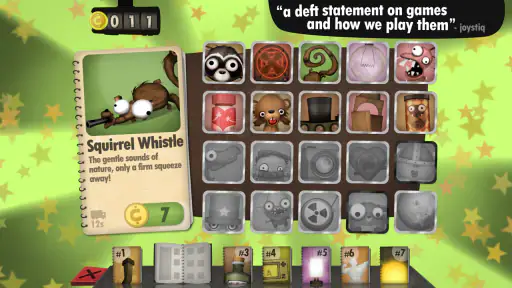
My practical tip is to treat the catalog as a set of clues, not just a shopping menu. When a letter or new item gives you a hint, pause before spending everything on whatever looks most entertaining. Try pairing objects that seem connected by a shared idea, then note which combinations you’ve already found. That turns the combo hunt into a light puzzle and helps avoid the feeling of buying at random.
There’s a useful rhythm to the fireplace, too: choose a few items, watch how they behave, collect the reward, then decide whether to experiment or move the story forward. I prefer that measured approach to tapping through purchases quickly, because the small visual details are part of the pleasure. The game is not asking for perfect planning, but a little patience makes its central loop feel more purposeful.
The Joy of Playing with Fire
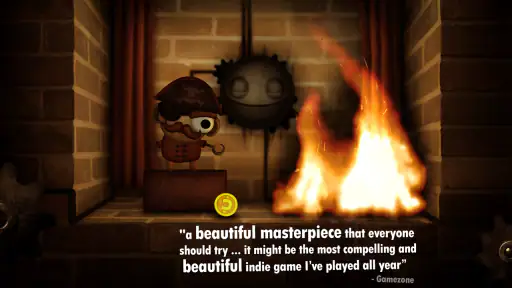
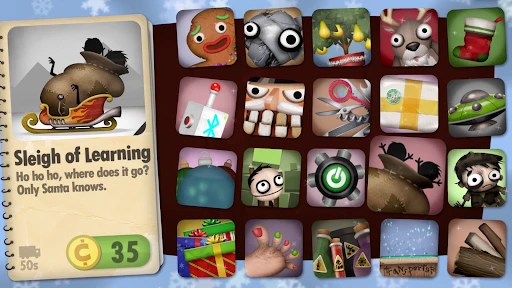
At first glance, Little Inferno might seem like a simple game. You start with a little fireplace and a catalog of toys to burn. The more you burn, the more money you earn to buy even more toys to toss into the flames. It’s all about the cycle of burning, buying, and burning again. But believe me, as you watch the flames dance and consume the objects, there’s an unexpected depth that starts to unfold.
A story hidden in the ashes
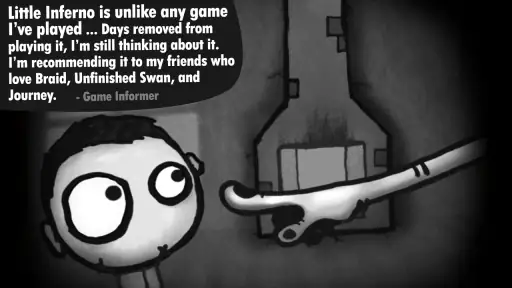
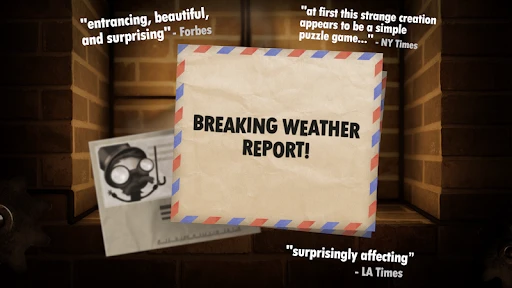
One of the most appealing aspects of this game is its subtle storytelling. You’re not just burning items mindlessly; there’s a narrative woven into the game through cryptic letters that arrive in your mailbox. These letters are from various characters, each adding a piece to the mysterious puzzle of the world outside your fireplace. Is there more to this game than just burning toys? Absolutely. It’s like piecing together a hauntingly beautiful story that makes you ponder long after you’ve put the game down.
More From Our News Desk

Clash of Clans Is Won Between the Battles

Android Auto Makes the Case for Quieter Car Software

MobiOffice: Transforming Mobile Productivity with Seamless Integration

EA SPORTS FC™ Mobile Soccer: Redefining Mobile Sports Gaming

How Microsoft OneDrive Became a Mobile Productivity Giant

How Google Translate Breaks Language Barriers Effortlessly
The letters also make it easier to play at your own pace: you can read a message, return to the fire, and let its details sit with you rather than rushing through dialogue. If you’re mainly here for the story, pay attention to the changing tone of those exchanges; their quiet, personal scale is a sharp contrast with the odd spectacle in the fireplace. That contrast is what gives the game more weight than a simple toy-burning novelty.
Simple controls, thoughtful experimentation
What makes Little Inferno truly engaging is its simple mechanics. You don’t need complex controls or high-speed reflexes to enjoy this game. Drag, drop, and watch the flames do their magic. The physics of the burning process are surprisingly realistic, adding a touch of authenticity to your pyromaniac adventures. Plus, the challenge of unlocking combos by burning specific items together adds an extra layer of strategy and fun.
The combo system is where I’d slow down instead of searching for a complete solution immediately. A failed guess is still a small experiment, but repeatedly buying unrelated objects can make the routine feel like chores. When a combination clicks, remember the theme behind it; that reasoning is more satisfying than treating every pair as a code to brute-force. It’s a gentle puzzle, not a test that needs a guide beside you.
What the purchase and age rating mean in practice
Tomorrow Corporation’s game is a paid casual release: it costs $4.99, has a 4.4 average from around 16,000 ratings, and has passed 100,000 installs. The current version is 2.0.3.2, and it requires Android 5.0 or later. It is rated Teen, so I’d check that age label if I’m choosing something for a younger player. These details make the purchase easier to judge, but the bigger question is whether the slow, odd mood suits you.
It is also useful to know what kind of “short session” this is. The simple interaction makes it easy to pick up and put down, but the game’s pleasure depends on noticing what you burn and following the letters. I’d play it during a quiet pause at home rather than while walking, commuting through a crowded space, or switching attention every few seconds. The latter situations encourage skimming, and skimming blunts the story and the small visual payoffs.
Atmosphere over scores and speed
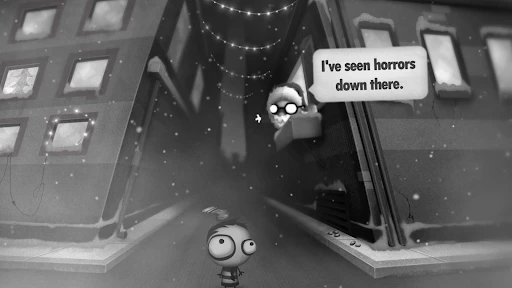
The graphics in Little Inferno are charmingly crafted, with a mix of whimsical and dark elements that perfectly complement the game’s theme. The way items burst into flames and transform into ashes is oddly satisfying. Coupled with a soundtrack that’s both eerie and calming, the game manages to create a cozy yet unsettling atmosphere that keeps you glued to your screen.
Compared with the usual casual games built around quick rounds, scores, and constant rewards, this one is more about atmosphere and small discoveries. I wouldn’t pick it for competitive play or a busy commute where I need to follow the screen in brief, interrupted glances. Its close-up fire effects reward attention, and the letters make more sense when I can read them without rushing. For a quiet break at home, though, that focused little world is precisely the appeal.
Who should spend time with the fireplace
The best audience is someone who enjoys noticing patterns and is happy to let a story emerge in fragments. If you like a gentle puzzle but don’t need every step spelled out, the combinations give you a reason to experiment. If you prefer narrative games, the letters offer a thread to follow between bouts of burning. And if you simply enjoy tactile, visually distinctive play, the fireplace can be satisfying even when you aren’t trying to solve anything in particular.
I’d be more cautious about recommending it to children or to players who expect a bright, purely cheerful toy game. The Teen rating is a practical prompt to check suitability, while the atmosphere itself is deliberately strange rather than straightforwardly cuddly. Likewise, anyone who needs clear objectives at every moment may find the hints too oblique. This is a better choice for a player who likes to infer, pause, and make their own connections.
The $2.99 per-item in-app purchase option is worth noticing alongside the upfront price. I’d decide before playing whether I want to keep spending within a paid game; the core appeal for me is experimenting with the fireplace and following its narrative, not chasing every optional purchase. Its modest audience size compared with the biggest casual hits also fits its more peculiar, slower style: it feels made for players who welcome an unusual mood rather than a stream of familiar, instantly legible tasks.
Compared with a typical puzzle game, the challenge here is less about a board that steadily gets harder and more about making associations from a catalog and clues. Compared with an idle game, it asks for more attention to the objects and letters instead of leaving progress to run in the background. That middle ground is distinctive, but it also means neither comparison is a perfect substitute: choose a conventional puzzle for a clearer test of skill, or an idle title if you want something that barely asks you to look.
A few useful habits for a smoother run
When I’m unsure what to try next, I’d first reread the recent letters and look for a shared idea rather than buying several unrelated objects. Keep track mentally—or in a brief note—of combinations already discovered, especially if you play in short bursts and may forget what you tested. This small habit keeps experimentation from becoming repetitive without turning the game into a checklist.
I also wouldn’t rush to burn every new item as soon as it appears. Try observing it on its own, then consider what it might pair with and whether the story has offered a clue. That sequence makes the catalog feel more like part of the game’s language. The trade-off is that progress may feel less direct than in a game that marks every next step clearly, but the satisfaction comes from making the connection yourself.
In conclusion, Little Inferno is not just a game about burning things. It’s a unique experience that combines fun gameplay with a deep, underlying narrative. Whether you’re in it for the mesmerizing flames or the intriguing story, this game offers something for everyone. So, if you’re ready to light a fire in your virtual fireplace, give Little Inferno a try. It’s a burn you won’t regret!
I’d recommend it most to patient players who enjoy gentle puzzles, evocative storytelling, and an eccentric atmosphere more than a steady stream of new challenges. If that sounds like your kind of downtime, the purchase is easier to justify; if repetition quickly wears you down, it may be better to pass. For me, its best trick is making a tiny fireplace feel like a place worth returning to.
Little Inferno Frequently Asked Questions
Is Little Inferno a good fit if I prefer short, relaxing games?
Little Inferno is a casual game built around a simple, deliberate loop: choose items, put them in the fireplace, and watch what happens. The appeal comes from experimenting with combinations and gradually following the story, rather than reflex challenges or competitive play. If you enjoy quirky, low-pressure games that invite curiosity, its unusual premise may be a good match.
Who developed Little Inferno, and what kind of game is it?
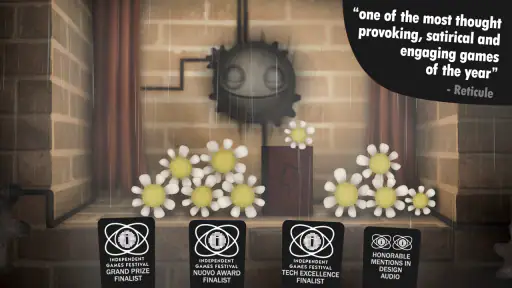
Little Inferno is a casual game developed by Tomorrow Corporation. Its central idea is a fireplace where you burn items, try different combinations, and uncover pieces of a story. The setup is deliberately unusual, giving the game a mix of experimentation and narrative rather than the structure of a traditional action game. The store summary describes it as the award-winning game where everything burns.
Does Little Inferno need an internet connection to play?
Little Inferno is a casual game built around experimenting with items in a fireplace, uncovering combinations, and following its story. Its central activities are presented as single-player gameplay rather than a shared online competition, so it can appeal to players looking for a focused experience. If you plan to play while travelling, check that the game has finished installing before you go.
How much does Little Inferno cost, and what should I know before buying it?
Little Inferno is a paid game, priced at $4.99. It is developed by Tomorrow Corporation and has a 4.4 average rating from around 16,000 ratings. The game’s premise is simple to grasp, but much of its appeal comes from discovering combinations and seeing how the story unfolds, so it is best suited to players who enjoy experimentation rather than fast-paced action.
What is Little Inferno and what can I do in the game?
Little Inferno is a unique puzzle and simulation game where players are encouraged to throw various items into a virtual fireplace and watch them burn. The game is set in a world that is experiencing a prolonged cold spell, and the fireplace provides warmth and entertainment. Players can experiment with different item combinations to discover hidden combos, which are essential for progressing through the game.
Pros
- Engaging and unique gameplay
- Visually stunning graphics
- Thought-provoking storyline
- Simple controls and interface
- Regular updates with new content
Cons
- Limited replay value
- Can be repetitive over time
- Not suitable for younger audiences
- Requires constant internet connection
- In-app purchases can be expensive
- Category
- Casual
- Version
- 2.0.3.2