Hunt & Seek
- 2.52K
- 4.4
- Installs
- 50.00M
- Price
- Free

Screenshots




Analysis by Reviewed
My first impression of Hunt & Seek is that it aims for playful suspense rather than a serious survival challenge. The bright presentation gives the chase an approachable feel, while the hunter-and-hider setup makes the central idea easy to grasp. It is a casual game from Kwalee Ltd, and that quick-to-understand premise is its clearest strength: I can see it working when I want a short burst of activity, not a long session that demands careful planning or a big time commitment.
A quick fit for breaks and shared play
I would keep this game in mind for moments when I have a few spare minutes but do not want to commit to a long campaign. A short wait, a relaxed break between tasks, or a casual turn-taking session with someone nearby are natural occasions for a game whose central roles can be understood quickly. Its appeal is less about building toward a distant goal and more about enjoying the immediate question of whether a hiding choice will work or a search will pay off.
That also helps explain who is likely to enjoy it most. Players who like light competition, visual observation, and switching between active searching and cautious hiding have a clear reason to try it. Someone who mainly wants an elaborate single-player journey, character development, or a story to follow will probably be happier with a different kind of game. I would make the same recommendation to anyone who finds countdown-driven play stressful: the chase can create energy, but that pressure is part of the experience rather than an optional extra.
The game is free to download, and the age rating is Everyone 10+. I see those as useful starting points, not a promise that every child or household will react to the chase in the same way. If I were choosing it for a younger player, I would first watch a round together and see whether the pursuit feels amusing or too intense for them. That quick check is more helpful than assuming that colorful visuals automatically make every moment comfortable.
How the chase shapes the mood
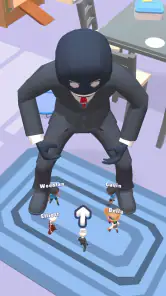
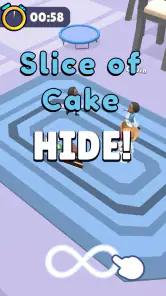
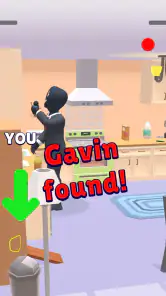
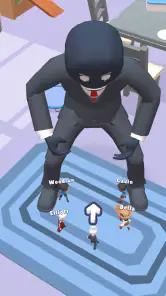
From the moment you open the app, Hunt & Seek draws you in with its colorful graphics and engaging sound effects. The game is all about hide and seek, but with a digital twist. You can choose to be either a hunter or a hider, each role offering its own unique set of challenges and thrills. As a hider, you’ll need to find the perfect spot to blend in and avoid detection. As a hunter, your task is to spot the cleverly disguised players before time runs out. It’s a classic game, but with an adrenaline-pumping twist that keeps you coming back for more.
The visual approach suits a game built around spotting and concealment: clear, colorful environments make the action feel light rather than frightening. Its Everyone 10+ content rating also gives families a useful starting point when deciding whether the tone is appropriate, though I would still check the game together if a child is sensitive to chase-themed play. The setting is best read as a playful backdrop for the roles, not as a story-driven world that asks you to study lore or follow a plot.
Reading the scene, not just reacting
What sets Hunt & Seek apart from other games is the strategic element it introduces. Whether you’re hiding or seeking, you need to plan your moves carefully. This game isn’t just about quick reflexes; it requires a good deal of strategic thinking. You’ll find yourself constantly assessing your surroundings, making split-second decisions, and outsmarting your opponents. It’s this combination of skill and strategy that makes each game session exciting and unpredictable.
More From Our News Desk

Clash of Clans Is Won Between the Battles

Android Auto Makes the Case for Quieter Car Software

MobiOffice: Transforming Mobile Productivity with Seamless Integration

EA SPORTS FC™ Mobile Soccer: Redefining Mobile Sports Gaming

How Microsoft OneDrive Became a Mobile Productivity Giant

How Google Translate Breaks Language Barriers Effortlessly
One practical way to approach a hiding turn is to pause briefly and look at the whole scene before committing to a spot. A place that seems clever at first may stand out once you consider its shape and nearby surroundings. When hunting, I’d avoid tapping at every suspicious-looking detail in a hurry; scanning a small area methodically can be more useful than chasing the first apparent clue. These are simple habits, but they give the two roles different kinds of satisfaction: hiders think about camouflage, while hunters practice attention and patience.
Another interesting feature is the variety of maps and hiding spots, which ensures that no two games are the same. Whether you’re ducking behind a virtual bush or sneaking through a digital alley, the dynamic environments keep the gameplay fresh and exciting. Plus, the game’s intuitive controls make it easy for players of all ages to pick up and enjoy.
That variety also changes how much the game rewards memorization. Learning a map can help me notice promising hiding places, but relying on one familiar trick is likely to make the experience feel repetitive. I’d treat each round as a fresh read of the scene instead: look for a spot that fits the current surroundings, or as a hunter, check the places that make sense rather than assuming an opponent will repeat an old choice. This keeps the mind-game element alive without turning a casual match into homework.
Sound, pace, and playing with others
The sound effects help give the rounds energy, but the main appeal is the rhythm created by switching between waiting and searching. Hiding calls for restraint; hunting makes the same basic setting feel more urgent. That contrast is a good fit for short play sessions because each role asks for a different kind of attention. I wouldn’t choose it for a quiet, story-focused evening, but it can suit a break when I want something lively that I can understand quickly.
What’s a game without a little social interaction? Hunt & Seek allows you to team up with friends or compete against players from around the world. The multiplayer mode is where the game really shines, offering endless opportunities for fun and friendly competition. You can chat with your teammates, plan strategies, or just enjoy some light-hearted banter as you play. It’s a great way to connect with others and share the thrill of the hunt.
For a realistic everyday use, I’d pick it up during a short wait or play a few rounds with a friend when we have a little time to fill. The roles make it easy to trade turns and compare how each person reads the same sort of scene. If you prefer solitary progression, a deep campaign, or a carefully scripted narrative, this is probably not the right fit; a single-player puzzle or story game would serve that mood better. Likewise, players who dislike time pressure may find the hunter’s urgency more stressful than fun.
The game also features leaderboards, so you can see how you stack up against other players. Whether you’re climbing the ranks or just playing for fun, the competitive element adds an extra layer of excitement to the game.
Compared with many casual games built around tapping through simple puzzles or repeating one action, this one gets its variety from the opposing viewpoints of hiding and hunting. That makes it more interactive than a solitary score-chaser, but it also means its appeal depends on enjoying the search-and-evade loop. The social side may be a draw for people who like competing with others; anyone who wants a completely private, uninterrupted experience may prefer a less multiplayer-focused alternative.
Practical trade-offs before you settle in
One useful way to keep the game enjoyable is to treat each round as a small observation challenge rather than a test you must win. As a hider, I would choose a spot that makes sense in the whole scene instead of spending too long searching for a supposedly perfect answer. As a hunter, I would divide attention into manageable parts of the environment and check them in turn. This approach makes the roles feel more deliberate and can reduce the frustration of rushed, random choices.
The same advice helps when playing with friends. Trading roles matters because the two sides reward different habits; someone who enjoys spotting details may prefer hunting, while a more patient player may get more from choosing a hiding place. If one person dominates the conversation by calling out every possible clue, agreeing to take turns leading the search can make the session fairer and more fun. The game’s basic premise gives a group an easy shared activity, but the quality of that time still depends on whether everyone enjoys the pace and competition.
There is a trade-off in its simplicity. The clear premise makes it easy to start, but it also means players looking for a large collection of mechanics may find the loop narrow after the novelty wears off. I would not expect the appeal to come from mastering a sprawling system; it comes from reading the scene differently from one round to the next. If that small variation is satisfying to you, the focused design is a strength. If you need a steady stream of new objectives or a substantial sense of progression, a deeper casual adventure may hold your attention longer.
It is free to play, with in-app purchases priced at $1.99 to $2.99 per item. I’d start without buying anything and see whether the core hide-and-seek loop holds my interest first. That is the sensible way to judge a casual game: if the rounds are already fun, optional spending is easier to evaluate; if they are not, a purchase is unlikely to change the basic style of play. The game is at version 2.0.4 and requires Android 7.0 or later. Its average rating is 4.4 from around 316,000 ratings, with over 50 million installs, so it has clearly reached a broad audience without that popularity automatically making it right for every player.
For someone deciding whether to keep playing, I would use a simple test: after a few rounds, am I enjoying the choices themselves, or am I only hoping that the next round will feel different? If the scanning and camouflage decisions are already fun, the game has found its audience. If the same cycle quickly feels like repetition, spending money or chasing a leaderboard is unlikely to fix that mismatch. That is a more useful way to judge a casual game than treating a large player base as proof that it must suit every taste.
In conclusion, Hunt & Seek is a game that combines the best elements of strategy, skill, and social interaction to create a unique gaming experience. It’s perfect for those who enjoy a good challenge and love the thrill of the chase. So, if you’re looking for a game that will keep you entertained and engaged, give Hunt & Seek a try. You won’t be disappointed!
My own recommendation is more specific: try it if you like quick rounds, playful competition, and the small satisfaction of spotting or choosing a clever hiding place. I’d skip it if you need a substantial solo adventure or dislike the pressure of being found. As a casual game, its strongest mood comes from the simple tension between staying unnoticed and searching carefully. That focused idea is enough to make it a reasonable pick for a brief break, even if it won’t replace a deeper game for me.
Where its atmosphere works best
The strongest use case is a short session where I can give the screen my attention without needing to settle into a long stretch of play. Because the mood is built from colorful scenes, lively sound, and a clear chase, it can make a brief pause feel more active than opening a passive time-filler. I would still choose a quieter puzzle if I were trying to wind down or needed to play without sound; here, the audio and urgency are part of what gives the rounds their energy.
That distinction is also why I would not recommend it as a universal family pick or a replacement for every casual game. The Everyone 10+ rating is a helpful guide, but the best fit depends on a player’s comfort with being pursued and having limited time to act. For a person who enjoys playful tension, those elements give the setting purpose. For someone who prefers calm, predictable tasks, they may make even a colorful game feel demanding.
Kwalee Ltd has a large audience for this release: it has been downloaded over 50 million times and has an average rating of 4.4. It first appeared on September 12, 2022, and remains a free casual game. Those figures suggest that the simple chase has broad appeal, but they do not change my practical advice: try the basic loop first, keep purchases optional, and decide based on whether the back-and-forth between hiding and searching stays enjoyable for you.
Hunt & Seek Frequently Asked Questions
Is Hunt & Seek free to download, and are there optional purchases?
Hunt & Seek is free to download, so you can try its casual hide-and-seek gameplay without paying upfront. It also offers in-app purchases, with items priced from $1.99 to $2.99 each. If you are downloading it for a child, consider reviewing purchase settings on the device first, so an optional purchase does not happen unexpectedly.
What does the monster attack theme mean for the gameplay?
The game’s store summary presents a monster attack as its central theme, with players either hiding and running cleverly or taking the role of an angry hunter. That gives the hide-and-seek premise a playful chase element. If you enjoy casual games built around evasion and searching, this theme gives you a quick sense of the kind of action to expect.
What kind of game is Hunt & Seek, and who developed it?
Hunt & Seek is a casual game from Kwalee Ltd built around the familiar idea of hiding and searching. Its store summary captures the central twist: players can hide and run cleverly or take on the role of an angry hunter. It is a free game, so you can download it without an upfront purchase and decide whether its style suits you.
What is the main objective of Hunt & Seek?
Hunt & Seek is an engaging hide-and-seek style game where players can either play as the seeker or hider. The main objective of the game is to either find all hidden players within a time limit if you are the seeker, or remain hidden until the time runs out if you are a hider. The game offers various environments and challenges to keep players engaged.
Can I play Hunt & Seek with my friends?
Yes, Hunt & Seek offers a multiplayer mode where you can invite your friends to join your game. You can create private rooms and share the room code with your friends to play together. This feature enhances the fun, making it a great choice for social gaming sessions.
Pros
- Engaging and addictive gameplay.
- Intuitive controls and interface.
- High-quality graphics and sound.
- Challenging levels to master.
- Regular updates with new content.
Cons
- Contains in-app purchases.
- Requires internet connection.
- Can be battery-intensive.
- Limited free features.
- Occasional ads interrupt play.
- Category
- Casual
- Version
- 2.0.4