Hero Clash
- 3.43K
- 4.2
- Installs
- 5.00M
- Price
- Free

Screenshots
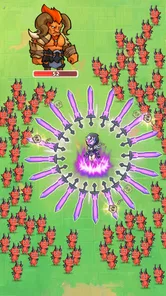
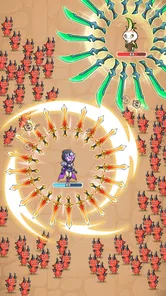
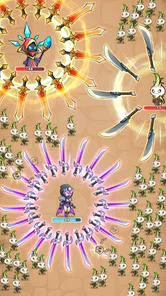
Analysis by Reviewed
I see Hero Clash as a casual mobile RPG for people who enjoy checking in, making a few choices about their heroes, and watching a team develop over time. Its appeal is less about demanding long, uninterrupted sessions than about having a fantasy battle to return to when I have a spare moment. That makes it an easy game to sample, though players looking for deep, hands-on combat may find its casual framing a limitation.
A quick fit for short play sessions
On a typical busy day, I’d treat a game like this as a small break: open it when I have a few minutes, see how my team is doing, and decide whether I want to spend longer adjusting my approach. That routine suits an idle RPG better than a game that expects me to focus on every move for an extended stretch. I would not choose it as a substitute for a story-driven RPG or a competitive action game; I’d choose it when I want lighter progression and a lower-pressure way to engage with a hero-themed game.
A useful everyday test is to try it during a natural pause rather than planning a long first session. If I’m waiting for a meal or taking a breather between tasks, I can see whether checking on the team feels like a pleasant diversion or a prompt to keep tapping through menus. That distinction matters with idle games: their convenience is a strength only when the routine remains optional and enjoyable.
What the idle format changes
Compared with a puzzle game built around a quick, complete round, this kind of RPG gives more weight to continuity: I’m returning to the same growing roster instead of starting fresh with each challenge. Compared with a conventional role-playing game, it asks for less uninterrupted attention, but also offers less reason to expect exploration or a carefully paced narrative. I’d pick it when I want ongoing team development; I’d choose a compact puzzle or a story-led game when I want a clear finish to each session.
That difference also affects how I’d judge progress. A satisfying session need not end with a dramatic victory; sometimes the useful part is noticing a lineup problem and making one considered change. If that sort of incremental decision-making feels rewarding, the format can fit neatly into a spare-moment routine. If I need direct control and a strong sense that my timing determines every outcome, the idle approach may feel too distant.
What to consider before you commit
The free price makes it straightforward to try, but in-app purchases range from $0.99 to $99.99 per item, so I’d decide on a spending limit before buying anything. Optional purchases can be tempting in progression-focused games, particularly when I want a favorite hero or faster advancement. I’d first play at my own pace and judge whether the regular experience is enjoyable without paying. The game is rated Everyone 10+, a useful guide for families considering whether its content is appropriate for younger players.
For families, I’d treat that age guidance as a starting point for a conversation, not a substitute for setting expectations around spending. A simple rule—ask before any purchase, and don’t buy just to resolve impatience—keeps the free-to-try appeal from turning into an open-ended expense. For my own use, I’d wait until I could name exactly what a purchase would improve before spending; if I can’t explain the goal, I’d keep playing without it.
More From Our News Desk

Weather by Xiaomi Review: Clear at a Glance, Less Clear Up Close

X Under Pressure: Can It Recover When Posting Goes Wrong?

Clash of Clans Is Won Between the Battles

Android Auto Makes the Case for Quieter Car Software

MobiOffice: Transforming Mobile Productivity with Seamless Integration

EA SPORTS FC™ Mobile Soccer: Redefining Mobile Sports Gaming
Hero Clash is by Glaciers Game, and its 4.1 average from around 20,000 ratings suggests a generally positive reception, while the roughly 3,400 reviews offer more room for player opinions than a rating alone. It has over 5 million installs, but popularity does not guarantee that its particular pace will suit you. I’d use those figures as context, then focus on whether I actually enjoy the loop rather than treating them as a reason to keep playing.
Getting Started with Hero Clash
Jumping into Hero Clash is like stepping into a world of endless possibilities. From the moment you download it from your app store, you’re greeted with a smooth onboarding process. The tutorial is pretty straightforward, guiding you through the basics of gameplay without dragging things out. You can either speed through it or take your time to get a good feel of the controls.
For a first run, I’d resist the urge to skip every explanation just to reach the battles faster. Taking a little time to learn what the tutorial is showing makes it easier to understand later choices, especially when the game asks me to manage several heroes rather than rely on one favorite. If I’m only testing whether the style suits me, I’d focus on the basic loop first and leave deeper roster decisions until I know I want to return.
The game starts you off with a small squad of heroes, each with unique abilities. I found myself experimenting with different combinations to figure out who works best together. Whether you prefer tanky warriors, agile assassins, or powerful mages, there’s a hero for every playstyle.
One practical way to experiment is to keep a mental note of what changed after each lineup adjustment. If I swap several heroes at once, I can’t tell which choice helped or whether the result came from something else. Testing one change at a time is slower in the moment, but it gives me a clearer sense of how my choices affect a fight and helps me avoid upgrading blindly.
Gameplay Mechanics
One of the aspects I love about Hero Clash is its strategic gameplay. It’s not just about who has the strongest heroes but how you use them. Positioning, timing, and resource management play crucial roles in battles. The battles themselves are dynamic and require quick thinking, which keeps things interesting.
As you progress, you’ll unlock more heroes and abilities, allowing you to customize your team further. There’s also a leveling system that lets you improve your heroes’ stats, making them even more formidable in combat. I’ve spent countless hours tweaking my team to perfection.
The part I’d approach carefully is the urge to spread improvements evenly across every available hero. In a roster-based game, resources can feel more useful when focused on the characters I actually rely on, rather than spent simply because an upgrade button is visible. I’d make a small plan—choose a core group, see how it performs, and adjust only when I have a reason. That keeps experimentation manageable and makes setbacks more informative.
Graphics and Sound
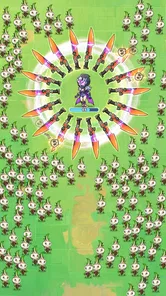
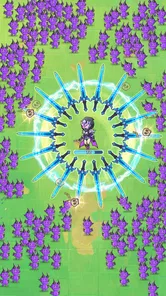
The graphics in Hero Clash are nothing short of stunning. The art style is colorful and vibrant, bringing the heroes and their worlds to life. Each hero is meticulously designed with unique animations that make battles feel alive. The attention to detail is evident, and it’s something I truly appreciate.
On top of that, the sound design is spot-on. The background music sets the tone for each battle, while the sound effects add an extra layer of immersion. It’s the little things that make the experience so much richer.
Presentation is a real part of the appeal here because an idle RPG can involve returning to familiar characters and battles repeatedly. Distinct designs make the roster easier to follow and give team choices more personality than a row of interchangeable icons. I’d still treat visual flair as a bonus rather than evidence of deep tactical complexity: if I’m choosing a game chiefly for animation and atmosphere, this may hold my attention, but players seeking intricate real-time control should look elsewhere.
Community and Multiplayer
Connecting with other players is another highlight of Hero Clash. The game features a robust multiplayer mode where you can team up with friends or take on players from around the world. I’ve made some new gaming buddies and had a blast strategizing and battling it out together.
There’s also an active community where players share tips, strategies, and fan art. It’s a great place to learn and improve your skills, and I’ve picked up a few tricks myself from fellow players.
For someone just starting out, other players can be useful as a source of ideas, but I wouldn’t copy a team recommendation without considering my own roster and goals. Advice from a player with different heroes or a different amount of time to invest may not translate directly. I’d borrow one suggestion at a time, test it, and keep what actually improves my own experience. That approach makes community tips helpful without turning the game into a checklist.
In-game Purchases
Like many mobile games, Hero Clash offers in-app purchases. While you can play and enjoy the game without spending a dime, there are options to buy items that can boost your progress. The game is pretty fair in this aspect, and I haven’t felt pressured to spend money to advance.
For those who choose to invest a little, the game rewards you with exclusive heroes and items, but it’s not necessary to enjoy the full experience. I’ve found a good balance between playing for free and making occasional small purchases.
I’d still separate “I want this” from “I need this to keep enjoying the game.” That pause is especially useful when a purchase promises faster progress, since speed is not automatically the same as more fun. A no-spend trial gives me a fair baseline: I can tell whether I like the team-building and return visits on their own, then decide whether paying would add something I genuinely value rather than merely shorten the wait.
Who will enjoy it—and who may not
I’d recommend this casual RPG to someone who likes collecting and developing a team, but doesn’t want every session to feel like a test of reflexes. If you prefer direct control, demanding real-time combat, or a tightly authored campaign, a more action-focused or story-led alternative is likely a better fit. The trade-off is clear: an idle structure can make it easy to return to, but it may feel less involving when you want every battle to depend on your moment-to-moment input.
It’s also a reasonable choice for someone who enjoys having a small ongoing project on their phone: a roster to learn, a lineup to refine, and occasional battles to revisit. I would skip it if I know I dislike incremental progression or if I’m trying to avoid games that invite frequent check-ins. A game can be low-pressure in its controls while still taking up mental space through the habit of returning, so I’d pay attention to whether it feels like a treat or another task.
A useful way to approach team-building is to change one choice at a time. If a lineup struggles, I’d adjust its arrangement or swap one hero, then see whether the result improves instead of rebuilding everything at once. That makes it easier to understand what is helping and avoids spending resources on upgrades simply because they are available. I’d also save purchases for a specific goal rather than buying impulsively; the broad price range makes that restraint worthwhile.
Version, access, and staying power
The current version is 1.0.127, and the game requires Android 7.0 or later. It is free to download, which means I can see whether the pace and presentation work for me before deciding if it deserves a regular place on my phone. As with any progression-based mobile game, I’d pay attention to whether returning feels enjoyable rather than turning into an obligation. If checking in starts to feel like chores, it is perfectly reasonable to take a break or move on.
If I were deciding whether to keep it installed, I’d give myself a short, practical trial: play enough to understand how the team develops, then notice whether I look forward to opening it again. That answers the question that matters more than a feature checklist: does its particular rhythm fit my day? The game is at its best when I can leave it alone between sessions and come back because I want to, not because I feel behind.
Compared with casual puzzle games, this offers more team customization and a fantasy battle theme, but it asks me to care about heroes and their development rather than solving a quick standalone challenge. Compared with traditional RPGs, it is a lighter commitment, though that convenience may come at the cost of the sustained exploration and story many RPG fans want. The right comparison depends on what I need from a short session: a tactical team to manage, or a self-contained challenge with a clear endpoint.
That makes the recommendation fairly specific. I’d choose it over a puzzle app when I want continuity and roster decisions, but I’d choose a puzzle game when I want an activity that asks for little context and ends cleanly. I’d choose a more hands-on RPG when I want to feel responsible for every action in a battle. Hero Clash sits between those needs: more involved than a quick distraction, less demanding than a full-length role-playing adventure.
My verdict for the right kind of player
Overall, Hero Clash is a game that offers a rich and engaging experience. Whether you’re a casual gamer or a hardcore strategist, there’s something here for everyone. With its combination of strategic gameplay, stunning graphics, and an active community, it’s easy to see why it’s become a favorite among mobile gamers. So, what are you waiting for? Dive into the world of Hero Clash and start your adventure today!
My recommendation is more measured: I’d try it if a colorful hero roster, gradual development, and flexible visits sound appealing, but I wouldn’t promise it to someone who wants a tightly controlled action game or a focused story. The free download lowers the barrier to finding out, while the purchase options make a spending boundary sensible from the start. If the routine stays enjoyable without becoming a chore, it can be a pleasant casual RPG to keep around; if it doesn’t, there are better fits for your play style.
Hero Clash Frequently Asked Questions
Is Hero Clash free to download?
Yes. Hero Clash is free to download, so you can try its casual idle RPG gameplay without paying upfront. Optional in-app purchases are available, but they are not required simply to install the game. If you prefer to avoid accidental spending, review your device’s purchase controls before playing, especially if children will use the device.
How much storage space does Hero Clash need, and will it run on my device?
Before downloading, check that your device has enough free storage for the game and any updates it may receive. Hero Clash supports Android devices running version 7.0 or later. Its listed current version is 1.0.127, while storage needs can vary by device and change over time. Check the relevant app store page on your device for compatibility details.
Is Hero Clash a good choice if I prefer relaxed games?
Hero Clash is described as a fun and relaxing idle RPG, making it a reasonable option if you want a casual game that does not demand constant active play. Its idle format is designed around progression while allowing a more laid-back pace. Whether that suits you depends on your preferences, particularly if you enjoy RPG-style progression more than hands-on action.
What kind of game is Hero Clash?
Hero Clash is a casual idle RPG built around a relaxed style of play. Its idle format makes it suitable for players who enjoy progressing through an RPG without needing to stay actively engaged every moment. The game is free to download, so you can try its core experience before deciding whether optional purchases suit you.
What age group is Hero Clash suitable for?
Hero Clash has an Everyone 10+ content rating, making it a game aimed at a broad audience while still being intended for players aged 10 and older. Parents can use that rating as a starting point when deciding whether it is suitable for a child. The game is free to download, though it also offers optional in-app purchases.
Pros
- Engaging storyline with frequent updates.
- Smooth graphics enhance gameplay experience.
- Diverse character roster for varied strategies.
- Active community and social features.
- Regular events keep the game fresh.
Cons
- Requires a stable internet connection.
- Can be resource-heavy on older devices.
- In-app purchases can be quite expensive.
- Some levels feel repetitive over time.
- Occasional server maintenance downtime.