Grim Soul: Dark Survival RPG
- 25.22K
- 4.5
- Installs
- 10.00M
- Price
- Free

Screenshots
Analysis by Reviewed
The first thing I’d tell a friend about Grim Soul: Dark Survival RPG is that its appeal comes from making small decisions feel consequential. This is a bleak survival role-playing game, not a breezy fantasy adventure where a quick fight reliably ends in an easy win. You enter a threatening world with little to rely on, and progress comes from learning what to risk, what to collect, and when it is wiser to leave. I find that tension compelling, but it also means the game suits patient players much better than anyone looking for a relaxed way to fill a few spare minutes.
That difference is useful to understand before installing. Brickworks Games Ltd made a game built around survival pressure: exploring can bring useful supplies, but it can also put your character in danger. Rather than treating every location as a checklist to clear, I approach a trip as a choice with a possible cost. If you enjoy gradually working out how a world behaves, that uncertainty is the hook. If you want a story-led RPG that constantly explains the next objective, the opening may feel less welcoming.
What the first hour is really asking of you
On Android, the game is free to download, though it offers in-app purchases ranging from $0.49 to $299.99 per item. That makes it easy to try without an upfront purchase, but I would go in with a clear idea of what you want from it: learning the survival loop, not rushing toward a polished end state. Its Teen content rating is also worth checking if you are choosing a game for a younger player. The dark setting and persistent danger are part of the experience, rather than a light coat of spooky decoration.
The first useful goal is modest: make a safe, purposeful start rather than trying to conquer the map. I would spend the opening moments getting familiar with movement and the way the interface presents nearby objects and threats. Then I would gather only what seems useful for immediate survival, keep an eye on the surroundings, and avoid treating every enemy as an invitation to fight. It is tempting to test combat right away, but an encounter that costs more than it yields is a poor first lesson.
My first meaningful success in a survival game like this is not a dramatic boss victory; it is completing a short outing and returning with something that makes the next outing easier. In Grim Soul, that mindset makes the early learning curve less frustrating. A small haul, a better sense of when danger is close, or simply learning to turn back before a situation gets out of hand can count as progress. The game’s tension works best when I treat survival as a chain of sensible decisions rather than one big gamble.
How I would prepare before taking a risk
Before setting out, I recommend asking one practical question: what am I hoping to bring back? A specific purpose helps keep exploration from becoming aimless, especially when danger can interrupt a trip. I also try to avoid carrying the assumption that every resource is worth collecting. If an item does not support the immediate plan, pausing to pursue it may add exposure without improving the outcome. That selective approach is more useful than moving through an area as though I need to clear it completely.
Another helpful habit is to separate learning from ambition. On an early run, I would pay attention to how enemies behave and how much trouble a fight creates, instead of measuring success by how many opponents I defeat. Once I understand the cost of an encounter, I can make better choices about when to engage. This is especially valuable for someone new to survival games: observation is not wasted time here, and avoiding a fight can be a stronger decision than winning one at a needless cost.
More From Our News Desk

Weather by Xiaomi Review: Clear at a Glance, Less Clear Up Close

X Under Pressure: Can It Recover When Posting Goes Wrong?

Clash of Clans Is Won Between the Battles

Android Auto Makes the Case for Quieter Car Software

MobiOffice: Transforming Mobile Productivity with Seamless Integration

EA SPORTS FC™ Mobile Soccer: Redefining Mobile Sports Gaming
There is a trade-off between cautious play and rapid progress. Careful trips make it easier to understand the rules and reduce avoidable mistakes, but they can feel slow if you are used to action RPGs that reward constant forward motion. Charging into danger may create exciting moments, yet it can also turn a promising outing into a setback. I prefer a measured approach because it gives me room to learn, then lets me take bigger risks when I have a reason rather than simply because the world looks explorable.
Small choices that make exploration more manageable
I would treat every expedition as a short workflow: decide on a goal, check whether the route still makes sense as circumstances change, and leave when the risk outweighs what you might gain. That sounds simple, but it changes the way I read the environment. Instead of asking, “What can I collect?”, I ask, “What is worth collecting on this trip?” That distinction helps keep resource gathering focused and makes a return with a modest haul feel like a deliberate success rather than a failed attempt at total clearance.
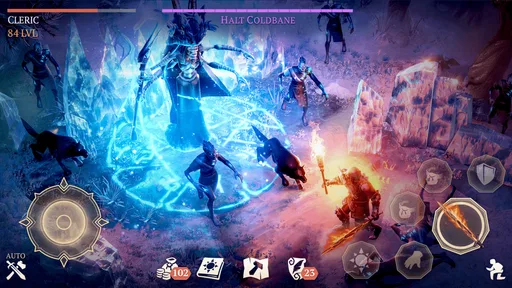
Combat benefits from the same restraint. The game presents enemies as more than disposable obstacles, so I do not assume that attacking first is always the best move. I watch for the difference between a manageable encounter and one that could consume the supplies or health I need for the rest of the outing. When I am still learning, I would rather retreat from an uncertain fight and remember what made it risky than repeat it just to prove I can win. That is a practical way to build confidence without turning every mistake into a bigger one.
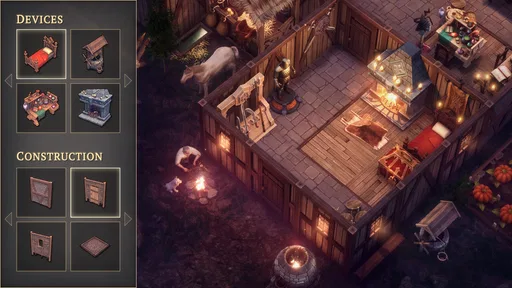
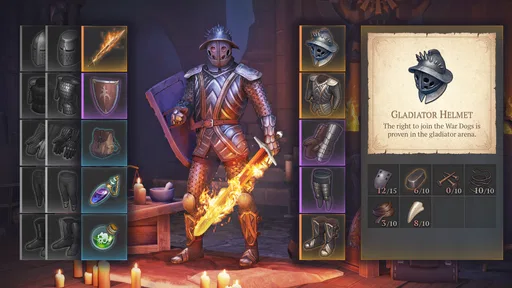
Crafting and shelter-building give the gathering loop a purpose, but they can also tempt a new player into collecting everything in sight. I find it more satisfying to think in terms of the next improvement I actually need. A focused plan gives each trip a reason and prevents preparation from becoming an endless chore. The balance is personal: if you enjoy organizing supplies and steadily improving your position, this loop can be absorbing; if inventory management and repeated resource gathering feel like busywork, the same systems may wear thin.
When a session fits into an ordinary day
Picture a short session after work or between other commitments. I would launch with a simple intention: make one careful supply run, learn one detail about a dangerous encounter, or gather what I need for a practical next step. If the outing starts to look too risky, I can stop pushing for more and preserve what I have learned. This approach gives a brief session its own shape without requiring me to treat every login as a major campaign. It also helps avoid the familiar survival-game trap of wandering until a manageable risk becomes a preventable disaster.
That said, this is not my choice for every kind of break. If I have only a moment and want a bright, instantly rewarding puzzle or a forgiving idle game, Grim Soul asks for more attention than I want to give. Its atmosphere encourages focus, and its danger makes distracted play a poor fit. I would also steer away from it if losing progress or having an outing go badly tends to spoil your mood; setbacks are part of a survival experience, not an occasional accident the game promises to remove.
Where it sits among role-playing games
Compared with a conventional action RPG, Grim Soul puts more weight on preparation and survival than on simply following a steady sequence of fights and rewards. Compared with a lighter crafting game, it makes gathering feel less comfortable because the world can punish careless exploration. That combination is what gives it character, though it also narrows its audience. I would choose a more story-focused role-playing game if I wanted a guided narrative, or a gentler crafting alternative if I wanted to build and collect without the same pressure. Grim Soul is for the player who wants those activities to carry risk.
Its multiplayer element offers a different contrast with the solitary feeling of survival. Playing alone keeps the tension personal, while cooperating with other players can add a social dimension and make the world feel less isolating. I would not assume that multiplayer removes the need to make careful choices; it changes the company you have, not the basic appeal of weighing danger against reward. If you prefer a self-contained solo experience, the game can still be approached that way, while players who enjoy coordination may find the social side a welcome change of pace.
Welcome to the Plaguelands
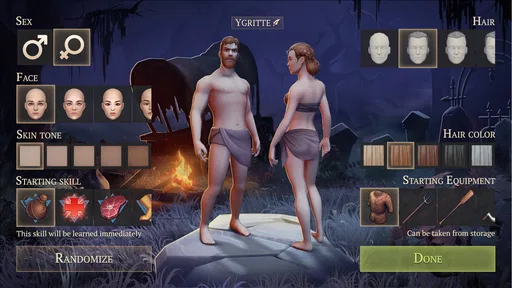
From the moment you launch Grim Soul, you are greeted by a hauntingly beautiful landscape. The game's setting, known as the Plaguelands, is a place filled with danger and mystery. Every corner of this world is crafted with detailed graphics that evoke a sense of dread and curiosity. As you navigate through the game, you'll find yourself constantly on edge, never quite sure what lurks around the next corner.
Survival of the Fittest
In Grim Soul, survival is your primary objective, and let me tell you, it's not for the faint of heart. You start with nothing but your wits and must gather resources, craft weapons, and build shelter to protect yourself from the countless threats that roam the Plaguelands. The game does an excellent job of balancing the need for exploration with the constant threat of danger, making every decision feel crucial to your survival.
Challenging Combat
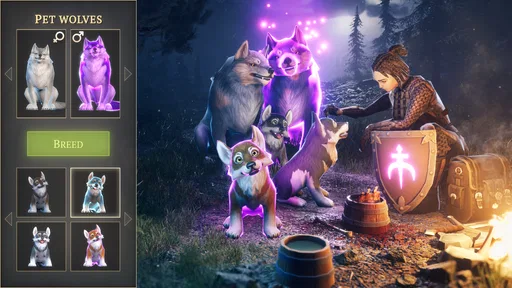
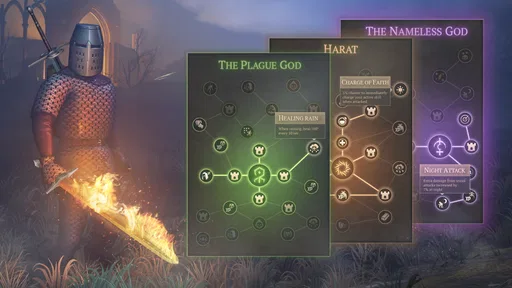
Combat in Grim Soul is both challenging and rewarding. Each encounter requires strategy and quick reflexes, as enemies vary in strength and tactics. The game’s combat system is intuitive, yet complex enough to keep seasoned players engaged. You’ll face everything from wolves to undead knights, each with their own unique set of challenges. The thrill of victory after a hard-fought battle is one of the game’s greatest rewards.
For me, the useful lesson is not to confuse an intuitive control scheme with forgiving combat. Knowing how to act is only part of the challenge; judging whether a fight is worth starting matters just as much. I would approach unfamiliar enemies as information to gather, not an automatic test of courage. That makes the victories more satisfying, while also making the losses easier to understand and avoid next time.
A Community of Survivors
One of the standout features of Grim Soul is its multiplayer component. While you can enjoy the game solo, teaming up with other players can enhance your experience. Forming alliances, trading resources, and cooperating with others adds a social element that enriches the solitary survival theme. It’s a refreshing twist that offers a break from the isolation of the Plaguelands.
For someone deciding whether to start, the practical questions are fairly straightforward. The game is free, so you can try its core experience before deciding whether it fits your taste; purchases are optional offerings rather than a reason to assume you must spend. If you are concerned about its difficulty, I would expect a learning process built around cautious experimentation, not a gentle tutorial that makes every decision harmless. And if you are wondering whether it can be played without a group, the solo option means you can begin on your own and decide later whether the social side appeals to you.
Grim Soul is currently at version 6.7.1 and supports Android 5.1 or later. Its audience is substantial: it has passed 10 million installs, with an average rating of 4.5 from around 692,000 ratings and roughly 23,000 written reviews. Those figures do not tell me whether a particular player will enjoy its punishing rhythm, but they do show that this is an established survival RPG rather than an obscure experiment. I would still judge it by whether its careful, risk-aware play sounds enjoyable to you.
Who will enjoy the Plaguelands—and who may not
I would recommend Grim Soul to people who like learning systems through play, planning a route, and feeling that preparation matters. It is particularly appealing if you enjoy dark fantasy and do not mind that a successful session may be defined by a sensible retreat rather than a spectacular fight. Players who like collecting resources with a clear purpose may also find the crafting and shelter loop rewarding, provided they are comfortable with danger interrupting their plans.
I would skip it if you mainly want a relaxed building game, a fast narrative RPG, or combat that guarantees a steady stream of easy wins. It may also be a poor fit for someone who dislikes repetition or wants every activity to offer a clear, immediate payoff. The game’s central tension depends on taking risks and learning from them; if that sounds like frustration rather than fun, a gentler role-playing or crafting game will probably be a better use of your time.
What progression feels like after the first success
Once a careful outing starts to feel manageable, I would raise the stakes one decision at a time. Try a more ambitious goal only after you have a clear reason to take the risk, and use what you learned from earlier encounters to decide whether the reward justifies it. This gradual approach gives the game room to stay tense without making every session feel like a blind gamble. It also creates a satisfying personal measure of progress: not simply having more supplies, but understanding when and how to use them.
There is no need to turn that process into a race. The survival loop is at its best when I can connect preparation, exploration, and a return to safety into one coherent plan. If I find myself collecting without a purpose or fighting because I feel obliged to clear an area, I pause and reset the goal. That small adjustment makes the game feel more deliberate and can keep a demanding session from becoming a grind.
Overall, Grim Soul: Dark Survival RPG offers a dark and immersive experience that is both thrilling and challenging. The game’s atmospheric visuals, demanding combat, and engaging multiplayer elements come together to create a distinctive survival RPG. Whether you're a fan of the genre or just looking for something new to sink your teeth into, Grim Soul rewards patience and careful choices. If you think you’re ready to face its dangers, step into the Plaguelands and see whether its slow-burn struggle is the kind of challenge you want.
Grim Soul: Dark Survival RPG Frequently Asked Questions
What devices can run Grim Soul: Dark Survival RPG?
Grim Soul: Dark Survival RPG is a mobile role-playing game for Android and iOS. Android players need a device running Android 5.1 or later. Before downloading, it is sensible to check that your device meets that minimum and has enough available storage for the game and its updates. The game’s dark survival style is designed for mobile play.
Does Grim Soul: Dark Survival RPG require an internet connection?
Yes, an internet connection is required to play Grim Soul: Dark Survival RPG. The game includes online components, including interactions with other players and in-game events, so connectivity is part of the experience rather than an optional extra. A stable connection is useful while playing, particularly when taking part in online activities or receiving game updates.
What is the age rating for Grim Soul: Dark Survival RPG?
Grim Soul: Dark Survival RPG is rated Teen, so it may suit older children and adults who enjoy dark fantasy survival games. Its setting features undead enemies, threatening creatures, and player-versus-player combat, giving the experience a tense tone rather than a light, casual feel. Consider whether that atmosphere is appropriate for the person who will be playing.
What is Grim Soul: Dark Survival RPG about?
Grim Soul: Dark Survival RPG is a challenging survival game set in a dark fantasy world filled with fearsome creatures, undead, and other players. Players must gather resources, build shelters, craft weapons, and fend off enemies to survive. The game combines elements of exploration, combat, and strategy in a grim and immersive environment.
Is Grim Soul: Dark Survival RPG free to play?
Yes, Grim Soul: Dark Survival RPG is free to download and play. However, it offers in-app purchases for various items and resources that can enhance gameplay. Players can choose to buy these items to progress faster or enjoy the game without spending any money by grinding and gathering resources manually. Optional purchases range from small-priced items to bundles costing substantially more, so it is worth checking purchase details before confirming anything.
Pros
- Immersive dark fantasy theme.
- Challenging survival gameplay.
- Regular updates and events.
- Engaging crafting system.
- Multiplayer features.
Cons
- Steep learning curve.
- In-app purchases can be pricey.
- Requires constant internet.
- Can be grind-intensive.
- Limited inventory space.