Gacha Life 2
- 13.09K
- 4.2
- Installs
- 10.00M
- Price
- Free

Screenshots


Analysis by Reviewed
I’d choose Gacha Life 2 when I want a casual game that lets me make something rather than chase a score. Its appeal is less about mastering a challenge and more about shaping anime-inspired characters, then deciding what to do with them. That makes the first visit inviting, but the more useful question is whether the creative loop still feels rewarding once the novelty of a new character wears off.
The first few sessions: quick ideas become projects
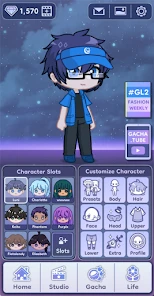
The appeal is immediate: you can start shaping a character around a particular mood, outfit, or story idea instead of learning complicated controls first. I’d recommend beginning with a simple concept—perhaps a school-day look or a fantasy outfit—rather than trying to make a whole cast at once. That gives you a clearer sense of how the customization choices work and makes it easier to notice which details matter to you.
It is also a good fit for short creative breaks. You might open it while waiting for a friend, adjust a hairstyle, and leave with a design that feels finished enough to show someone. The catch is that character creation can absorb far more time than planned: small choices invite more small choices, and it is easy to keep tweaking a look without deciding what you want it to communicate.
Designing characters with a purpose
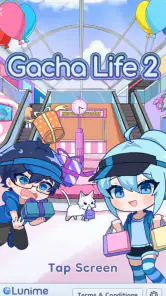
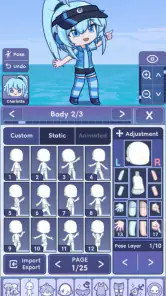
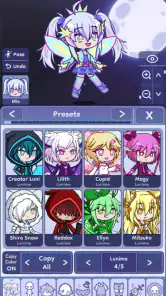
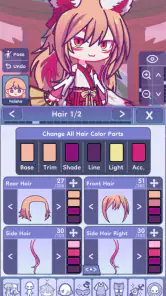
One of the standout features of Gacha Life 2 is its robust character creation system. If you’re anything like me, you’ll get lost for hours picking out the perfect outfit, hairstyle, and accessories. The customization options are virtually endless. You can create a character that looks exactly like you or go completely wild with your imagination. Adding to the fun, there are seasonal updates that bring new clothes and accessories, keeping the wardrobe fresh and exciting.
Make a character you can return to
A useful habit is to decide on a character’s role before choosing every detail: a shy student, a confident performer, or a mysterious traveler will each suggest a different palette and silhouette. I find that setting a small goal—one finished character, or one outfit variation—keeps the process satisfying instead of turning it into an endless search for a supposedly perfect combination. If you enjoy making several characters, giving each a distinct visual cue can also make a group easier to recognize at a glance.
That creative freedom is the main reason I would choose this over a conventional casual game built around quick rounds. Here, the reward is the character you make, not simply a score or a level cleared. On the other hand, someone who wants tight objectives, competitive play, or a clear campaign to progress through may prefer a more goal-driven game. This is best approached as a character-design pastime, not as a substitute for a structured role-playing adventure.
Use the other modes as a change of pace
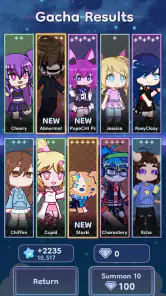
Beyond just designing characters, the game offers a range of mini-games and story modes that add depth to your gaming experience. These mini-games are not only a fun distraction but also a way to earn in-game currency to buy more customization items. The story mode is where Gacha Life 2 really shines. It lets you delve into different narratives, meet quirky characters, and even make decisions that influence the outcome of the story. It's like living in your own anime series!
More From Our News Desk

Clash of Clans Is Won Between the Battles

Android Auto Makes the Case for Quieter Car Software

MobiOffice: Transforming Mobile Productivity with Seamless Integration

EA SPORTS FC™ Mobile Soccer: Redefining Mobile Sports Gaming

How Microsoft OneDrive Became a Mobile Productivity Giant

How Google Translate Breaks Language Barriers Effortlessly
Let stories inspire, rather than dictate, a session
For a relaxed session, I’d treat the story elements as prompts rather than a checklist: play when you want a change of pace, then return to designing when that is what you came for. A practical routine is to finish one small creative task before switching modes, such as settling a character’s look and then trying a brief diversion. That gives each visit a natural stopping point and helps prevent the game from feeling like a collection of chores.
Its month-to-month value depends on whether you enjoy returning with fresh ideas. A player who likes inventing characters can find reasons to revisit the editor; someone who only wants a burst of novelty may run out of motivation once the initial experimentation is over. The mini-games and story content offer variety, but they may not hold the attention of someone looking for deep strategic systems or a long-form narrative with extensive progression.
Share a finished idea, or keep creating privately
Gacha Life 2 is not just about playing solo; it’s about connecting with others. The game has a vibrant community where you can share your character designs, stories, and even get feedback from other players. I found it super rewarding to see how others styled their characters and to get inspired by their creativity. Plus, with the app's built-in screenshot and sharing features, showing off your creations has never been easier.
Sharing is most useful when you have a specific idea to show, rather than expecting every design to receive attention. I’d keep a personal goal in mind—such as presenting a character’s outfit or a short scene—so the process stays enjoyable even if feedback is limited. And if you prefer to create privately, the character-making appeal still works on its own; social participation is not the only reason to open the game.
Keep the routine light and self-directed
For those who are new to the game, getting started is a breeze. The user interface is intuitive, and the tutorial guides you through all the basics, from character creation to exploring the different game modes. Before you know it, you'll be crafting your own unique stories and characters. It's designed to be accessible, so you don't need to be a gaming expert to enjoy all it has to offer.
In everyday use, I can imagine opening it after school or work, making one small change to a character, and saving the bigger story idea for another visit. That kind of low-pressure routine suits a casual game better than expecting every session to deliver a major new unlock. The maintenance burden is light in the sense that the core activity is self-directed, but that freedom can also mean you need to supply your own goals. If you dislike deciding what to make, the open-endedness may feel like a lack of direction.
Before installing, it is worth matching the game to the device and audience. It is free, rated for Everyone, and its minimum operating system is Android 5.0; the current version is 0.95. Lunime is the developer. The game was released on October 10, 2023, and its average rating is 4.2 from around 241,000 ratings, with over 10 million installs. Those figures suggest broad interest, but they cannot tell you whether its creative rhythm suits you personally. If you want a low-cost way to experiment with anime-inspired designs, it is an easy one to try; if you need a particular device capability or a highly guided experience, check that fit before committing your time.
Where the freedom can turn into friction
The main source of fatigue is repetition in the creative loop: choosing details, reconsidering them, and searching for a fresh concept. That loop is a strength when you arrive with an idea, but weaker when you expect the game to keep generating new objectives for you. I would not recommend it to someone who gets impatient with menus or wants action to drive every session. A more directly goal-based casual game is likely a better choice for that player.
There is also a trade-off between breadth and focus. Having many ways to spend time can make the experience feel flexible, yet it can leave a newcomer unsure whether to design, play, or build a story first. I suggest picking one activity for the first few visits and branching out only when it starts to feel familiar. This makes the learning curve gentler without requiring a long tutorial session.
Who is likely to keep coming back?
I think the strongest match is someone who likes character design as an activity in its own right: an anime fan sketching out a cast, a player who enjoys giving each character a visual identity, or a younger creative looking for a low-pressure way to explore outfits and personalities. It can also suit friends who enjoy comparing designs, provided they treat sharing as a pleasant extra rather than the whole point. If you mainly want a game to fill a short pause, the mini-games may provide a change of pace, but I would not choose this expecting every visit to feel like a new challenge.
A practical way to tell whether it belongs in your routine is to set a small project for the week: make one character with a clear role, then revisit it once to adjust a detail or build a related look. If that follow-up feels fun, the editor is giving you a reason to return. If it feels like an obligation, there is no need to force a daily habit; this is a casual creative pastime, not something that needs constant attention to make sense.
How it compares with other casual games
Compared with quick-round casual games, this asks more of your imagination and less of your reflexes. A familiar match or arcade game supplies a clear immediate objective; here, you supply the brief and decide when a design is done. That makes it more personal, but also less satisfying for players who want regular wins, increasing difficulty, or a tightly directed sequence of goals. Compared with a conventional character creator, the appeal is that creation sits alongside story and mini-game diversions, rather than being only a tool for making a portrait.
There is a useful trade-off in that combination: switching modes can refresh a session, but it does not necessarily replace the deeper progression found in a dedicated story game or the immediate structure of a score-based casual title. I’d pick this when I want to invent a character and explore a mood, and choose another game when I want a challenge that tells me exactly what to do next. That distinction is more helpful than treating it as a universal substitute for every casual game.
Small habits that make the editor easier to enjoy
When I have several ideas competing for attention, I’d write down a short character premise before opening the editor: role, mood, and one defining visual detail. That gives each choice a reason and helps avoid repeatedly changing unrelated parts of a design. For a group, I’d vary a noticeable element such as the overall silhouette or palette, rather than relying on tiny accessories to distinguish characters. These are simple creative constraints, but they make a growing cast easier to read and give a session a clear finish line.
I’d also separate experimentation from polishing. The first pass can be deliberately rough: try a few directions, settle on the one that communicates the character best, and only then refine the smaller details. This is a useful way to keep customization from becoming an endless hunt for a perfect option. If you are making something to share, decide what the viewer should notice first; if you are creating just for yourself, stop when the character feels coherent to you. Both approaches protect the fun from turning into needless tweaking.
Long-term verdict: a creative tool with a specific audience
In conclusion, Gacha Life 2 is a delightful blend of creativity, storytelling, and social interaction. Whether you're a die-hard fan of the original or a newcomer looking for a fun and engaging app, this game has something to offer everyone. It's more than just a game; it's a community, a creative outlet, and a way to be part of a larger world. So why not give it a try and see where your imagination takes you?
My longer-term verdict is more specific: it earns space on your device if designing characters is an activity you naturally return to, especially when you enjoy inventing a cast or sharing visual ideas. It is less compelling if you need frequent, externally set goals to stay engaged. I’d start with a small design project, see whether you feel drawn back to refine or expand it, and let that answer the question of lasting value. The best reason to keep it is not the size of its feature list, but whether making something in it remains satisfying after the first burst of curiosity has passed.
Gacha Life 2 Frequently Asked Questions
Does Gacha Life 2 need much storage space or a powerful phone?
Before downloading, it is sensible to check that your device has room for another game and can run its supported operating system. Gacha Life 2 is a casual character-creation game, so its appeal is focused on making and styling anime characters rather than demanding action. Device performance can vary, however, so keeping your operating system up to date may help you get a smoother experience.
What can I create in Gacha Life 2?
The main creative activity is making anime-style characters and dressing them in stylish fashion outfits. You can experiment with different looks and use the customization options to give characters a more personal style. If you enjoy designing characters or coming up with ideas for scenes and stories, that creative focus is likely to be the biggest reason to try the game.
Who developed Gacha Life 2, and when was it released?
Gacha Life 2 was developed by Lunime and released on October 10, 2023. Knowing the developer and release date can help you identify the game when searching for it on a mobile app store. It is a casual game built around anime-style character creation and fashion, rather than a general-purpose editing or social networking app.
What age rating does Gacha Life 2 have?
Gacha Life 2 is rated Everyone, and its casual character-creation focus makes it approachable for a broad audience. The rating is a useful starting point for parents deciding whether it suits their child, but it does not replace checking the game together or setting household rules for device use. Its main appeal is creating anime-style characters and dressing them in fashion outfits.
What is Gacha Life 2 and how is it different from the original Gacha Life?
Gacha Life 2 is the sequel to the popular Gacha Life game, offering enhanced customization options for characters, new mini-games, and an expanded world to explore. While retaining the beloved features of the original, Gacha Life 2 introduces fresh elements such as new clothing, accessories, and backgrounds, allowing users to create even more unique and personalized characters.
Pros
- Vast character customization options.
- Engaging mini-games for rewards.
- Creative storytelling features.
- Regular updates and events.
- Accessible for all age groups.
Cons
- In-app purchases can be costly.
- Requires stable internet connection.
- Occasional bugs and glitches.
- Limited offline functionality.
- Ads can be intrusive at times.

- Category
- Casual
- Version
- 0.95