The Ants: Underground Kingdom
- 35.69K
- 4.2
- Installs
- 50.00M
- Price
- Free

Screenshots
Analysis by Reviewed
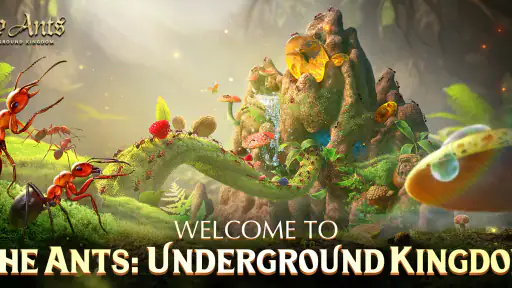
I like strategy games that make growth feel like a series of choices rather than a race to tap through upgrades, and an ant colony is an appealing setting for that. The Ants: Underground Kingdom puts the queen and the survival of her colony at the center of its premise. The result is a mobile strategy game about building, managing and defending an underground home, with a social side that can make decisions feel larger than your own nest.
Choosing what the colony needs next
The main appeal is weighing immediate needs against future plans. Expanding may feel productive, but growth also brings more to manage; concentrating on the colony’s foundations can be wiser if you want a steadier pace. I’d approach each session with one priority in mind—development, resources or protection—rather than trying to push every part forward at once. That simple habit makes the decisions easier to follow and helps prevent progress from feeling like busywork.
This is a good fit if you enjoy watching a small settlement take shape and are happy to think several steps ahead. It is less suitable if you want a strategy game built around short, self-contained matches: colony development asks for patience, and the appeal is in returning to a growing project rather than finishing a complete contest in one sitting.
Making a plan that fits a short session
A useful everyday approach is to open the game with a small question rather than a vague intention to “make progress”: what is most likely to hold the colony back before my next visit? If development is already moving in the direction I want, I can spend the session checking whether resources or protection need attention instead. That kind of rotation gives each visit a purpose without turning a casual mobile game into a checklist I feel obliged to complete.
For example, on a busy day I might check in during a lunch break, make one decision that supports the colony’s current priority, and leave the rest for later. Before closing, I’d think about whether the next move depends on a decision I can make now or whether it is better to wait and reassess. The benefit is not a guaranteed shortcut; it is avoiding a string of disconnected choices that leave me unsure why I expanded in the first place.
What kind of strategy it asks for
People sometimes use “strategy game” to mean a tactical contest where every turn demands an immediate counter. This plays in a different register. Its central satisfaction comes from shaping a persistent colony and deciding how to distribute attention across growth, resources and safety. I find that distinction useful when choosing between it and the usual alternatives: a match-based tactics game is easier to pick up for a complete, contained challenge, while this is a better fit if I want a project that continues between visits.
It also differs from a simple city-building game because the ant-colony framing makes protection and the surrounding social world part of the strategic picture. That does not mean every player has to approach it as a constant contest. If I want a calmer session, I can keep my attention on building and management; if I enjoy the pressure of interaction, the social layer gives those choices broader consequences. The trade-off is that a persistent world can feel less fully under my control than a solo puzzle.
More From Our News Desk

Weather by Xiaomi Review: Clear at a Glance, Less Clear Up Close

X Under Pressure: Can It Recover When Posting Goes Wrong?

Clash of Clans Is Won Between the Battles

Android Auto Makes the Case for Quieter Car Software

MobiOffice: Transforming Mobile Productivity with Seamless Integration

EA SPORTS FC™ Mobile Soccer: Redefining Mobile Sports Gaming
The Thrill of the Colony
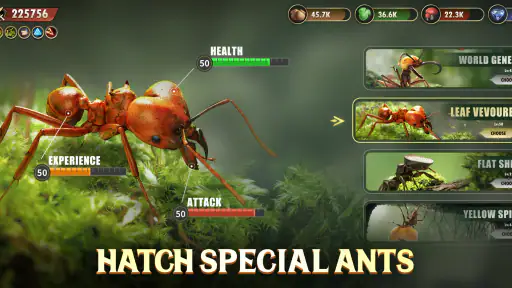
Once you dive into The Ants: Underground Kingdom, you're in for a treat. You start as a humble ant, building and managing your underground empire. It's like playing God, but with ants. And let me tell you, it’s incredibly satisfying to watch your little ant army grow and expand.
Gameplay Experience
What really sets this game apart is its attention to detail. You’ll find yourself in charge of everything from constructing the right chambers for your ants to defending your kingdom from enemy invasions. It’s both strategic and immersive, keeping you on your toes as you make crucial decisions for your colony.
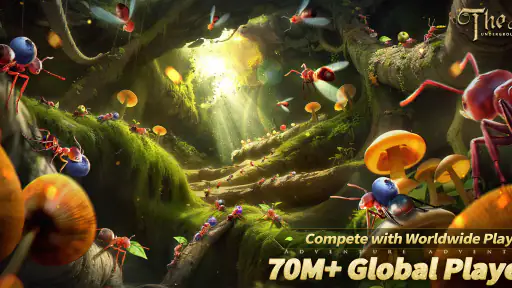
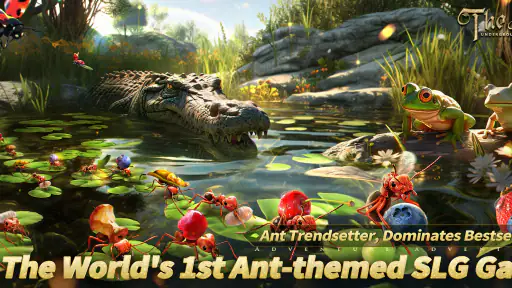
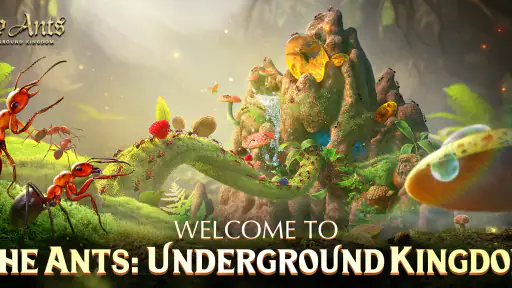
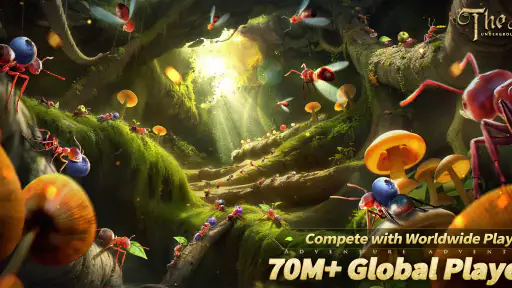
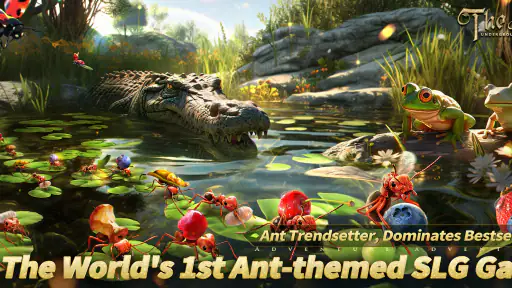
The game mechanics are smooth, and the graphics are surprisingly detailed for an app of this nature. You can almost feel the damp earth beneath your feet as you navigate through your underground kingdom. It's these little touches that make the game so engaging.
Building Strategies
One of the coolest aspects of the game is developing your strategies. You need to think like an ant: what resources are necessary, how to expand without overextending, and how to protect your queen at all costs. It’s a brain workout, but in the best possible way.
As your colony grows, you’ll have to balance between expansion and sustainability, ensuring that your ants have enough food and shelter. It’s a delicate balance that requires both quick thinking and long-term planning.
Planning around risk and change
Expansion has a clear trade-off: it can strengthen your colony’s prospects, but taking on too much at once can leave less attention for basic needs and defense. I recommend checking what needs attention before committing to another building decision, especially if you are about to leave the game for a while. A small, deliberate plan is more useful than making several changes without considering how they fit together.
The social layer also changes how I’d think about risk. Alliances can make the world feel less solitary, while conflict adds pressure that a purely personal base-builder does not have. If competition is not your reason for playing, focus on the colony-building side and treat player interaction as an optional source of context rather than the whole point.
Adapting without chasing every signal
Long-term planning is most useful when it remains flexible. If I return to find that the colony’s immediate needs have shifted, I would rather revise the next step than keep following a plan simply because I made it earlier. That is a practical form of counterplay in a game with a social dimension: protect the parts of development that matter to me, avoid making every outside challenge dictate my choices, and respond only when the situation genuinely affects my priorities.
This mindset also helps answer a common question: do I need to treat every visit as urgent? I would not. A persistent strategy game can create a sense that there is always one more thing to do, but I get more enjoyment from choosing a manageable goal than from trying to react to everything. When I want a low-pressure session, I can stay focused on my own colony; when I want a more competitive experience, I can give the wider community more attention.
Gameplay that rewards a routine
For an everyday routine, I’d check in during a break, identify the colony’s most pressing need, and make one or two purposeful decisions before moving on. Later, I’d return to see whether that plan still makes sense. This approach suits a game whose satisfaction comes from gradual growth; it also helps keep a mobile strategy title from taking over every spare moment.
Compared with strategy games built around quick rounds or direct tactical battles, this one is more about maintaining a living settlement and managing its development over time. That makes it a better choice for someone who enjoys a persistent project than for a player seeking an immediate, neatly finished challenge. If you prefer clear match boundaries and little ongoing upkeep, a round-based strategy game may suit you better.
Who will enjoy the long game
StarUnion’s strategy game is free to play and is rated for Everyone, so it is approachable for a broad audience. It has an average rating of 4.2 from around 1.1 million ratings, with over 50 million installs; those figures suggest a substantial audience, though popularity alone cannot tell you whether its pace will suit you. The game was released on April 23, 2021, and version 3.68.4 supports Android 5.0 and later. It is also available on iOS.
In-app purchases range from $0.29 to $99.99 per item, so spending is a real consideration, even though paying is not the same as enjoying the core colony-management loop. I’d decide in advance whether I want to spend anything and avoid treating purchases as a shortcut to solving every planning problem. The game is best approached at a pace that feels comfortable, not as a race against other players.
Its 36,000 reviews reflect a large body of player feedback, but I would still judge it by the kind of play it asks for: patient development, attention to resources and a willingness to engage with a competitive community. The specific strength is how those colony decisions connect to the ant setting; the limitation is that persistent growth and social pressure may not be relaxing for everyone.
Spending, patience and personal limits
Because the game is free to start but offers purchases, I would make a personal spending rule before a tempting moment arrives. Some players are comfortable paying for convenience; others prefer to keep a strategy game entirely casual. Either approach can work, but I would not buy something just because I feel behind or assume a purchase will remove the need to make thoughtful decisions. If avoiding optional spending is important to you, it is worth treating that as part of your plan from the beginning.
Another question is whether the game is suitable for younger players. Its Everyone rating makes it broadly accessible, but I would still consider the persistent, social nature of play and the presence of in-app purchases when deciding how it fits into a family routine. The age label is one useful signal, not a replacement for setting expectations about time and spending.
Depth over time
As the colony grows, I would periodically pause before expanding and ask whether the next step solves a genuine need or simply adds another task. That question is a useful way to keep long-term planning manageable. It also leaves room to adapt when the balance between development and protection changes, rather than sticking to an early plan just because it once seemed sensible.
For players who enjoy learning through steady adjustments, this gives the game a satisfying horizon beyond the first stretch of building. For anyone who wants every session to offer a fresh, self-contained puzzle, the ongoing nature of the colony may feel repetitive. The distinction matters more than the theme: the ants make the setting memorable, but the lasting appeal comes from choosing what to prioritize and living with the trade-offs.
When another strategy game is a better fit
I would skip this if I mainly want a game I can finish in a few minutes and put away without thinking about it again. A puzzle strategy game or a match-based tactics title is a better choice when I want a clean beginning and ending in each session. I would also be cautious if competition with other players tends to make me feel pressured; the social side can add interest, but it may not be the reason everyone wants to play.
On the other hand, someone who likes checking in on a project, adjusting priorities and watching a themed settlement take shape is much closer to its intended audience. The ant setting gives the management loop a distinct identity, while the need to balance expansion with stability gives me a reason to reconsider decisions instead of simply tapping through a fixed sequence. That is the game’s strongest strategic appeal, as long as its slower horizon sounds enjoyable rather than like an obligation.
My strategy verdict
So, if you’ve ever been curious about the inner workings of an ant colony, or if you just love a good strategy game, The Ants: Underground Kingdom is definitely worth checking out. It's a game that’s not only fun but also educational in its own quirky way. Just be warned—you might find yourself thinking about ants a lot more than you ever have before!
The Ants: Underground Kingdom Frequently Asked Questions
What is The Ants: Underground Kingdom about?
The Ants: Underground Kingdom is a strategy game centered on building an ant colony, so it may appeal to players who enjoy developing a base and making plans for growth and defense. Its premise follows a queen sending out a distress signal and asking for help building the ant kingdom. The game is free to play, with optional in-app purchases.
What kind of experience does The Ants: Underground Kingdom offer?
The Ants: Underground Kingdom is a strategy game centered on building an ant colony, so it may appeal to players who enjoy developing a base and making plans for growth and defense. Its premise follows a queen sending out a distress signal and asking for help building the ant kingdom. The game is free to play, with optional in-app purchases.
What is the main objective of The Ants: Underground Kingdom?
The Ants: Underground Kingdom is a strategy game where you build and manage your own ant colony. Players must gather resources, expand their underground territory, train soldier ants, and defend their colony against threats. The game's objective is to create a thriving ant empire by making strategic decisions and alliances.
Is The Ants: Underground Kingdom free to play?
Yes, The Ants: Underground Kingdom is free to download and play. However, like many mobile games, it offers in-app purchases, priced from around $0.29 to $99.99 per item. Players can buy items or resources to speed up progress or enhance gameplay. While in-app purchases are optional, they can provide a competitive edge or convenience in the game.
What platforms is The Ants: Underground Kingdom available on?
The Ants: Underground Kingdom is available on both Android and iOS platforms. Players can download the game from the Google Play Store for Android devices and the Apple App Store for iOS devices. The game requires a stable internet connection to play, as it features multiplayer elements and real-time strategy gameplay.
Pros
- Engaging strategy gameplay.
- Rich and detailed graphics.
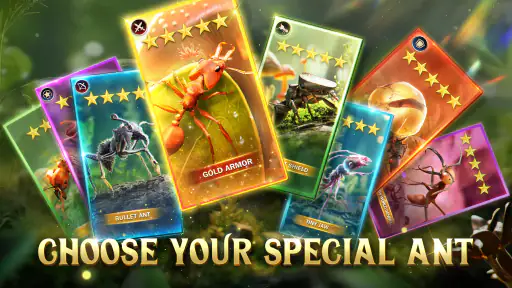
- Diverse ant species to control.
- Challenging missions and quests.
- Regular updates with new content.
Cons
- Requires constant internet connection.
- Can be time-consuming.
- In-app purchases can be pricey.
- Learning curve for beginners.
- Occasional bugs and glitches.
- Category
- Strategy
- Version
- 3.68.4