Sesame Street Alphabet Kitchen
- 877.00
- 3.8
- Installs
- 10.00M
- Price
- Free
Screenshots


Analysis by Reviewed
When I first open Sesame Street Alphabet Kitchen, I expect a playful literacy game built around Elmo, Cookie Monster, and kitchen-themed activities. I’d treat it as a short, hands-on way to explore letters and vocabulary, rather than a complete reading course. It’s an educational game from Sesame Workshop, rated for Everyone, and free to download, with optional in-app purchases priced at $2.99 per item.
Getting from install to the first activity
The easiest first step is to sit with your child for a moment and let them explore the kitchen setting. Young children may want to tap characters and pictures before focusing on the letter task; that’s a natural way to get comfortable. When the game presents a word-making activity, invite your child to choose a letter and say its name aloud. That small exchange turns a screen interaction into a useful shared practice without making the session feel like a lesson.
For a first successful moment, keep the goal modest: make one word together, then ask your child to point out or repeat one of its letters. If they are not ready to recognize letters independently, you can model the choice and let them take the next turn. I find that this kind of turn-taking is more reassuring than expecting a preschooler to work through every activity alone from the start.
What the kitchen teaches—and what it doesn’t
The cooking theme gives letter practice a concrete context: letters become ingredients, and combining them can lead to words. That framing can help a child who loses interest in flashcards, because they are doing something with the letters instead of only looking at them. It also gives a parent easy prompts to use away from the device: “Which letter did we add?” or “Can you hear the first sound?” Keep those questions playful; the game is at its best when curiosity leads.
It is still a focused early-literacy activity, not a broad collection of subjects. A child looking for open-ended drawing, number practice, or a long story may be happier with a different app. Likewise, children who already read simple books confidently may find the letter-and-word play too introductory to hold their attention for long. I’d use it as a supplement, not as a replacement for reading together, talking, or handling real books.
Whipping Up Some Alphabet Soup
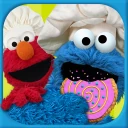
In Sesame Street Alphabet Kitchen, kids get to join Cookie Monster and Elmo in a whimsical kitchen where letters are the main ingredients. The app cleverly uses cooking as a way to teach children about letters and words. Imagine your child laughing along with Cookie Monster as they create "word cookies" by choosing letters to form words. It's a hands-on experience that allows kids to experiment with different letter combinations, all while having a blast.
A Recipe for Learning
What makes this app stand out is how it seamlessly integrates learning with play. Kids aren't just passively absorbing information; they're actively participating in the learning process. The app encourages them to experiment with letters, fostering a sense of curiosity and wonder about language. With each word they create, they receive positive reinforcement from their favorite Sesame Street characters, which boosts their confidence and keeps them engaged.
More From Our News Desk

Weather by Xiaomi Review: Clear at a Glance, Less Clear Up Close

X Under Pressure: Can It Recover When Posting Goes Wrong?

Clash of Clans Is Won Between the Battles

Android Auto Makes the Case for Quieter Car Software

MobiOffice: Transforming Mobile Productivity with Seamless Integration

EA SPORTS FC™ Mobile Soccer: Redefining Mobile Sports Gaming
Moreover, the app is designed to be intuitive and easy to navigate, even for the youngest users. The bright and colorful graphics are visually appealing, capturing the attention of children while also aiding in their learning. The interactive nature of the app ensures that kids remain focused and interested, transforming what could be a mundane learning task into an exciting adventure.
The Perfect Blend of Fun and Education
One of the standout features of the app is its ability to adapt to different skill levels. Whether your child is just starting to learn their ABCs or they're already forming simple words, Sesame Street Alphabet Kitchen provides a tailored experience that grows with them. This adaptability makes it a valuable tool for parents who want to support their child's learning journey at every stage.
Furthermore, the app includes a variety of mini-games and activities that keep things fresh and exciting. From mixing up a batch of alphabet soup to baking word cookies, each activity is designed to reinforce literacy skills in a fun and engaging way. And let's not forget the delightful animations and sound effects that add an extra layer of enjoyment to the whole experience.
Making it part of an everyday routine
A practical time to try it is while dinner is being prepared or during a quiet stretch at home, when an adult can stay nearby without directing every tap. For example, a parent can invite a child to make a word, then connect it to something in the room or on the table. That brief link between screen and everyday language is more valuable than simply letting the game run in the background. I would keep sessions child-led and stop when attention fades rather than turn the activity into a test.
Compared with alphabet flashcard apps, the kitchen setting offers more imaginative play and character interaction, though it may be less direct if your only aim is quick letter drills. Compared with a full phonics program, it feels like a lighter introduction to experimenting with letters and words, not a step-by-step curriculum. That distinction matters: choose this when a child responds to Sesame Street and playful making, and choose a more structured option when you need systematic lessons or progress tracking.
Small trade-offs to consider
The main practical limitation is that a lively character-led game can hold attention for the animation as much as for the literacy task. I’d occasionally pause and ask the child to name the letter they just used, so the learning stays active rather than becoming background entertainment. Another useful approach is to take turns: the adult chooses one letter and the child chooses another. It reduces frustration for a beginner while still leaving the child in control of the word-making experience.
The game has an average rating of 3.8 from around 15,000 ratings, and it has been installed over 10 million times. Those figures suggest it has found a broad audience, but they don’t tell me whether it suits a particular child; their comfort with letters and interest in the characters matter more. It runs on Android 5.1 or later, and the current version is 2.6.2. I’d check the purchase prompts with an adult before handing over the device, since optional items cost $2.99 each; the basic download is free.
Who I’d recommend it to
I’d recommend giving it a try for preschool-age children who enjoy Elmo or Cookie Monster and are beginning to notice letters or build simple words. It can also work well for a caregiver who wants a shared activity with an obvious conversation starter. I’d skip it for a child who dislikes character-led play, needs a tightly sequenced reading program, or is already beyond basic word formation. Sesame Workshop’s familiar cast is a genuine draw, but it can’t make every child enjoy the same style of learning.
A low-pressure way to build confidence
For a child who knows some letter names but hesitates when asked to use them, I’d make the first visit about choosing rather than getting answers right. Offer two letters as possibilities, let the child decide which to try, and celebrate the attempt before moving on. This keeps the activity from feeling like a quiz and gives a shy learner a manageable role. If the child is eager to take over, step back and let them lead; if they stall, model one choice and invite them to make the next.
There’s also a useful way to stretch a brief play session without simply adding more screen time. After making a word, look for something nearby that begins with the same sound, or ask the child to find that letter on a familiar book cover. The connection doesn’t have to be exact or formal. The point is to help a child notice that letters and sounds belong to everyday life, not only to the kitchen game.
Choosing the right moment and companion
This works best when a child has enough calm to pay attention and an adult can be close enough to join in. It can be a pleasant choice during a short wait at home or as a shared activity before dinner, but I wouldn’t rely on it to occupy a child who is already tired or frustrated. When attention is low, the animated characters may still attract taps while the learning part gets lost. Ending on one completed word is a better outcome than insisting on finishing a longer stretch.
For siblings or children at different stages, taking turns can make the game easier to share: one child can name a letter while the other chooses, then swap roles. That is not a substitute for separate practice if one child needs more support, but it can prevent the more confident child from doing every action. I’d keep the adult’s prompts simple and avoid correcting every sound; too much coaching can take the fun out of experimenting.
What to expect as a parent
A parent may reasonably wonder whether the game can teach reading on its own. I wouldn’t expect that. It offers a playful place to encounter letters and try making words, while children still benefit from conversation, stories, and repeated practice in different settings. Think of it as one small tool in a wider routine, especially useful when a child is motivated by familiar characters and hands-on choices.
Another practical question is whether to leave a young child to explore independently. The simple, colorful presentation may make it approachable, but a first shared session is still worthwhile: it helps you see what captures the child’s attention and gives you a chance to turn a tap into a spoken letter or word. After that, you can judge whether they are happily exploring or mainly watching the animations. I’d stay nearby rather than assume every minute on screen is active learning.
Where it fits among literacy apps
Some early-reading apps focus on repeated drills, a clear progression, or a broad set of phonics exercises. That kind of structure can be a better match when a family wants a planned sequence or needs practice with specific skills. This game’s appeal is different: it wraps letter play in a Sesame Street kitchen and gives children a more imaginative reason to interact. If that theme is what gets a reluctant learner to try a word, the less formal approach can be a real advantage.
On the other hand, a child who wants open-ended creativity may prefer a drawing or pretend-play app, while a child ready for sustained reading needs books and more systematic instruction. I wouldn’t choose this as a general entertainment game for every situation, nor as a complete literacy curriculum. Its strongest role is narrower and clearer: a short, character-led opportunity to practice early letters and words with an adult available to encourage useful conversation.
Making a good first choice
Sesame Street Alphabet Kitchen is most likely to click when the child already recognizes the characters or enjoys playful kitchen themes. If they don’t respond to Elmo and Cookie Monster, give them a chance to try the activity before deciding, but don’t assume the familiar cast will be enough to hold their interest. Their reaction to choosing letters and forming words is the better guide. A first session can be brief: explore, make one word together, and see whether they want another turn.
The game is free to download, and its optional purchases are something I’d review with a child before handing over a device. For a family that prefers to avoid accidental spending, an adult can handle the initial setup and stay available if a purchase prompt appears. That small bit of preparation makes the first experience calmer, especially when a young user is still learning that not every on-screen choice is part of the activity.
In conclusion, if you're on the hunt for an app that combines education with entertainment, Sesame Street Alphabet Kitchen is a fantastic option. It's a wonderful way for children to learn about letters and words while having a great time with their favorite Sesame Street characters. So, grab your chef's hat and get ready for a learning adventure that your kids won't want to miss!
Sesame Street Alphabet Kitchen Frequently Asked Questions
Does Sesame Street Alphabet Kitchen help children practice spelling?
Yes. Sesame Street Alphabet Kitchen is built around making words, giving children a playful way to encounter letters and connect them with vocabulary. Elmo and Cookie Monster bring a familiar Sesame Street feel to the activities, which can make early literacy practice more inviting. It is best viewed as a light educational game rather than a replacement for reading together or other learning activities.
What kind of learning activities does Sesame Street Alphabet Kitchen offer?
The game focuses on early literacy and vocabulary through playful word-making activities. Children can explore letters and words in a Sesame Street kitchen setting with Elmo and Cookie Monster, giving the learning a character-led, hands-on feel. This makes the app most relevant to children who are starting to notice letters and build familiarity with words, rather than older learners seeking advanced lessons.
What age is Sesame Street Alphabet Kitchen best suited for?
Sesame Street Alphabet Kitchen is an educational game for young children, with activities focused on early literacy and vocabulary. Its Sesame Street characters and playful word-making theme may appeal especially to preschoolers who are beginning to explore letters. The game is rated Everyone, while parents can decide whether its activities suit their child’s age, interests, and learning stage.
What is Sesame Street Alphabet Kitchen?
Sesame Street Alphabet Kitchen is an educational app designed for young children. It features beloved characters from Sesame Street who guide kids through fun and interactive games aimed at teaching them about letters and words. The app encourages literacy skills development by allowing children to 'bake' words with Cookie Monster and Elmo, making learning both fun and engaging. Its store description highlights practicing early literacy skills and building vocabulary with these familiar characters.
Is Sesame Street Alphabet Kitchen suitable for all ages?
Sesame Street Alphabet Kitchen is primarily designed for preschoolers, typically aged 3 to 5 years. It focuses on early literacy skills, making it perfect for young children just beginning to explore letters and words. However, parents should consider their child's individual learning pace and interest in such educational content before downloading. The game carries an Everyone content rating, but its learning activities are most relevant to children who are developing early reading skills.
Pros
- Engaging educational content for kids.
- Colorful and appealing graphics.
- Promotes creativity and learning.
- Easy for young children to navigate.
- Includes familiar Sesame Street characters.
Cons
- Limited free content available.
- In-app purchases may be needed.
- Requires internet for some features.
- May not hold older kids' interest.
- Ads can be distracting for kids.
- Category
- Educational
- Version
- 2.6.2