Romance Club - Stories I Play
- 5.06K
- 4.5
- Installs
- 50.00M
- Price
- Free

Screenshots




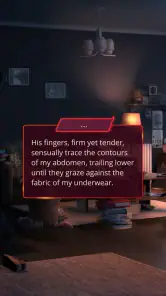



Analysis by Reviewed
I came to Romance Club expecting a romance-focused reading game, and the best way to approach it is as a collection of stories where your decisions are part of the entertainment. You follow a central character, meet people, and choose how to respond as the plot develops. That makes each session feel more active than reading a novel, though it also means the pace depends on how much time you want to spend considering each choice.
What to expect from its stories
Romance Club - Stories I Play is a simulation game from Your Story Interactive, built around visual storytelling rather than action or complex controls. Its stories move across romance, mystery, supernatural themes, historical drama, and contemporary settings. I’d recommend it to someone who likes character-focused fiction and wants to influence the tone of a scene, not to someone looking for a fast game with constant gameplay challenges.
The app is free to download, has a 4.5 average from around 935,000 ratings, and has passed 50 million installs. It is rated Mature 17+, so it is intended for an adult audience. It first appeared on March 6, 2018, and works on Android 5.1 or later. In-app purchases range from $1.99 to $99.99 per item, so it is worth deciding in advance whether you are comfortable spending on optional content.
Getting started without overthinking it
When you open a story, give yourself a moment to settle into its setting and characters instead of trying to optimize every decision immediately. The appeal is partly in seeing how your interpretation of a situation changes what comes next. If you are new to interactive fiction, choose a story whose genre already interests you; that makes it easier to stay invested while you learn the rhythm of reading dialogue and making choices.
A practical first session can be short: read until a meaningful decision appears, choose the response that feels most like your character, and notice how the scene changes. You do not need to treat the opening as a test with one correct answer. I find that the experience is more enjoyable when I make choices based on the character I want to play, rather than constantly second-guessing which option might be best.
Choices, customization, and spending
Character customization adds a personal touch, while the illustrations and dialogue help distinguish one story’s mood from another. The trade-off is that this is still a reading-led experience: if you prefer to control movement, solve puzzles, or compete in short rounds, its visual presentation may not provide enough hands-on play. It suits a quiet break better than a game you can operate without paying attention to the text.
Some choices and items use in-app currency, so a free start does not guarantee that every option you want will be available without spending. The game offers ways to earn currency through daily tasks and ad viewing, but those routes ask for time and can interrupt the story’s flow. I’d pause before spending on a choice, consider whether the moment matters to your enjoyment, and set a budget if you know you are easily tempted by dramatic scenes.
More From Our News Desk

Weather by Xiaomi Review: Clear at a Glance, Less Clear Up Close

X Under Pressure: Can It Recover When Posting Goes Wrong?

Clash of Clans Is Won Between the Battles

Android Auto Makes the Case for Quieter Car Software

MobiOffice: Transforming Mobile Productivity with Seamless Integration

EA SPORTS FC™ Mobile Soccer: Redefining Mobile Sports Gaming
Choose Your Own Love Adventure
The core of Romance Club - Stories I Play revolves around its unique approach to storytelling. You’re not just passively absorbing a story; you’re shaping it. Picture this: you’re the main character in a gripping love saga, and every decision you make influences the storyline. Will you follow your heart or your head? Each choice leads to different paths and, ultimately, different endings. This immersion is what sets the app apart from your typical romance novels.
A Variety of Stories to Dive Into
One of the most exciting aspects of the app is the variety of stories available. From steamy romances to thrilling mysteries, there’s something for everyone. Whether you’re into the supernatural, historical dramas, or contemporary love stories, the app delivers. You can switch between genres and discover new stories that keep you on your toes. It’s like having a Netflix binge session, but with books!
Character Customization and Engagement
Another feature that keeps me hooked is the character customization. You have the freedom to design your character’s appearance, making the experience feel even more personal. Plus, the app’s stunning visuals and engaging dialogues pull you further into the world of each story. It’s not just about reading; it’s about living the story, and trust me, the graphics and narrative quality make a huge difference.
Monetization and In-App Purchases
Now, let’s talk about the elephant in the room: in-app purchases. While Romance Club - Stories I Play is free to download and play, certain choices and items within the game require in-app currency. This can be a bit of a bummer if you’re looking to play for free. However, the app does provide opportunities to earn currency through daily tasks and watching ads, which is a nice touch for those who are patient and don’t mind a few interruptions.
All in all, Romance Club - Stories I Play offers a refreshing take on interactive storytelling. It’s perfect for those who want to delve into different worlds and live out dramatic stories without leaving their couch. Whether you’re a seasoned reader or just dipping your toes into the romance genre, this app has something magical to offer. Don’t just take my word for it, give it a try and get ready to step into the shoes of your favorite characters. Happy adventuring!
Making it fit an ordinary day
I think this works best when you treat it as a focused reading break rather than something to dip into while distracted. For example, on a commute where you have a comfortable seat and a little uninterrupted time, you can read a scene and make a decision without losing the thread. If you only have a minute between errands, stopping before an important exchange may be less frustrating than rushing through dialogue and choosing carelessly.
Compared with a conventional romance novel, the draw here is agency: you can steer a character’s reactions instead of following a fixed account. Compared with a typical mobile game, the emphasis is reversed; the story, not reflexes or competition, is the main event. That distinction matters. Readers who enjoy replaying scenes in their imagination may appreciate the branching feel, while people who want a clearly signposted, single canonical plot may prefer a book.
Small habits that make choices feel better
One useful approach is to decide what kind of person you want your protagonist to be before a tense conversation. Maybe you want someone cautious, bold, or openly affectionate. Keeping that loose idea in mind makes choices feel coherent, and it prevents the experience from turning into a hunt for an imagined perfect route. I also like to pause when a decision has emotional weight; reading the surrounding dialogue carefully can make the response feel more satisfying than tapping through quickly.
Switching genres can be a good way to reset if one plot is not clicking, but it also means you may be juggling different casts and tones. I would start with one story, give its premise enough time to land, and branch out only when you know what kind of mood you want. If you enjoy a particular character dynamic, stay with that thread rather than sampling everything at once. The app is easier to enjoy when you choose deliberately instead of treating its library as a checklist.
Who will enjoy it—and who may not
This is a strong fit for readers who like romantic tension, visual character scenes, and decisions that make a story feel personal. It can also suit someone who wants a low-pressure game to unwind with, provided they are happy to read and accept that some options involve currency. I would skip it if you mainly want free-form exploration, short skill-based challenges, or a story that never asks you to weigh a paid option against a preferred response.
For a first-time player, the simplest measure of success is not finding a “best” ending right away. It is choosing a story that appeals to you, settling into its cast, and reaching a decision that makes you curious about what follows. If that moment leaves you wanting another scene, the format is doing its job. If the reading feels like a chore or the purchase prompts spoil the mood, a standard ebook or another kind of game may be a better match.
A low-pressure way to begin
If you are deciding whether to install it, I would treat the first session as a small trial rather than a commitment to finish a long plot. Pick one premise that genuinely appeals to you, read enough to understand who the central character is, and stop at a natural pause. That gives you a fair sense of the writing and decision rhythm without turning the whole library into homework. You can always continue later if the characters have earned your interest.
A useful everyday example is winding down after dinner when you have a little quiet time but do not want a demanding game. I would open one story, keep the sound and attention level comfortable for reading, and make choices at my own pace. If a scene becomes tense, it is fine to leave the decision until you can give it proper attention. The key is to use the game when you can enjoy the dialogue, rather than trying to squeeze it into every spare moment.
How to handle paid options thoughtfully
The most practical question for a new player is whether spending is necessary to enjoy the stories. You can begin without paying, but the presence of currency-based options means that a free route may involve passing on some choices or taking time for the available earning methods. I would not assume that every appealing response is essential to understanding a plot. Decide what matters to you: a particular outfit or scene may feel worth saving for, while another paid choice may not change how much you enjoy the chapter.
Before tapping a purchase option, I recommend reading the choice carefully and asking whether the benefit is immediate enjoyment or simply anxiety about missing the “right” path. That distinction helps keep spending intentional. Daily tasks and ads can offer an alternative, but they are not frictionless: they take time and can pull you out of the fictional moment. If you dislike interruptions, it may be better to accept a less customized route than to turn every session into currency management.
Keeping track of several stories
Because the stories span different genres and casts, starting several at once can make it harder to remember the details that give each one its emotional weight. I find it easier to focus on one plot until I understand its main relationships, then sample another when I want a different mood. This is especially helpful if you play in short sessions: a quick mental note about the character’s current attitude or unresolved tension can make it easier to pick up where you left off.
There is also a trade-off between curiosity and continuity. Sampling a new story can rescue a session if the current premise is not working for you, but frequent switching can prevent any cast from becoming familiar. I would give a story a fair opening before moving on, then trust your reaction. If you are still reading only to unlock the next decision, that is a good sign the particular plot may not be your match.
What the choice system asks of you
The game is most satisfying when you see a choice as a way to express a character, not as a puzzle with a hidden answer key. That mindset is useful even when the consequences are unclear. A reply that feels emotionally honest can make the scene more engaging, while trying to predict every possible branch can slow the reading and make decisions feel like chores. I would only replay or reconsider a moment if curiosity itself is part of the fun for you.
It is also worth remembering that personalization has limits: you are guiding a written story, not freely inventing dialogue or directing every action. The appeal is in choosing among the responses the scene offers and watching the narrative take shape around them. Readers who want open-ended role-play may find that structure restrictive; readers who like a clear scene with a few meaningful points of control are more likely to find it comfortable.
Choosing the right alternative
Romance Club sits between a romance novel and a conventional mobile game. If your priority is uninterrupted prose, an ebook avoids choice prompts and currency considerations. If you want quick interaction, competition, or challenges that rely on timing, a puzzle or action game is a better fit. I prefer this game when I want the atmosphere of a character drama but still want some say in how the protagonist responds.
Its visual scenes and customization make it more personal than simply reading a fixed story, but those elements do not replace hands-on gameplay. That is a fair trade if you come for the characters and mood; it is a mismatch if you expect exploration or mechanical depth. I would also steer away if Mature 17+ content is not suitable for you or the person who might use the device. The age rating is an important part of deciding who should play, not a detail to overlook.
My recommendation for a first session
For a new player, I would choose a genre you already enjoy, read the opening without rushing, and make the first meaningful decision according to the personality you want the protagonist to have. Then notice whether the result makes you curious, rather than measuring success by whether you guessed the most advantageous answer. That is the clearest way to tell if the format suits you.
Romance Club is a good choice when you want a story-led break, enjoy visual character moments, and are comfortable balancing free options with occasional currency decisions. It is less convincing as a quick, distracted pastime or as a substitute for an action game. If the first scene leaves you wanting to know what happens next, keep going; if it feels like a sequence of prompts between stretches of text, choosing a book or another genre will probably make you happier.
Romance Club - Stories I Play Frequently Asked Questions
Is Romance Club appropriate for younger players?
Romance Club - Stories I Play is rated Mature 17+, so it is intended for adults rather than younger players. Its romantic, dramatic storytelling may include themes better suited to a mature audience. If you are choosing the game for someone else, consider the age rating and whether its relationship-focused stories are a good fit before downloading.
Does Romance Club offer different kinds of stories?
Yes. Romance is a central part of the experience, but the stories also explore genres such as drama, fantasy, and adventure. That variety can make the game appealing if you enjoy character-focused plots with different settings and moods. The experience is still built around interactive storytelling and romantic relationships, so that remains its defining feature.
Is Romance Club suitable for players who prefer stories without romance?
Romance is at the heart of Romance Club - Stories I Play, so it is best suited to players who enjoy character relationships and emotionally driven plots. The stories also draw on drama, fantasy, and adventure, giving the experience more variety than romance alone. The game is rated Mature 17+, which is worth considering before downloading.
Can my choices change the characters’ relationships and the story’s ending?
Yes. A central part of Romance Club - Stories I Play is choosing how your character responds as events unfold. Those decisions can affect the plot and its ending, which makes it rewarding to think about the kind of story you want to experience rather than simply tapping through the dialogue. Different choices can lead you through a different version of a storyline.
What is Romance Club - Stories I Play all about?
Romance Club - Stories I Play is an interactive storytelling game that allows players to immerse themselves in various romantic storylines. Users can make choices that affect the plot and ending of each story. The app provides a wide range of genres, including drama, fantasy, and adventure, ensuring a unique experience every time you play.
Pros
- Engaging storylines with diverse genres.
- High-quality graphics and visuals.
- Interactive choices affect story outcome.
- Regular updates with new stories.
- Free-to-play with optional purchases.
Cons
- In-app purchases can be expensive.
- Requires constant internet connection.
- Some stories feel too short.
- Limited customization for characters.
- Occasional bugs and crashes.
- Category
- Simulation
- Version
- Varies with device