My Story: Choose Your Own Path
- 193.23K
- 4.2
- Installs
- 10.00M
- Price
- Free

Screenshots

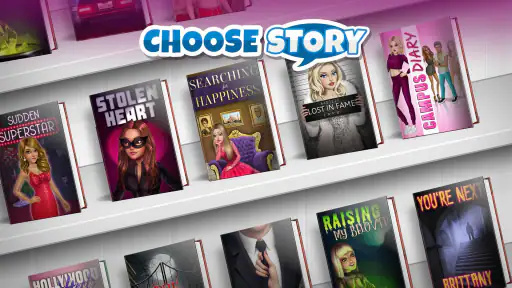

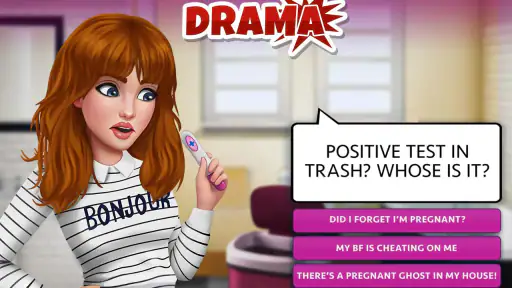
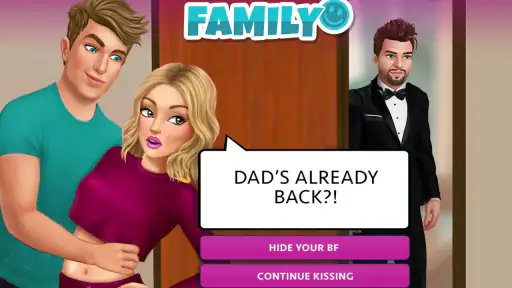

Analysis by Reviewed
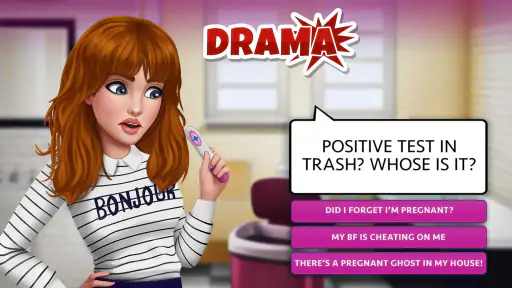
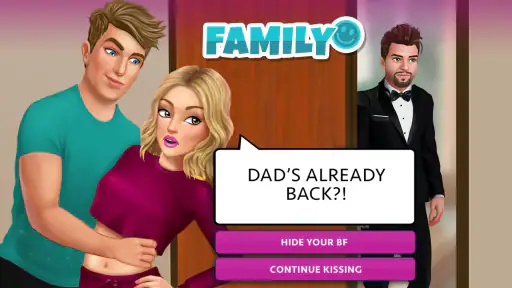
My first impression of My Story: Choose Your Own Path is that it treats a phone game more like a playable paperback than a traditional role-playing adventure. I step into a character’s life, read through a scene, and decide how that character should respond. The appeal is less about reflexes or systems to master and more about seeing where a personal choice takes a story.
Who will enjoy choosing the next turn?
I’d point this interactive role-playing game toward readers who like romance and drama but want more agency than a novel gives them. It works best when you’re in the mood to follow a character’s emotional story and make decisions along the way, rather than master complicated controls or compete for a score. If you mainly want exploration, tactical battles, or an open world to roam freely, a conventional role-playing game will probably suit you better.
A small practical tip: treat each choice as part of the character you want to play, not as a puzzle with one objectively correct answer. That makes the story feel more coherent, and it also gives a later replay a clear purpose: try a different attitude or relationship direction instead of tapping different options at random. The trade-off is that branching stories can make you curious about paths you did not choose, so it helps to enjoy the scene you are reading rather than constantly wondering whether another answer would be better.
Getting started with your story
The moment I opened My Story: Choose Your Own Path, I was greeted with a sleek, user-friendly interface that beckoned me to start my adventure. The app provides a plethora of genres to dive into, from steamy romances to thrilling mysteries, ensuring there's something for everyone. I decided to jump into a romantic drama because, well, who doesn't love a bit of drama?
That kind of premise is especially easy to fit into a short break: I can read a scene, make a choice, and put the game down when real life calls. In a realistic evening routine, I might open it while waiting for dinner, follow one episode, then stop at a natural pause rather than trying to rush through a whole plot. The useful question is whether progress and choices feel satisfying in small sessions. For me, the episodic presentation encourages that rhythm, though a cliffhanger can make stopping less convenient than starting.
There is a practical distinction between a quick session and a rushed one. I get more from a chapter when I leave enough attention for the dialogue and the reactions after a choice; tapping through just to clear a waiting moment can make the decisions feel like chores. If I know I have only a minute, I would rather wait for a better pause than start a scene I’ll have to abandon at its most dramatic point.
The Gameplay Experience
As I ventured through my chosen storyline, I was amazed at how each decision felt impactful. The narrative is crafted in such a way that even the smallest choices can lead to wildly different outcomes. It's like being the author of your own destiny! The writing is top-notch, filled with engaging dialogue and vivid descriptions that made me feel like I was right there with the characters, living their highs and lows.
More From Our News Desk

Clash of Clans Is Won Between the Battles

Android Auto Makes the Case for Quieter Car Software

MobiOffice: Transforming Mobile Productivity with Seamless Integration

EA SPORTS FC™ Mobile Soccer: Redefining Mobile Sports Gaming

How Microsoft OneDrive Became a Mobile Productivity Giant

How Google Translate Breaks Language Barriers Effortlessly
For a better first run, I’d avoid trying to predict every consequence. Choose what feels right for the scene, then notice how the characters respond; that reaction is part of the pleasure of a choice-led story. On a replay, changing one decision at a time is a more useful way to compare outcomes than switching your whole approach, because it gives you a clearer sense of what that particular choice changed. The limitation is that this remains a reading-led game: if you want frequent hands-on action between story beats, the format may feel too passive.
What truly sets this app apart is its ability to keep me hooked. Each episode ends with a cliffhanger that left me eagerly tapping to find out what happens next. The app cleverly mixes suspense and emotional depth, ensuring that I was always emotionally invested in the outcome of my story.
Compared with a standard branching novel, the character presentation and scene art give the story a more staged, visual feel. Compared with story games built around action or elaborate management, its appeal is the quick shift from reading to choosing. That focus is also a trade-off: the experience depends heavily on whether a particular story’s tone and characters work for you, so someone who dislikes romance-led drama may not be won over by the format alone.
That comparison is useful when choosing what to play next. A conventional ebook is the better fit when I want uninterrupted prose and no decisions to weigh; a mechanics-heavy role-playing game is better when I want to plan builds, explore, or test skill. Here, I’m choosing for character and mood. I would start with the story whose premise sounds most appealing, rather than assuming the game’s format will make every genre equally engaging.
Choices also work best when I distinguish between emotional preference and trying to “win.” A response that feels awkward or risky may be more satisfying if it fits the character I’m imagining, even when I can’t know its later effect. That approach keeps a first playthrough personal. If I’m curious about alternatives afterward, I can replay with a deliberate change in attitude rather than treating every choice as a test I failed to optimize.
Visuals and Soundtrack
The visuals in My Story: Choose Your Own Path are stunning. The characters are well-designed, and the backgrounds are detailed, bringing each scene to life. It's like reading a beautifully illustrated book where each page is a new adventure. The soundtrack complements the visuals perfectly, enhancing the overall immersive experience. The music swells during dramatic moments and softens during emotional scenes, adding another layer of depth to the storytelling.
The art and sound work best together when I give a scene a little attention instead of tapping through as quickly as possible. A glance at the background helps establish where a conversation is happening, while the music supports the mood without needing to carry the plot by itself. If I’m playing somewhere quiet, I can still follow the visual storytelling; if I’m somewhere I need to stay unobtrusive, the audio is the part I’m most likely to leave aside. Either way, the central attraction remains the characters and the decisions, not the soundtrack as a standalone feature.
The visual staging also gives the dialogue a useful sense of place: a scene feels different when its background shifts, even though I’m still following a conversation rather than moving through an explorable environment. That makes the art a mood-setting tool, not a substitute for freedom of movement. I’d keep that distinction in mind if I’m coming from an adventure game where the environment itself is something to investigate.
For an everyday session, I’d think about where I’m playing before relying on the music. On a commute or in a shared room, the written scene and its artwork can carry the experience without asking me to make the sound part of the moment. When I do have a quiet stretch, the soundtrack adds emotional color. The trade-off is straightforward: atmosphere is richer when I can focus, but the game’s core remains readable when I cannot.
Customization and Replayability
One of the features I absolutely love is the customization options. I could tailor my character's appearance to my liking, making the experience feel personal and unique. Plus, with multiple endings based on the choices I made, there's a high replay value. I found myself going back to see how different decisions would alter the storyline, and let me tell you, it was just as thrilling the second time around!
Customization is most rewarding when I use it to settle into a role before the story gets moving; it gives the protagonist a look that feels like mine, even though the main draw is still the written drama. Replayability also suits readers who enjoy comparing alternate outcomes, but it is less compelling if you only want to reach one ending and move on. I’d choose a second run because I’m interested in a different relationship or decision path, rather than expecting every scene to feel entirely new.
A useful way to decide whether replaying is worth it is to pick one question before starting again: would this character be more cautious, more direct, or more romantic? Then I can follow that idea consistently and see how it colors the story, without turning the whole experience into note-taking. The trade-off is that replaying for a different ending may still revisit familiar scenes, so it suits readers who enjoy revisiting characters as much as discovering new outcomes.
For someone who asks whether appearance choices change the whole game, I’d keep expectations measured: customization helps me identify with the protagonist, while the story’s decisions are what make a return visit meaningful. If I’m mostly looking for a deep character-creation system, this is not the reason I’d choose it. If a personal avatar makes a dialogue-led story feel more inviting, it is a welcome part of the package.
What to expect before you install
The game is free to download, with optional in-app purchases priced from $0.99 to $99.99 per item. I’d keep that in mind if you prefer games with no paid extras: the purchase range makes it worth checking any spending prompts carefully and deciding your own limit before playing. The game is rated Teen, and it comes from NANOBIT. It was released on April 11, 2017, and version 6.13 requires Android 5.0 or later.
Its audience is substantial, with over 10 million installs, around 1.2 million ratings, and an average rating of 4.2. Those figures suggest plenty of people have tried it, but they do not tell me whether every story will match an individual reader’s taste. The most useful test is whether you enjoy the blend of character scenes, emotional turns, and frequent decisions; if you do, the format has a clear reason to return. If you want a completely consequence-free reading experience, or dislike spending decisions appearing in a free game, a regular novel may be a more comfortable choice.
For a parent or younger player, the Teen rating is a useful starting point for deciding whether the game’s dramatic themes are appropriate, but I’d still consider personal comfort with romance and emotionally charged situations. For anyone deciding whether to spend, my practical advice is to approach the free download as a chance to test the storytelling first and to set a personal boundary before an optional purchase prompt appears. The broad price range makes that small bit of planning worthwhile.
Version 6.13 is listed for Android devices running version 5.0 or later, so I’d check that basic compatibility before trying to install it on an older phone. Beyond device fit, the more important question is whether I want a story game rather than a conventional RPG. The former is a better match for quiet reading breaks and character-focused drama; the latter is the safer pick when I want combat, exploration, or a challenge that depends on how I play moment to moment.
NANOBIT is the developer behind the game, and its long-running presence in app stores is reflected in the large audience that has tried it. Still, popularity cannot decide whether I’ll connect with a particular storyline. I’d treat the overall rating as a broad signal of reach, then judge the experience by its actual fit with my reading habits: how much I enjoy episodic scenes, how patient I am with cliffhangers, and whether I like choosing a character’s response.
When the mood is the main reason to play
The strongest reason I’d recommend this game is that it makes a small amount of reading feel participatory. I can come back to a dramatic situation, make a decision, and feel involved without setting aside time to learn a complicated control scheme. It suits a reader who wants a story with visual atmosphere and a say in the protagonist’s tone. It is less suitable for someone who wants every session to deliver a new mechanical challenge or who prefers stories that unfold without interruptions for choices.
That makes the ideal use case quite specific: a relaxed break when I’m comfortable reading on a phone and want an emotional plot to follow, perhaps in the evening after other tasks are done. If I’m tired and only want a few minutes of distraction, a short scene may be enough, but a tense ending can leave me wanting more. I’d use the game when I have room to enjoy that pull, not when I need a neatly finished activity on a strict timer.
Some readers will also prefer to keep their first run free of outside advice. Looking up choices in advance can remove the uncertainty that gives the scenes their immediate tension. If I later want to explore alternate directions, I can make a second pass with one clear aim. That balances curiosity with surprise and helps the branching structure feel like part of the role-playing rather than a checklist.
Overall, My Story: Choose Your Own Path is a fantastic app for anyone who loves interactive storytelling. It allows you to escape reality and dive into a world where your choices truly matter. Whether you're a fan of romance, mystery, or drama, this app has something to offer. So, if you're looking for a game that combines the joy of reading with the excitement of interactive gameplay, give it a shot. Trust me, you won't be disappointed!
My recommendation comes with one qualification: I’d choose it for its character-led atmosphere, not for deep RPG mechanics or unlimited freedom. The combination of illustrated scenes, supporting music, and decisions gives it a coherent mood, while episodic pacing makes it easy to revisit. If that sounds like the kind of story I want on my phone, I’d give it a try; if I’m after action or uninterrupted reading, I’d choose a different format.
My Story: Choose Your Own Path Frequently Asked Questions
Is My Story: Choose Your Own Path free to download?
Yes. My Story: Choose Your Own Path is free to install, so you can try its interactive storytelling without paying upfront. Optional in-app purchases are available, with prices ranging from $0.99 to $99.99 per item. You can decide whether to spend based on your experience; the game’s stories and choices are the main focus, while purchases may offer additional ways to customize or progress.
Who develops My Story: Choose Your Own Path, and when was it released?
My Story: Choose Your Own Path is developed by NANOBIT. The game was released on April 11, 2017, and its current version is 6.13. It is a role-playing game centered on interactive stories, aimed at players who enjoy following characters and making decisions as a narrative unfolds. If you are considering a download, you can also check that your device meets the operating-system requirement.
What kind of game is My Story: Choose Your Own Path?
My Story: Choose Your Own Path is a role-playing game built around interactive stories. You follow characters through different situations and make decisions that can change how a story unfolds. It may appeal if you enjoy reading narrative-driven games and shaping a character’s experiences through choices, rather than focusing mainly on action or puzzles.
Will My Story: Choose Your Own Path run on my device?
The game is available for Android devices running Android 5.0 or later, so check your device’s operating system before downloading. It is free to install, and the current version is 6.13. The developer is NANOBIT. If your device meets the minimum Android requirement, you can try the game and see how it performs on your particular phone or tablet.
What is the main attraction of My Story: Choose Your Own Path?
My Story: Choose Your Own Path is a highly interactive storytelling app where users can immerse themselves in various narratives. The main attraction lies in the ability to make choices that directly impact the story's outcome. This feature allows for a personalized experience, as users can explore different paths and endings based on their decisions, making each playthrough unique.
Pros
- Interactive storytelling experience
- Diverse range of story genres
- User-friendly interface
- Regular content updates
- Engaging character development
Cons
- In-app purchases can be pricey
- Some stories are too short
- Requires internet connection
- Limited free content access
- Occasional bugs and glitches

- Category
- Role Playing
- Version
- 6.13