Hamster Inn
- 579.00
- 4.7
- Installs
- 5.00M
- Price
- Free

Screenshots
Analysis by Reviewed
I reach for a gentle simulation game when I want a break that feels more like pottering around than chasing a score. Hamster Inn has that appealing little-world quality: I can focus on making a welcoming place for its guests instead of racing through demanding levels. Its appeal is easy to understand, though the relaxed pace also means it will not suit everyone.
What the free download means in practice
The game is free to download, with optional in-app purchases priced from $0.99 to $19.99 per item. I’d treat that as a low-risk way to try the experience, not as a promise that every later upgrade or extra will be free. The purchase range gives a useful sense of the possible spending, but whether any particular item feels worthwhile depends on what you want from the game. I’d start without buying anything and decide only after I knew which parts of the inn I most enjoyed.
That approach also makes the cost easier to judge against your own habits. If you only want to see whether the hamster guests and room styling appeal to you, the free download lets you make that decision before spending. If you tend to buy optional items quickly when a game presents them, set yourself a simple rule first: play for a while, identify a specific thing you genuinely want, and then consider its cost rather than purchasing on impulse.
A small management loop with room for personal taste
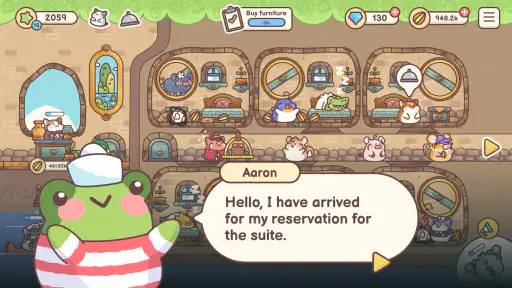
The central pleasure is shaping a hamster inn and seeing guests make use of it. Decorating and upgrading give me a reason to revisit, while the guests’ different personalities and preferences make the place feel less like a static dollhouse. That combination is the game’s strongest value: it offers both a light management task and a creative outlet, without asking me to treat either one as a serious project.
For a practical play habit, I’d choose one modest goal per visit—such as improving a room or changing its look—rather than trying to optimize the whole inn at once. That keeps the choices enjoyable and makes it easier to notice what I actually like. If I’m mainly interested in collecting decorations or making every room look just right, the creative side is likely to carry more weight than the management. If I want intricate strategy or a competitive challenge, the same simplicity may feel limiting.
This one-goal approach is especially useful when I have only a few minutes. I can decide whether today’s visit is for a small room change or simply for checking on the inn, then stop without turning a pleasant diversion into a checklist. It also helps me avoid spending just to speed up a moment of impatience: when there is no deadline I care about, I can wait, return later, and see whether the desire for an extra has lasted.
Welcome to Your Cozy Inn
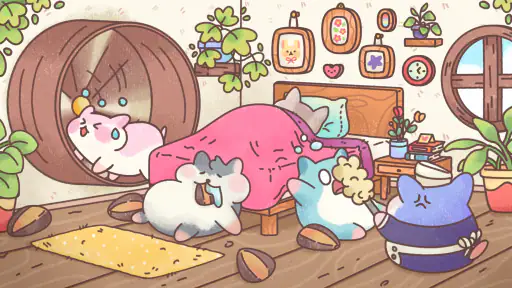
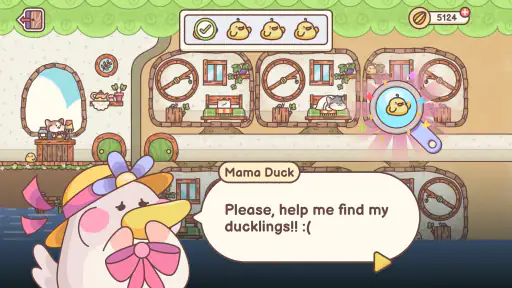
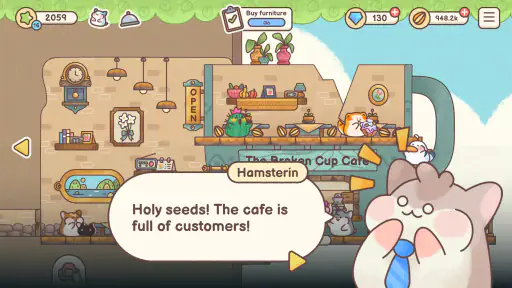
From the moment I opened Hamster Inn, I was greeted with a warm, inviting atmosphere that instantly made me feel at home. The graphics are adorable; think of a cute, cartoonish style that’s easy on the eyes and perfect for all ages. You’re tasked with running a cozy inn for hamsters, and trust me, it’s as charming as it sounds.
More From Our News Desk

Weather by Xiaomi Review: Clear at a Glance, Less Clear Up Close

X Under Pressure: Can It Recover When Posting Goes Wrong?

Clash of Clans Is Won Between the Battles

Android Auto Makes the Case for Quieter Car Software

MobiOffice: Transforming Mobile Productivity with Seamless Integration

EA SPORTS FC™ Mobile Soccer: Redefining Mobile Sports Gaming
Gameplay and Features
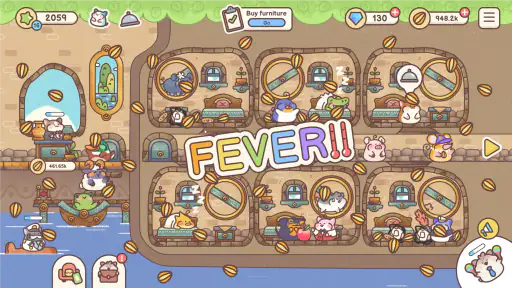
Once you’ve settled in, the game really starts to shine. You get to manage every aspect of the inn, from decorating and upgrading the rooms to ensuring your hamster guests are having the time of their lives. It’s a delightful blend of strategy and creativity. I found myself getting lost for hours, rearranging furniture and picking out the perfect wallpaper. The more you play, the more you unlock, and it’s this progression that keeps you hooked.
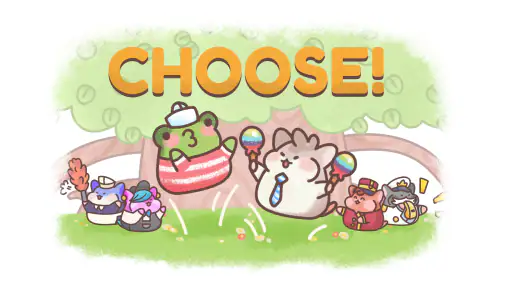
One of the standout features is the diverse range of hamster guests you’ll encounter. Each has their own personality and preferences, which adds a layer of depth to the gameplay. It’s incredibly satisfying to see your inn bustling with happy, content hamsters.
A useful way to approach those preferences is to pay attention to what seems to suit each guest before changing several rooms at once. I find that making one adjustment at a time makes the results easier to read and keeps decorating from turning into guesswork. It also gives each visit a natural stopping point: make a change, check how the inn feels, and come back later if you want to keep tinkering.
That small experiment is a better fit for this game than trying to impose a rigid “best layout” on every room. Guests’ preferences give decorating a management purpose, but the personal look of the inn still matters to the enjoyment. When I focus on one change at a time, I can tell whether I made it because it suits a guest or simply because I like how it looks. Either reason can be satisfying; knowing which one I’m following helps me decide what to adjust next.
For someone wondering whether it is a game that needs constant attention, I’d think of it more as a place to return to than a task that must dominate the day. Its main appeal is gradual care and customization, not a demanding sequence of urgent decisions. That makes it a comfortable companion for a short break, though players who want a strong, immediate objective every time they open a game may find the rhythm too gentle.
Why It Stands Out
What sets Hamster Inn apart from other simulation games is its attention to detail. The developers have clearly poured their hearts into crafting a world that feels vibrant and alive. The little animations, the cheerful music, and the quirky hamster interactions all contribute to a game that feels polished and complete.
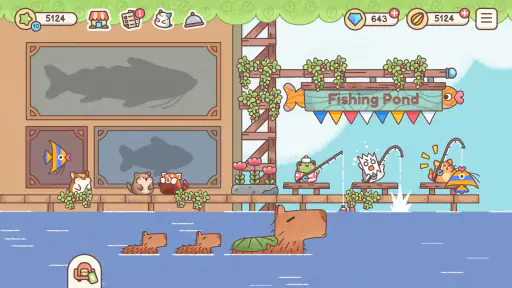
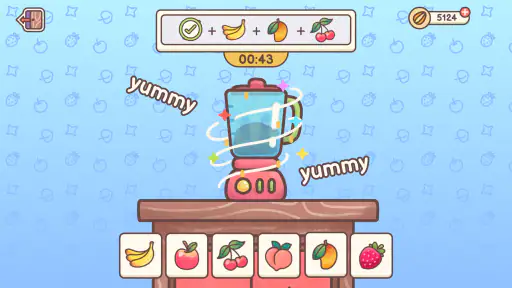
Another highlight is the in-game events and challenges. These keep the gameplay fresh and exciting, offering new ways to engage with the game and test your management skills. Plus, the game is free to play, with optional in-app purchases that aren’t necessary to enjoy the full experience.
Compared with more demanding management simulators, this one puts charm and room styling ahead of pressure and deep planning. I’d pick it for a relaxed phone break, not as a substitute for a strategy game with elaborate systems. Events and challenges add variety, but they do not change the basic appeal: the fun is in tending the inn and enjoying its small details. For me, that’s a sensible trade-off as long as I come in wanting a cozy routine rather than endless new mechanics.
It also occupies a different niche from a pure decorating app. Here, the rooms are part of an inn that guests use, so styling is tied to the feeling of caring for a place rather than being only an exercise in arranging objects. On the other hand, someone who wants unrestricted design tools or a deep business simulation may prefer a game built around those priorities. I’d choose this one when I want the hamster setting and light care loop to matter as much as the visual result.
The events and challenges are a reason to revisit, but I wouldn’t use them as the sole measure of whether the game is worthwhile. The lasting fit depends more on whether I enjoy the regular cycle of tending rooms and welcoming guests. A useful test is to notice what I naturally do after opening it: if I start thinking about how to make the inn feel more inviting, the core loop is working for me; if I’m only waiting for a challenge to tell me what to do, a more objective-driven game may be a better match.
Who is likely to enjoy it?
I’d recommend it to people who like cute animal games, decorating, and steady progression, especially anyone who wants a simulation that can be enjoyed in short, casual visits. A realistic use case is winding down after work: I can check the inn, make one room feel more welcoming, and stop when I’m ready instead of committing to a long competitive session. It is also a friendly option for younger players; the game is rated for Everyone.
It can also suit someone who likes to keep a low-pressure game nearby for small pockets of downtime. I might open it while waiting for a meal to finish, decide on a minor room change, and leave when that choice feels complete. The useful part is not how long I play but that the inn gives me a clear, pleasant activity without demanding that I plan a whole evening around it.
For families, the Everyone rating is a helpful starting point, but I’d still explain that optional purchases are part of the free-to-download model if a child will be playing. That is a practical conversation rather than a reason to avoid the game: deciding in advance whether purchases are off-limits can prevent confusion when an item catches a young player’s attention. Adults who prefer not to spend can also simply treat the purchase options as something to ignore and judge the game on its free play.
HyperBeard developed the game, which sits in the simulation category. It has a 4.7 average from around 48,000 ratings and has been installed over five million times. Those figures suggest it has found a broad audience, but they are not a substitute for personal taste: players who dislike decorating or gradual progression may not share that enthusiasm. It is free, runs on Android 7.0 or later, and its current version is 1.10.0.
The broad audience makes sense to me because the premise is easy to grasp, but the main question is still whether you enjoy the activity itself. A large number of players cannot make room styling fun for someone who would rather solve puzzles, compete, or build through complex systems. I’d use the game’s focus—not its popularity—as the deciding point: if caring for a cozy hamster inn sounds appealing, it is worth trying; if that sounds like busywork, the rating alone won’t change your mind.
When I would choose something else
If I wanted fast action, a firm endpoint, or a management game where every decision has a demanding strategic consequence, I’d look elsewhere. The leisurely style can be a strength when I’m tired, but a weakness when I want a strong sense of urgency. Likewise, anyone who prefers to avoid optional spending entirely can simply decline purchases, but should still be comfortable with seeing them offered in a free game. I would not buy an item just because it appears; I’d first decide whether it adds something I personally value.
I’d also skip it if I tend to lose interest unless each session introduces a substantially different mechanic. The inn’s charm comes from returning to a familiar place, not from replacing its basic identity every time I play. Someone who wants a campaign with a clear finish line may be happier with a puzzle or story game, while a player looking for intricate resource planning may get more satisfaction from a deeper management title.
There is a useful distinction between “I want a relaxing game” and “I want a game that plays itself.” This one still asks me to make small choices about rooms and guests, so it isn’t ideal when I want to tap once and watch without engaging. If that sounds like the experience you want, a passive idle game may suit you better. If you want a little gentle involvement, the decisions are part of the appeal rather than an obstacle.
Another trade-off is that gentle progression can feel rewarding to one person and slow to another. I would not approach it expecting every visit to deliver a major transformation. Instead, I’d look for satisfaction in small changes and the way the inn gradually takes on a character of its own. If those incremental results do not feel meaningful to you, there is no need to force yourself to keep playing just because the setting is cute.
Final Thoughts
In a world where mobile games often feel like they’re churned out en masse, Hamster Inn is a breath of fresh air. It’s a game that doesn’t take itself too seriously, yet it offers enough depth to keep you coming back for more. Whether you’re a seasoned gamer or someone looking for a light-hearted distraction, this app is worth a download. So, if you’re ready to dive into a world of furry fun and creativity, Hamster Inn awaits.
My buy-or-skip verdict is straightforward: I’d try the free game if the combination of hamster guests, room decorating, and gentle management sounds appealing, and I’d leave optional purchases for later rather than treating them as part of the entry price. Skip it if you need constant action or complex strategy. For the right mood, its value is in having a small, cheerful place to tend at my own pace.
Before downloading, I’d make the choice based on the kind of break I actually want. If I’m looking for a calm creative routine, the free entry makes it easy to test that fit without committing money first. If I’m looking for urgency, competition, or a large set of demanding systems, I’d spend my time on another kind of game instead. The optional purchase range is worth keeping in mind, but I wouldn’t assume spending is necessary simply because those purchases exist.
My practical recommendation is to give the inn a fair try with a small personal goal and no pressure to optimize everything. Notice whether you enjoy making a room more welcoming, watching the guests respond, and deciding when you’ve done enough for now. If that rhythm feels like a pleasant pause in your day, the game offers value in its gentle, specific little world. If it feels like a chore, choosing a more active or more strategic alternative is the better call.
Hamster Inn Frequently Asked Questions
Does Hamster Inn have a cute, relaxing style or challenging gameplay?
Hamster Inn is presented as a cozy simulation about caring for hamster guests and running their hotel. Its premise and charming character focus make it a natural fit for players looking for a gentle, lighthearted experience, rather than a game centered on intense action. If you enjoy taking care of animals and managing a welcoming little inn, its overall style may be appealing.
Is Hamster Inn free to download, and what should I know before installing it?
Hamster Inn is free to download and is a simulation game developed by HyperBeard. It is intended for a broad audience, with an Everyone content rating. Before installing, check that your device meets the operating system requirement and consider whether the cute animal-care and hotel-management theme matches what you enjoy playing. The game also offers optional in-app purchases.
What kind of game is Hamster Inn?
Hamster Inn is a simulation game from HyperBeard, centered on running a cozy hotel for adorable hamster guests. If you enjoy gentle management games and caring for cute animals, its hotel theme may appeal to you. The core idea is to look after the inn and its visitors, giving the game a relaxed, charming feel rather than focusing on intense action.
Who might enjoy playing Hamster Inn?
Hamster Inn is likely to suit players who enjoy cute character designs, animal-care themes, and casual simulation gameplay. Its focus on a hamster hotel offers a lighthearted alternative to more competitive or action-heavy games. The game is free to play, so interested players can try its cozy management premise without paying an upfront price.
What is Hamster Inn and what can I do with it?
Hamster Inn is a delightful simulation game where you manage a cozy inn for hamsters. Players can build and customize their inn, take care of hamster guests, and complete various tasks to earn rewards. The game offers a charming and engaging experience, making it perfect for animal lovers and simulation enthusiasts.
Pros
- User-friendly interface for easy navigation.
- Engaging and addictive gameplay.
- Regular updates with new features.
- In-app purchases enhance experience.
- Suitable for all age groups.
Cons
- Requires stable internet connection.
- Contains ads that may disrupt gameplay.
- In-app purchases can be costly.
- Limited offline features.
- May drain battery quickly.
- Category
- Simulation
- Version
- 1.10.0