ZArchiver
- 15.07K
- 4.1
- Installs
- 100.00M
- Price
- Free

Screenshots
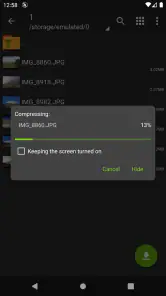
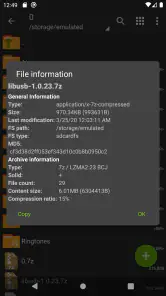
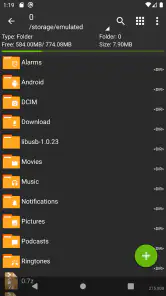
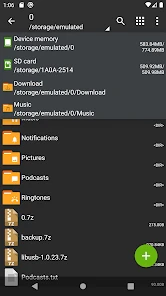
Analysis by Reviewed
The first time I needed to open an archive on my phone, the awkward part wasn’t tapping Extract; it was figuring out where the file had gone and what to do when the contents didn’t appear as expected. ZArchiver is built for that sort of hands-on file work: it lets me browse folders, inspect archives, and choose what to do with their contents rather than treating every compressed file as a one-tap download. That flexibility is useful, though it also means a little care with folders and destinations pays off.
Where archive tasks can get confusing
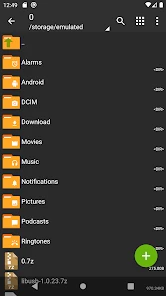
Archives can contain several folders and files, so extracting everything into a busy Downloads folder may make the result harder to find. I prefer to check the archive’s contents first, then extract into a clearly named folder when I want to keep a project or document set together. For a single item, extracting only what I need can avoid creating clutter.
If an archive asks for a password, that is a prompt to use the password supplied by whoever created it; the app cannot tell me what the password should be. I also check that I selected the intended archive rather than a similarly named file. Those small checks are more useful than repeatedly trying the same action when the source file or password is the actual issue.
Getting a smoother start
As a file-management tool, ZArchiver is made by ZDevs and is free to use. It is rated for Everyone, and its current version is 1.0.10. The app has been around since January 24, 2012, and its reach—more than 100 million installs, with an average rating of 4.1 from around 1.4 million ratings—suggests that many Android users turn to it for archive work.
Before extracting, I look at the destination and make sure there is enough room for the uncompressed contents. I also keep the original archive until I have checked that the extracted files open properly. If a folder is not visible or an operation cannot proceed, I back out, check that I am browsing the right location, and try again without changing unrelated files. This simple routine helps separate a navigation mistake from a problem with the archive itself.
Getting Acquainted with ZArchiver
For those new to the game, ZArchiver is an app designed to help you create, manage, and extract archives on your Android device. It's like having a Swiss Army knife for file management right in your pocket. Whether it's compressing files to save space or extracting them for use, this app handles it all with finesse.
Features That Make ZArchiver Stand Out
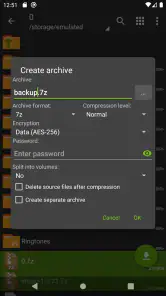
One thing that caught my eye is the app’s support for a wide variety of archive formats. From the common ones like ZIP and RAR to the more obscure ones, ZArchiver has got you covered. The app also allows you to create password-protected archives, which is a boon for those who value privacy.
More From Our News Desk

Weather by Xiaomi Review: Clear at a Glance, Less Clear Up Close

X Under Pressure: Can It Recover When Posting Goes Wrong?

Clash of Clans Is Won Between the Battles

Android Auto Makes the Case for Quieter Car Software

MobiOffice: Transforming Mobile Productivity with Seamless Integration

EA SPORTS FC™ Mobile Soccer: Redefining Mobile Sports Gaming
Another feature worth mentioning is the app’s ability to edit archives. You can add or remove files from an archive without having to recreate it. Now, how cool is that? Plus, the app doesn’t require an internet connection to function, so you can manage your files even when you’re off the grid.
Useful workflows and trade-offs
I find archive editing most valuable when someone sends a bundle and I only need to replace one document: adding or removing that item can save the step of unpacking everything, rebuilding the archive, and then locating the new copy. I still keep a separate working copy when the original matters, because a quick edit is convenient but makes it easier to lose track of which version I changed.
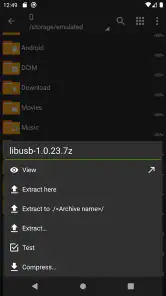
For a practical everyday example, imagine receiving a ZIP of reference images before a trip. I can inspect it, extract the images into one folder, and share a chosen file onward without first moving the whole bundle through a desktop. Password protection is useful when I create an archive for private material, but it is not a substitute for choosing a trustworthy sharing method or keeping the password separate from the archive.
Compared with relying only on a phone’s basic file browser, this app is the more capable choice when the task involves creating archives, editing their contents, or handling formats the built-in tool does not open. A basic browser can be simpler if I only need to locate, rename, or move ordinary files. I would skip a dedicated archive manager if I rarely receive compressed files and prefer every task to happen automatically; ZArchiver rewards users who want to choose the destination and inspect what they are handling.
Choosing the right archive workflow
One useful habit is to treat an archive as a package to inspect, not just a file to unpack. If I am looking for one invoice or image among many items, I open the archive and check its internal folder structure before extracting. That small pause can save time and storage, and it reduces the chance that I will later mistake an extracted copy for the original attachment.
When I need to send several related files, creating an archive can make the handoff neater than sharing each item separately. I choose this route when the recipient needs the files kept together; for a single photo or document, sharing the ordinary file is usually less effort because the recipient does not need to extract anything. The best format is therefore often the one the other person can open easily, rather than the one that gives me the most options.
For study or work, I also find it helpful to extract into a folder named for the task instead of relying on a generic destination. If I download course materials, for example, a dedicated folder makes it easier to distinguish the unpacked set from the archive I may need to keep as a backup. This is a simple organization choice, but it matters more on a phone, where several downloads can quickly look alike.
User Experience
Using ZArchiver feels like a breeze. The interface is straightforward, making it easy for both tech-savvy users and newbies to navigate. The app is responsive, with actions such as opening, extracting, and compressing files happening swiftly without any lag.
What I love most is how smoothly the app integrates with other apps. You can easily share files directly from ZArchiver to other apps, streamlining your workflow. It’s these little touches that make the app a joy to use.
Still, the direct, file-oriented approach has a learning curve. Someone used to a single Extract button may initially be unsure whether to open an archive, select an item, or choose a destination first. I recommend slowing down on the first few attempts and confirming the selected file and target folder before committing to a larger extraction. Once that pattern feels familiar, the extra control becomes an advantage rather than a hurdle.
When something goes wrong
If an extraction fails, I first reopen the archive and check whether its contents are visible. If they are, I choose a different destination I can find easily and make another attempt; if they are not, trying another folder is unlikely to fix a damaged or incomplete source. For a file that opens but will not extract, I check the password prompt and available storage before changing settings or deleting anything.
Sharing can also add a step: the receiving app may not accept the file type, or I may have picked a folder instead of the individual item. In that case, I return to the archive, select the specific file, and share it again. When another app still cannot open a correctly extracted file, I treat that as a compatibility issue with the recipient, not proof that the archive manager failed.
Separating app trouble from file trouble
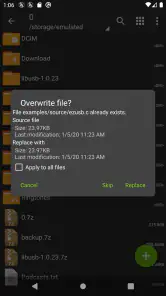
If a file appears to be missing, I check the location I chose during extraction before repeating the operation. It is easy to browse back to the archive’s folder and assume the contents should appear there, even when I selected another destination. Looking at the destination and searching the relevant folders is safer than extracting the same package several times and creating duplicates.
When an archive cannot be opened or its contents are not displayed, I avoid assuming that changing folders will solve the problem. I check that the download is complete and that I am working with the intended file. If a password is required, I use the one provided by the sender and check for accidental spaces or a mix-up with another archive’s password. These checks keep the troubleshooting focused on the source instead of prompting unnecessary changes to the phone.
There is also a useful boundary to keep in mind: an archive manager handles the package and its files, but it does not make every extracted file readable by every other app. A document may need a compatible viewer, and a recipient may reject a format it does not support. In that situation, I test the extracted item with an appropriate app or ask the sender for a more suitable format rather than repeatedly unpacking the same archive.
Who will get the most from it
I would recommend this tool to Android users who regularly receive compressed work files, download collections of documents, or want to bundle items before sharing them. It is particularly useful when I need to inspect contents before extracting, keep folders organized, or make a small change inside an archive without rebuilding the whole package. Those are the moments when a basic file browser can feel too limited.
Someone who opens an archive only once in a while may be happier with the simplest option already available on their phone, especially if it handles that person’s usual files. ZArchiver is less compelling if the priority is hiding all file-management choices behind automation. Its strength is control, and that also means the user has to pay attention to selection, destination, and what is being changed.
Final Thoughts
In a world where managing files on mobile can sometimes be a hassle, ZArchiver shines as a reliable solution. Its robust feature set, coupled with a user-friendly interface, makes it a must-have tool for anyone looking to keep their files organized on Android. So, if you haven’t already, give ZArchiver a whirl. Who knows, it might just become your new favorite app!
My practical recommendation is to keep it handy if archives are a regular part of your work, study, or file sharing, especially when you want control over what gets extracted and where it goes. It is less essential for someone who only opens the occasional attachment and is happy with a simpler built-in option. Either way, the useful habit is the same: inspect first, choose a clear destination, and keep the original until you know the files you need are safely accessible.
ZArchiver Frequently Asked Questions
Does ZArchiver need internet access to open files?
ZArchiver is designed for managing files and archives on an Android device, so opening or extracting an archive already stored on your device is a local file task. You can use it when you need to inspect or unpack files without relying on an online archive service. As with any file manager, you will need to grant access to the files or folders you want to work with.
Can I use ZArchiver to create a password-protected archive?
ZArchiver supports working with encrypted archives, including opening password-protected files when you know the correct password. It is also able to create archives, which makes it useful for bundling files as well as unpacking them. If you plan to protect an archive, check the options shown while creating it and keep the password somewhere safe, since you will need it to access protected contents later.
Does ZArchiver work on Android or iOS?
ZArchiver is an Android app for working with files and archives on a mobile device. If you are choosing an app for an iPhone or iPad, check that platform’s app store for a suitable alternative rather than assuming the Android app is available there. On Android, ZArchiver is listed as a Tools app and is developed by ZDevs.
What is ZArchiver and what can I use it for?
ZArchiver is a powerful file management app designed for Android devices. It allows users to easily manage archived files such as ZIP, RAR, 7z, and more. With ZArchiver, you can create, unpack, and view archive contents without any hassle. It's especially useful for those who need to handle compressed files frequently on their mobile devices.
Is ZArchiver free to use or does it require any payment?
ZArchiver is free to download and use. It provides functionality for managing and extracting archive files, so you can try it without paying. The app’s straightforward purpose makes it useful when you need to open or create compressed files on your phone. Check the current app page before downloading to ensure you select the official ZArchiver app from ZDevs.
Pros
- Fast file compression and extraction
- Supports multiple archive formats
- User-friendly interface
- No ads in the free version
- File management features included
Cons
- No cloud storage integration
- Limited support for corrupted files
- No encryption for archives
- Paid features require purchase
- Not optimized for tablets
- Category
- Tools
- Version
- 1.0.10