ELSA Speak: English Learning
- 3.87K
- 4.6
- Installs
- 10.00M
- Price
- Free

Screenshots

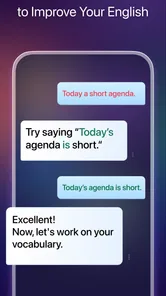
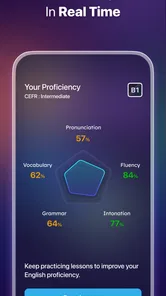
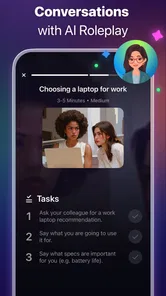

Analysis by Reviewed
I see ELSA Speak as a focused practice tool for the part of English learning that can be awkward to work on alone: saying words aloud and figuring out what needs adjustment. It suits learners who understand plenty of English but hesitate when speaking, or who want clearer pronunciation for work, study, or everyday conversation. I wouldn’t treat it as a complete language course, but as a regular speaking practice companion it has a clear purpose.
A sensible place for it in your learning routine
The app is an education product from ELSA Speak, and its current version is 8.0.7. It has been available since February 1, 2016, so this is an established product rather than a brand-new experiment. Its current focus is still easy to understand: use spoken practice and feedback to help you notice pronunciation habits. The version number tells me which release is current, but it doesn’t, by itself, explain which individual features changed over time.
That distinction matters if you already use the app. You can judge the present experience by trying the exercises and seeing whether the feedback helps you make a specific correction; I wouldn’t assume that a new version automatically changes your learning plan or progress. If you’re returning after a break, start with a short practice session and see whether the exercises still match your needs before rebuilding your routine around it.
How to turn short sessions into useful practice
I’d use it in small, deliberate sessions rather than racing through exercise after exercise. For example, before a video call, I might spend a few minutes practising words that I expect to use, listen carefully to the feedback, and repeat the troublesome sounds slowly before trying the full phrase again. That makes the practice easier to transfer into a real conversation than simply chasing a perfect score or moving quickly to the next prompt.
A useful habit is to keep a short personal list of words that repeatedly trip you up, then revisit them between sessions. The in-app dictionary can help connect a pronunciation question with phrases and sentences, while the feedback can point your attention to a sound rather than leaving you to guess. I’d also practise when I can speak clearly into the phone: background noise, rushing, or quietly mouthing a response can make voice-based practice less useful.
Who should choose it—and who may prefer something else
For pronunciation, spontaneous speech is only one piece of learning English. If you’re a beginner who needs grammar explanations, broad vocabulary building, reading practice, or structured lessons across several skills, I’d pair this with another learning method instead of expecting one app to cover everything. If you mainly need a human conversation partner who can respond to meaning, nuance, and follow-up questions, a tutor or language exchange is a better fit. The AI feedback is handy for focused repetition, but it is not the same as a person listening to a whole conversation.
The app is free to download, with in-app purchases ranging from $0.99 to $849.99 per item, so I’d check what a paid option includes before committing and decide whether you’ll use it often enough to justify the cost. It is rated for Everyone, and it has an average rating of 4.6 from around 957,000 ratings, with over 10 million installs. Those figures suggest a widely used app, but they don’t tell you whether its teaching approach will suit your accent, goals, or preferred pace.
More From Our News Desk

 Bolt: Request a Ride
Bolt and the Shift from One-Tap Rides to More Legible Trips
Bolt shows how ride-hailing is shifting from a one-tap taxi request toward a more legible, choice-driven trip, while leaving the hardest questions of price and reliability unresolved.

 Farm Land - Farming life game
Farm Land Review: A Small Island Farm with a Satisfying Loop
A bright, breezy island farm turns a few quick chores into a satisfying cycle of planting, harvesting, expanding, and deciding what to build next.

 Android Auto
’s Community Takes Shape in the Passenger Seat
Its most valuable network is not a public feed but a shared set of routes, voice habits, app integrations, and advice that make driving less isolating—and sometimes more complicated.

 My Talking Angela
 Makes the Virtual Pet Feel Personal
A polished pet-raising game built on small rituals, playful customization, and a character who gives everyday screen time a surprisingly personal rhythm.
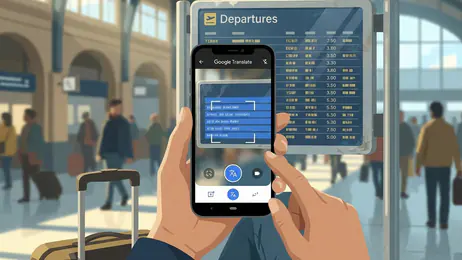
 Google Translate
 Review: A Pocket Tool for the Small Frictions of Travel
From menus and signs to quick conversations, Google Translate earns its place by cutting the little delays that make unfamiliar language feel like a barrier.

 Shazam: Find Music & Concerts
Shazam’s Best Trick Is Turning a Song Into a Night Out
A few seconds of recognition can settle an argument, rescue a half-remembered chorus, and point toward a live show. Shazam’s real trick is what happens after the match.
Latest News



Questions I would settle before making it a habit
Do you need a subscription or a purchase to benefit? I’d begin with the free access and test whether the practice style actually helps before spending anything. Since optional purchases are available at a broad range of prices, I’d read the details of the specific offer in the app rather than assuming every useful exercise requires payment. The right choice depends on what you want to practise and how regularly you’ll return.
Can it help if you are nervous about speaking? It can offer a lower-pressure place to repeat a phrase without another person waiting for you to respond. That can make it a useful first step, especially if you already know the words but avoid saying them aloud. Still, confidence in a real exchange also comes from listening, improvising, and recovering when you lose your train of thought, so I would use the app as preparation rather than as a replacement for conversation.
Will it make your accent disappear? I would not use that as the goal. Pronunciation feedback is most valuable when it helps make your speech easier to understand, not when it encourages you to treat your natural accent as a flaw. If an exercise’s suggested target feels disconnected from the way you need to communicate, focus on clarity and check the result in ordinary conversation too.
It is also worth thinking about where you will practise. Speaking aloud may not fit a crowded commute, a quiet office, or a shared room. I’d save voice exercises for a comfortable moment and use a notebook or another study activity when I cannot speak naturally. That small adjustment helps avoid turning a potentially useful routine into a frustrating attempt to whisper into a phone.
So, I’ve been diving into this app called ELSA Speak, and let me tell you, it’s like having a personal English tutor right in your pocket! If you’re someone who’s keen on improving your English pronunciation and speaking skills, this app might just be your new best friend.
What the speaking practice feels like
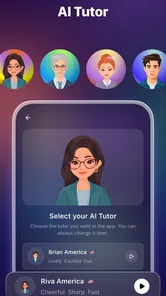
Alright, let’s get into the nitty-gritty. ELSA Speak is designed to help non-native English speakers enhance their pronunciation and speaking abilities. The app uses some pretty advanced AI technology to analyze your speech and offer feedback on how to sound more like a native speaker. It’s almost like magic, but with a lot of tech wizardry involved!
Getting started and finding a useful target
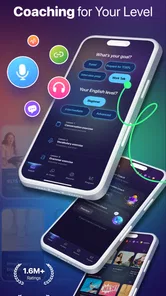
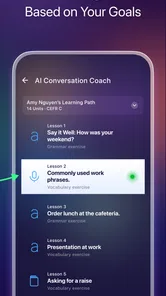
When you first open the app, you’re greeted with a clean and intuitive interface. It’s super user-friendly, which is a huge plus if you ask me. You start by taking a short assessment so the app can understand your current level. Based on this, it tailors exercises specifically for you. How cool is that?
The exercises themselves are quite engaging. You get to listen to phrases, repeat them, and then receive instant feedback on your pronunciation. I found this particularly helpful because it’s not just about getting it right – you actually understand where you’re going wrong. The app highlights the specific sounds you need to work on, and it feels like you’re having a one-on-one session with a coach.
Small details that can change how you practise
One of the features I absolutely love is the dictionary within the app. You can look up any word, and not only does it show you how to pronounce it, but it also provides you with common phrases and sentences using that word. It’s like having a mini English course packed into your phone!
Another neat feature is the ability to track your progress. The app keeps tabs on how you’re doing over time, which is super motivating. It’s always nice to see tangible progress, right?
Using feedback without chasing perfection
I’d treat pronunciation scores and corrections as practice cues, not as a verdict on whether my English is “good.” The useful question is whether I can hear and reproduce a sound more clearly after a few attempts. An AI coach can help make a small pronunciation target visible, but real listeners may still understand me perfectly well with an accent. I’d aim for clarity and confidence, not for erasing the way I speak.
There’s also a practical trade-off in repeating phrases: it isolates details, but it doesn’t fully recreate the pressure of choosing words while someone waits for an answer. To bridge that gap, I’d take a phrase from practice and use it later in a voice message, meeting, or conversation. That simple step turns a drill into something usable and helps reveal whether the improvement carries over outside the exercise.
A routine that connects practice to everyday speech
Imagine you have to introduce yourself on a new team call. I’d write down the few details I want to share, pick out words I tend to stumble over, and use the dictionary and spoken exercises to rehearse them. I would not memorise a whole script: the aim is to say the important names and phrases clearly, then leave room to answer naturally. After the call, I could note which parts felt difficult and make those the next practice targets.
This kind of focused loop is more useful than opening the app with no purpose and repeating whatever appears first. A clear goal makes feedback easier to interpret: if a sound is flagged, I can decide whether it affects a word I actually use or whether it is a minor refinement. It also gives progress tracking a practical meaning, because I can compare how a recurring work phrase feels over time instead of treating a changing score as the whole story.
For learners who already study through videos, books, or lessons, it can fill a specific gap: those activities may build comprehension without giving enough chances to speak aloud. I’d use ELSA Speak after learning a short set of expressions elsewhere, then practise saying them rather than expecting the app to teach every part of the language. If the priority is conversation flow, though, a language exchange or tutor offers something different: a real person can interrupt, ask an unexpected question, and respond to what you mean.
What to expect over time
ELSA Speak has an average rating of 4.6, around 3,800 written reviews, and over 10 million installs. It is free to start, with optional in-app purchases, and its age rating is Everyone. I’d still make my decision based on the learning experience rather than popularity: try a few sessions, check that the feedback is understandable, and notice whether the app targets sounds that matter to your own speech.
My main reservation is that a focused pronunciation app can become repetitive if I use it without a real-world goal. I’d choose one situation—introducing myself, explaining a project, or ordering something while travelling—and practise the vocabulary and sounds connected to it. If I want broad lessons, extended dialogue, or explanations tailored to a complex question, I’d use a course, teacher, or conversation partner alongside it. For a learner who wants structured, repeatable speaking drills, though, that narrow focus is a strength.
What I would keep an eye on as I continue
For an existing user, the most meaningful sign of progress is not simply that the app has a newer version number. I’d look at whether the current exercises still give me corrections I can understand and act on, and whether the practice remains relevant to the conversations I actually have. The release history can show that the product is maintained, but the current version alone does not tell me what changed between releases; I would avoid assuming a particular new feature or a different learning method without seeing it in the app.
I’d also review my routine every so often. If I keep practising the same sound but still avoid speaking in meetings, the next step may be a short conversation with a person rather than another round of isolated repetition. If I can use a phrase more comfortably in a real exchange, then the app is doing its job as one part of a wider learning plan. The balance matters more than turning practice into a daily obligation that no longer serves a clear need.
Final Thoughts
All in all, I’d say ELSA Speak is a fantastic tool for anyone serious about improving their English speaking skills. It’s convenient, effective, and makes learning enjoyable. Plus, it’s like having a personal tutor who’s available 24/7. Whether you’re preparing for a big presentation or just want to feel more confident in conversations, this app has got your back.
So, if you’re ready to take your English to the next level, why not give ELSA Speak a try? You might just find it to be the companion you needed on your language learning journey.
ELSA Speak: English Learning Frequently Asked Questions
What kind of feedback does ELSA Speak give during speaking practice?
ELSA Speak centers its learning experience on practicing spoken English with AI and receiving personalized, real-time feedback. That makes it a practical option if you want guidance while speaking rather than only reading explanations. The feedback is intended to help you notice areas to work on and shape your practice; using it regularly can make it easier to focus your effort on clearer spoken English.
Can ELSA Speak replace a teacher or a complete English course?
ELSA Speak is designed for speaking practice, pronunciation work, and AI-supported conversations, so it can be a useful supplement to other ways of learning English. It should not be treated as a complete substitute for every part of a course or for human instruction, particularly if you need broad support with grammar, writing, or live discussion. Consider what skills you want to improve before choosing it.
Will ELSA Speak work on my phone’s operating system?
ELSA Speak is available for Android and iOS, and the Android release requires version 7.0 or later. If you are using an Android device, check its software version before installing. The app is an education tool for practicing spoken English, so also make sure your device is convenient for speaking exercises and listening to feedback.
Do I need to create an account to start using ELSA Speak?
ELSA Speak is an English-learning app focused on practicing spoken English with AI and receiving personalized, real-time feedback. Before downloading, consider whether you are comfortable using a learning app that may ask you to set up a profile so lessons can be tailored to your needs. Account and sign-in options can vary by platform and app version.
What is ELSA Speak and how does it help improve my English pronunciation?
ELSA Speak is a mobile application designed to help users improve their English pronunciation. It uses advanced speech recognition technology to pinpoint errors and provide corrective feedback. Offering personalized lessons based on the user’s current proficiency level, ELSA Speak aims to enhance pronunciation skills through engaging exercises and real-time assessments, making it a valuable tool for non-native speakers.
Pros
- Effective personalized learning plans
- AI-powered speech recognition
- Comprehensive pronunciation feedback
- Wide range of English accents covered
- User-friendly and engaging interface
Cons
- Limited free version features
- Requires stable internet connection
- Occasional glitches in voice recognition
- Subscription can be pricey
- Content may be too basic for advanced users